Tell us about the job
Takes about a minute. No obligation.
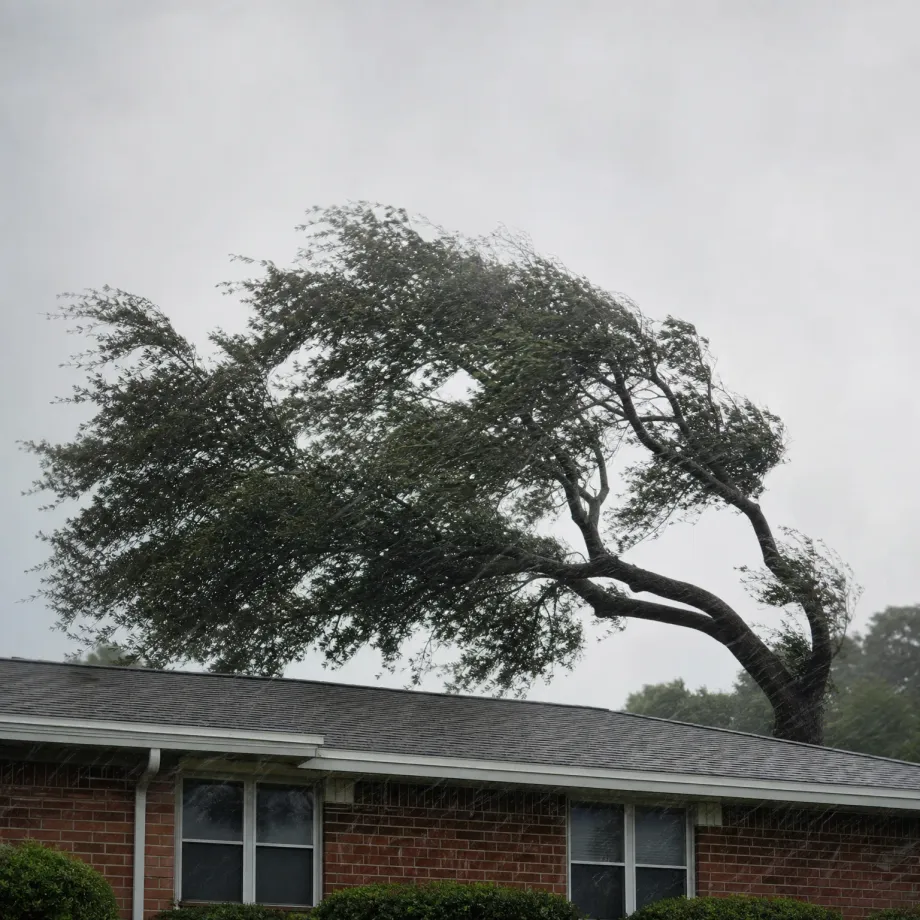
A contractor diagnosing a furnace in Hale County has to settle one question before anything else: how hard has this system actually been pushed. 154 severe weather events were recorded in Hale County, Texas between 2015 and 2024. At that rate, severe weather is a standing condition here, and the wear a contractor finds inside a furnace reflects it. Cracked heat exchangers, stressed ignitors, and worn pressure switches in this area have a plausible cause that predates any single bad season. A contractor quotes the repair after ruling that out, not before.
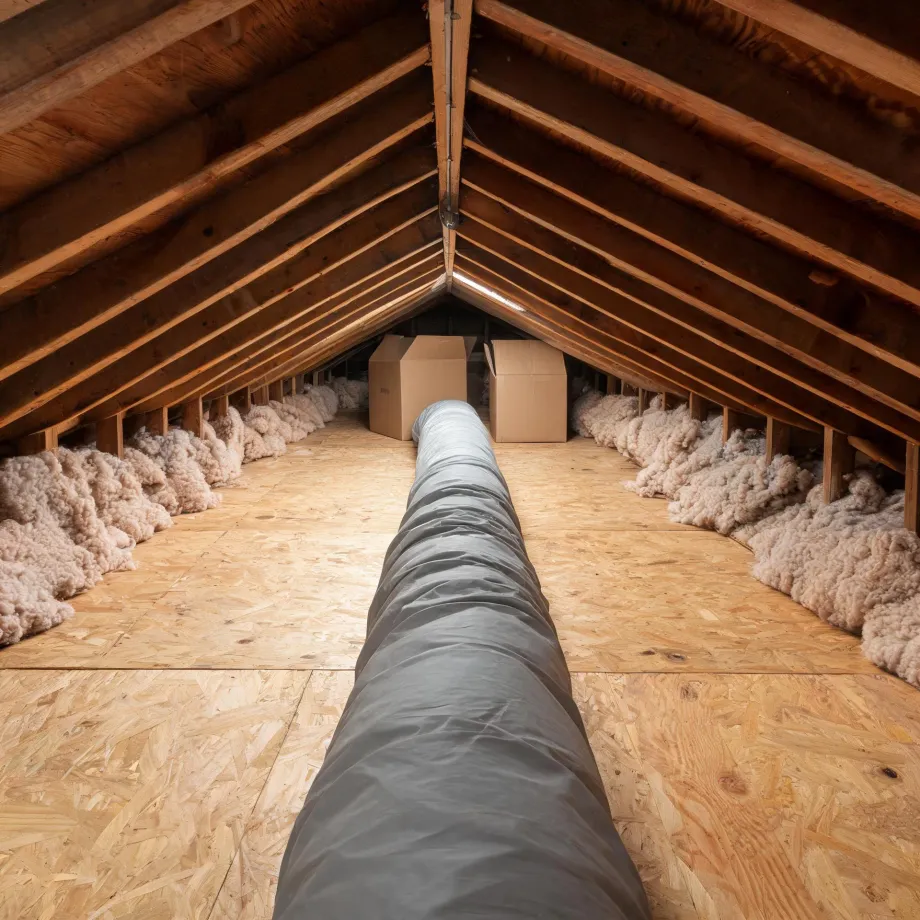
Ductwork in a house built for one era of furnace runs and one kind of load carries a history a contractor has to read before deciding what the repair actually requires. Half the homes in Hale County, Texas were built in 1969 or earlier (2020-2024 ACS 5-year). A furnace old enough to have been the second or third system in a house like that draws on parts that suppliers have been phasing out for years. What the opened unit contains decides whether the repair is a straightforward swap or a search for components that are still in production.
The Parts of a Furnace a Contractor Checks First
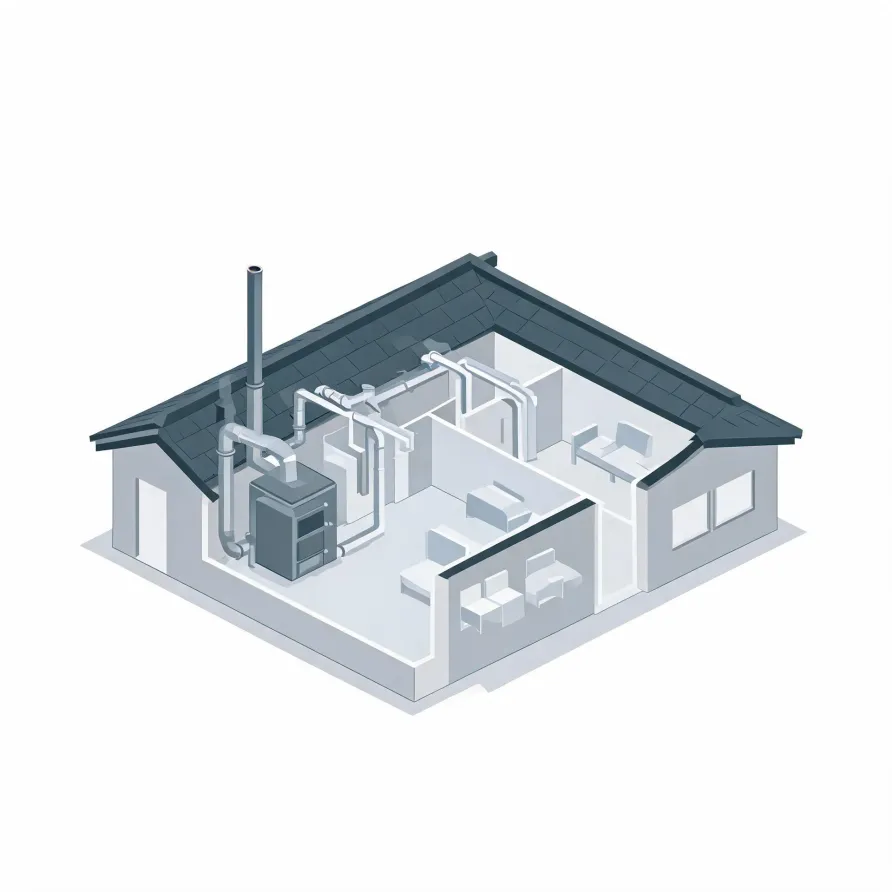
The heat exchanger sits at the core of the furnace cabinet in the mechanical room or a dedicated closet. It is the piece that warms the air before it moves through the house, and when it cracks or corrodes, the furnace loses heat output or stops running altogether. The burner assembly sits just below it and is one of the first places a contractor looks when ignition fails or the flame goes out on its own.
The blower motor pulls air across the heat exchanger and pushes it into the supply side of the system. It sits in the lower half of the cabinet and takes a close look when airflow drops or the furnace runs but no warm air reaches the rooms. The flue or vent pipe carries exhaust gases out of the cabinet and up through the roof or wall, and a contractor checks it whenever combustion problems point back to a restricted or damaged exhaust path.
The drawing shows a typical furnace layout, and a licensed contractor determines which components apply to the specific equipment and configuration in your home.
Get matched in Hale CountyHale County by the numbers
154 severe weather events were recorded in Hale County, Texas between 2015 and 2024.
NOAA National Centers for Environmental Information, Storm Events Database, bulk CSV export, events 2015-01-01 through 2024-12-31.Half the homes in Hale County, Texas were built in 1969 or earlier (2020-2024 ACS 5-year).
U.S. Census Bureau, 2020-2024 American Community Survey 5-Year EstimatesHale County, Texas holds 13,392 housing units (2020-2024 ACS 5-year).
U.S. Census Bureau, 2020-2024 American Community Survey 5-Year EstimatesOwners occupy 60.5% of the occupied homes in Hale County, Texas (2020-2024 ACS 5-year).
U.S. Census Bureau, 2020-2024 American Community Survey 5-Year EstimatesCodes & Standards Governing Furnace Repair in Hale County, Texas5 sourced rules and standards
What Happens When a Contractor Comes Out
Non-weatherized gas furnaces manufactured on or after November 19, 2015 must reach 80.0 percent AFUE.
Non-weatherized oil-fired furnaces manufactured on or after November 19, 2015 must reach 83.0 percent AFUE.
Mobile home gas furnaces manufactured on or after November 19, 2015 must reach 80.0 percent AFUE.
Non-weatherized gas furnaces manufactured on or after December 18, 2028 must reach 95.0 percent AFUE, up from the 80.0 percent minimum that applies to units manufactured before that date.
Licensing Rules for HVAC Repair in Hale County, Texas
In Texas a person may not engage in air conditioning and refrigeration contracting unless that person holds a license issued under the state air conditioning and refrigeration contractor law.
Severe Weather Events in Hale County
Extreme weather puts real strain on heating equipment, forcing it to run harder and wear faster than manufacturers expect in mild conditions. How often that happens in Hale County shapes the repair load local furnaces carry.
154 severe weather events, 2015–2024. Source: NOAA National Centers for Environmental Information, Storm Events Database.