Tell us about the job
Takes about a minute. No obligation.
A contractor quoting furnace repair in Austin County works out what the system has actually been through before settling on a cause. 31 severe weather events were recorded in Austin County, Texas between 2015 and 2024. At that rate, severe weather is an occasional event here, not a standing condition, so a furnace struggling with ignition, heat exchange wear, or a failing blower motor is almost certainly carrying the cost of age or skipped maintenance. The weather does not explain those failures. A contractor looking at a unit that has spent most of its life in unremarkable conditions will price the part that wore out, not build a case around a weather load the record does not support.
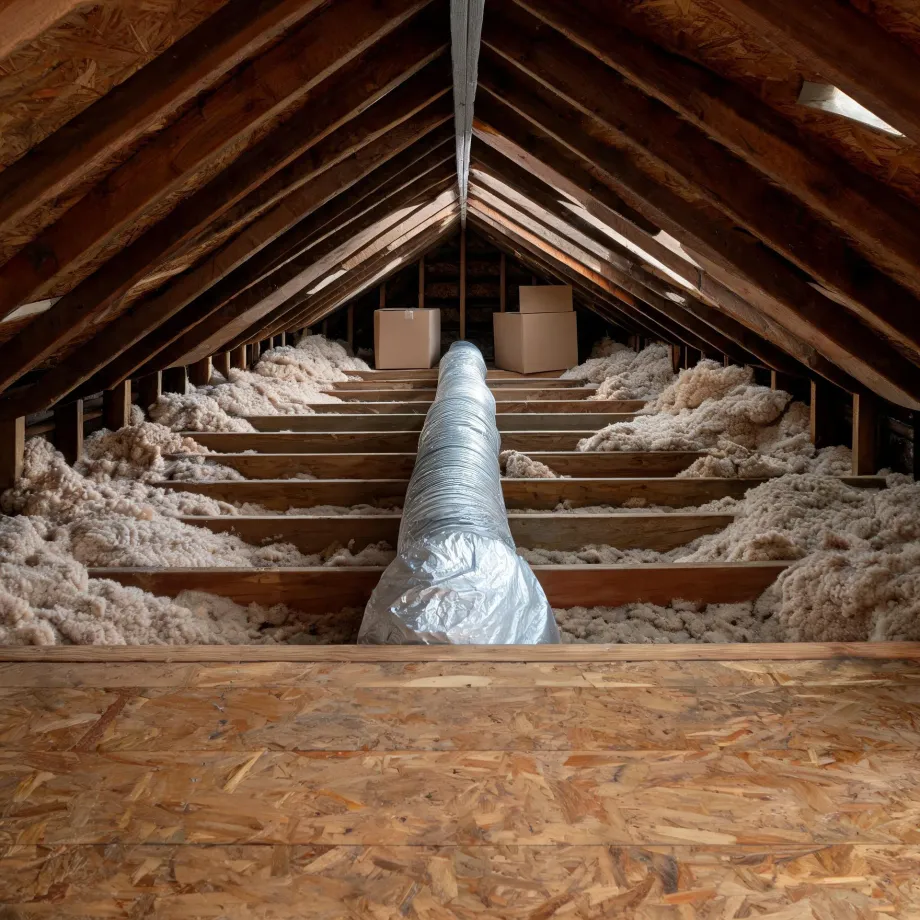
Furnace age and house age are separate clocks, but in Austin County the housing stock is old enough that many furnaces have already been replaced once or more, and what a contractor pulls apart today may be a system with a narrow parts supply. Half the homes in Austin County, Texas were built in 1992 or earlier (2020-2024 ACS 5-year). That matters on a repair call because a technician opening a furnace here has to confirm what generation of components it actually runs before a quote means anything. If the part is still manufactured, the repair is straightforward. If it is not, the conversation shifts toward replacement, and the house itself is rarely what drives that decision.
The Parts of a Furnace a Contractor Checks First
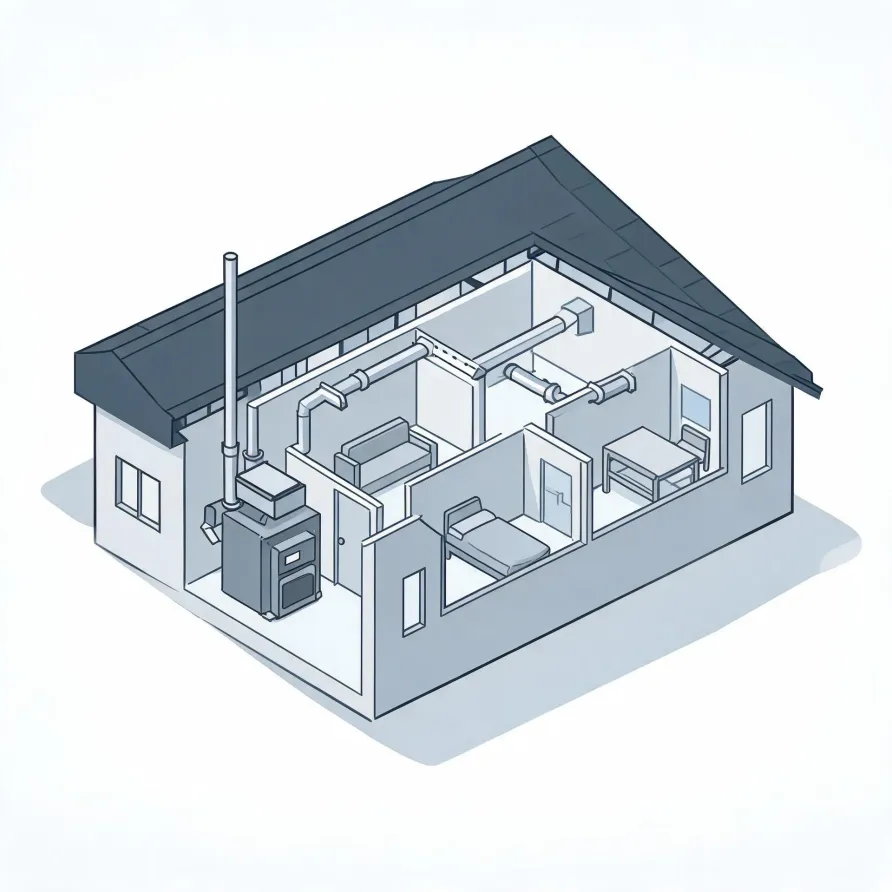
The furnace itself sits in a utility space, basement, or closet and is the unit generating heat for the house. Inside it, the heat exchanger is the first place a contractor looks when something is wrong: cracks or buildup there affect both performance and safety. The burners, which sit just below it, are checked next when heat output drops or ignition is unreliable.
The blower motor and its fan wheel sit at the base of the furnace cabinet and push conditioned air into the supply side of the system. The inducer motor pulls combustion gases out through the flue before each cycle starts. The control board ties all of it together, and a fault there can mimic problems that actually belong to another part.
The drawing shows a typical furnace layout, and a licensed contractor determines which parts apply to the specific equipment and conditions in your home.
Get matched in Austin CountyAustin County, Texas, by the numbers
31 severe weather events were recorded in Austin County, Texas between 2015 and 2024.
NOAA National Centers for Environmental Information, Storm Events Database, bulk CSV export, events 2015-01-01 through 2024-12-31.Half the homes in Austin County, Texas were built in 1992 or earlier (2020-2024 ACS 5-year).
U.S. Census Bureau, 2020-2024 American Community Survey 5-Year EstimatesAustin County, Texas holds 14,319 housing units (2020-2024 ACS 5-year).
U.S. Census Bureau, 2020-2024 American Community Survey 5-Year EstimatesOwners occupy 76.5% of the occupied homes in Austin County, Texas (2020-2024 ACS 5-year).
U.S. Census Bureau, 2020-2024 American Community Survey 5-Year EstimatesCodes & Licensing That Cover Furnace Repair in Austin County, Texas5 sourced rules and standards
What Repair Day Looks Like in Austin County
Non-weatherized gas furnaces manufactured on or after November 19, 2015 must reach 80.0 percent AFUE.
Non-weatherized oil-fired furnaces manufactured on or after November 19, 2015 must reach 83.0 percent AFUE.
Mobile home gas furnaces manufactured on or after November 19, 2015 must reach 80.0 percent AFUE.
Non-weatherized gas furnaces manufactured on or after December 18, 2028 must reach 95.0 percent AFUE, up from the 80.0 percent minimum that applies to units manufactured before that date.
Licensing Rules for HVAC Repair in Austin County, Texas
In Texas a person may not engage in air conditioning and refrigeration contracting unless that person holds a license issued under the state air conditioning and refrigeration contractor law.
Severe Weather Events in Austin County
Extreme weather puts real strain on furnaces, forcing them to run harder and longer than they were sized to handle on an average day. How often that happens in Austin County shapes how quickly parts wear and how soon repairs come due.
31 severe weather events, 2015–2024. Source: NOAA National Centers for Environmental Information, Storm Events Database.