Tell us about the job
Takes about a minute. No obligation.
A furnace in Colorado County that starts throwing errors or losing heat is almost certainly failing from within, not from outside pressure. 32 severe weather events were recorded in Colorado County, Texas between 2015 and 2024. At that rate, severe weather is an occasional event in this area, and a contractor working through a furnace repair will look first at heat exchangers, ignition components, and filters before entertaining the weather as a cause. The load the climate places on heating equipment here is real but not punishing, and a repair quote that leans on environmental stress deserves a second look.
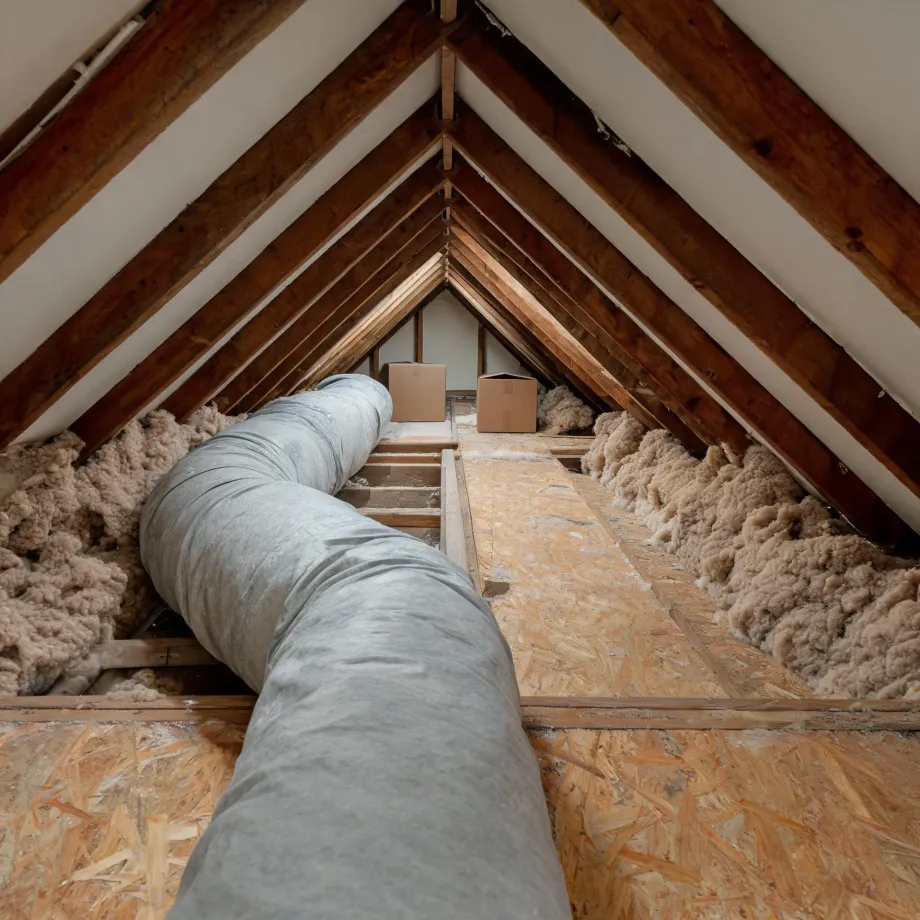
Furnaces in houses this old are often running components that were designed and installed well before today's parts supply was organized around current equipment generations. Half the homes in Colorado County, Texas were built in 1983 or earlier (2020-2024 ACS 5-year). A contractor opening a furnace here has to identify exactly what that system takes before any repair scope is real, because a part that fits on paper may no longer be made, and one that is available may require modifications the original installation did not anticipate. That difference in parts availability is what separates a straightforward repair from a conversation about what the homeowner does next.
The Parts of a Furnace a Contractor Checks First
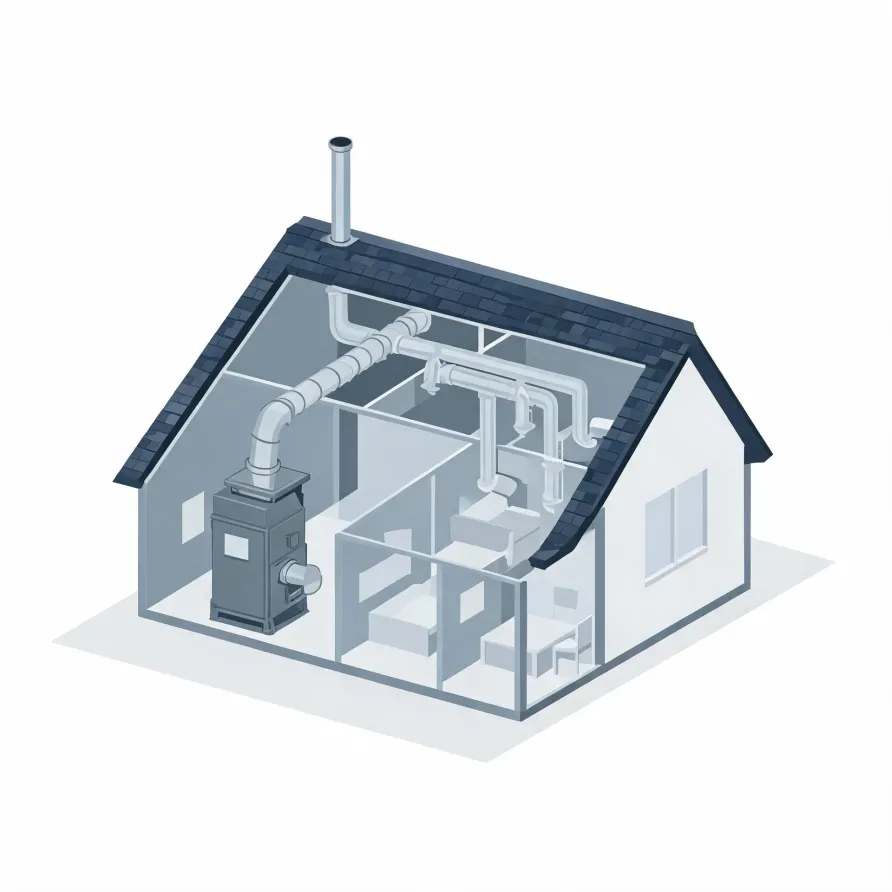
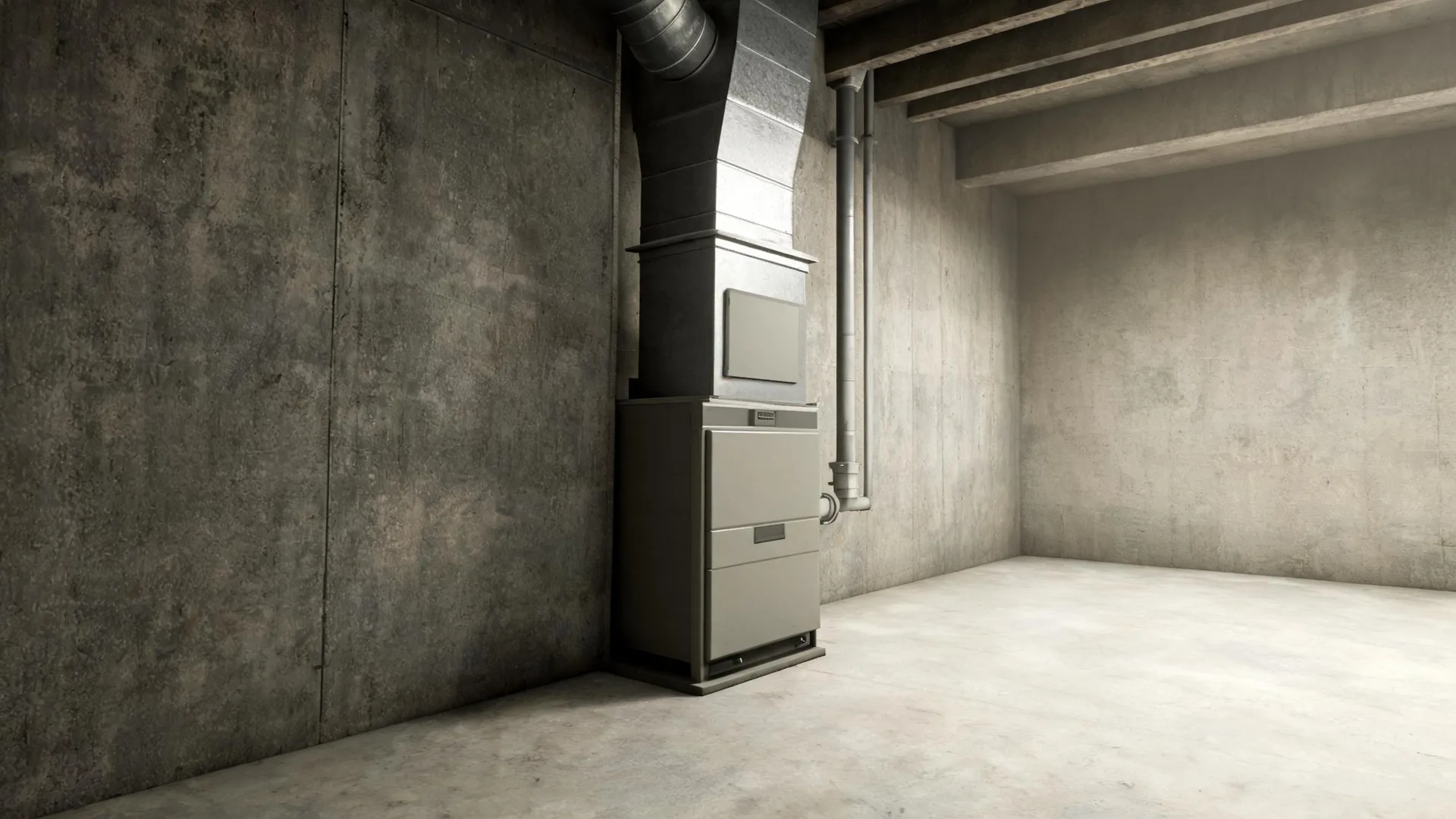
The heat exchanger sits at the core of the furnace cabinet, in the mechanical room or utility space, and it is where combustion gases are separated from the air your household breathes. When it cracks or corrodes, the furnace often shuts itself down or produces uneven heat. The burner assembly sits just below it and is one of the first things a contractor examines when the unit fails to fire or heats poorly.
The blower motor and its fan wheel sit at the base of the cabinet and push conditioned air out into the supply side of the system. The draft inducer, mounted near the flue connection, pulls combustion gases out of the heat exchanger before each cycle begins. The control board ties all of these components together, and a fault there can mimic a failure anywhere else in the furnace.
The drawing shows a representative furnace layout, and a licensed contractor determines which components apply and what condition they are in for your specific home.
Get matched in Colorado CountyColorado County, Texas, by the numbers
32 severe weather events were recorded in Colorado County, Texas between 2015 and 2024.
NOAA National Centers for Environmental Information, Storm Events Database, bulk CSV export, events 2015-01-01 through 2024-12-31.Half the homes in Colorado County, Texas were built in 1983 or earlier (2020-2024 ACS 5-year).
U.S. Census Bureau, 2020-2024 American Community Survey 5-Year EstimatesColorado County, Texas holds 10,102 housing units (2020-2024 ACS 5-year).
U.S. Census Bureau, 2020-2024 American Community Survey 5-Year EstimatesOwners occupy 79.5% of the occupied homes in Colorado County, Texas (2020-2024 ACS 5-year).
U.S. Census Bureau, 2020-2024 American Community Survey 5-Year EstimatesCodes & Standards Behind Furnace Repair in Colorado County, Texas5 rules & standards
What happens when a contractor comes out for furnace repair in Colorado County
Non-weatherized gas furnaces manufactured on or after November 19, 2015 must reach 80.0 percent AFUE.
Non-weatherized oil-fired furnaces manufactured on or after November 19, 2015 must reach 83.0 percent AFUE.
Mobile home gas furnaces manufactured on or after November 19, 2015 must reach 80.0 percent AFUE.
Non-weatherized gas furnaces manufactured on or after December 18, 2028 must reach 95.0 percent AFUE, up from the 80.0 percent minimum that applies to units manufactured before that date.
What Texas and Colorado County Require for This Work
In Texas a person may not engage in air conditioning and refrigeration contracting unless that person holds a license issued under the state air conditioning and refrigeration contractor law.
Severe Weather Events in Colorado County
Extreme weather puts real stress on heating equipment, forcing it to run harder and longer than it was sized for on a calm day. How often that happens here shapes what furnaces in this area face over time, which is why local repair demand tracks closely with local conditions.
32 severe weather events, 2015–2024. Source: NOAA National Centers for Environmental Information, Storm Events Database.