Tell us about the job
Takes about a minute. No obligation.
A furnace repair in Uvalde County starts with what the unit has been through on the inside, not what the sky has thrown at it. 60 severe weather events were recorded in Uvalde County, Texas between 2015 and 2024. At that rate, severe weather is a periodic visitor, and most furnaces here have not been ground down by relentless storm load. A contractor checking a failed heat exchanger or a dead inducer motor is looking at years of use, filter changes skipped, and whether the unit was sized and installed correctly at the start. The weather record is real; it is just not what explains most of what a contractor finds.
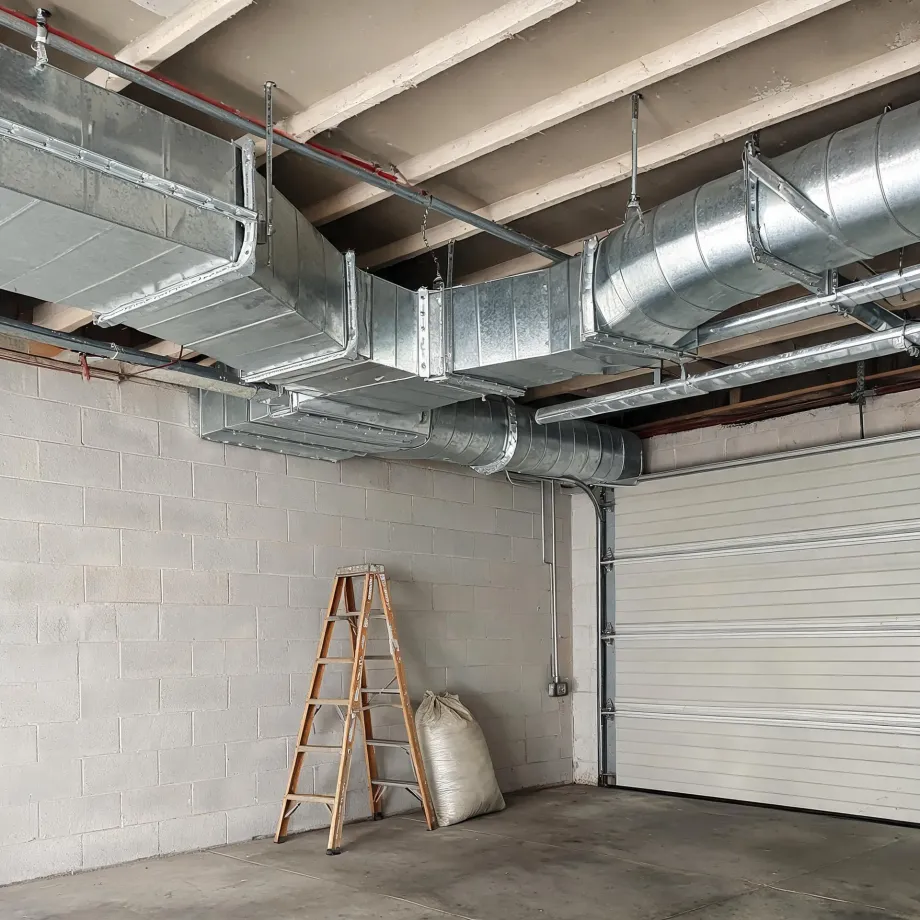
Furnaces running in houses this old tend to carry parts that are no longer in standard supply. Half the homes in Uvalde County, Texas were built in 1983 or earlier (2020-2024 ACS 5-year). That gap between when the house was built and what is running in it now is where a repair gets complicated: a cracked heat exchanger or a failed control board may not have a direct replacement, and a contractor sourcing parts for a system that age is working from a shorter list than the unit's age suggests on paper. Whether the fix is a like-for-like swap or an adapted solution depends on what the opened furnace actually contains.
The Parts of a Furnace a Contractor Checks During Repair
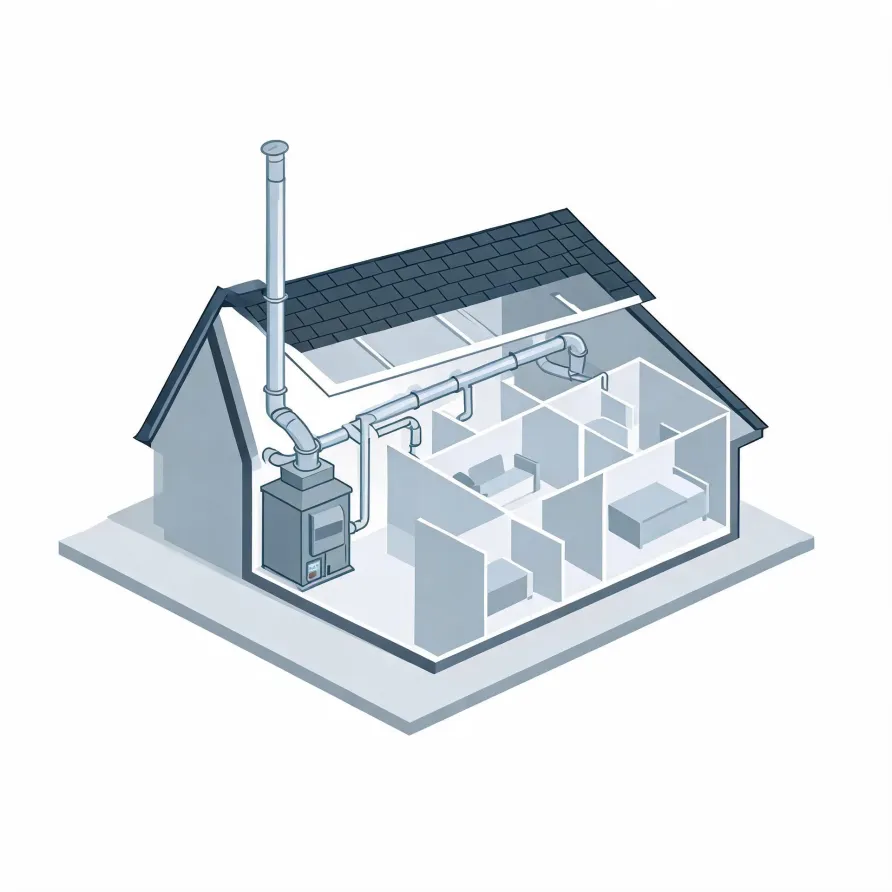
The heat exchanger sits inside the furnace cabinet and is where combustion heat passes into the air supply. A cracked or corroded exchanger is one of the first things a contractor looks at, because a failure there affects both performance and safety. The burners feed directly into it, and when those run unevenly or not at all, that assembly is the place to start.
The blower motor and fan sit at the base of the cabinet and push conditioned air out through the supply side of the system. The draft inducer, also inside the cabinet, pulls combustion gases out through the flue. The control board ties all of it together, reading signals from the thermostat and telling each component when to run. A fault in any of those can mimic a problem somewhere else, so a contractor works through them in order.
The drawing shows the general layout of a furnace system, and a licensed contractor determines which parts apply to the specific unit and setup in your home.
Find a contractor in Uvalde CountyUvalde County, by the numbers
60 severe weather events were recorded in Uvalde County, Texas between 2015 and 2024.
NOAA National Centers for Environmental Information, Storm Events Database, bulk CSV export, events 2015-01-01 through 2024-12-31.Half the homes in Uvalde County, Texas were built in 1983 or earlier (2020-2024 ACS 5-year).
U.S. Census Bureau, 2020-2024 American Community Survey 5-Year EstimatesUvalde County, Texas holds 10,095 housing units (2020-2024 ACS 5-year).
U.S. Census Bureau, 2020-2024 American Community Survey 5-Year EstimatesOwners occupy 70.6% of the occupied homes in Uvalde County, Texas (2020-2024 ACS 5-year).
U.S. Census Bureau, 2020-2024 American Community Survey 5-Year EstimatesCodes & Standards Behind Furnace Repair in Uvalde County, Texas5 sourced rules & standards
What Furnace Repair Looks Like in Uvalde County
Non-weatherized gas furnaces manufactured on or after November 19, 2015 must reach 80.0 percent AFUE.
Non-weatherized oil-fired furnaces manufactured on or after November 19, 2015 must reach 83.0 percent AFUE.
Mobile home gas furnaces manufactured on or after November 19, 2015 must reach 80.0 percent AFUE.
Non-weatherized gas furnaces manufactured on or after December 18, 2028 must reach 95.0 percent AFUE, up from the 80.0 percent minimum that applies to units manufactured before that date.
Licensing Rules for HVAC Repair in Uvalde County, Texas
In Texas a person may not engage in air conditioning and refrigeration contracting unless that person holds a license issued under the state air conditioning and refrigeration contractor law.
Severe Weather Events in Uvalde County
Extreme weather puts a real load on heating equipment, and Uvalde County gets its share of weather that pushes furnaces hard. How often that happens here shapes how much repair work local systems need.
60 severe weather events, 2015–2024. Source: NOAA National Centers for Environmental Information, Storm Events Database.