Tell us about the job
Takes about a minute. No obligation.
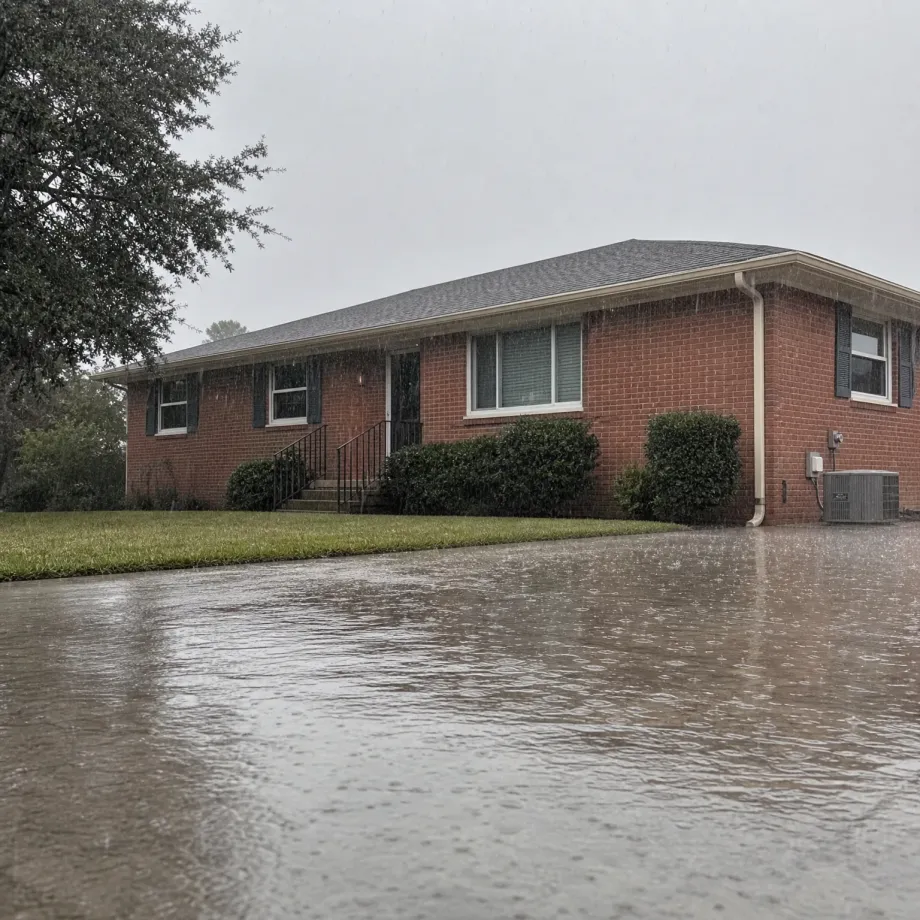
A contractor diagnosing a furnace in San Saba County has to settle one question before anything else: what actually wore this system down. 50 severe weather events were recorded in San Saba County, Texas between 2015 and 2024. At that rate, severe weather is real but infrequent, and a failed heat exchanger or a cracked igniter here is almost certainly the product of years of use and deferred maintenance rather than storm load. The components a contractor checks first are the ones that go with age: burners, igniters, heat exchangers, blower motors. Weather is background, not cause.
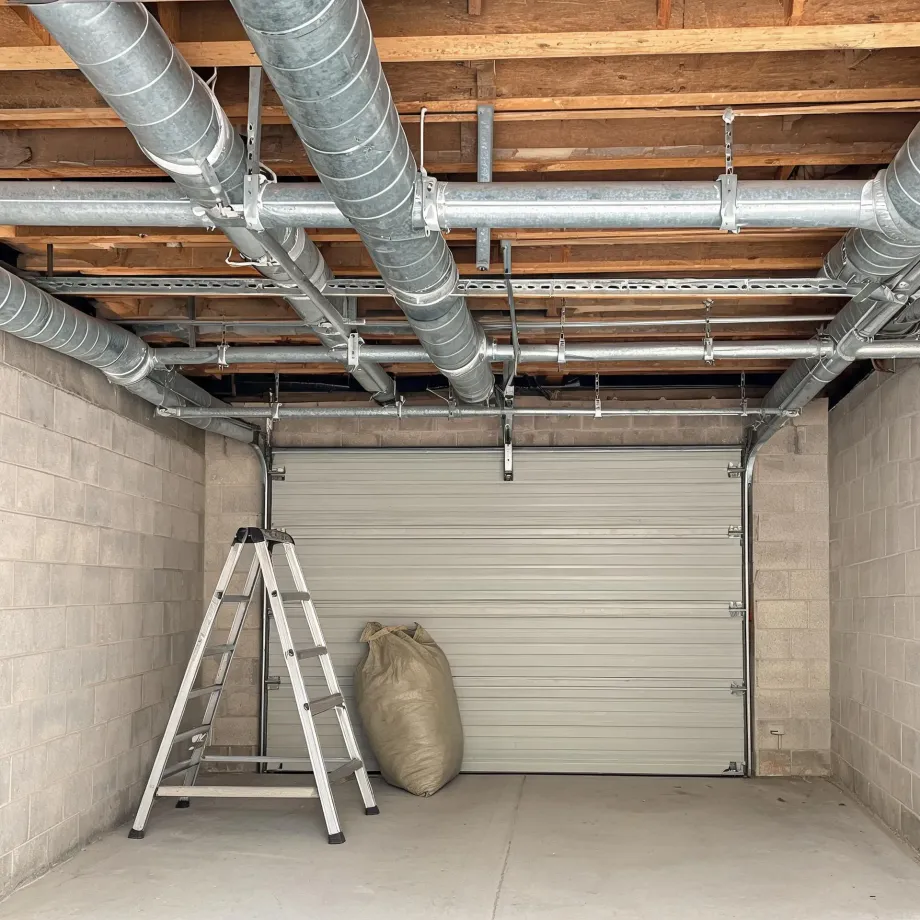
Ducting and equipment in a house built for an earlier generation of furnaces carry wear that does not show up on a thermostat reading. Half the homes in San Saba County, Texas were built in 1981 or earlier (2020-2024 ACS 5-year). A contractor who opens a heat exchanger or pulls a burner assembly in stock of this vintage will find whether the parts that system takes are still manufactured or have to be sourced specifically. That search determines the repair timeline and the bill, and it cannot be skipped by quoting from the outside of the unit.
The Parts of a Furnace a Contractor Checks During Repair
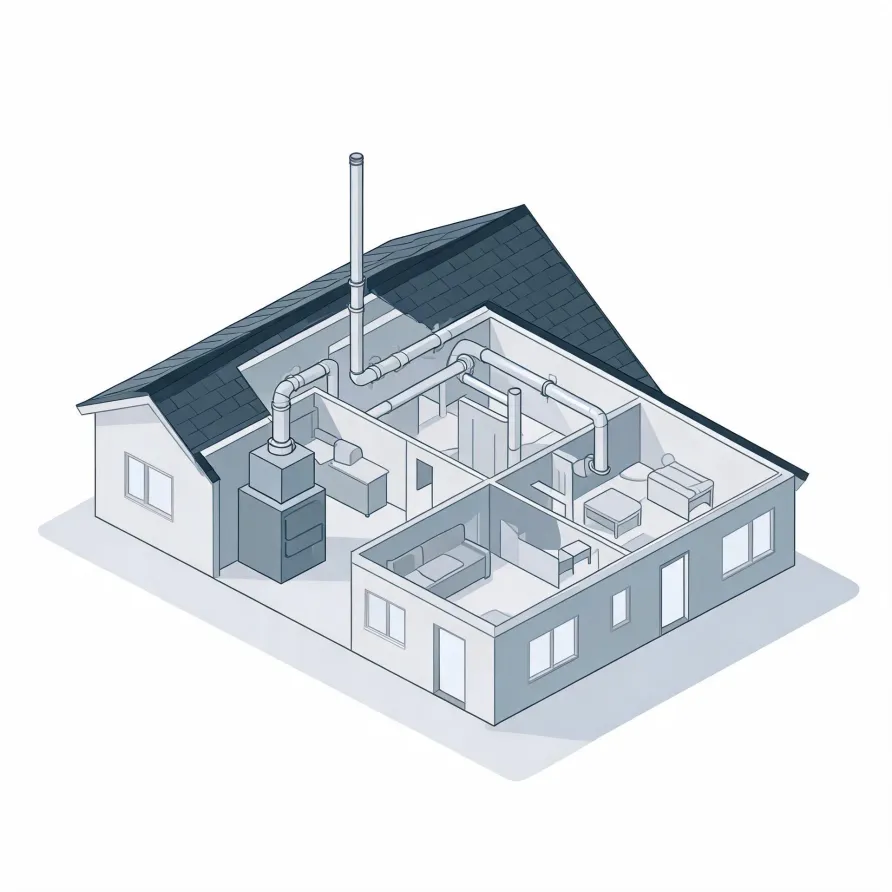
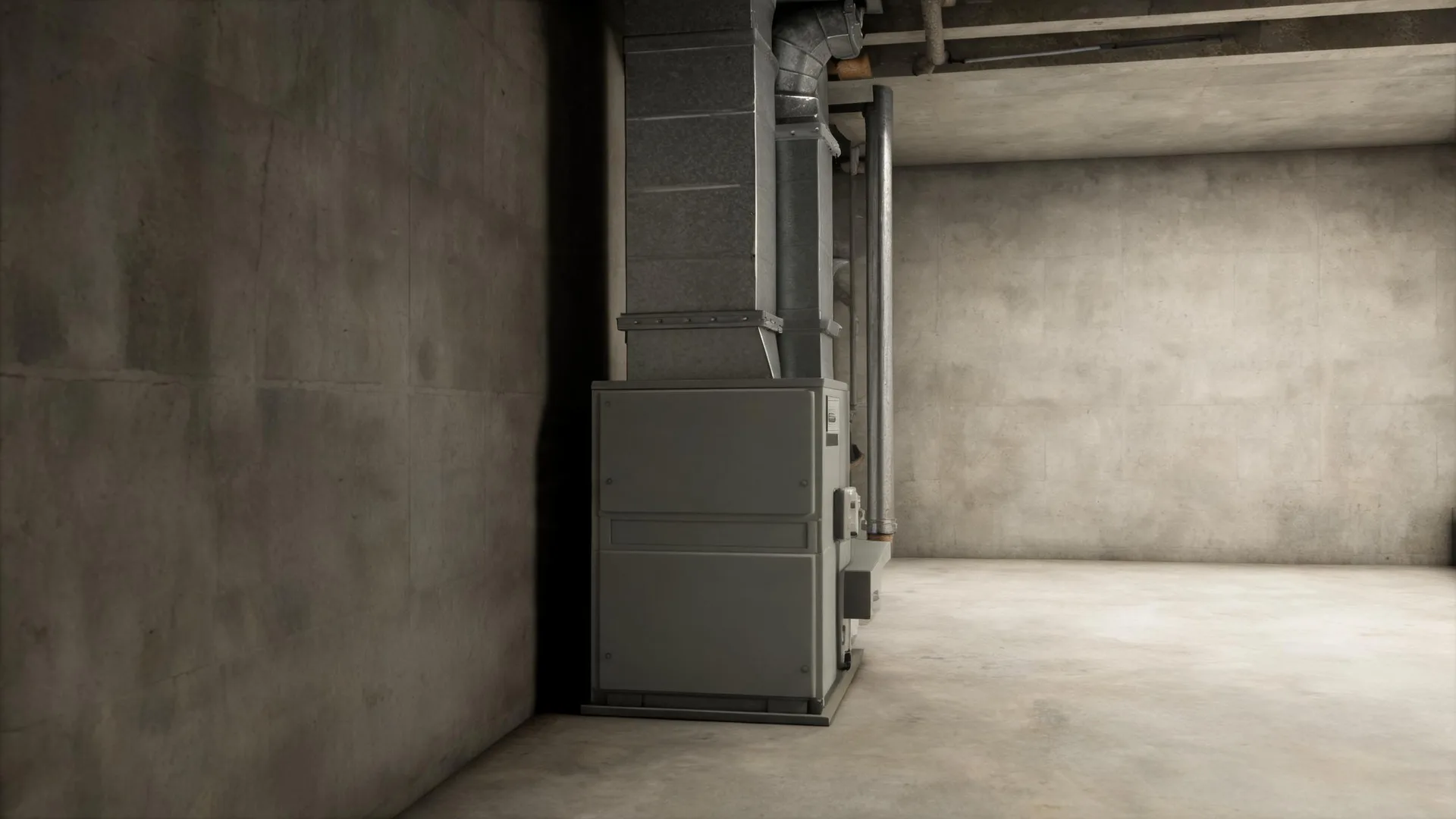
The heat exchanger sits inside the furnace cabinet in a utility room, basement, or closet, and it is the part that transfers heat from combustion into the air your home breathes. Cracks or failures here show up as uneven heating or, in gas furnaces, carbon monoxide risk. The burner assembly sits just below it and is where the flame originates; a contractor checks both early.
The blower motor sits at the base of the cabinet and pushes conditioned air into the supply ducts. Alongside it, the inducer motor pulls combustion gases out through the flue. The control board ties these components together, reading signals from the thermostat and firing each part in sequence. When any link in that chain breaks, the board often holds the first clue.
The drawing shows a typical furnace layout, and a licensed contractor determines which components apply to the specific system and conditions in your house.
Find a contractor in San Saba CountySan Saba County, by the Numbers
50 severe weather events were recorded in San Saba County, Texas between 2015 and 2024.
NOAA National Centers for Environmental Information, Storm Events Database, bulk CSV export, events 2015-01-01 through 2024-12-31.Half the homes in San Saba County, Texas were built in 1981 or earlier (2020-2024 ACS 5-year).
U.S. Census Bureau, 2020-2024 American Community Survey 5-Year EstimatesSan Saba County, Texas holds 2,835 housing units (2020-2024 ACS 5-year).
U.S. Census Bureau, 2020-2024 American Community Survey 5-Year EstimatesOwners occupy 71.7% of the occupied homes in San Saba County, Texas (2020-2024 ACS 5-year).
U.S. Census Bureau, 2020-2024 American Community Survey 5-Year EstimatesCodes & Standards Covering Furnace Repair in San Saba County, Texas5 sourced rules and standards
What HVAC Repair Looks Like in San Saba County
Non-weatherized gas furnaces manufactured on or after November 19, 2015 must reach 80.0 percent AFUE.
Non-weatherized oil-fired furnaces manufactured on or after November 19, 2015 must reach 83.0 percent AFUE.
Mobile home gas furnaces manufactured on or after November 19, 2015 must reach 80.0 percent AFUE.
Non-weatherized gas furnaces manufactured on or after December 18, 2028 must reach 95.0 percent AFUE, up from the 80.0 percent minimum that applies to units manufactured before that date.
What San Saba County, Texas Requires for This Work
In Texas a person may not engage in air conditioning and refrigeration contracting unless that person holds a license issued under the state air conditioning and refrigeration contractor law.
Severe Weather Events in San Saba County
Weather swings put real load on heating equipment, and that load compounds over time. Furnace repairs in San Saba County often trace back to what the seasons have asked of the system, which is why local weather history belongs on this page.
50 severe weather events, 2015–2024. Source: NOAA National Centers for Environmental Information, Storm Events Database.