Tell us about the job
Takes about a minute. No obligation.
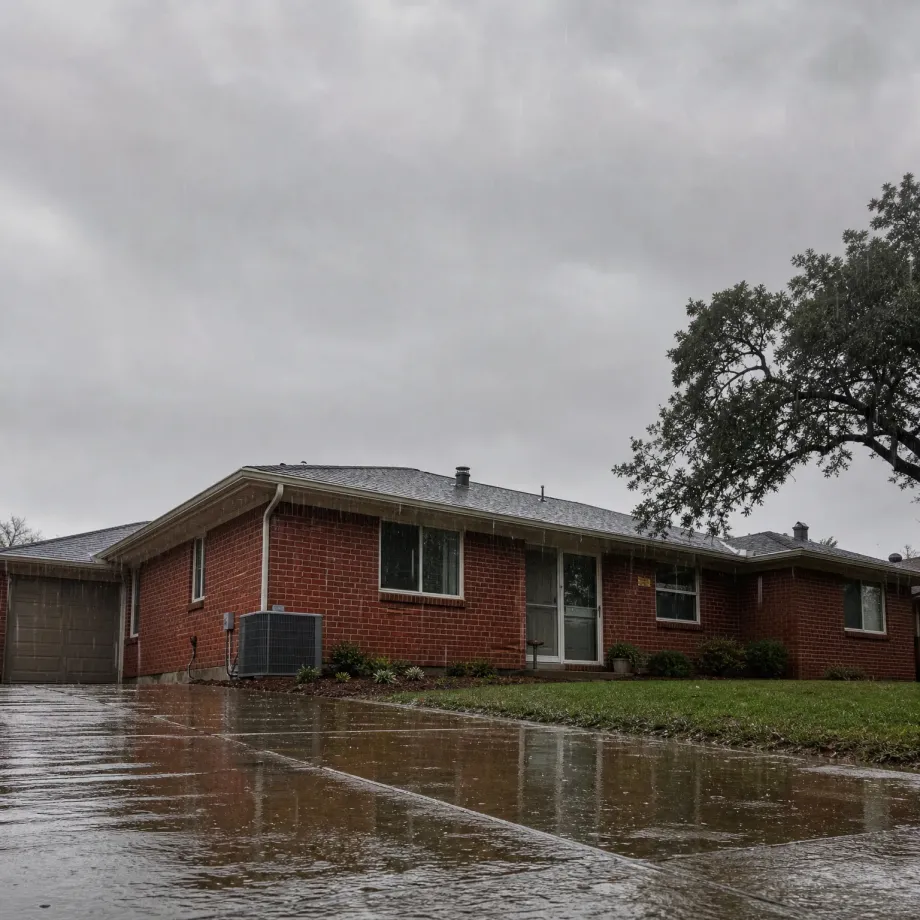
A furnace repair in Lampasas County starts with the system itself: how old it is, how it has been maintained, and which components are showing wear. 46 severe weather events were recorded in Lampasas County, Texas between 2015 and 2024. At that rate, severe weather is something a system here encounters now and then, not a grinding background load. A contractor diagnosing a failed heat exchanger or a cracked inducer in this area is not adjusting for a battered unit. They are looking at a part that wore out on its own schedule, and the quote reflects that.
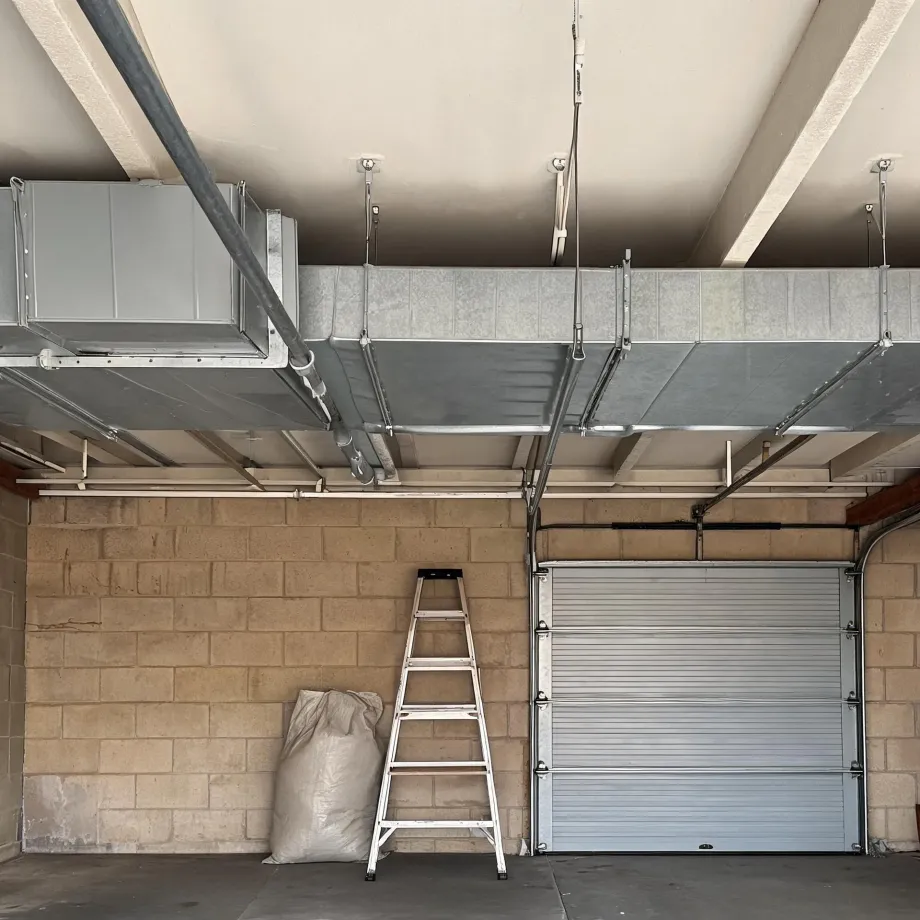
Furnaces in houses built around that era often outlasted the product lines they belong to, which means a contractor opening a unit here has to check part availability before a repair quote means anything. Half the homes in Lampasas County, Texas were built in 1990 or earlier (2020-2024 ACS 5-year). When a heat exchanger, control board, or burner assembly from a system that old is no longer stocked by the original manufacturer, the contractor is sourcing through secondary suppliers or recommending replacement, and the homeowner's decision changes accordingly. The age of the housing is what put those systems in place.
The Parts of a Furnace a Contractor Checks First
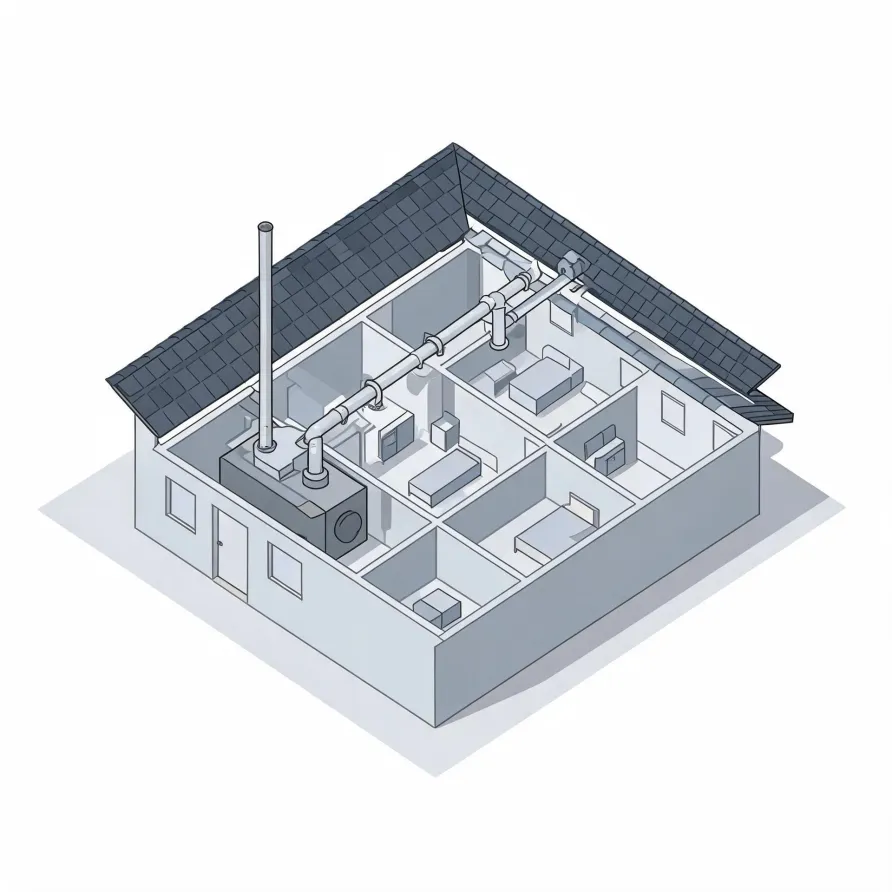
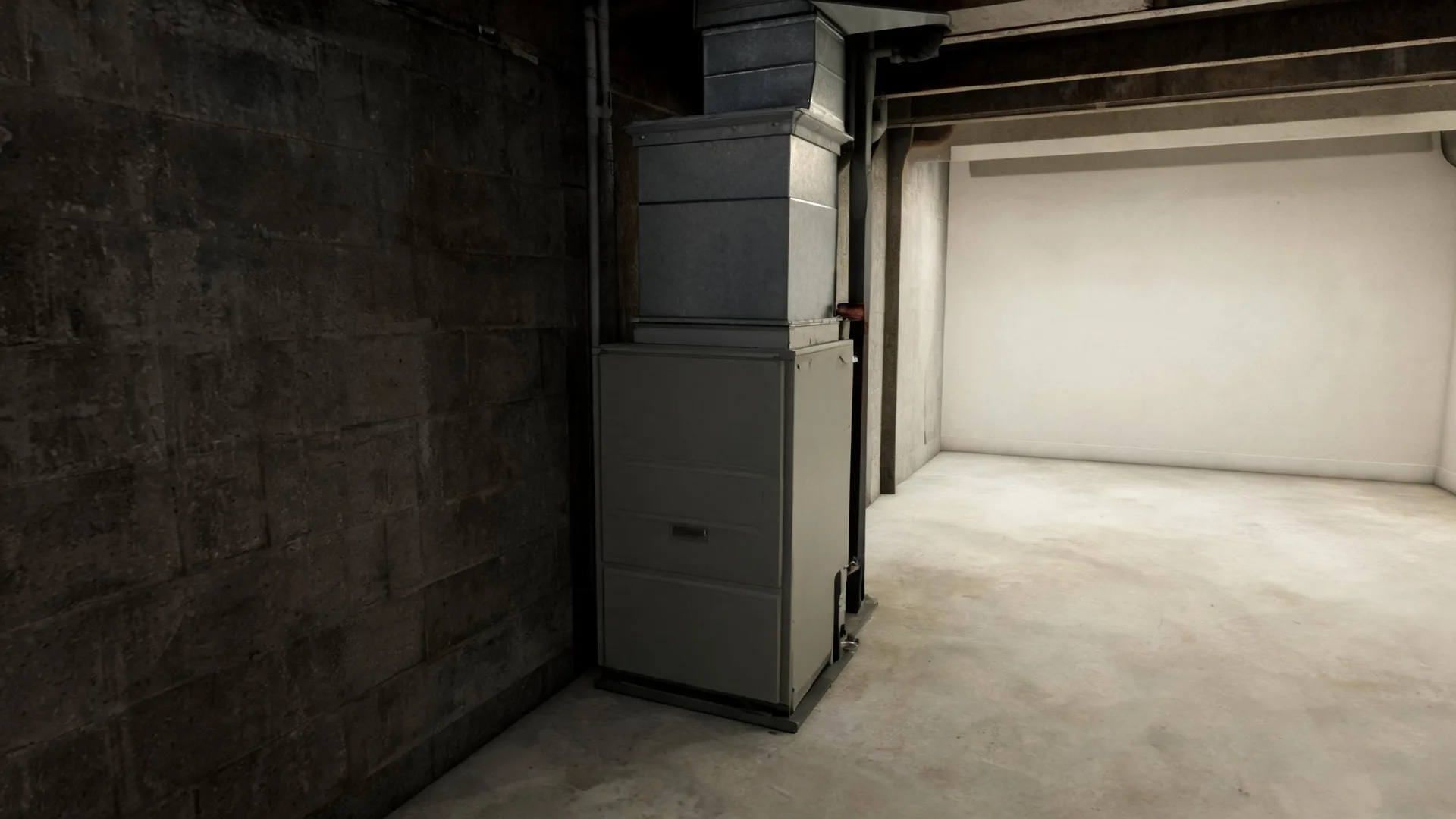
The heat exchanger sits inside the furnace cabinet, usually in a utility closet, basement, or garage, and it is the metal chamber where combustion heat transfers to household air. Cracks or corrosion here mean combustion gases can enter the airstream. The burners feed directly into it, and a contractor checks them early when the furnace runs poorly or fails to light.
The blower motor sits at the base of the cabinet and pushes conditioned air through the supply side of the system. Above the burners, the draft inducer pulls exhaust gases out through the flue. The igniter and flame sensor work together at the point of combustion, and either one, when it fails, stops the burner from firing at all.
The drawing shows the general layout of a furnace system, and a licensed contractor determines which components apply to the specific equipment and configuration in your home.
Find a contractor in Lampasas CountyLampasas County, by the numbers
46 severe weather events were recorded in Lampasas County, Texas between 2015 and 2024.
NOAA National Centers for Environmental Information, Storm Events Database, bulk CSV export, events 2015-01-01 through 2024-12-31.Half the homes in Lampasas County, Texas were built in 1990 or earlier (2020-2024 ACS 5-year).
U.S. Census Bureau, 2020-2024 American Community Survey 5-Year EstimatesLampasas County, Texas holds 9,871 housing units (2020-2024 ACS 5-year).
U.S. Census Bureau, 2020-2024 American Community Survey 5-Year EstimatesOwners occupy 80.1% of the occupied homes in Lampasas County, Texas (2020-2024 ACS 5-year).
U.S. Census Bureau, 2020-2024 American Community Survey 5-Year EstimatesCodes & Standards Governing Furnace Repair in Lampasas County, Texas5 sourced rules and standards
What Happens When a Contractor Comes Out
Non-weatherized gas furnaces manufactured on or after November 19, 2015 must reach 80.0 percent AFUE.
Non-weatherized oil-fired furnaces manufactured on or after November 19, 2015 must reach 83.0 percent AFUE.
Mobile home gas furnaces manufactured on or after November 19, 2015 must reach 80.0 percent AFUE.
Non-weatherized gas furnaces manufactured on or after December 18, 2028 must reach 95.0 percent AFUE, up from the 80.0 percent minimum that applies to units manufactured before that date.
Licensing Rules for HVAC Repair in Lampasas County, Texas
In Texas a person may not engage in air conditioning and refrigeration contracting unless that person holds a license issued under the state air conditioning and refrigeration contractor law.
Severe Weather Events in Lampasas County
Extreme weather puts real hours on heating equipment. How hard a furnace works over its life is shaped by local conditions, and that makes repair needs a county-level question, not a general one.
46 severe weather events, 2015–2024. Source: NOAA National Centers for Environmental Information, Storm Events Database.