Tell us about the job
Takes about a minute. No obligation.
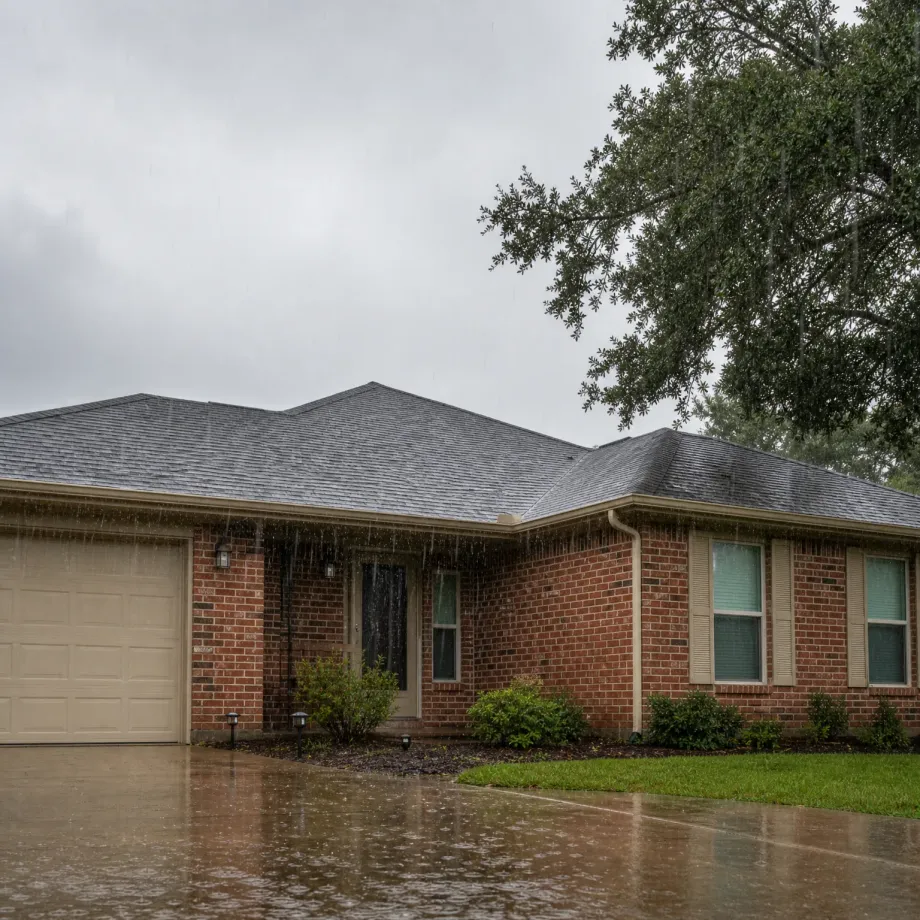
A furnace repair quote in Gregg County starts with the equipment, not just the season it failed in. 105 severe weather events were recorded in Gregg County, Texas between 2015 and 2024. That puts severe weather in the category of a recurring operating condition rather than a rare event, and it does wear on heat exchangers, igniters, and pressure switches over the years. A contractor here will check those components for cumulative stress before settling on a cause. Still, a weather record at this level explains wear patterns; it does not by itself account for a cracked heat exchanger or a failed control board, and a contractor will trace those failures to the specific part and its condition.
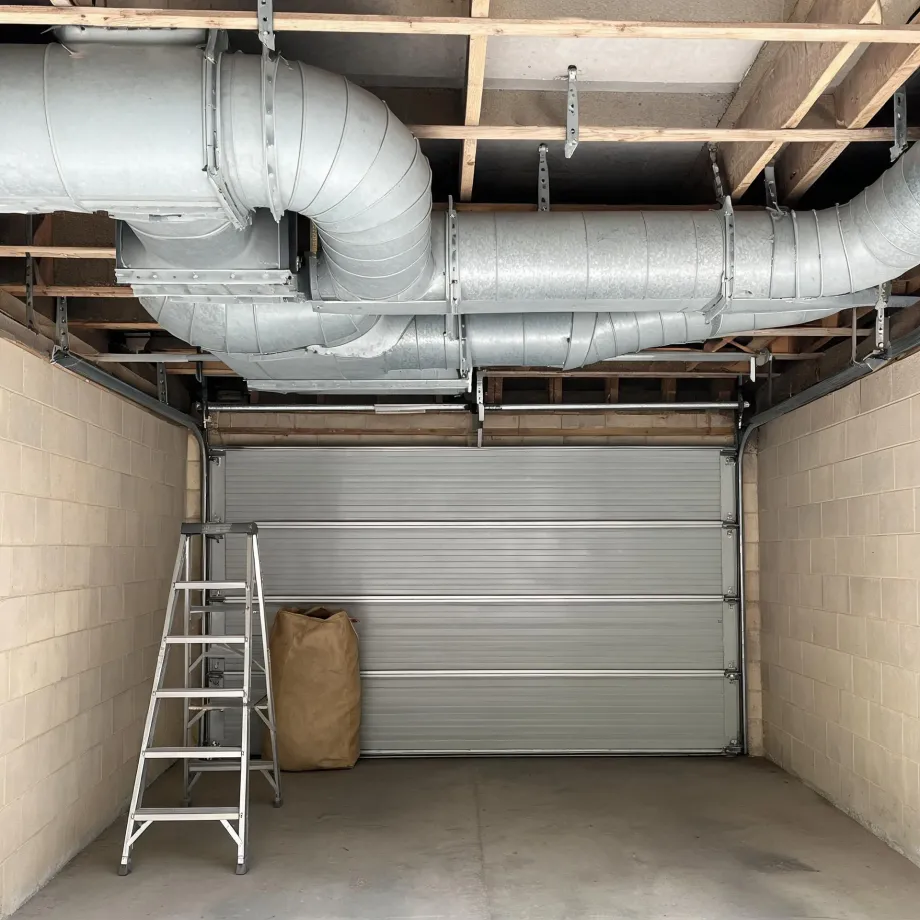
Ductwork in a house this old was sized and run for the equipment that came with the building, and what the furnace itself reveals once opened is shaped by every heating season it has carried since. Half the homes in Gregg County, Texas were built in 1980 or earlier (2020-2024 ACS 5-year). A heat exchanger or burner assembly that has cycled through that many winters shows wear a visual check from outside the cabinet does not catch. What a contractor finds inside determines whether a standard replacement part closes the job or whether a component that old requires sourcing outside the usual supply chain.
The Parts of a Furnace a Contractor Checks First
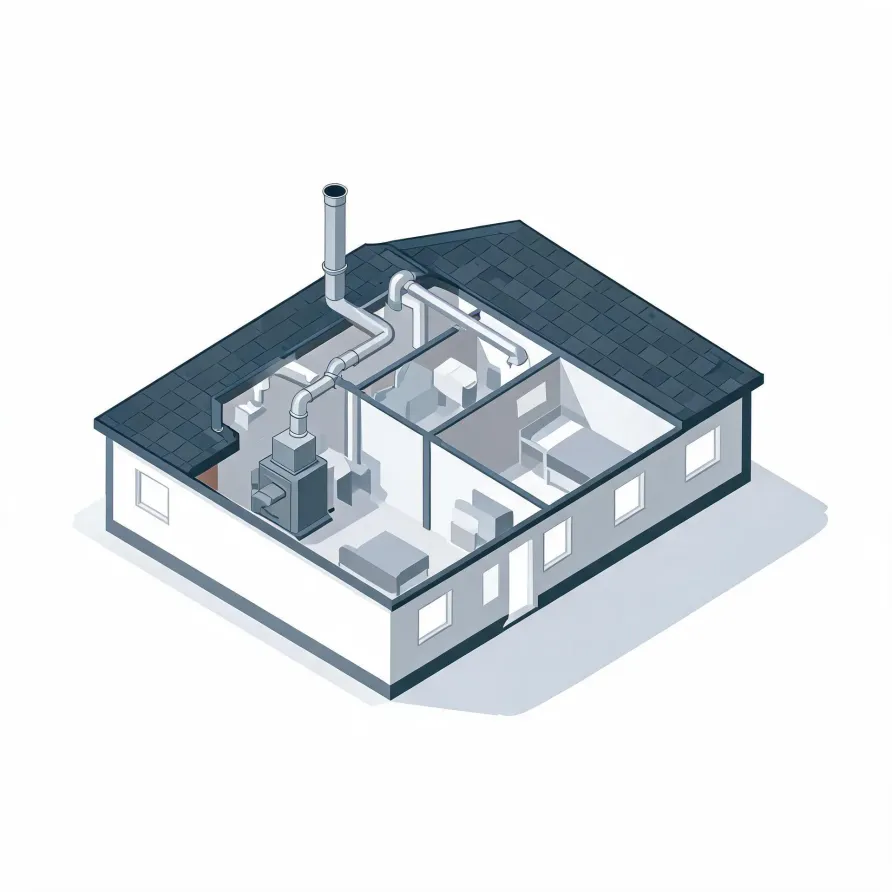
The furnace cabinet sits in a utility closet, basement, or garage and holds most of what a contractor examines during a repair call. Inside it, the heat exchanger is the piece that fails silently and matters most: cracks in it let combustion gases into living air. The burners, igniter, and flame sensor sit just below it and are the first suspects when the furnace runs no heat at all.
The blower motor and its wheel sit in the lower half of the cabinet and push conditioned air into the supply ducts. The control board and the limit switches govern when each component runs and when it shuts off. A failed board can mimic almost any other fault, so contractors often work back to it after ruling out the simpler parts first.
The drawing shows a typical furnace layout, and a licensed contractor determines which components apply and what condition they are in for your specific system.
Get matched in Gregg CountyGregg County by the Numbers
105 severe weather events were recorded in Gregg County, Texas between 2015 and 2024.
NOAA National Centers for Environmental Information, Storm Events Database, bulk CSV export, events 2015-01-01 through 2024-12-31.Half the homes in Gregg County, Texas were built in 1980 or earlier (2020-2024 ACS 5-year).
U.S. Census Bureau, 2020-2024 American Community Survey 5-Year EstimatesGregg County, Texas holds 53,883 housing units (2020-2024 ACS 5-year).
U.S. Census Bureau, 2020-2024 American Community Survey 5-Year EstimatesOwners occupy 60.3% of the occupied homes in Gregg County, Texas (2020-2024 ACS 5-year).
U.S. Census Bureau, 2020-2024 American Community Survey 5-Year EstimatesCodes & Standards Covering Furnace Repair in Gregg County, Texas5 rules & standards
What Furnace Repair Looks Like in Gregg County
Non-weatherized gas furnaces manufactured on or after November 19, 2015 must reach 80.0 percent AFUE.
Non-weatherized oil-fired furnaces manufactured on or after November 19, 2015 must reach 83.0 percent AFUE.
Mobile home gas furnaces manufactured on or after November 19, 2015 must reach 80.0 percent AFUE.
Non-weatherized gas furnaces manufactured on or after December 18, 2028 must reach 95.0 percent AFUE, up from the 80.0 percent minimum that applies to units manufactured before that date.
Licensing and Legal Requirements in Gregg County, Texas
In Texas a person may not engage in air conditioning and refrigeration contracting unless that person holds a license issued under the state air conditioning and refrigeration contractor law.
Severe Weather Events in Gregg County
Gregg County weather puts real stress on heating equipment, and that stress shows up as repair calls. Knowing what the local climate has actually delivered helps explain why furnaces here work as hard as they do.
105 severe weather events, 2015–2024. Source: NOAA National Centers for Environmental Information, Storm Events Database.