Tell us about the job
Takes about a minute. No obligation.
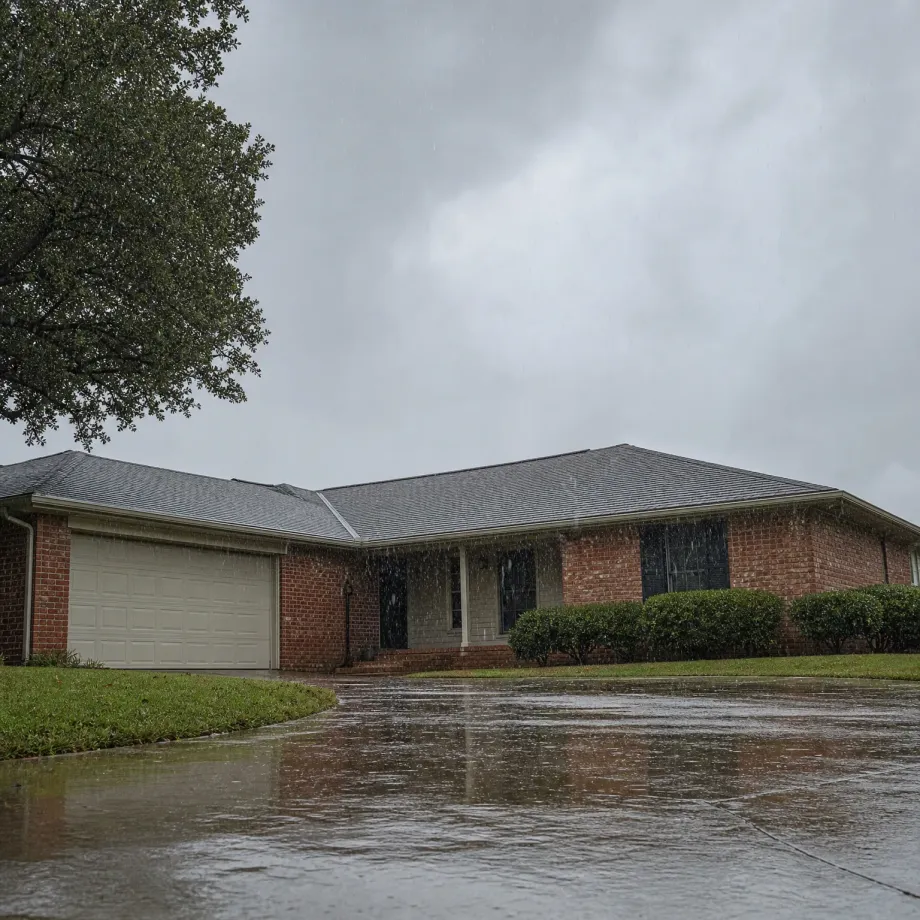
A furnace repair call in Morris County usually comes down to age or neglect, not weather. 40 severe weather events were recorded in Morris County, Texas between 2015 and 2024. At that rate, most systems here have seen little of what the area's worst days can deliver, so a contractor opening a failed furnace is looking at heat exchangers stressed by years of normal cycling, filters that went too long without changing, or components that simply wore out on schedule. Weather is not what drives the diagnostic here.
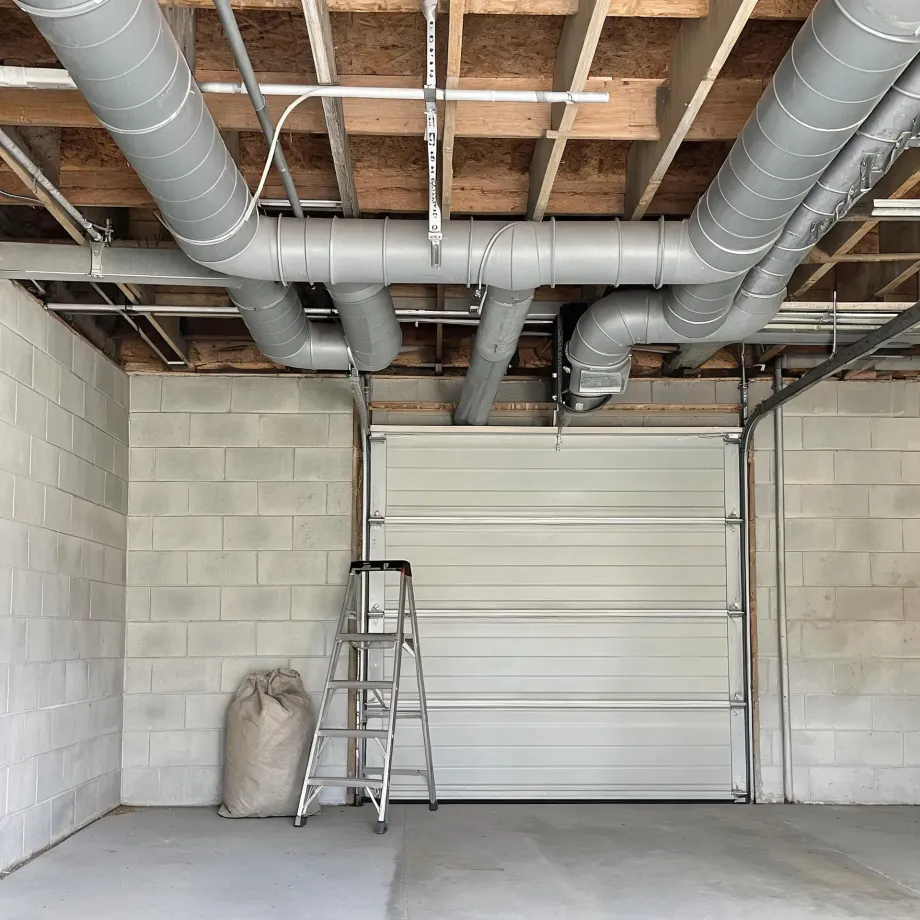
Ductwork and wiring in a house tell you when the building went up. The furnace running inside it tells you something else. Half the homes in Morris County, Texas were built in 1975 or earlier (2020-2024 ACS 5-year). What that gap means for a repair job is that once a contractor opens a heat exchanger or pulls a control board, the parts it needs may belong to a line that manufacturers stopped supporting years back. A contractor quotes the repair after checking component availability, not before, because a discontinued part changes the job entirely.
The Parts of a Furnace a Contractor Checks First
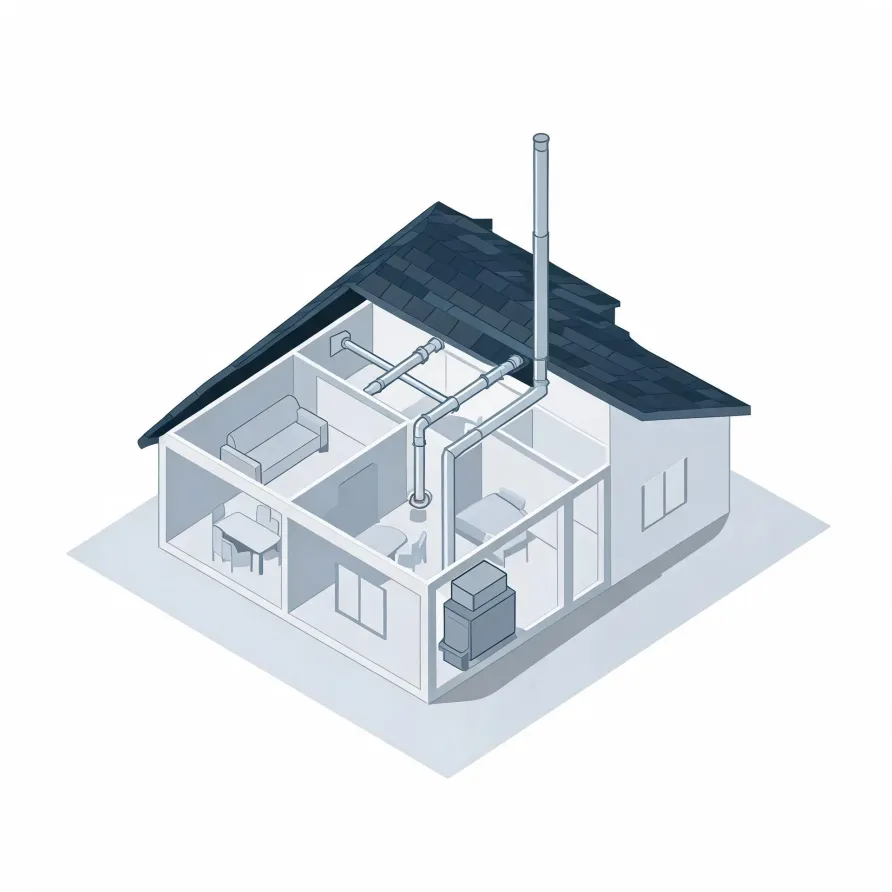
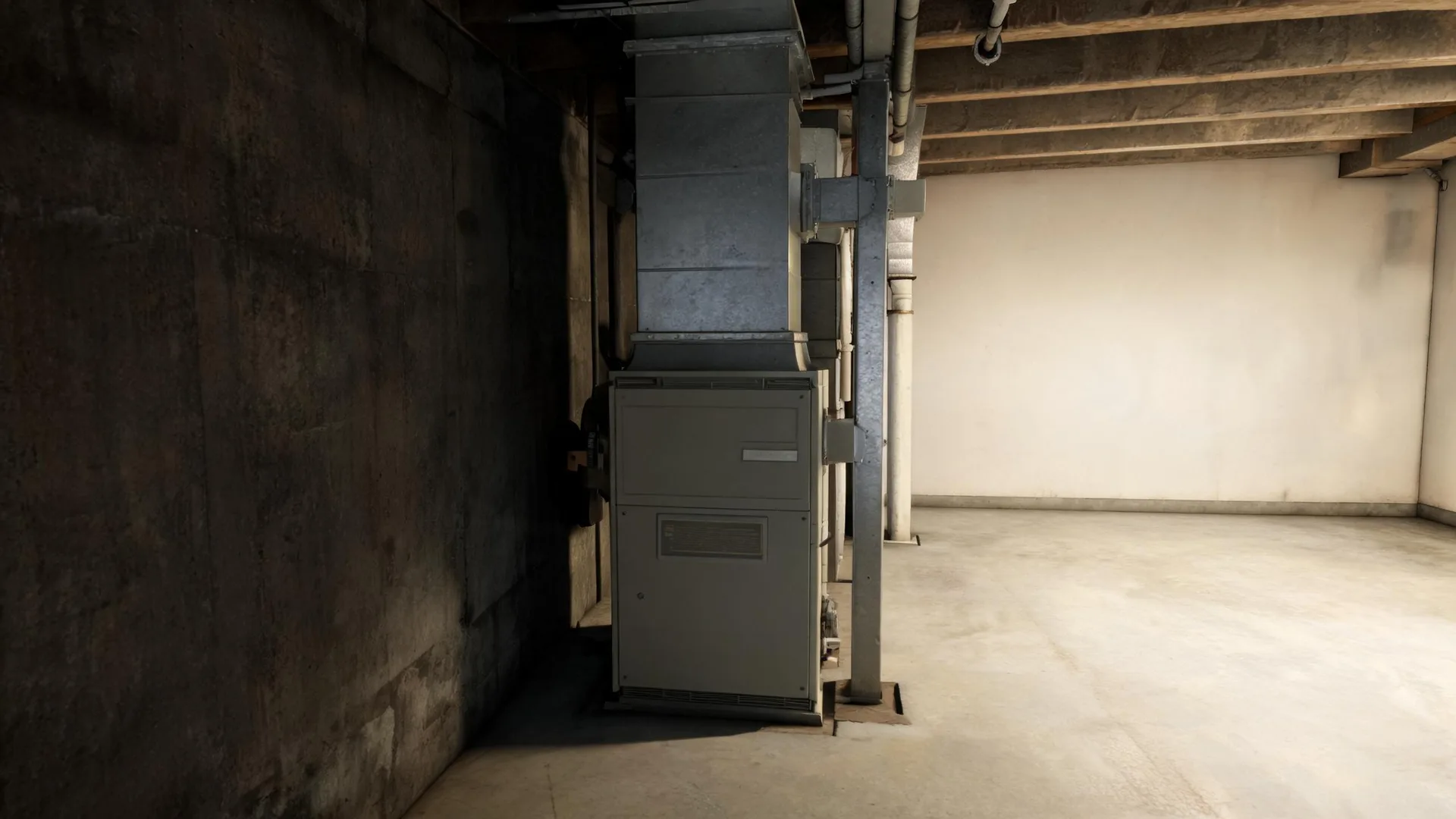
The heat exchanger sits at the core of the furnace cabinet, inside the air handler in your utility space, basement, or closet. It is the piece the contractor looks at early because a crack or failure there is what stops the furnace from doing its job safely. The burners feed directly into it, and a problem with either one shows up as no heat or uneven heat through the house.
The blower motor and its fan wheel pull air across the heat exchanger and push it into the supply side of your duct system. The igniter and flame sensor sit near the burners and are the first things a contractor checks when the furnace fails to start or shuts off before the house reaches temperature. The control board ties all of it together and is where a contractor reads fault codes when the system misbehaves.
The drawing shows a general layout of these components, and a licensed contractor determines which parts apply and what condition they are in for your specific equipment.
Find a contractor in Morris CountyMorris County, TX, by the numbers
40 severe weather events were recorded in Morris County, Texas between 2015 and 2024.
NOAA National Centers for Environmental Information, Storm Events Database, bulk CSV export, events 2015-01-01 through 2024-12-31.Half the homes in Morris County, Texas were built in 1975 or earlier (2020-2024 ACS 5-year).
U.S. Census Bureau, 2020-2024 American Community Survey 5-Year EstimatesMorris County, Texas holds 5,821 housing units (2020-2024 ACS 5-year).
U.S. Census Bureau, 2020-2024 American Community Survey 5-Year EstimatesOwners occupy 73.9% of the occupied homes in Morris County, Texas (2020-2024 ACS 5-year).
U.S. Census Bureau, 2020-2024 American Community Survey 5-Year EstimatesCodes & Standards Behind Furnace Repair in Morris County, Texas5 rules & standards
What Happens When a Contractor Comes Out
Non-weatherized gas furnaces manufactured on or after November 19, 2015 must reach 80.0 percent AFUE.
Non-weatherized oil-fired furnaces manufactured on or after November 19, 2015 must reach 83.0 percent AFUE.
Mobile home gas furnaces manufactured on or after November 19, 2015 must reach 80.0 percent AFUE.
Non-weatherized gas furnaces manufactured on or after December 18, 2028 must reach 95.0 percent AFUE, up from the 80.0 percent minimum that applies to units manufactured before that date.
Licensing and Legal Requirements in Morris County, Texas
In Texas a person may not engage in air conditioning and refrigeration contracting unless that person holds a license issued under the state air conditioning and refrigeration contractor law.
Severe Weather Events in Morris County
Extreme weather puts real stress on furnace systems, cycling them hard through temperature swings they were not sized to ignore. How much of that stress a furnace absorbs depends on where it sits, and Morris County has its own weather record.
40 severe weather events, 2015–2024. Source: NOAA National Centers for Environmental Information, Storm Events Database.