Tell us about the job
Takes about a minute. No obligation.
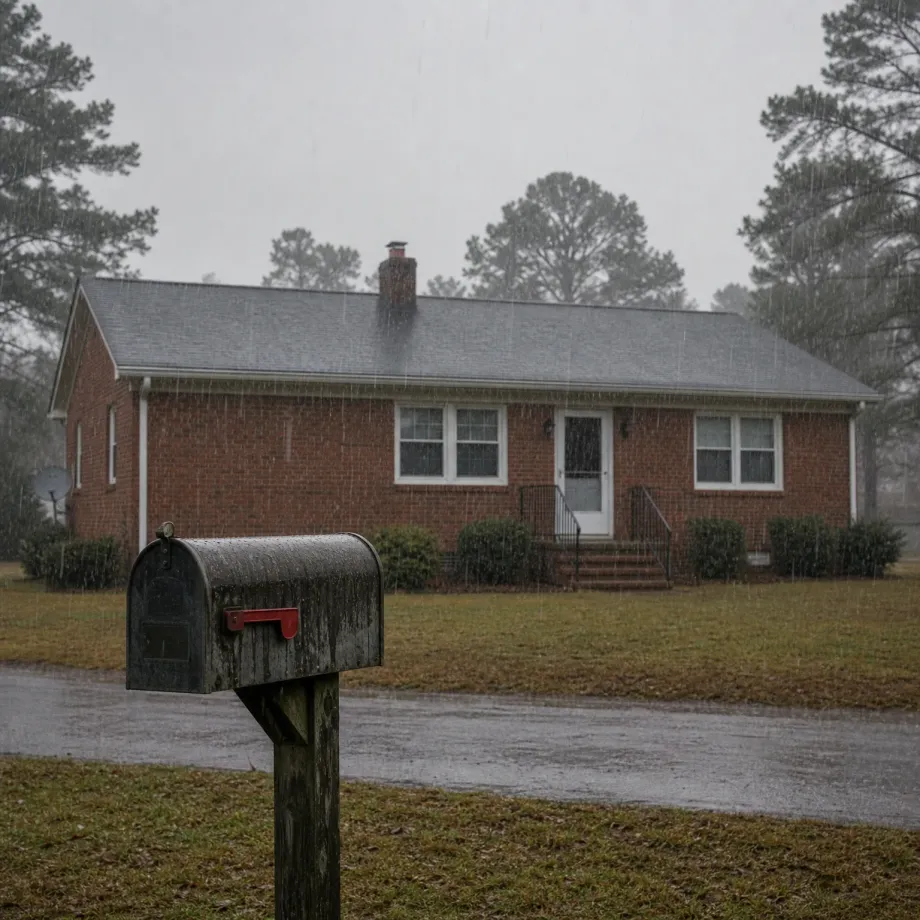
A contractor quoting a furnace repair in Marion County has to work out what actually wore the system down before they can say what needs replacing. 61 severe weather events were recorded in Marion County, Texas between 2015 and 2024. At that rate, severe weather is an event here rather than a grinding constant, which means the stress that kills heat exchangers, igniters, and blower motors in this county comes mainly from age, installation quality, and how well the system was maintained. A contractor who blames weather stress is usually wrong about the cause.
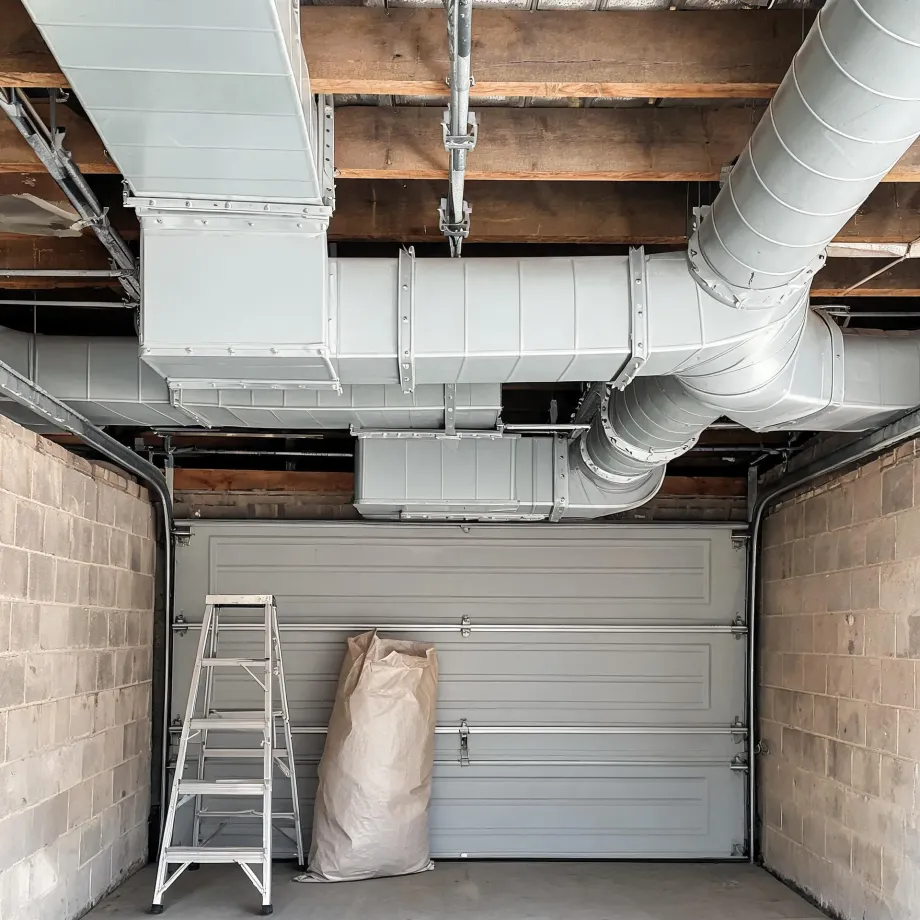
Furnaces in houses this old tend to accumulate failures that only show up once a technician gets inside: cracked heat exchangers, worn igniters, heat-stressed blower motors that look functional until they are not. Half the homes in Marion County, Texas were built in 1981 or earlier (2020-2024 ACS 5-year). That vintage of housing has cycled through enough Texas winters that what a furnace looks like from the outside is a poor guide to what it will take to restore heat. A contractor quotes the repair from what the opened unit actually contains, not from the age on the permit.
The Parts of a Furnace a Contractor Checks First
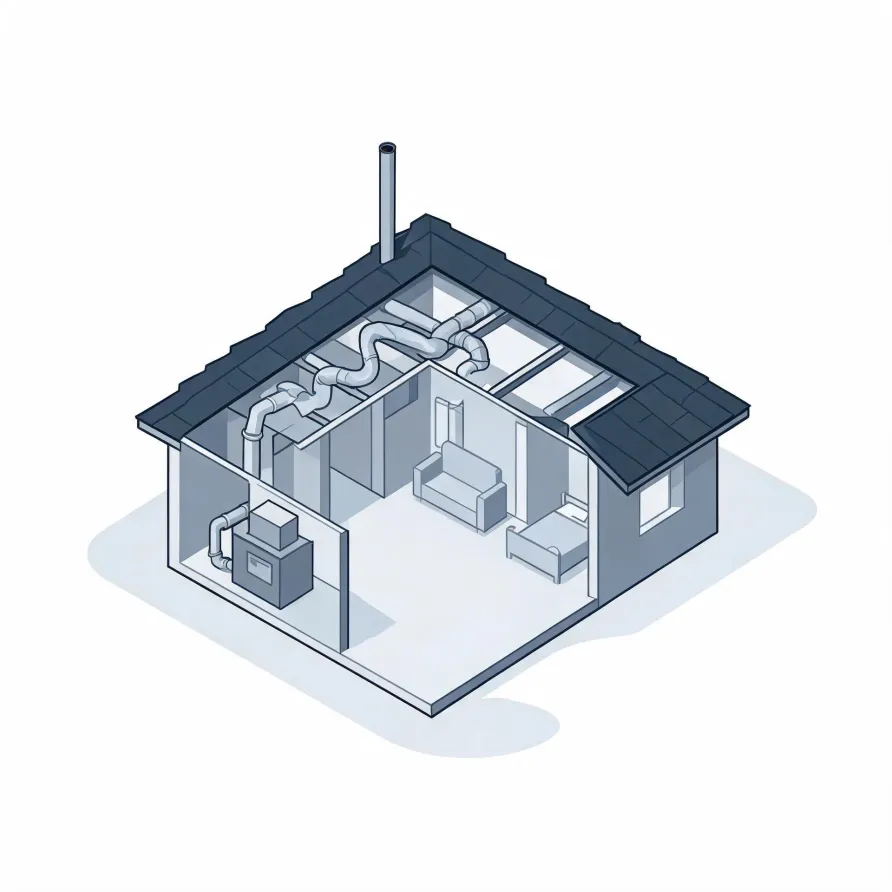
The furnace itself sits in a utility space, basement, or closet and is the piece that generates heat. Inside it, the heat exchanger is the part a contractor looks at closely during a repair call. Cracks or failures there affect both performance and safety, which is why it is an early stop in any diagnosis.
The blower motor pulls air across the heat exchanger and pushes it into the supply side of the house. The burner assembly, the igniter, and the flame sensor all sit inside the furnace cabinet and work together to start and sustain combustion. When a furnace short-cycles, runs but produces no heat, or fails to start, one of those components is where a contractor begins.
The drawing shows a typical furnace layout, and a licensed contractor determines what applies to your specific system and home.
Find a contractor in Marion CountyMarion County, Texas, by the numbers
61 severe weather events were recorded in Marion County, Texas between 2015 and 2024.
NOAA National Centers for Environmental Information, Storm Events Database, bulk CSV export, events 2015-01-01 through 2024-12-31.Half the homes in Marion County, Texas were built in 1981 or earlier (2020-2024 ACS 5-year).
U.S. Census Bureau, 2020-2024 American Community Survey 5-Year EstimatesMarion County, Texas holds 5,623 housing units (2020-2024 ACS 5-year).
U.S. Census Bureau, 2020-2024 American Community Survey 5-Year EstimatesOwners occupy 78.5% of the occupied homes in Marion County, Texas (2020-2024 ACS 5-year).
U.S. Census Bureau, 2020-2024 American Community Survey 5-Year EstimatesCodes & Standards Governing Furnace Repair in Marion County, Texas5 sourced rules and standards
What Happens When the Contractor Comes Out
Non-weatherized gas furnaces manufactured on or after November 19, 2015 must reach 80.0 percent AFUE.
Non-weatherized oil-fired furnaces manufactured on or after November 19, 2015 must reach 83.0 percent AFUE.
Mobile home gas furnaces manufactured on or after November 19, 2015 must reach 80.0 percent AFUE.
Non-weatherized gas furnaces manufactured on or after December 18, 2028 must reach 95.0 percent AFUE, up from the 80.0 percent minimum that applies to units manufactured before that date.
Licensing and Legal Requirements in Marion County, Texas
In Texas a person may not engage in air conditioning and refrigeration contracting unless that person holds a license issued under the state air conditioning and refrigeration contractor law.
Severe Weather Events in Marion County
Weather puts real hours on heating equipment. Every hard weather event a furnace survives means stress on heat exchangers, igniters, and controls, and in Marion County that accumulated load is what shapes local repair demand.
61 severe weather events, 2015–2024. Source: NOAA National Centers for Environmental Information, Storm Events Database.