Tell us about the job
Takes about a minute. No obligation.
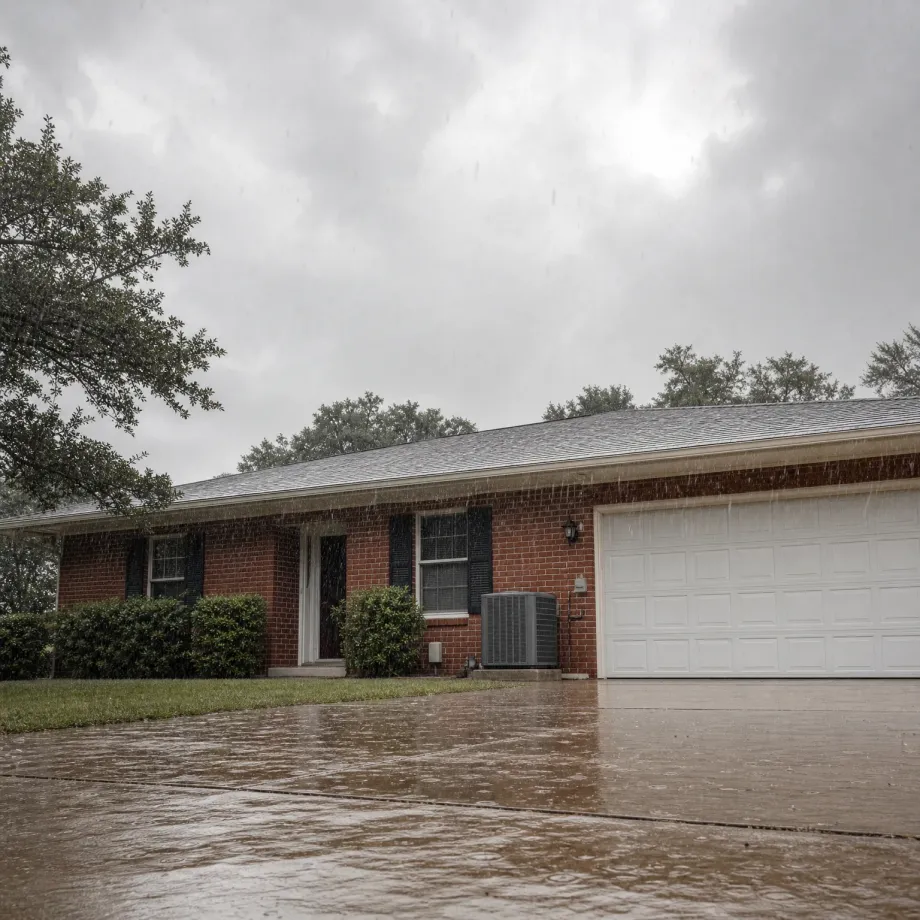
A furnace repair in Titus County starts with the equipment itself, not the weather outside. 60 severe weather events were recorded in Titus County, Texas between 2015 and 2024. At that rate, severe weather is an occasional event in a system's life, not a steady load wearing components down season after season. A contractor diagnosing a failed heat exchanger, a cracked inducer, or a failed ignitor here is looking at years of normal cycling, filter neglect, or an undersized original install. The weather record does not explain it.
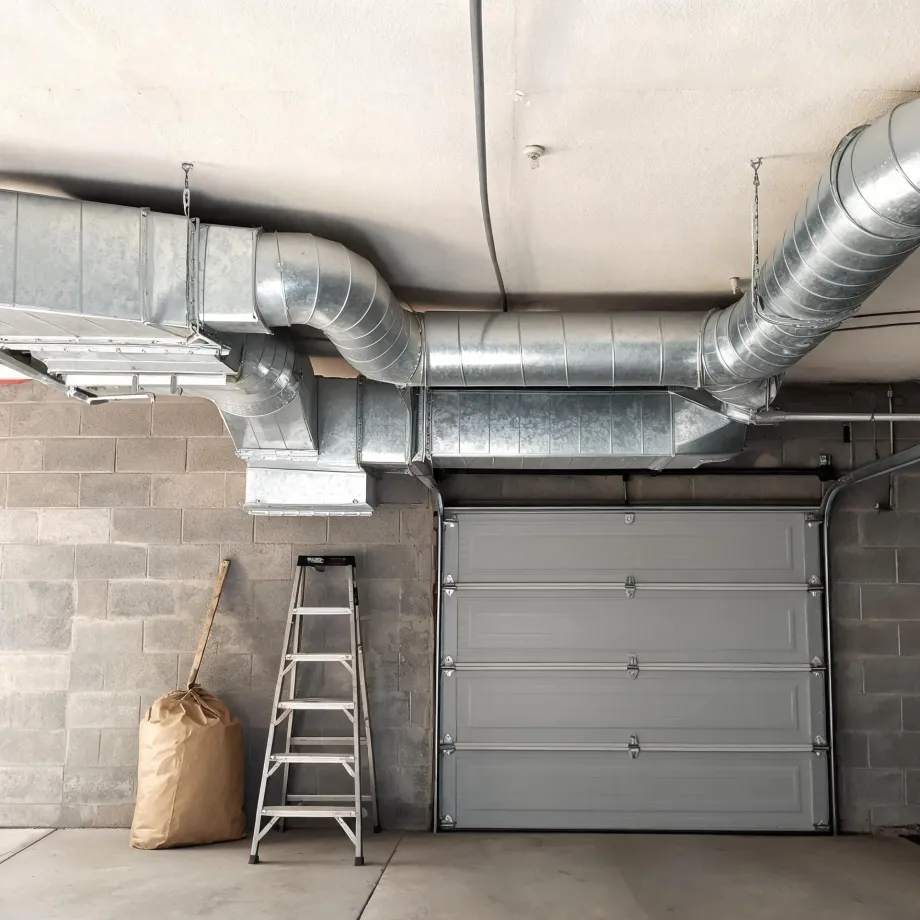
Furnaces running in houses built decades before the equipment inside them was installed have often been serviced repeatedly, with components swapped across different repair generations. Half the homes in Titus County, Texas were built in 1985 or earlier (2020-2024 ACS 5-year). What a contractor finds once the heat exchanger or control board is open may be a configuration that takes parts on a short supply list, or a blend of components from different service visits that narrows the repair path further. A quote for furnace repair here depends less on what broke than on what the opened system turns out to require and whether a supplier still stocks it.
The Parts of a Furnace a Contractor Checks First
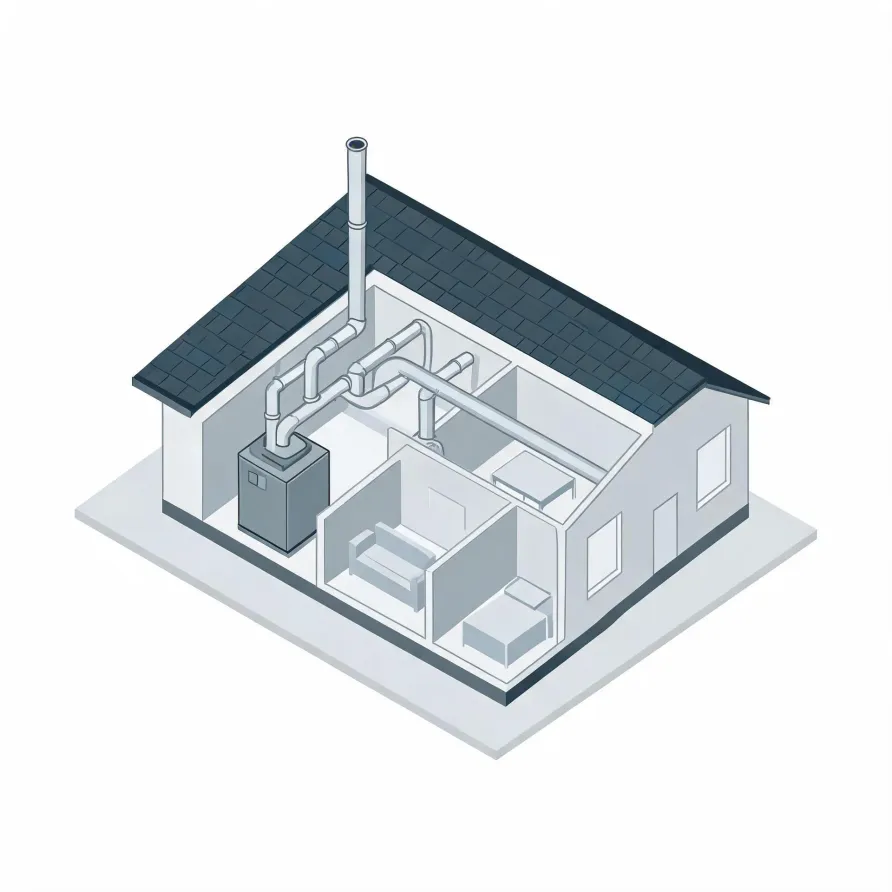
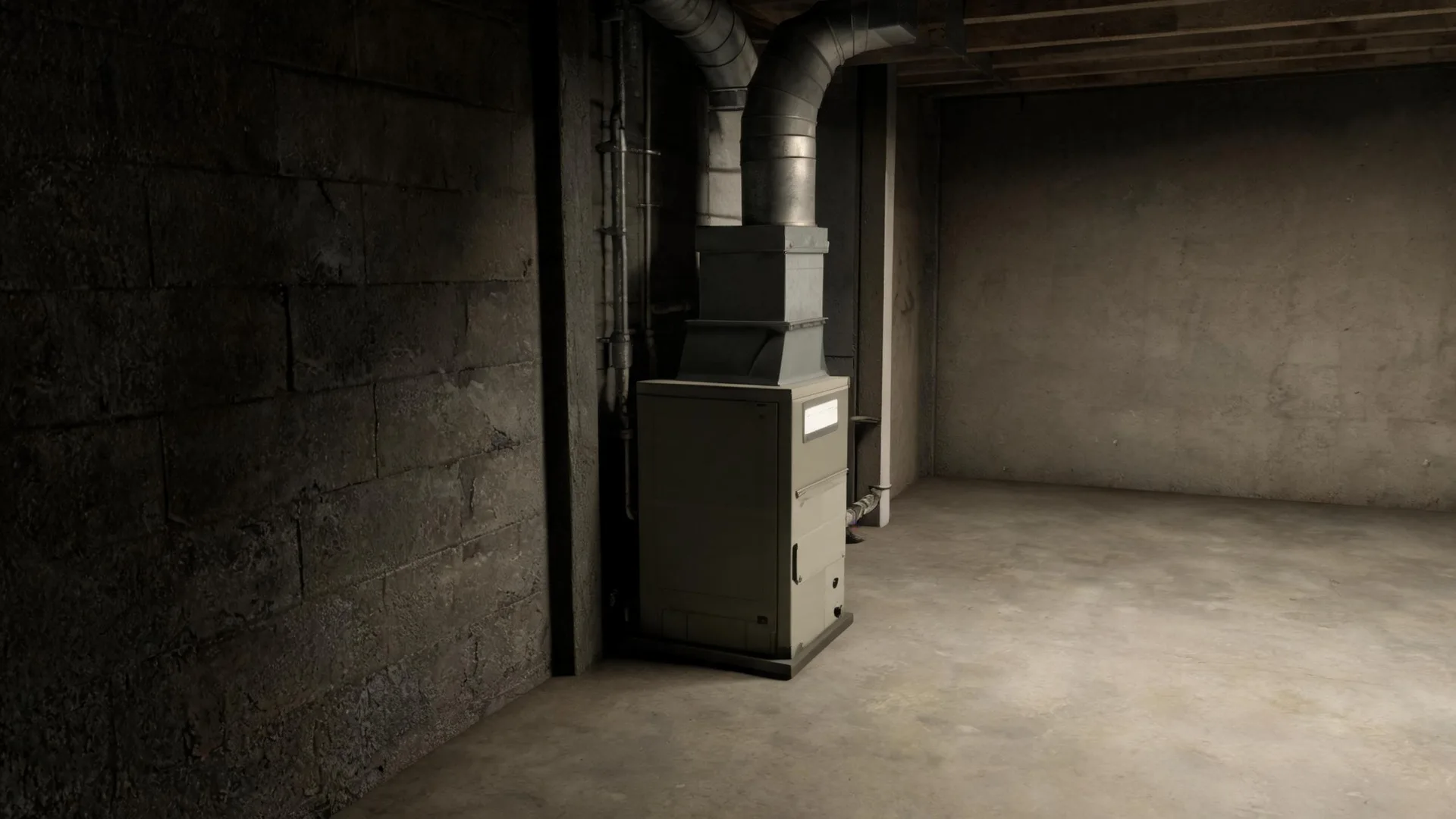
The heat exchanger sits inside the furnace cabinet in the utility room or closet and is where combustion heat transfers to the air supply. When it cracks or corrodes, the furnace often short-cycles or trips a safety shutoff. The burners, which sit just below it, are where a contractor looks when the furnace fails to ignite or runs with an uneven flame.
The blower motor and its fan wheel sit at the base of the cabinet and push conditioned air into the duct system. A failed capacitor, a seized bearing, or a worn belt will stop that airflow cold. The control board and the flame sensor both sit inside the cabinet as well, and either one can cause ignition failures or unexplained shutdowns that point away from the burners themselves.
The drawing shows the general layout of a furnace system, and a licensed contractor determines which components apply to the specific unit and installation in your home.
Find a contractor in Titus CountyTitus County, by the numbers
60 severe weather events were recorded in Titus County, Texas between 2015 and 2024.
NOAA National Centers for Environmental Information, Storm Events Database, bulk CSV export, events 2015-01-01 through 2024-12-31.Half the homes in Titus County, Texas were built in 1985 or earlier (2020-2024 ACS 5-year).
U.S. Census Bureau, 2020-2024 American Community Survey 5-Year EstimatesTitus County, Texas holds 12,146 housing units (2020-2024 ACS 5-year).
U.S. Census Bureau, 2020-2024 American Community Survey 5-Year EstimatesOwners occupy 70.6% of the occupied homes in Titus County, Texas (2020-2024 ACS 5-year).
U.S. Census Bureau, 2020-2024 American Community Survey 5-Year EstimatesCodes & Licensing That Apply to Furnace Repair in Titus County, Texas5 sourced rules and standards
What the repair visit looks like
Non-weatherized gas furnaces manufactured on or after November 19, 2015 must reach 80.0 percent AFUE.
Non-weatherized oil-fired furnaces manufactured on or after November 19, 2015 must reach 83.0 percent AFUE.
Mobile home gas furnaces manufactured on or after November 19, 2015 must reach 80.0 percent AFUE.
Non-weatherized gas furnaces manufactured on or after December 18, 2028 must reach 95.0 percent AFUE, up from the 80.0 percent minimum that applies to units manufactured before that date.
Licensing and Legal Requirements in Titus County, Texas
In Texas a person may not engage in air conditioning and refrigeration contracting unless that person holds a license issued under the state air conditioning and refrigeration contractor law.
Severe Weather Events in Titus County
Weather puts direct stress on heating equipment: hard swings in outdoor conditions push furnaces to run longer, cycle more, and wear faster. How often that pressure lands on equipment in Titus County shapes how much repair work the furnaces here actually need.
60 severe weather events, 2015–2024. Source: NOAA National Centers for Environmental Information, Storm Events Database.