Tell us about the job
Takes about a minute. No obligation.
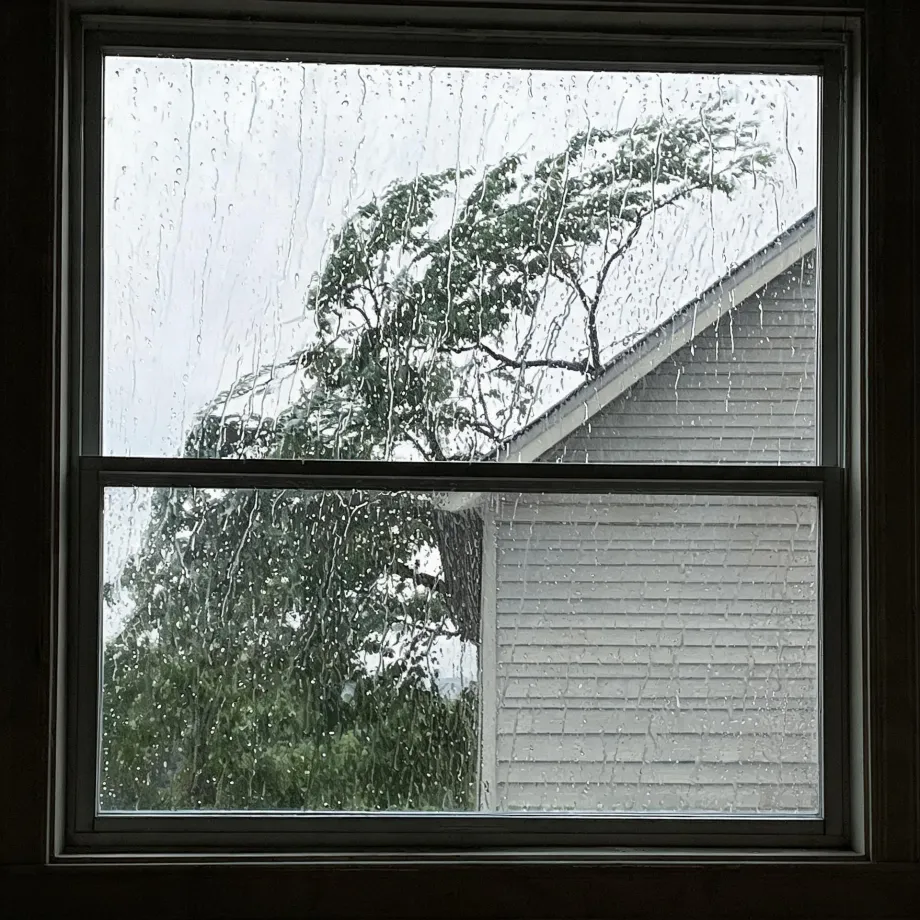
A furnace repair in Coleman County starts with a question a contractor has to answer before they can write a scope: did this part fail because the system has been working hard, or because it wore out on its own schedule? 140 severe weather events were recorded in Coleman County, Texas between 2015 and 2024. At that rate, severe weather is a standing condition here, not an occasional one, and the stress it puts on heat exchangers, igniters, and limit switches accumulates season after season. A contractor who skips that question and replaces the obvious broken part may miss the load-related wear that will take out the next one.
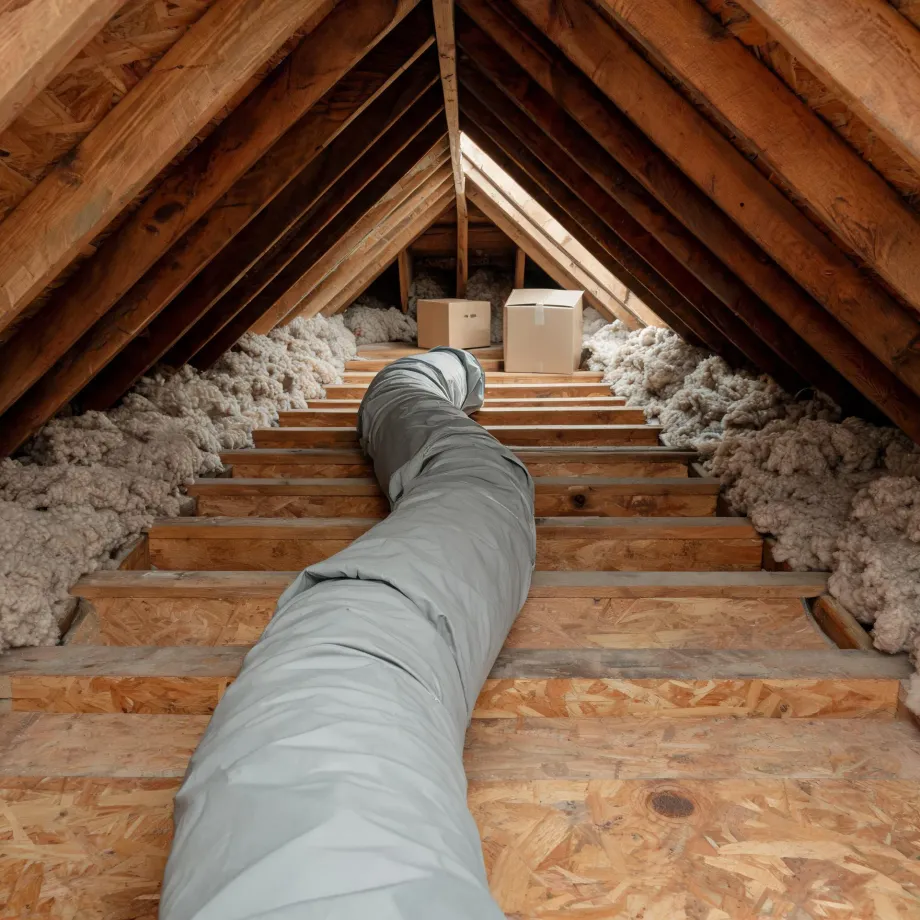
Furnaces in housing stock this old have been heating the same spaces through decades of cycling, and what that history produces inside the unit is specific: cracked heat exchangers, corroded burner assemblies, and wear that a contractor cannot assess from the outside. Half the homes in Coleman County, Texas were built in 1966 or earlier (2020-2024 ACS 5-year). A repair call here often starts as one thing and becomes another once the cabinet is open, because parts under that kind of long-term thermal stress fail in ways that only show once a contractor is looking directly at them. Whether the needed components are still in supply for a system of that vintage is a separate question the contractor has to answer before a repair scope is final.
The Parts of a Furnace a Contractor Checks First
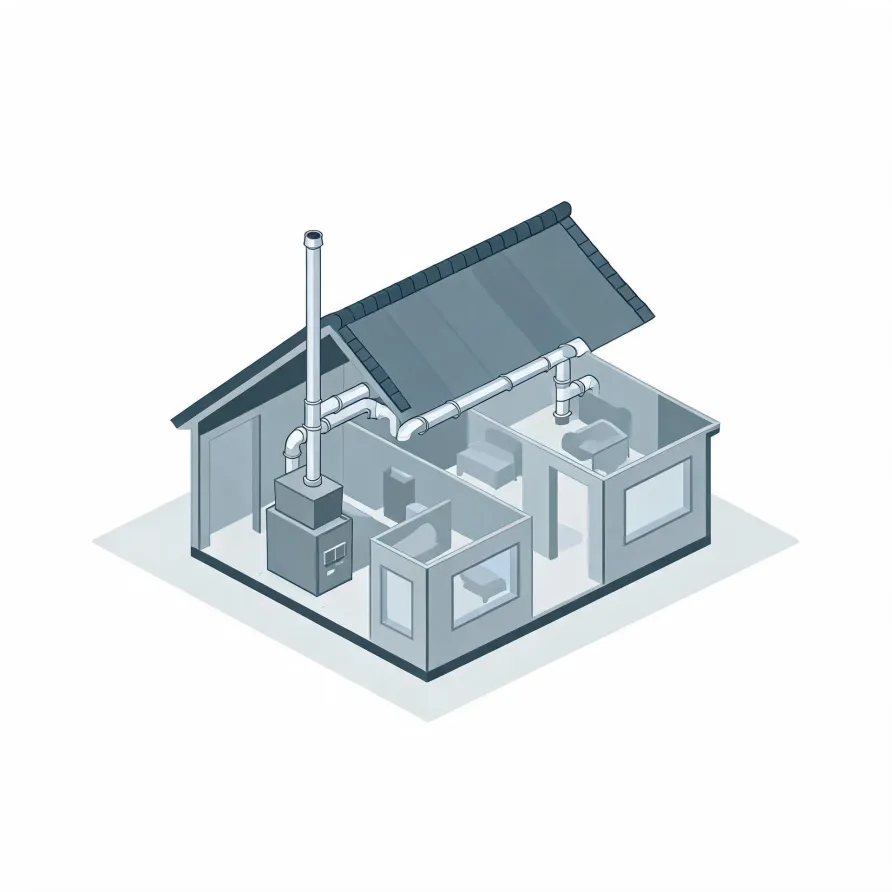
The heat exchanger sits inside the furnace cabinet in the utility room or closet and is the piece a contractor goes to early when a furnace runs but does not warm the house. The burners fire beneath it, and the blower motor pulls conditioned air across it. A fault in any of those three parts shows up fast in how the system performs.
The flue pipe runs from the cabinet up and out of the house, carrying combustion gases away. The igniter and flame sensor sit near the burners and are common points of failure when a furnace refuses to start or shuts off shortly after it does. The filter housing, usually accessible at the cabinet door, is the first place a contractor looks when airflow is restricted.
The drawing shows the general layout of a furnace system, and a licensed contractor determines which parts apply to the specific equipment and configuration in your house.
Get matched in Coleman CountyColeman County, by the numbers
140 severe weather events were recorded in Coleman County, Texas between 2015 and 2024.
NOAA National Centers for Environmental Information, Storm Events Database, bulk CSV export, events 2015-01-01 through 2024-12-31.Half the homes in Coleman County, Texas were built in 1966 or earlier (2020-2024 ACS 5-year).
U.S. Census Bureau, 2020-2024 American Community Survey 5-Year EstimatesColeman County, Texas holds 4,899 housing units (2020-2024 ACS 5-year).
U.S. Census Bureau, 2020-2024 American Community Survey 5-Year EstimatesOwners occupy 77.2% of the occupied homes in Coleman County, Texas (2020-2024 ACS 5-year).
U.S. Census Bureau, 2020-2024 American Community Survey 5-Year EstimatesCodes & Standards Governing Furnace Repair in Coleman County, Texas5 sourced rules & standards
What Happens When a Contractor Comes Out
Non-weatherized gas furnaces manufactured on or after November 19, 2015 must reach 80.0 percent AFUE.
Non-weatherized oil-fired furnaces manufactured on or after November 19, 2015 must reach 83.0 percent AFUE.
Mobile home gas furnaces manufactured on or after November 19, 2015 must reach 80.0 percent AFUE.
Non-weatherized gas furnaces manufactured on or after December 18, 2028 must reach 95.0 percent AFUE, up from the 80.0 percent minimum that applies to units manufactured before that date.
Licensing Rules for HVAC Repair in Coleman County, Texas
In Texas a person may not engage in air conditioning and refrigeration contracting unless that person holds a license issued under the state air conditioning and refrigeration contractor law.
Severe Weather Events in Coleman County
Weather extremes put real load on heating equipment, and Coleman County's conditions are not the same as what a contractor two counties over deals with. What the local record shows matters when you are trying to understand why a furnace fails and how hard replacement parts and repairs have to work.
140 severe weather events, 2015–2024. Source: NOAA National Centers for Environmental Information, Storm Events Database.