Tell us about the job
Takes about a minute. No obligation.
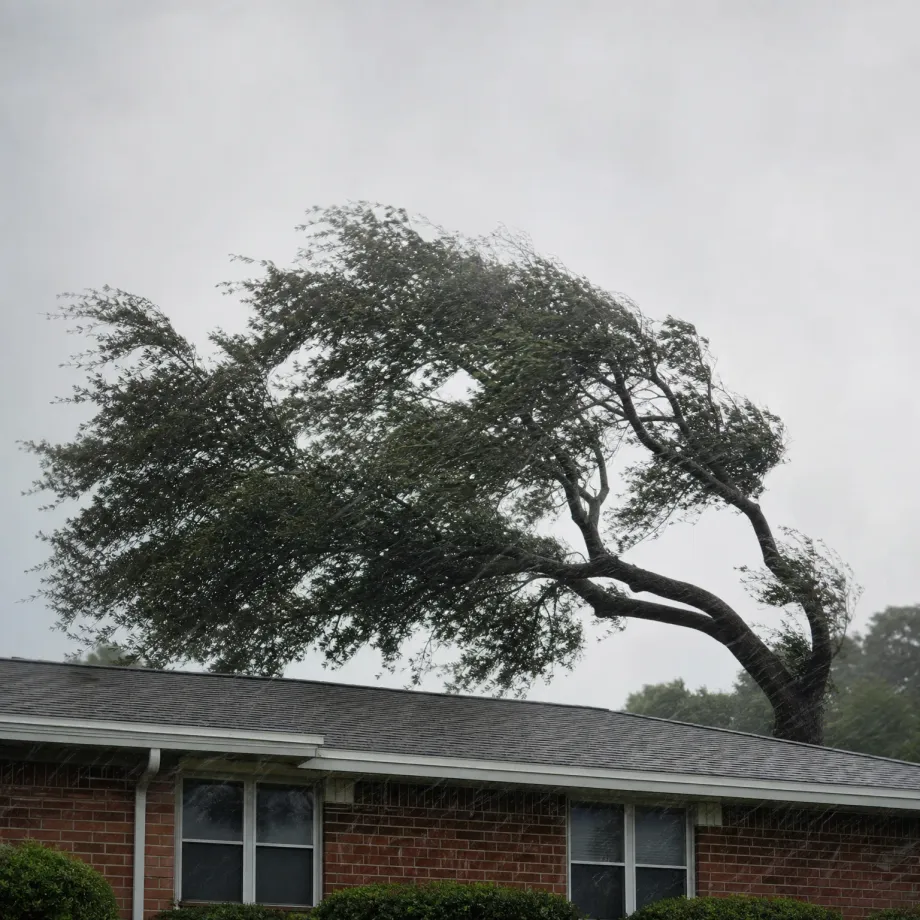
A furnace that breaks down in Concho County has most likely been worn out by years of ordinary use, not by weather. 55 severe weather events were recorded in Concho County, Texas between 2015 and 2024. At that rate, severe weather is an event a system may encounter a handful of times across its service life, not a steady grind on components. A contractor diagnosing a failed heat exchanger or a cracked igniter here looks first at filter history, burner condition, and how long the unit has been running, because those are what actually account for most failures in an area where extreme conditions arrive infrequently.
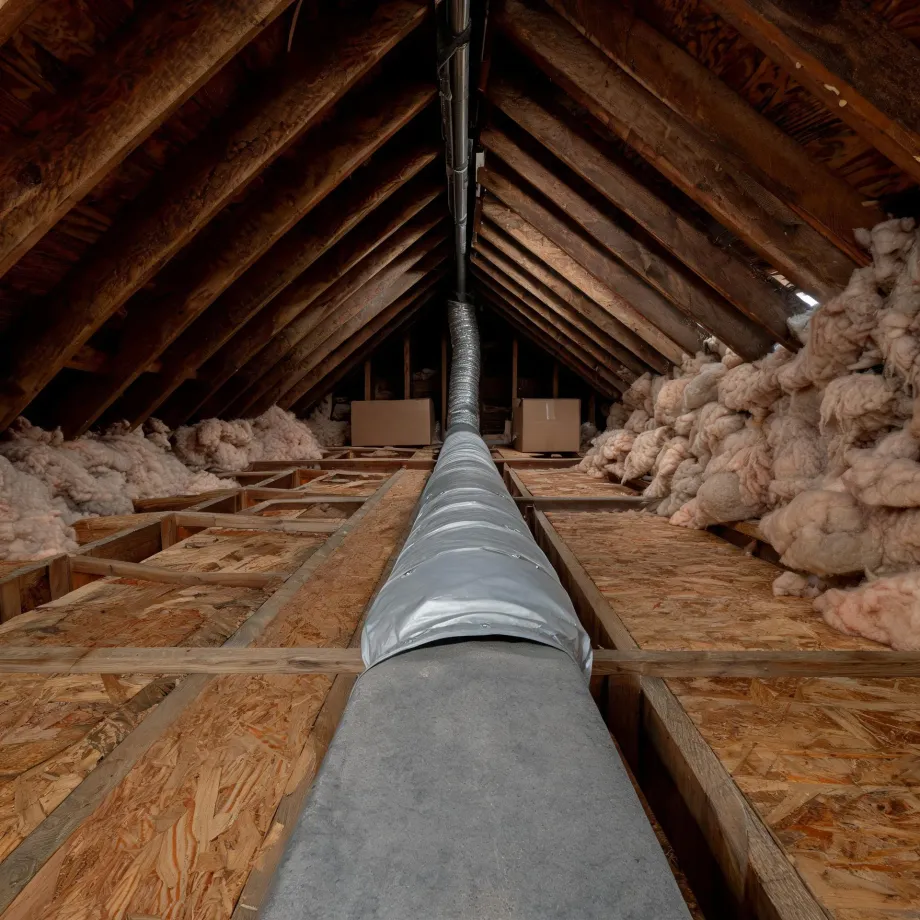
Furnaces in housing this old accumulate a history of field repairs, owner replacements, and mismatched parts that a contractor cannot see until the cabinet is open. Half the homes in Concho County, Texas were built in 1973 or earlier (2020-2024 ACS 5-year). That span between when these houses were built and what is running in them now means the internal components a contractor finds may not match what the original unit called for, and some of what they do find has been out of production long enough that sourcing a replacement takes real work. The repair scope on a given job here is set by what is actually inside, not by the model number on the door.
The Parts of a Furnace a Contractor Checks First
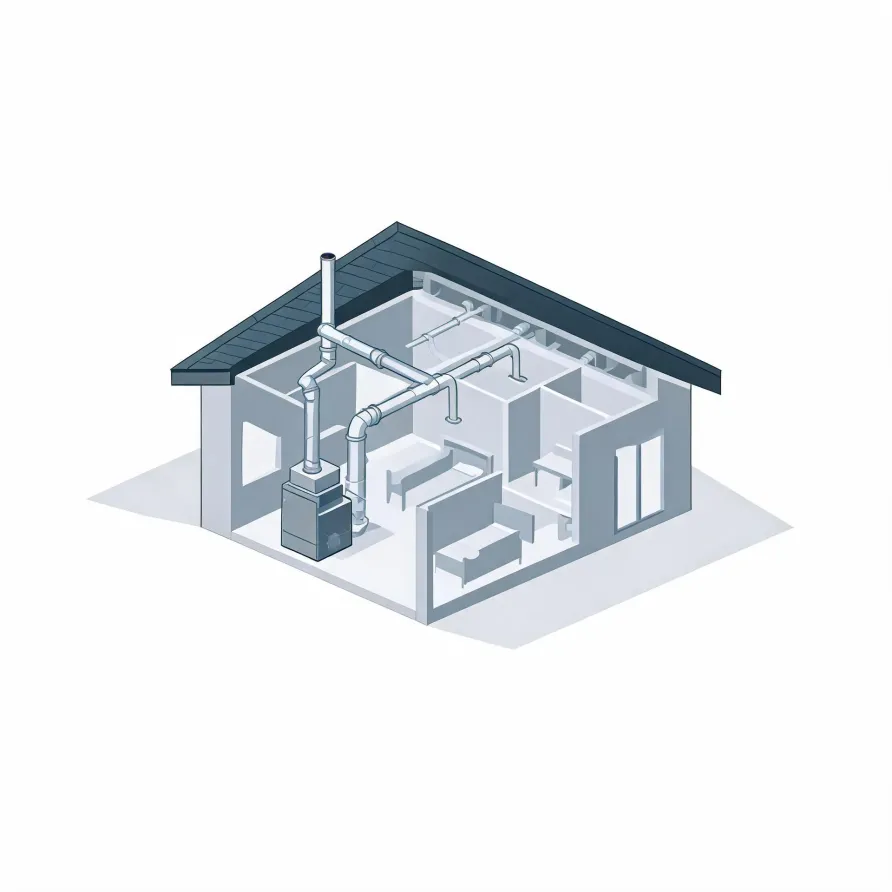
The furnace itself sits in a utility closet, basement, or garage and is the unit a contractor opens first. Inside it, the heat exchanger is the piece most worth checking: it is the metal chamber where combustion heats the air that moves through your home, and a crack or breach there is a serious fault. The burners, which fire inside that exchanger, are another early stop when heat output drops or the unit cycles oddly.
The blower motor sits at the base of the furnace cabinet and pushes conditioned air into the supply side of your duct system. Alongside it, the flue pipe runs from the top or back of the unit to an exterior wall or roof and carries combustion gases out of the house. The thermostat on your wall ties it all together, sending the signal that starts and stops every cycle.
The drawing shows a typical layout, and a licensed contractor determines what applies to the specific equipment and configuration in your home.
Get matched in Concho CountyConcho County, by the record
55 severe weather events were recorded in Concho County, Texas between 2015 and 2024.
NOAA National Centers for Environmental Information, Storm Events Database, bulk CSV export, events 2015-01-01 through 2024-12-31.Half the homes in Concho County, Texas were built in 1973 or earlier (2020-2024 ACS 5-year).
U.S. Census Bureau, 2020-2024 American Community Survey 5-Year EstimatesConcho County, Texas holds 1,414 housing units (2020-2024 ACS 5-year).
U.S. Census Bureau, 2020-2024 American Community Survey 5-Year EstimatesOwners occupy 80.5% of the occupied homes in Concho County, Texas (2020-2024 ACS 5-year).
U.S. Census Bureau, 2020-2024 American Community Survey 5-Year EstimatesCodes & Standards Governing Furnace Repair in Concho County, Texas5 sourced rules & standards
What Furnace Repair Looks Like in Concho County
Non-weatherized gas furnaces manufactured on or after November 19, 2015 must reach 80.0 percent AFUE.
Non-weatherized oil-fired furnaces manufactured on or after November 19, 2015 must reach 83.0 percent AFUE.
Mobile home gas furnaces manufactured on or after November 19, 2015 must reach 80.0 percent AFUE.
Non-weatherized gas furnaces manufactured on or after December 18, 2028 must reach 95.0 percent AFUE, up from the 80.0 percent minimum that applies to units manufactured before that date.
Licensing Rules for HVAC Repair in Concho County, Texas
In Texas a person may not engage in air conditioning and refrigeration contracting unless that person holds a license issued under the state air conditioning and refrigeration contractor law.
Severe Weather Events in Concho County
Extreme weather puts real load on heating equipment, and furnaces that cycle hard through storms wear differently than those that do not. How often conditions push a system past its comfort range is a local question, and the answer shapes what repair work looks like here.
55 severe weather events, 2015–2024. Source: NOAA National Centers for Environmental Information, Storm Events Database.