Tell us about the job
Takes about a minute. No obligation.
A furnace breaking down in Jim Wells County is rarely a weather story. 47 severe weather events were recorded in Jim Wells County, Texas between 2015 and 2024. At that rate, severe weather is an event a system might see a handful of times across its life, not a steady grind that wears components down season after season. A contractor diagnosing a failed heat exchanger or a burned-out ignitor here will check installation quality and filter maintenance before anything else, because those are what the equipment's history actually shows.
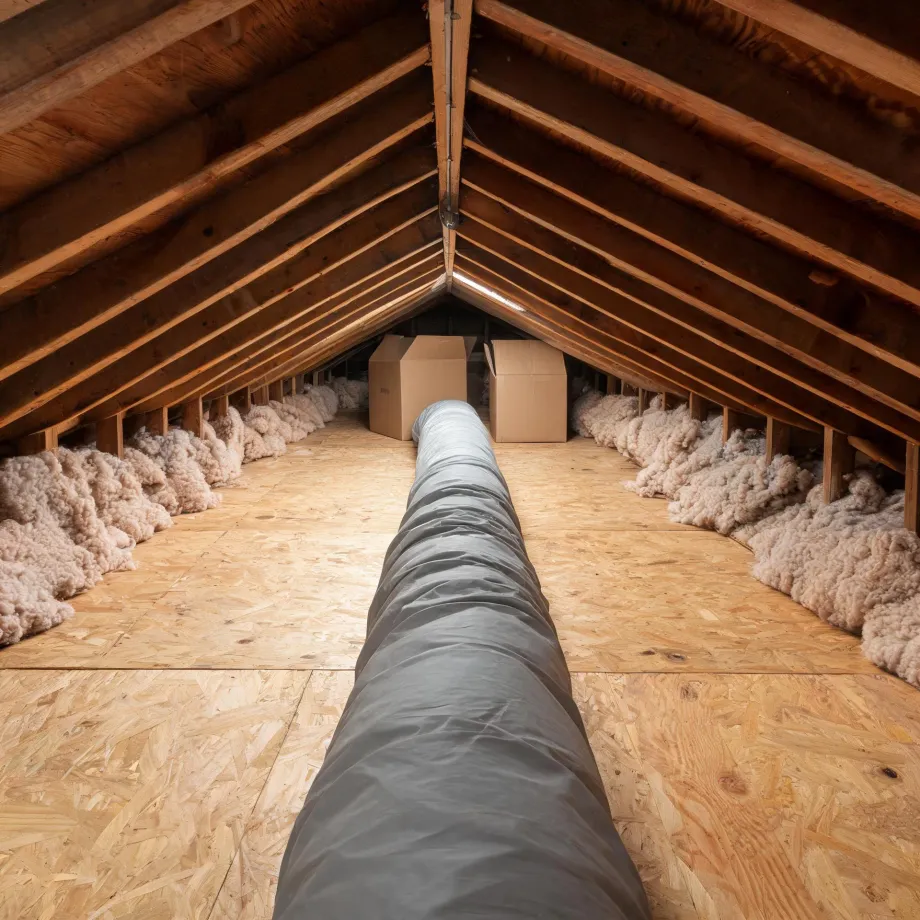
Furnaces in houses built for an earlier era of equipment have often been replaced once or more since, which means the unit running today may sit well outside the current production window for parts. Half the homes in Jim Wells County, Texas were built in 1981 or earlier (2020-2024 ACS 5-year). When a contractor opens a furnace here, the question that shapes the job is whether the heat exchanger, igniter, or control board it needs can still be sourced, or whether the repair becomes a conversation about a different path entirely. A part on back-order or discontinued changes the bill and the timeline in ways the age of the house alone never predicts.
The Parts of a Furnace a Contractor Checks First
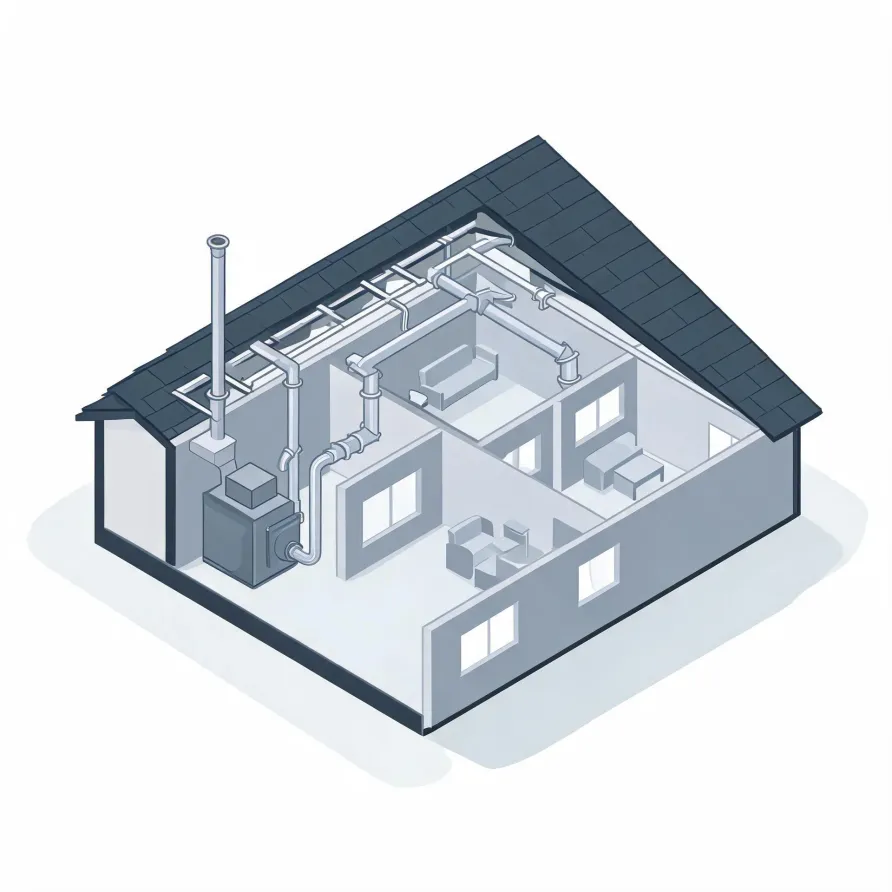
The heat exchanger sits inside the furnace cabinet and is the part a contractor examines closely when a furnace is producing strange smells, uneven heat, or no heat at all. The burner assembly, which sits just below it, is where ignition starts. A failed igniter or a dirty burner is often the first place a contractor looks when the furnace runs but produces no warmth.
The blower motor and its wheel sit at the base of the cabinet and push conditioned air out through the supply side of the system. The control board rides inside the cabinet as well and tells every other component when to act. When a furnace short-cycles, runs the fan continuously, or throws an error code, the board and the associated sensors are what a contractor reads.
The drawing shows the general layout of a furnace system, and a licensed contractor determines which components apply to the specific unit and installation in your home.
Get matched in Jim Wells CountyJim Wells County, by the numbers
47 severe weather events were recorded in Jim Wells County, Texas between 2015 and 2024.
NOAA National Centers for Environmental Information, Storm Events Database, bulk CSV export, events 2015-01-01 through 2024-12-31.Half the homes in Jim Wells County, Texas were built in 1981 or earlier (2020-2024 ACS 5-year).
U.S. Census Bureau, 2020-2024 American Community Survey 5-Year EstimatesJim Wells County, Texas holds 16,229 housing units (2020-2024 ACS 5-year).
U.S. Census Bureau, 2020-2024 American Community Survey 5-Year EstimatesOwners occupy 68.5% of the occupied homes in Jim Wells County, Texas (2020-2024 ACS 5-year).
U.S. Census Bureau, 2020-2024 American Community Survey 5-Year EstimatesCodes & Standards Covering Furnace Repair in Jim Wells County, Texas5 sourced rules and standards
What HVAC Repair Looks Like in Jim Wells County
Non-weatherized gas furnaces manufactured on or after November 19, 2015 must reach 80.0 percent AFUE.
Non-weatherized oil-fired furnaces manufactured on or after November 19, 2015 must reach 83.0 percent AFUE.
Mobile home gas furnaces manufactured on or after November 19, 2015 must reach 80.0 percent AFUE.
Non-weatherized gas furnaces manufactured on or after December 18, 2028 must reach 95.0 percent AFUE, up from the 80.0 percent minimum that applies to units manufactured before that date.
Licensing and Legal Requirements in Jim Wells County, Texas
In Texas a person may not engage in air conditioning and refrigeration contracting unless that person holds a license issued under the state air conditioning and refrigeration contractor law.
Severe Weather Events in Jim Wells County
Extreme weather puts real hours on a furnace. Each weather event logged here represents a condition that forces heating equipment to work harder, fail sooner, or need attention that fair-weather operation never demands.
47 severe weather events, 2015–2024. Source: NOAA National Centers for Environmental Information, Storm Events Database.