
Tell us about the job
Takes about a minute. No obligation.
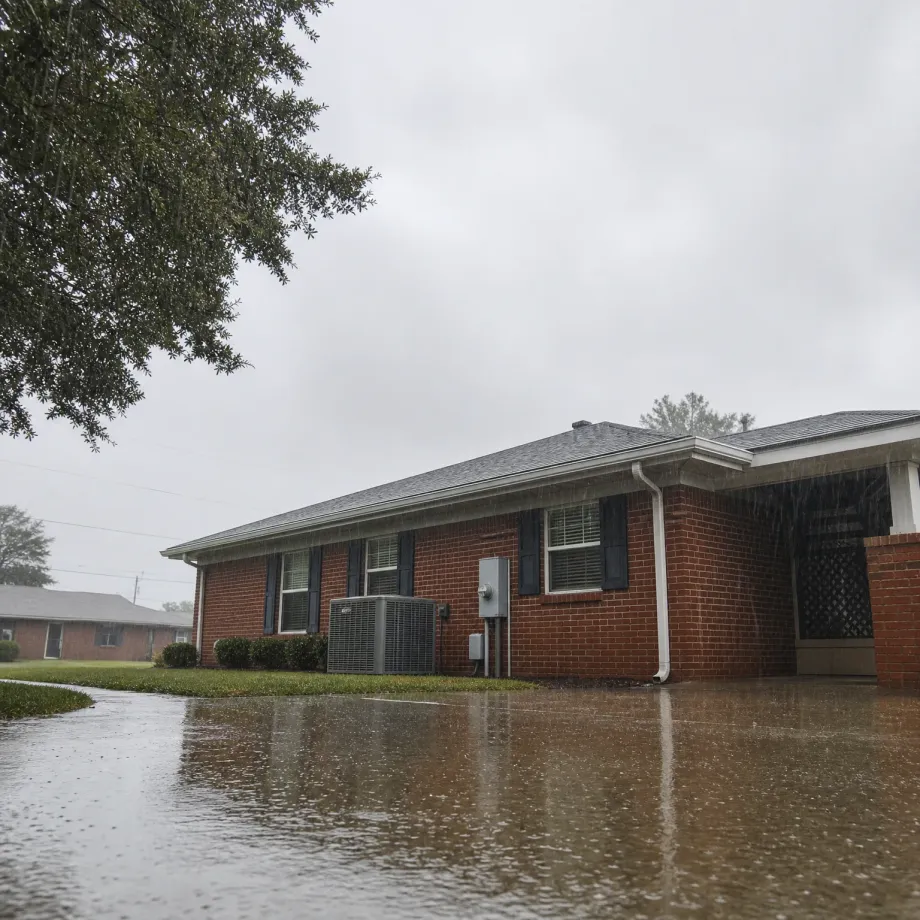
A contractor called out to a furnace repair in Lamar County does not get to skip the fundamentals. 89 severe weather events were recorded in Lamar County, Texas between 2015 and 2024. At that rate, severe weather is a real part of the load this equipment has carried, but it is not frequent enough to be the first explanation a contractor reaches for when a heat exchanger cracks or a control board fails. Age, filter history, and whether the original install was sized right tend to answer those questions. A contractor who jumps straight to storm load without checking those first is leaving the actual cause on the table.
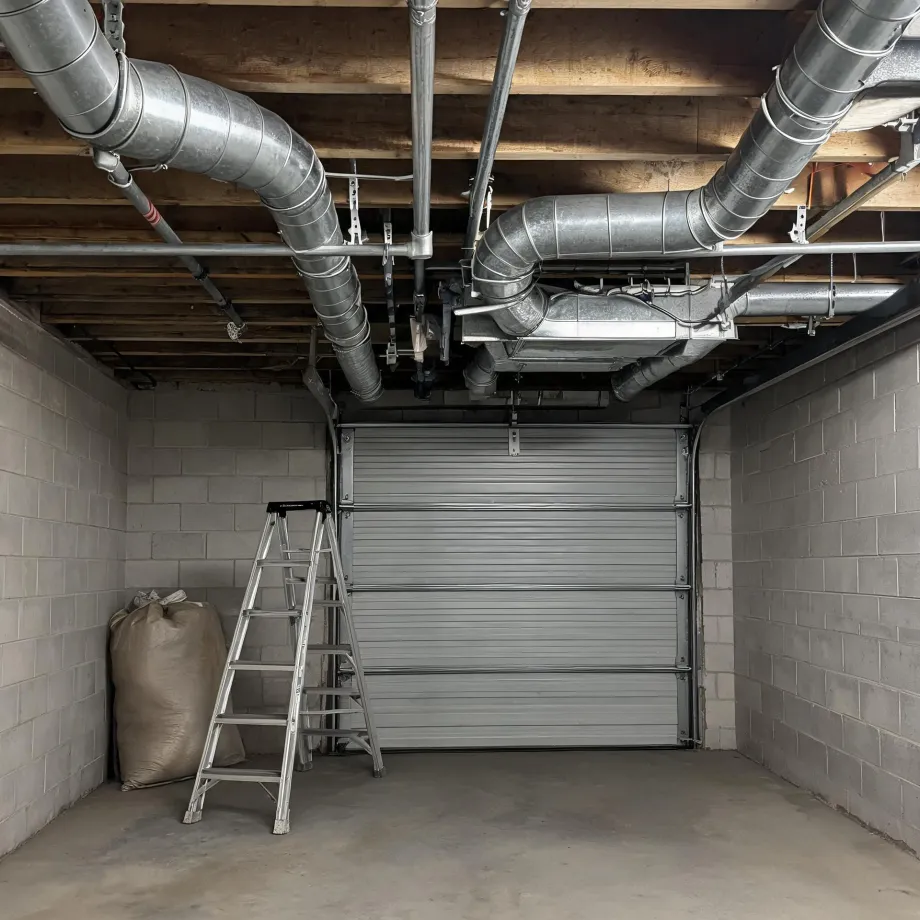
Furnace parts for systems in older housing are where the repair scope gets decided. Half the homes in Lamar County, Texas were built in 1987 or earlier (2020-2024 ACS 5-year). A unit installed in a house of that vintage may have run through one or more replacement cycles already, and the question a contractor opens the equipment to answer is whether what it needs is still made and in what form. If the part is available, the repair is straightforward. If the manufacturer has discontinued it or the only sources are salvage, the scope changes before a quote can be written.
The Parts of a Furnace a Contractor Checks First
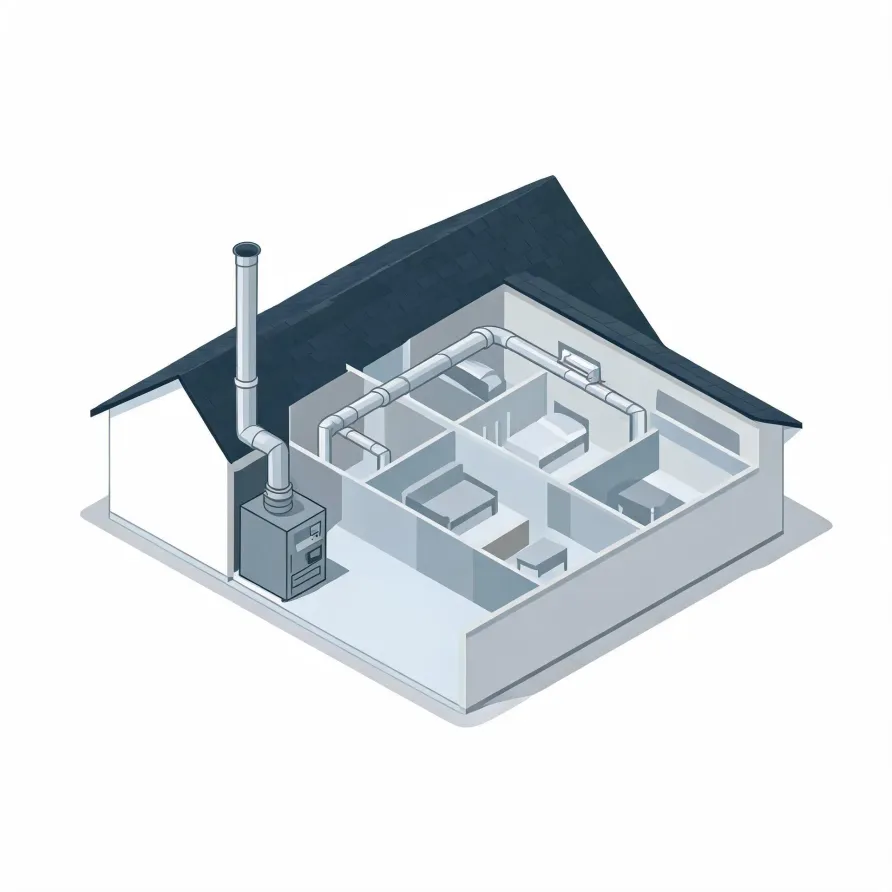
The heat exchanger sits at the core of the furnace cabinet in the utility room, basement, or closet where the unit lives. It is the metal chamber that gets hot and warms the air moving through it. When it cracks or corrodes, combustion gases can enter the living space, so a contractor looks at it closely. The burners feed into it and are checked at the same time.
The blower motor and its fan wheel sit at the base of the cabinet and push conditioned air out through the supply side of the duct system. The inducer motor pulls exhaust gases out through the flue. The control board runs the sequencing of all of it, and a failed board can mimic symptoms that belong to other parts, which is why contractors test it before replacing anything else.
The drawing shows a typical furnace layout, and a licensed contractor will determine which parts apply to the specific unit and installation in your home.
Find a contractor in Lamar CountyLamar County, by the numbers
89 severe weather events were recorded in Lamar County, Texas between 2015 and 2024.
NOAA National Centers for Environmental Information, Storm Events Database, bulk CSV export, events 2015-01-01 through 2024-12-31.Half the homes in Lamar County, Texas were built in 1987 or earlier (2020-2024 ACS 5-year).
U.S. Census Bureau, 2020-2024 American Community Survey 5-Year EstimatesLamar County, Texas holds 22,824 housing units (2020-2024 ACS 5-year).
U.S. Census Bureau, 2020-2024 American Community Survey 5-Year EstimatesOwners occupy 66.1% of the occupied homes in Lamar County, Texas (2020-2024 ACS 5-year).
U.S. Census Bureau, 2020-2024 American Community Survey 5-Year EstimatesCodes & Standards Governing Furnace Repair in Lamar County, Texas5 sourced rules and standards
What Happens During Furnace Repair in Lamar County
Non-weatherized gas furnaces manufactured on or after November 19, 2015 must reach 80.0 percent AFUE.
Non-weatherized oil-fired furnaces manufactured on or after November 19, 2015 must reach 83.0 percent AFUE.
Mobile home gas furnaces manufactured on or after November 19, 2015 must reach 80.0 percent AFUE.
Non-weatherized gas furnaces manufactured on or after December 18, 2028 must reach 95.0 percent AFUE, up from the 80.0 percent minimum that applies to units manufactured before that date.
Licensing and Legal Requirements in Lamar County, Texas
In Texas a person may not engage in air conditioning and refrigeration contracting unless that person holds a license issued under the state air conditioning and refrigeration contractor law.
Severe Weather Events in Lamar County
Extreme weather puts real load on furnaces, running them harder and longer than steady conditions do. How much of that pressure Lamar County equipment absorbs is a local fact, and it shapes what repair work looks like here.
89 severe weather events, 2015–2024. Source: NOAA National Centers for Environmental Information, Storm Events Database.