Tell us about the job
Takes about a minute. No obligation.
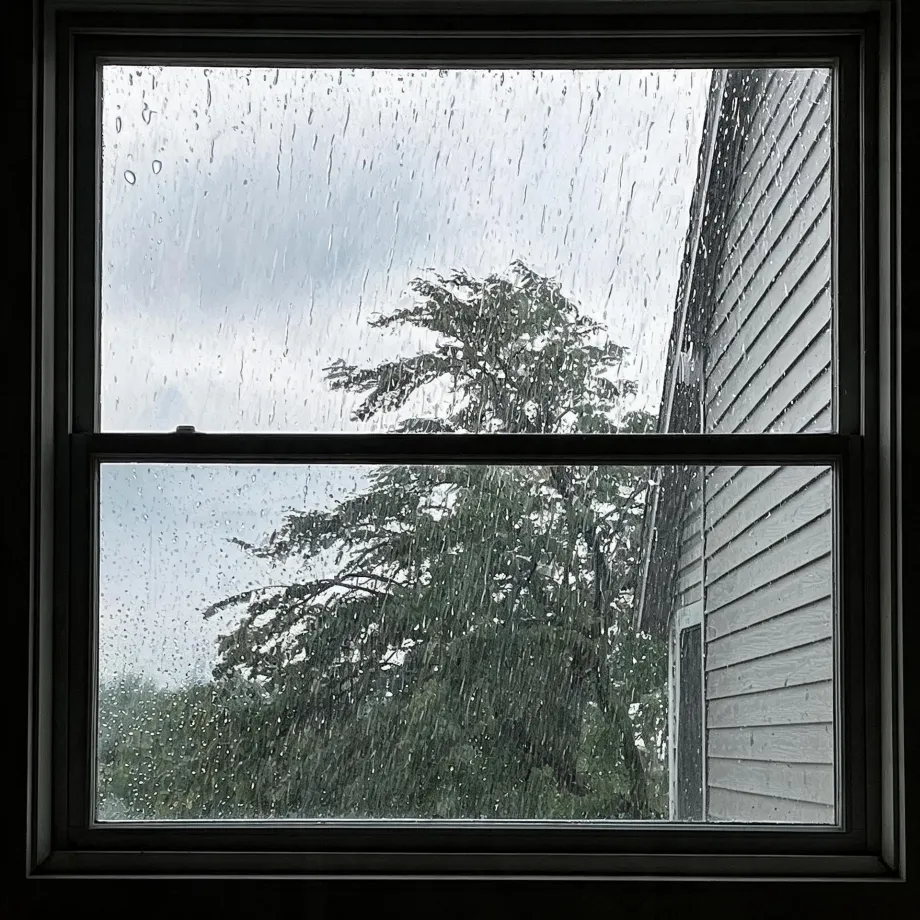
Furnace repair in Denton County starts with what the equipment has already been through. 523 severe weather events were recorded in Denton County, Texas between 2015 and 2024. At that rate, severe weather is a standing feature of operating here, and contractors expect to find wear on ignitors, heat exchangers, and control boards that reflects a system working against real seasonal stress rather than routine age alone. A homeowner getting a diagnosis or a repair quote should expect the contractor to account for that load before settling on a cause.
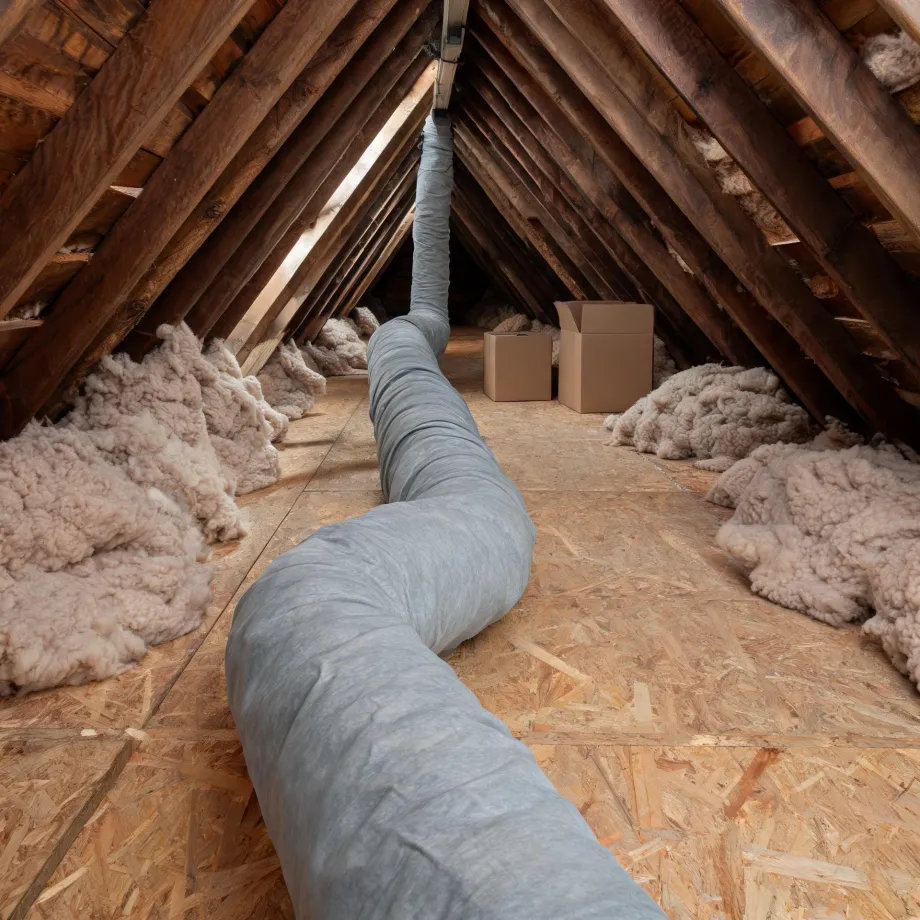
Forced-air heating was already standard practice when most of this county's housing went up. Half the homes in Denton County, Texas were built in 2003 or earlier (2020-2024 ACS 5-year). That means a contractor opening a furnace here is dealing with a house whose ductwork and electrical were built for a system like the one it holds, and the outcome of the repair turns on what the opened unit actually contains: whether the heat exchanger, igniter, or control board has failed, and whether the manufacturer still supplies that part. A house this age is rarely the constraint. The part is.
The Parts of a Furnace a Contractor Checks First
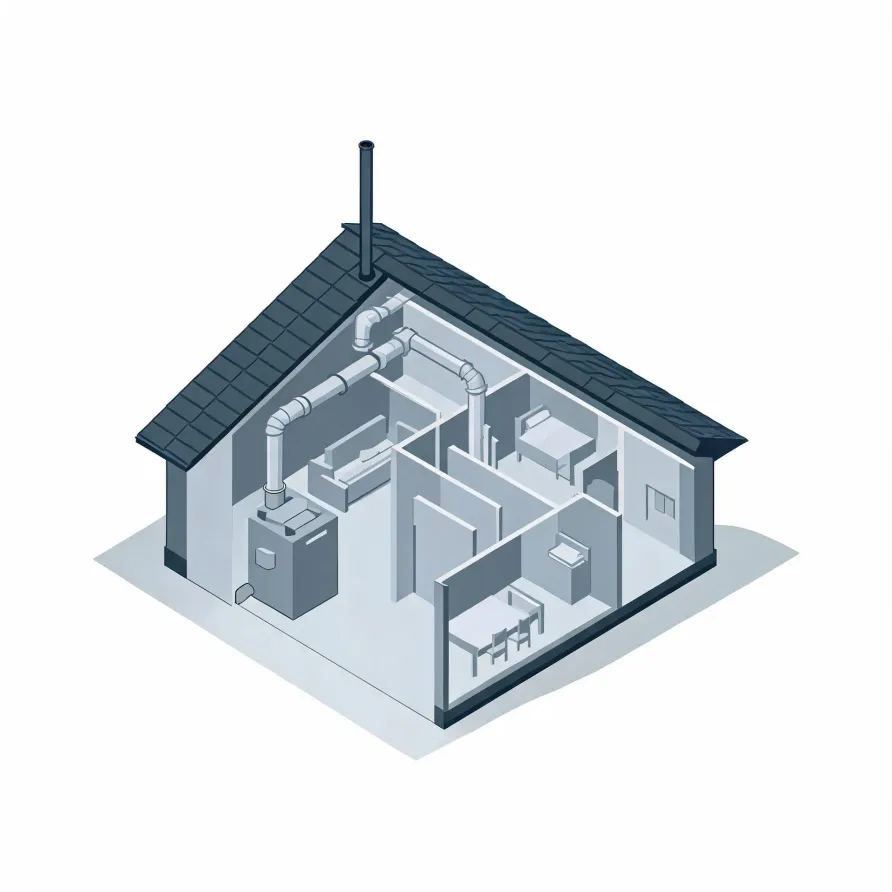
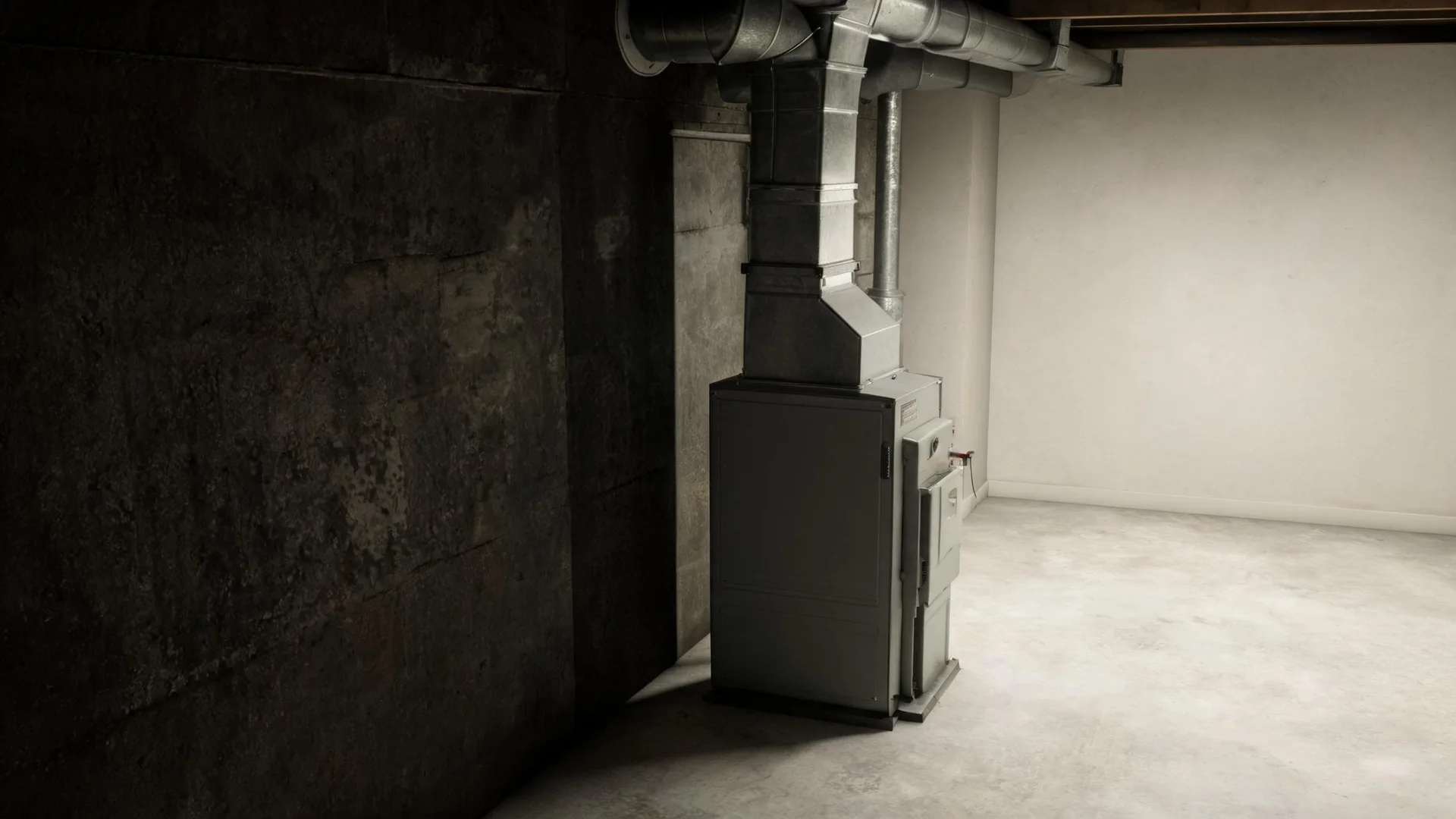
The furnace itself sits in a utility closet, basement, or garage and is the piece most likely to be the source of trouble. Inside it, the heat exchanger transfers heat to the air moving through your home, and a cracked or corroded exchanger is one of the first things a contractor looks at. The burners, which fire inside that exchanger, are checked for even flame and signs of fouling.
The blower motor sits at the base of the furnace cabinet and pushes conditioned air into the supply side of your home. The flue or exhaust vent runs from the cabinet to an outside termination point and carries combustion gases out. The igniter and flame sensor sit near the burners and are common starting points when a furnace runs briefly or refuses to start.
The drawing shows the general layout of a furnace system, and a licensed contractor determines what applies to your specific house and equipment.
Get matched in Denton CountyDenton County by the numbers
523 severe weather events were recorded in Denton County, Texas between 2015 and 2024.
NOAA National Centers for Environmental Information, Storm Events Database, bulk CSV export, events 2015-01-01 through 2024-12-31.Half the homes in Denton County, Texas were built in 2003 or earlier (2020-2024 ACS 5-year).
U.S. Census Bureau, 2020-2024 American Community Survey 5-Year EstimatesDenton County, Texas holds 376,754 housing units (2020-2024 ACS 5-year).
U.S. Census Bureau, 2020-2024 American Community Survey 5-Year EstimatesOwners occupy 65.5% of the occupied homes in Denton County, Texas (2020-2024 ACS 5-year).
U.S. Census Bureau, 2020-2024 American Community Survey 5-Year EstimatesCodes & Standards Behind Furnace Repair in Denton County, Texas5 rules & standards on record
What happens when the contractor comes out
Non-weatherized gas furnaces manufactured on or after November 19, 2015 must reach 80.0 percent AFUE.
Non-weatherized oil-fired furnaces manufactured on or after November 19, 2015 must reach 83.0 percent AFUE.
Mobile home gas furnaces manufactured on or after November 19, 2015 must reach 80.0 percent AFUE.
Non-weatherized gas furnaces manufactured on or after December 18, 2028 must reach 95.0 percent AFUE, up from the 80.0 percent minimum that applies to units manufactured before that date.
Licensing and Legal Requirements in Denton County, Texas
In Texas a person may not engage in air conditioning and refrigeration contracting unless that person holds a license issued under the state air conditioning and refrigeration contractor law.
Severe Weather Events in Denton County
Extreme weather puts real strain on furnace components, from heat exchangers to igniters, and the stress accumulates over time. How hard local weather pushes that equipment shapes what repair work looks like in this area.
523 severe weather events, 2015–2024. Source: NOAA National Centers for Environmental Information, Storm Events Database.