Tell us about the job
Takes about a minute. No obligation.
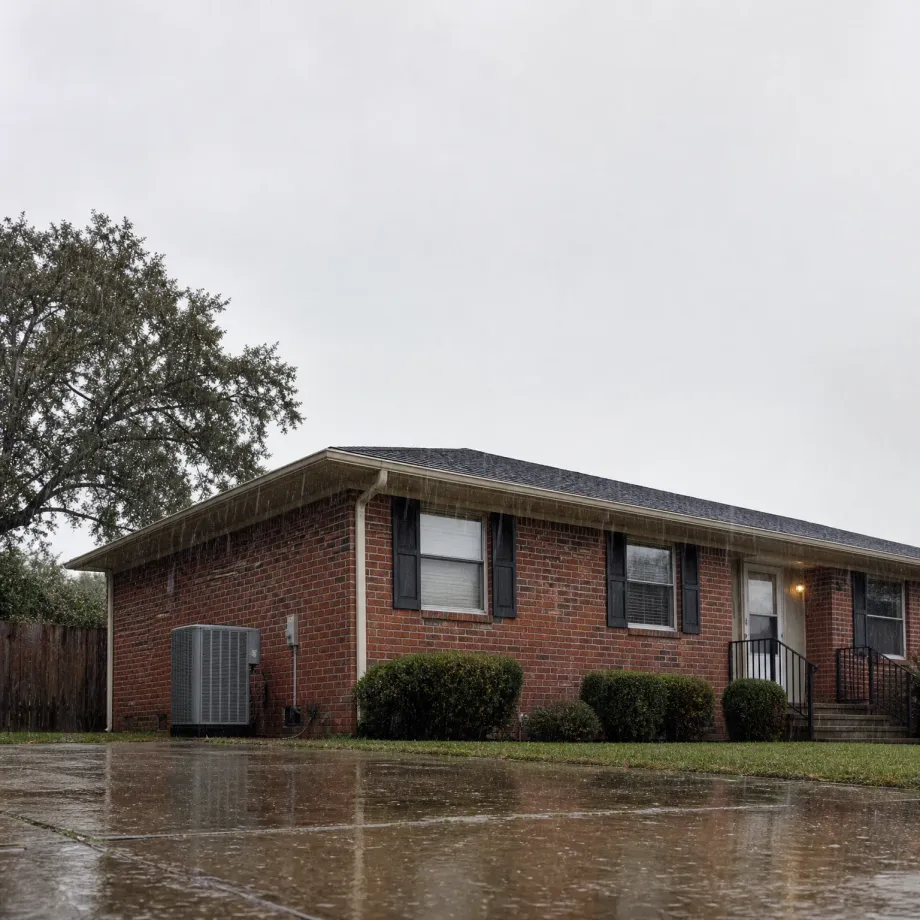
A contractor quoting a furnace install in Martin County has to size for what this area actually puts on heating equipment, not for a generic regional profile. 58 severe weather events were recorded in Martin County, Texas between 2015 and 2024. At that rate, severe weather is a recurring condition of operating here, not an occasional interruption, and a furnace that is undersized or poorly sealed at the plenum will feel that load early. A contractor working this county will set the equipment spec and the installation quality to match what the weather asks of the system year after year.
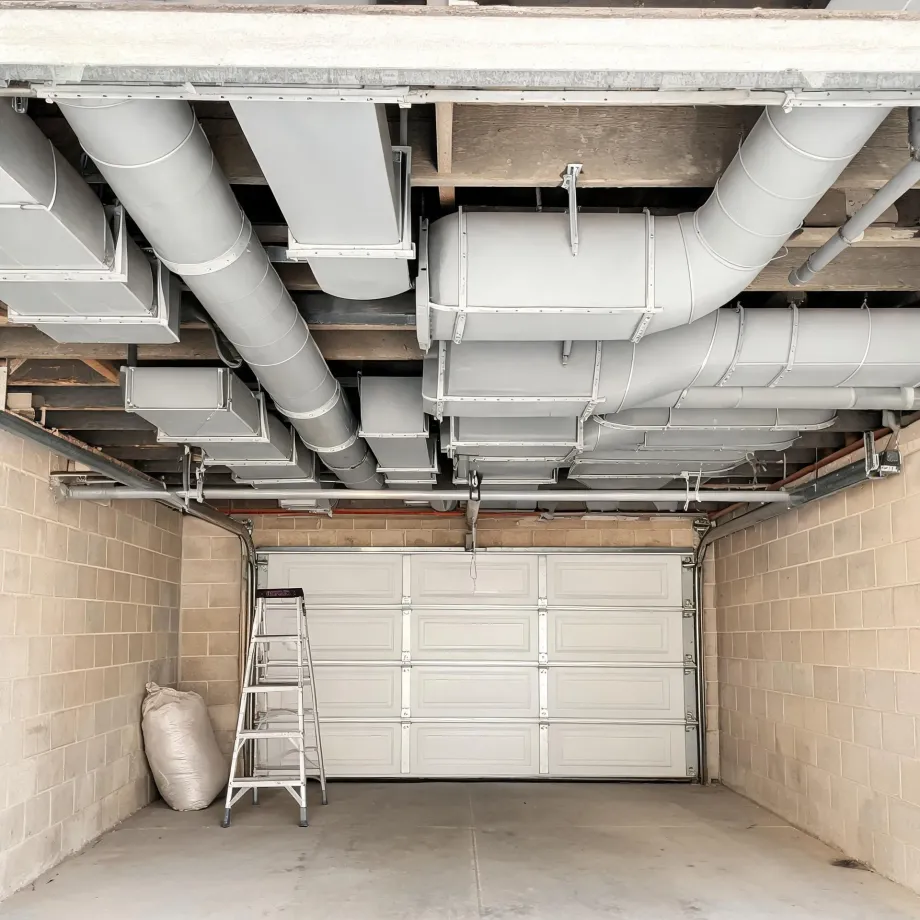
Ductwork laid out for a furnace from an earlier era was sized for that system's airflow, and a new unit draws differently. Whether the existing runs, plenums, and returns can carry what is being installed is what a contractor has to settle before the equipment question gets answered. Half the homes in Martin County, Texas were built in 1974 or earlier (2020-2024 ACS 5-year). That vintage of construction puts real variables on the table: trunks that may be undersized for today's output, returns that were never balanced for forced air, and branch runs that were not designed with current load calculations in mind. The electrical is a separate check. What the ductwork can actually move determines whether the install is straightforward or whether the scope grows once the contractor is in the house.
What Gets Installed With a New Furnace
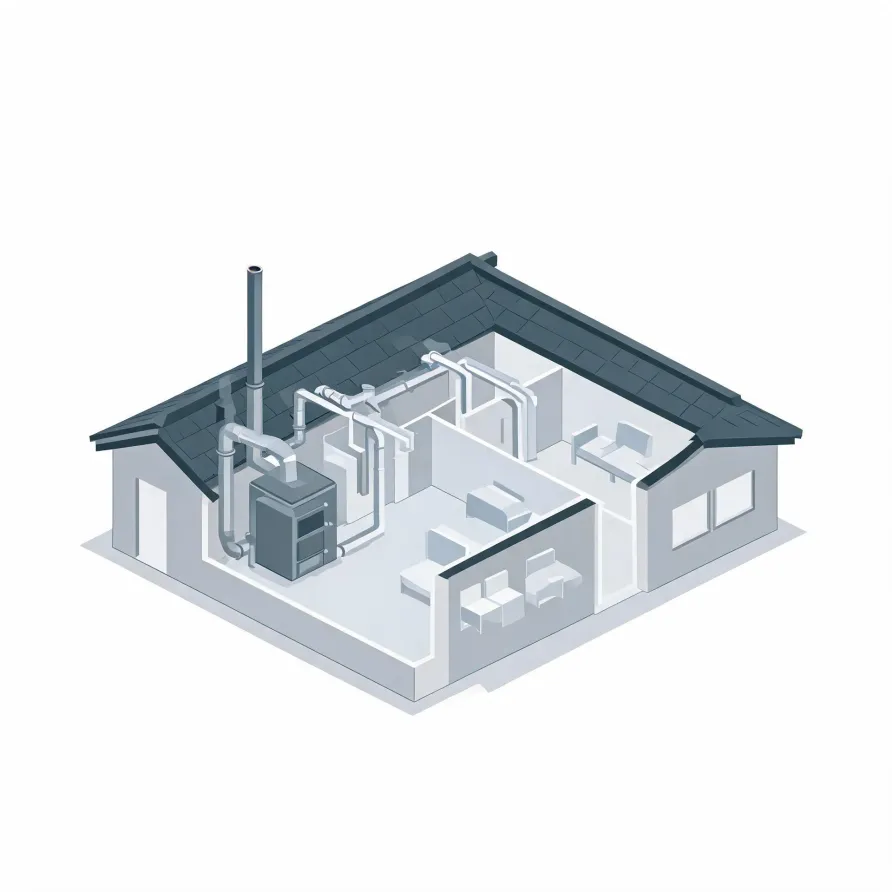
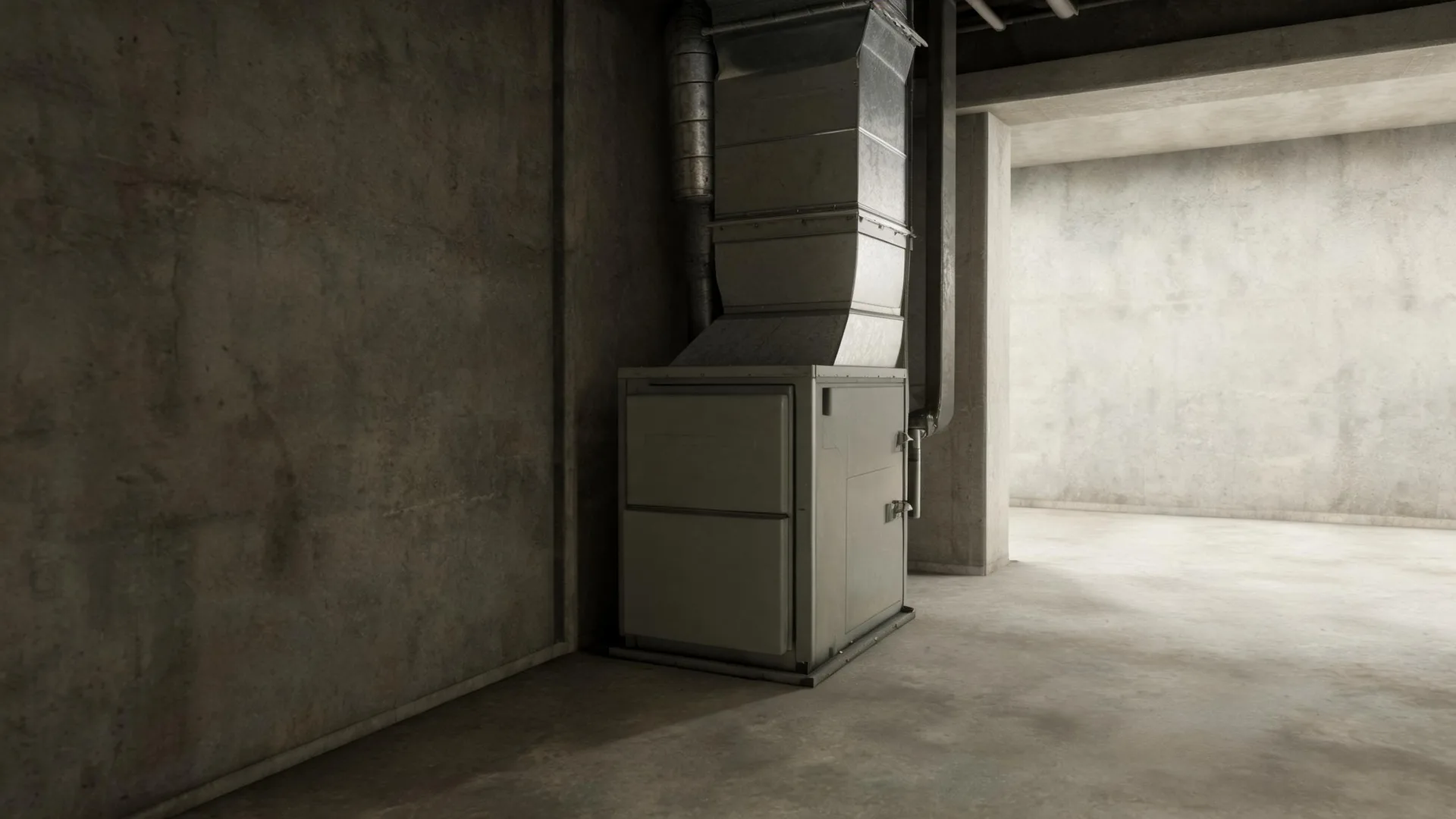
The furnace itself sits in a utility space, basement, closet, or attic depending on the house. It is the box that generates heat, drawing in return air, warming it through a heat exchanger, and pushing the conditioned air back out. The flue pipe runs from the furnace to an exterior wall or roofline, carrying combustion gases out of the living space.
The air handler or blower compartment built into the furnace cabinet moves air through the system, while the evaporator coil, mounted directly above or below the furnace, handles cooling when the system is paired with central air. The thermostat goes on an interior wall and is the control point for the whole setup.
The drawing shows a typical layout, and a licensed contractor determines what fits the actual configuration of your home.
Find a contractor in Martin CountyMartin County by the Numbers
58 severe weather events were recorded in Martin County, Texas between 2015 and 2024.
NOAA National Centers for Environmental Information, Storm Events Database, bulk CSV export, events 2015-01-01 through 2024-12-31.Half the homes in Martin County, Texas were built in 1974 or earlier (2020-2024 ACS 5-year).
U.S. Census Bureau, 2020-2024 American Community Survey 5-Year EstimatesMartin County, Texas holds 2,135 housing units (2020-2024 ACS 5-year).
U.S. Census Bureau, 2020-2024 American Community Survey 5-Year EstimatesOwners occupy 78.1% of the occupied homes in Martin County, Texas (2020-2024 ACS 5-year).
U.S. Census Bureau, 2020-2024 American Community Survey 5-Year EstimatesFurnace Installation Rules for Martin County, Texas5 codes, standards & licenses
What happens during an HVAC installation in Martin County
Non-weatherized gas furnaces manufactured on or after November 19, 2015 must reach 80.0 percent AFUE.
Non-weatherized oil-fired furnaces manufactured on or after November 19, 2015 must reach 83.0 percent AFUE.
Mobile home gas furnaces manufactured on or after November 19, 2015 must reach 80.0 percent AFUE.
Non-weatherized gas furnaces manufactured on or after December 18, 2028 must reach 95.0 percent AFUE, up from the 80.0 percent minimum that applies to units manufactured before that date.
Licensing and Legal Requirements in Martin County, Texas
In Texas a person may not engage in air conditioning and refrigeration contracting unless that person holds a license issued under the state air conditioning and refrigeration contractor law.
Severe Weather Events in Martin County
Extreme weather puts load on heating and cooling equipment, and the demands placed on a furnace in Martin County are shaped by what this area's climate actually does. Sizing and installing equipment here means accounting for local conditions, not regional averages.
58 severe weather events, 2015–2024. Source: NOAA National Centers for Environmental Information, Storm Events Database.