Tell us about the job
Takes about a minute. No obligation.
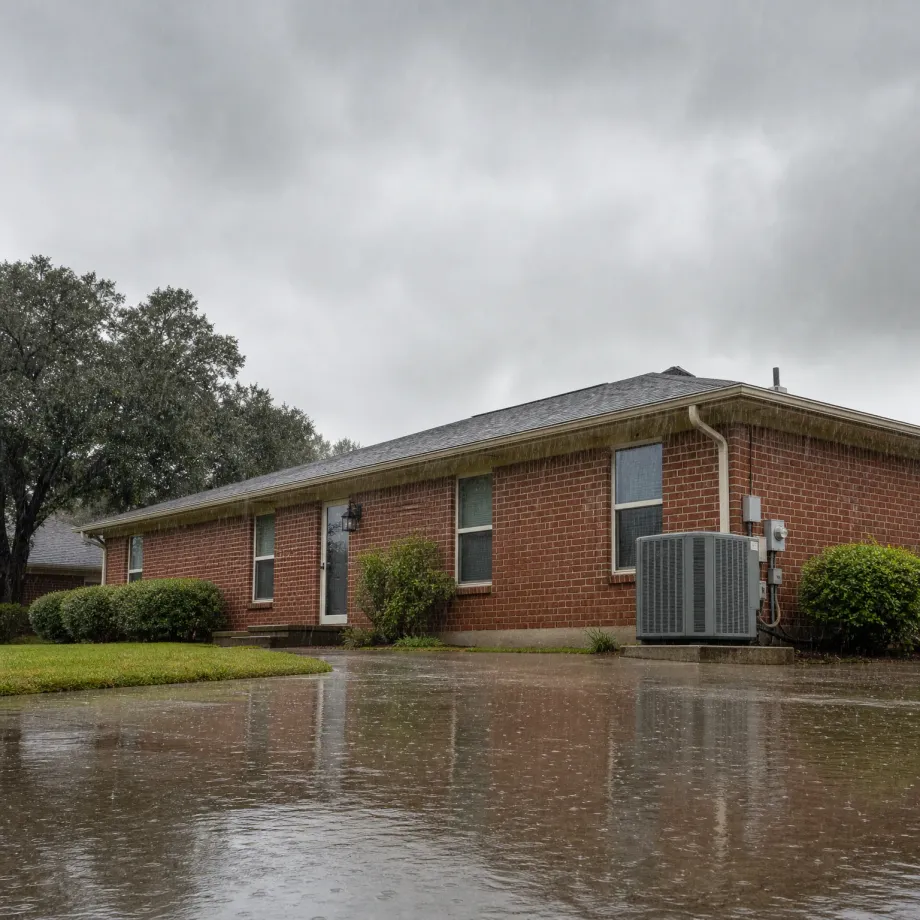
A contractor quoting furnace installation in San Patricio County spends more time measuring duct capacity and heat load than accounting for weather damage. 49 severe weather events were recorded in San Patricio County, Texas between 2015 and 2024. At that rate, severe weather is an occasional event rather than a constant operating pressure, and a furnace that has struggled here has almost certainly struggled because of a poor original install, undersizing, or deferred maintenance. That is what a contractor establishes before spec-ing equipment, because those are the variables that will drive the next system into the same trouble.
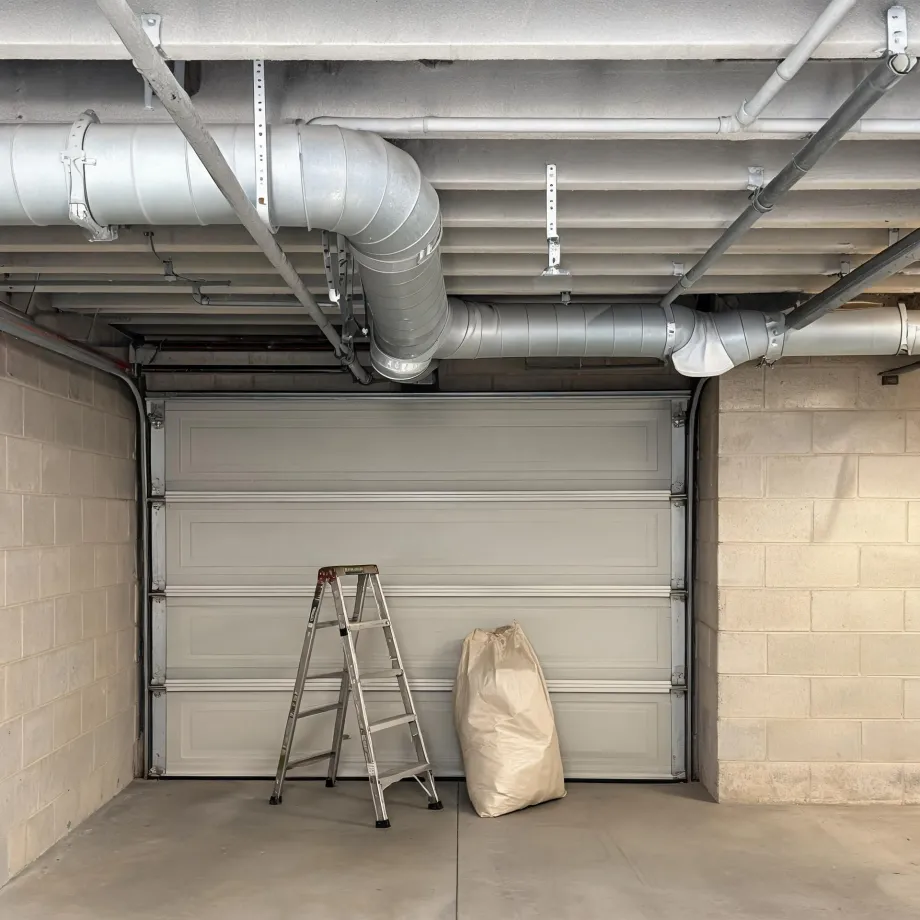
Ductwork laid down for older furnaces carries different load assumptions than what a new unit actually needs, and whether it can serve a replacement without modification is what a contractor has to settle before the job has a real price. Half the homes in San Patricio County, Texas were built in 1982 or earlier (2020-2024 ACS 5-year). A house built then was ducted for equipment of that era, which means the runs, the sizing, and the return capacity were matched to something a contractor will not be reinstalling. The electrical side is a separate check, but the duct system is where most of the installation scope gets decided.
What Gets Installed With a New Furnace
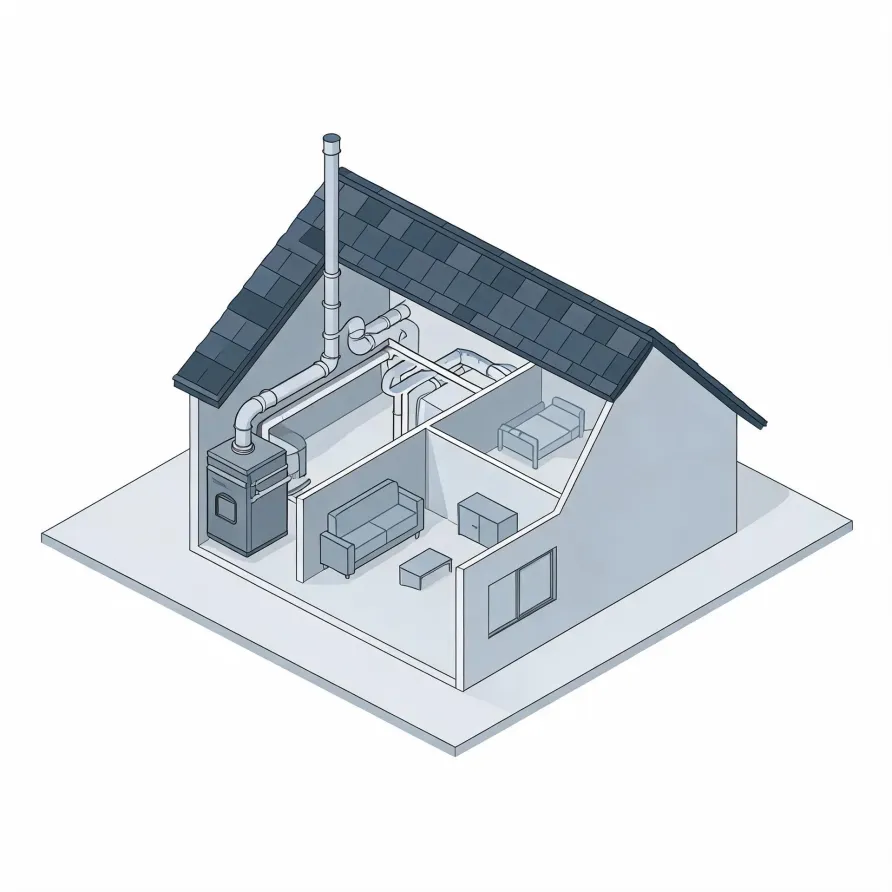
The furnace itself sits in a utility room, basement, or closet near the center of the house. It holds the burner assembly, the heat exchanger, and the blower, all housed in a single metal cabinet. That cabinet is where combustion happens and where conditioned air gets pushed into the supply side of your home.
The flue pipe runs from the top or back of the furnace cabinet to an exterior wall or through the roof, carrying combustion gases out of the house. The air filter housing mounts at the return-air inlet to the cabinet, and the thermostat goes on an interior wall where it reads the air temperature and tells the furnace when to fire.
The drawing shows a typical layout, and a licensed contractor determines what applies to this specific house and its existing setup.
Find a contractor in San Patricio CountySan Patricio County, by the numbers
49 severe weather events were recorded in San Patricio County, Texas between 2015 and 2024.
NOAA National Centers for Environmental Information, Storm Events Database, bulk CSV export, events 2015-01-01 through 2024-12-31.Half the homes in San Patricio County, Texas were built in 1982 or earlier (2020-2024 ACS 5-year).
U.S. Census Bureau, 2020-2024 American Community Survey 5-Year EstimatesSan Patricio County, Texas holds 30,435 housing units (2020-2024 ACS 5-year).
U.S. Census Bureau, 2020-2024 American Community Survey 5-Year EstimatesOwners occupy 66.9% of the occupied homes in San Patricio County, Texas (2020-2024 ACS 5-year).
U.S. Census Bureau, 2020-2024 American Community Survey 5-Year EstimatesFurnace Installation Rules for San Patricio County, Texas5 sourced standards and codes
What the Installation Actually Looks Like
Non-weatherized gas furnaces manufactured on or after November 19, 2015 must reach 80.0 percent AFUE.
Non-weatherized oil-fired furnaces manufactured on or after November 19, 2015 must reach 83.0 percent AFUE.
Mobile home gas furnaces manufactured on or after November 19, 2015 must reach 80.0 percent AFUE.
Non-weatherized gas furnaces manufactured on or after December 18, 2028 must reach 95.0 percent AFUE, up from the 80.0 percent minimum that applies to units manufactured before that date.
Licensing and Legal Requirements in San Patricio County, Texas
In Texas a person may not engage in air conditioning and refrigeration contracting unless that person holds a license issued under the state air conditioning and refrigeration contractor law.
Severe Weather Events in San Patricio County
Extreme weather puts real hours on heating and cooling equipment, and San Patricio County has its own pattern of stress. Furnaces that handle local conditions need to be sized and installed with that load in mind.
49 severe weather events, 2015–2024. Source: NOAA National Centers for Environmental Information, Storm Events Database.