Tell us about the job
Takes about a minute. No obligation.
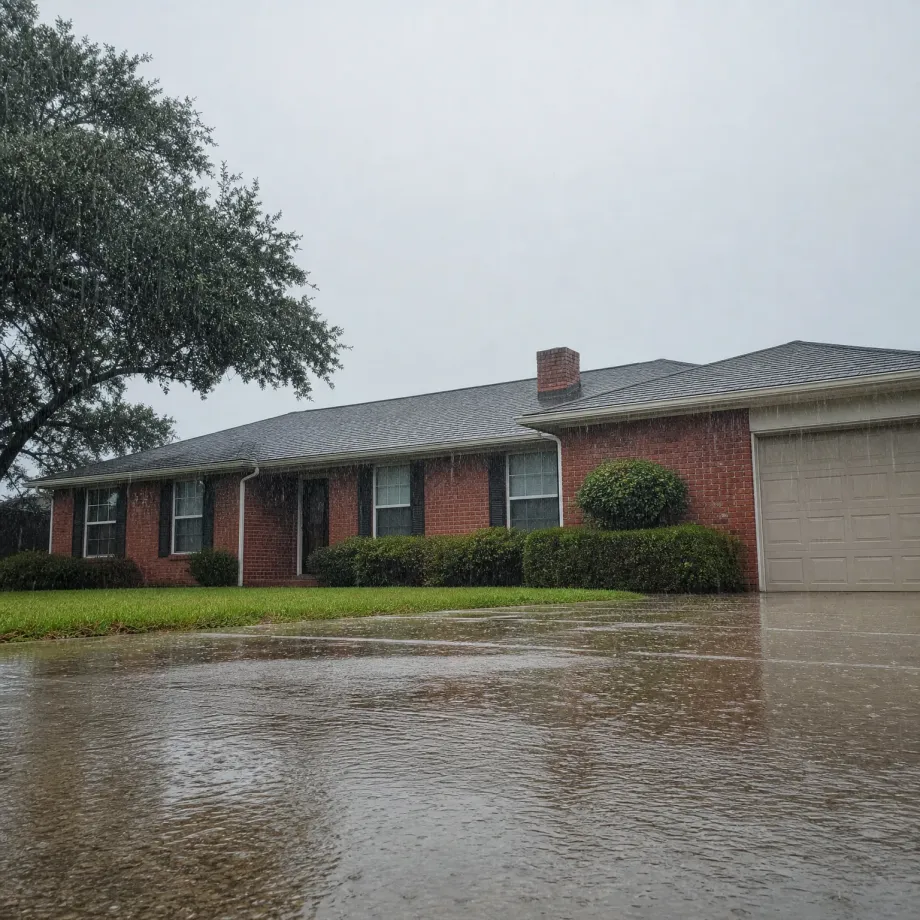
A furnace installation in Navarro County starts with a load calculation that accounts for what this area actually puts equipment through. 99 severe weather events were recorded in Navarro County, Texas between 2015 and 2024. That places the county in the middle of the national range, so the weather here is a genuine design input, not an afterthought. A contractor sizing a furnace for this address has to treat duct sealing, equipment rating, and the condition of the existing structure as local questions, because a unit rated for a lighter environment will run harder than the manufacturer expects and wear earlier than the homeowner does.
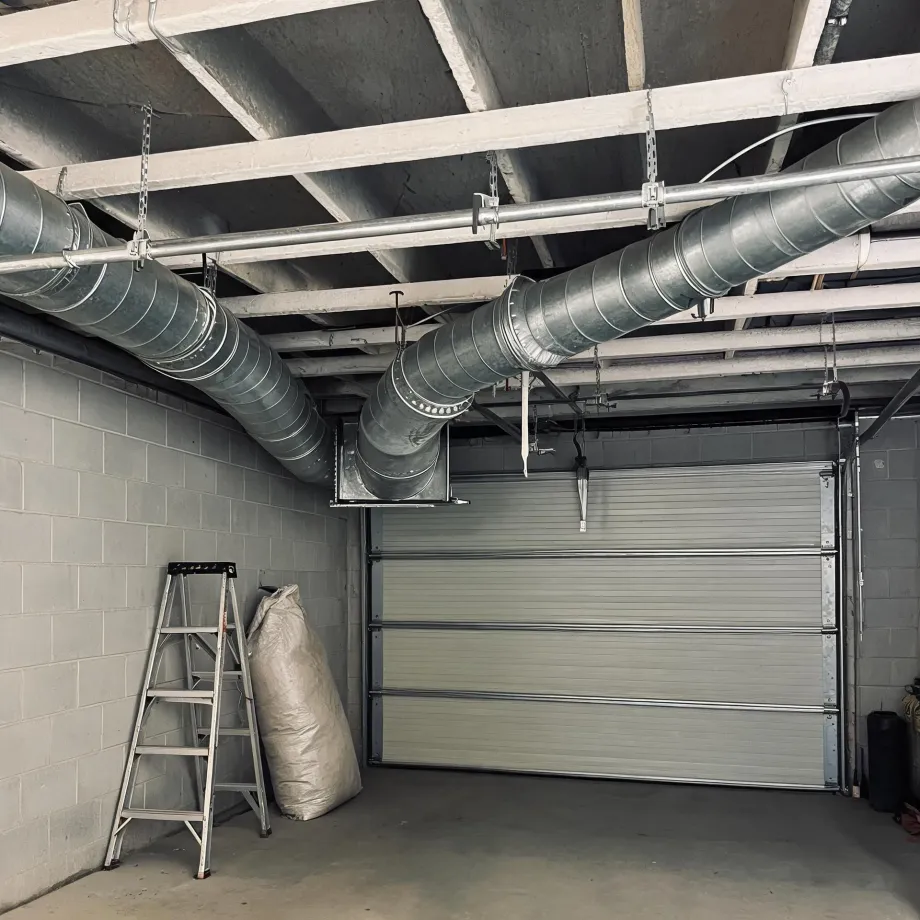
Ductwork laid for one generation of equipment does not automatically carry the next. Half the homes in Navarro County, Texas were built in 1983 or earlier (2020-2024 ACS 5-year). A furnace going in now draws differently and moves air at different volumes than what that ductwork was designed around, so a contractor running a furnace installation here has to assess whether the existing trunk lines, returns, and registers can handle the new load before pricing the unit itself. If they cannot, the duct work becomes part of the job, and the electrical service may be too.
What Gets Installed With a New Furnace
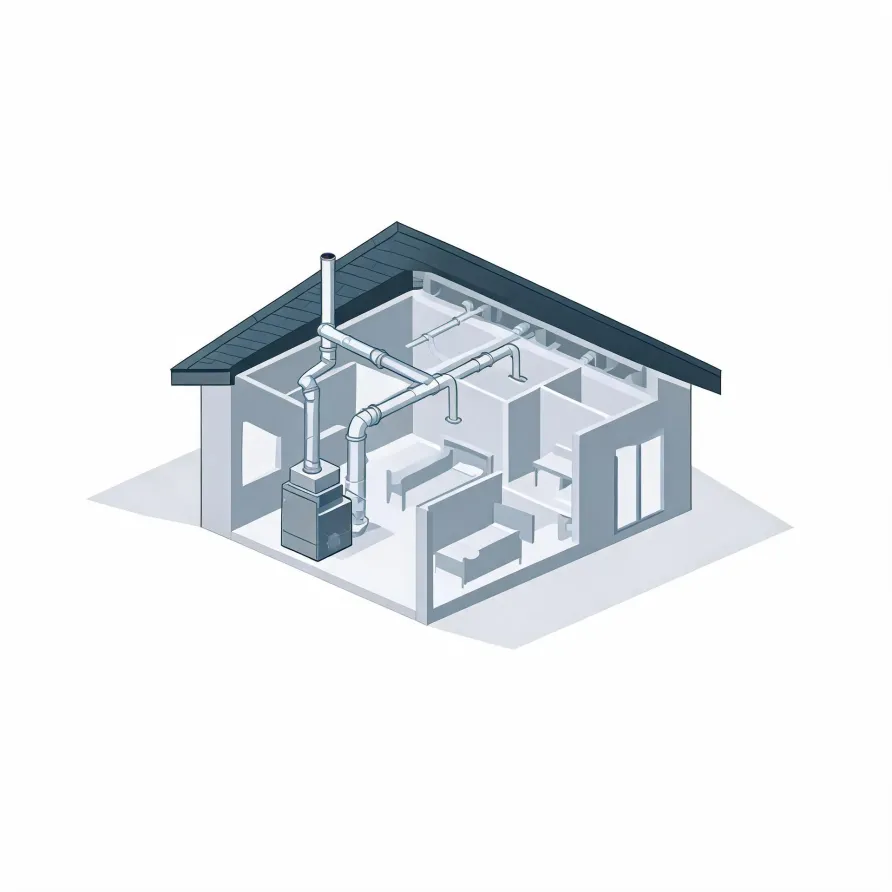
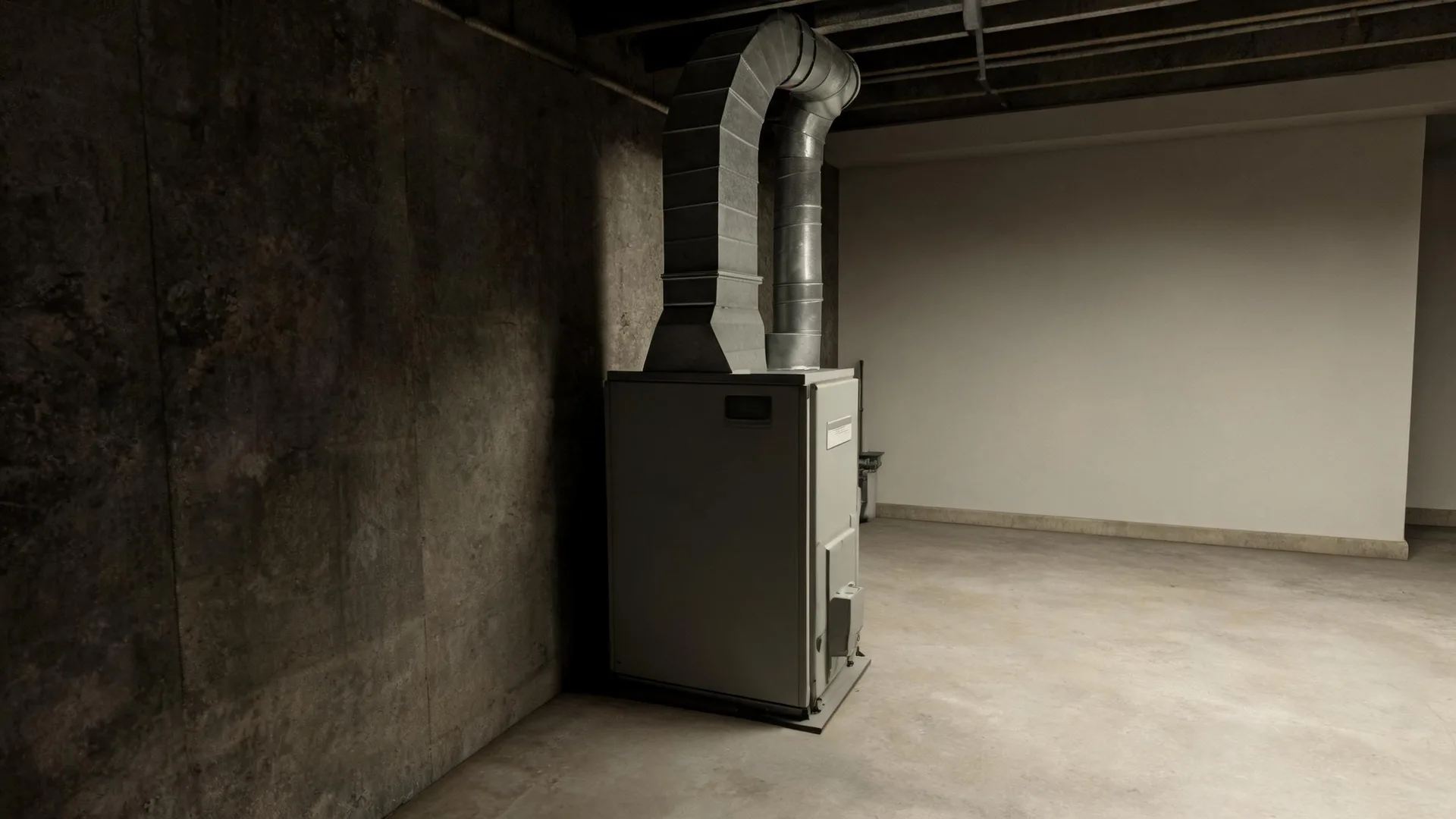
The furnace itself sits in a utility closet, basement, or attic and is the unit that produces heat. A burner assembly inside it ignites the fuel, and a heat exchanger transfers that heat to the air moving through the system. The blower motor, housed inside the same cabinet, pushes that air out into the home.
The flue pipe runs from the furnace cabinet through the wall or roof and carries combustion exhaust safely out of the house. The air handler cabinet also holds the filter rack, which a contractor positions for straightforward access. A new thermostat mounts on an interior wall and serves as the control point for the whole system.
The drawing shows a typical layout, and a licensed contractor determines exactly what applies to this house based on its construction and existing setup.
Find a contractor in Navarro CountyNavarro County by the numbers
99 severe weather events were recorded in Navarro County, Texas between 2015 and 2024.
NOAA National Centers for Environmental Information, Storm Events Database, bulk CSV export, events 2015-01-01 through 2024-12-31.Half the homes in Navarro County, Texas were built in 1983 or earlier (2020-2024 ACS 5-year).
U.S. Census Bureau, 2020-2024 American Community Survey 5-Year EstimatesNavarro County, Texas holds 22,191 housing units (2020-2024 ACS 5-year).
U.S. Census Bureau, 2020-2024 American Community Survey 5-Year EstimatesOwners occupy 69.4% of the occupied homes in Navarro County, Texas (2020-2024 ACS 5-year).
U.S. Census Bureau, 2020-2024 American Community Survey 5-Year EstimatesCodes & Standards Governing Furnace Installation in Navarro County, Texas5 sourced rules and standards
What happens on installation day in Navarro County
Non-weatherized gas furnaces manufactured on or after November 19, 2015 must reach 80.0 percent AFUE.
Non-weatherized oil-fired furnaces manufactured on or after November 19, 2015 must reach 83.0 percent AFUE.
Mobile home gas furnaces manufactured on or after November 19, 2015 must reach 80.0 percent AFUE.
Non-weatherized gas furnaces manufactured on or after December 18, 2028 must reach 95.0 percent AFUE, up from the 80.0 percent minimum that applies to units manufactured before that date.
Licensing Rules for HVAC Work in Navarro County, Texas
In Texas a person may not engage in air conditioning and refrigeration contracting unless that person holds a license issued under the state air conditioning and refrigeration contractor law.
Severe Weather Events in Navarro County
Navarro County weather puts real demands on heating equipment, from hard freezes to summer heat loads that run furnaces and cooling systems at their limits. How often conditions push into severe territory shapes what a properly sized, properly installed system has to handle.
99 severe weather events, 2015–2024. Source: NOAA National Centers for Environmental Information, Storm Events Database.