Filter and vents check out fine
If the whistle is faint and only happens when the blower kicks on, it may not need a repair yet. A tech can confirm nothing inside the system is straining.
 Match me with a pro
A local pro who knows furnaces gets your details and gets in touch.
A whistle from your furnace usually means air is squeezing through somewhere it shouldn't. A dirty filter is the most common reason. When it's clogged, the blower has to pull harder to get air through, and that strain can show up as a high-pitched sound at the filter slot, the vents, or the return.
It can also mean a gap at the duct connections, a loose panel on the unit itself, or a blower wheel that needs attention. Since most homes here heat with electricity, that blower runs often once the weather turns, and a small gap that was quiet in fall can get louder as the system works harder through the cold months.
None of this is something to guess at from the sound alone. The fix is different if it's the filter, the ductwork, or the blower motor, and the wrong one won't stop the noise.
A local contractor who works on furnaces all winter, every winter, has heard this exact complaint before and knows where to check first on the equipment common in Texas homes. Instead of sending your information out to a handful of companies, you're matched with one licensed contractor near you, and they're the one who follows up. No bidding war, no string of calls to sort through, just the person suited to your situation reaching out to look at your furnace directly.
Tell us a bit about what you're hearing and where, and that's who you'll hear from.
A whistling furnace usually means air is being forced through a gap too small for it. If the filter is clean and it's still whistling, check the return air vents and supply registers. Closed or blocked registers make the blower push harder against the ductwork, and that pressure escapes as a whistle at the seams or around the filter slot. Loose panels on the furnace cabinet do the same thing. Since most homes in Texas heat with electric furnaces, this is the blower motor working against restricted airflow, not a gas burner issue. The sound itself won't damage anything right away, but the strain on the blower motor will, and a motor that runs hot for a season can fail. Worth checking before it gets cold again.




A whistle that keeps coming back once you've checked the filter and the vents usually points to something inside the system itself, a blower wheel out of balance, a crack in the ductwork near the unit, or a gap at the cabinet seams where it closes up against the furnace. Those aren't things you can see without taking panels off, and in Texas, where most houses heat with electric furnaces running hard through the cold snaps, a strained blower motor is worth catching before it fails outright. A contractor who services furnaces in your area all year knows which of these shows up most in equipment like yours, and can tell you in one visit whether it's a quick fix or something more. Your request goes to one licensed contractor local to you, someone who already knows this equipment, not a handful of companies competing for the job.
Most Texas homes heat with electric furnaces, and the blower motor runs longer and harder on cold mornings than people expect from an electric system. A motor working against restricted airflow wears at the bearings faster, and that's often where a new whistle starts.
A bearing starting to go won't fix itself by swapping the filter again. Once the sound is coming from the motor and not the ductwork, it needs someone who can get the panel off and look at it directly.


If the whistle is faint and only happens when the blower kicks on, it may not need a repair yet. A tech can confirm nothing inside the system is straining.
A recurring whistle after you've ruled out the filter and vents usually means something inside the furnace needs attention. A local tech who works on these year-round can find it quickly.
Winter nights here average 41°F, not the hard freezes some other states get. That means your furnace isn't running flat out all night the way it would further north. If it's whistling even on mild nights like these, the blower is already straining more than it should.
NOAA nClimDiv 1991-2020 county normals weighted by homes
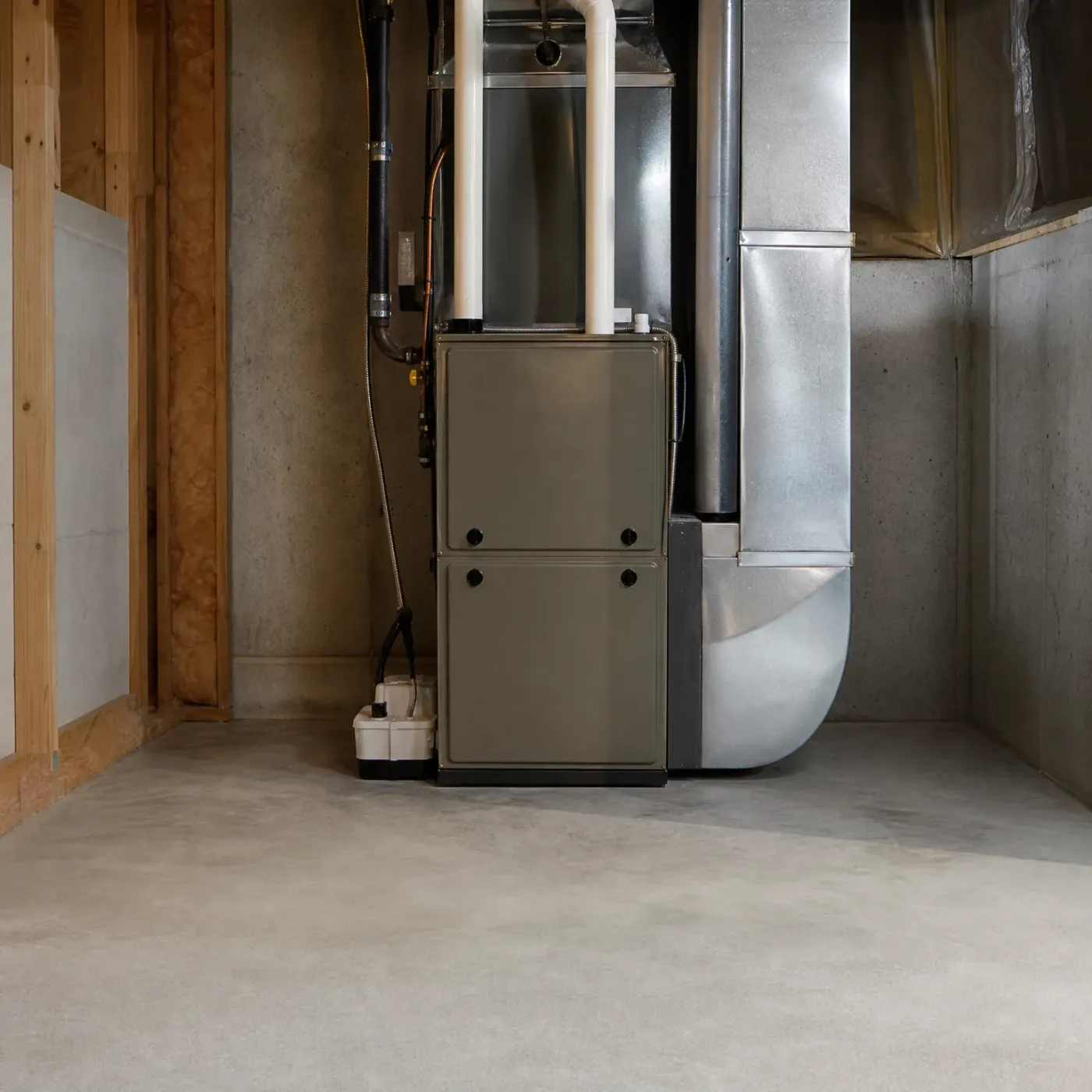
Air moves through the ductwork without a fight. The blower pulls through a clean filter and open registers, and the cabinet seams sit flush against the unit. Nothing narrows the path, so nothing whistles.
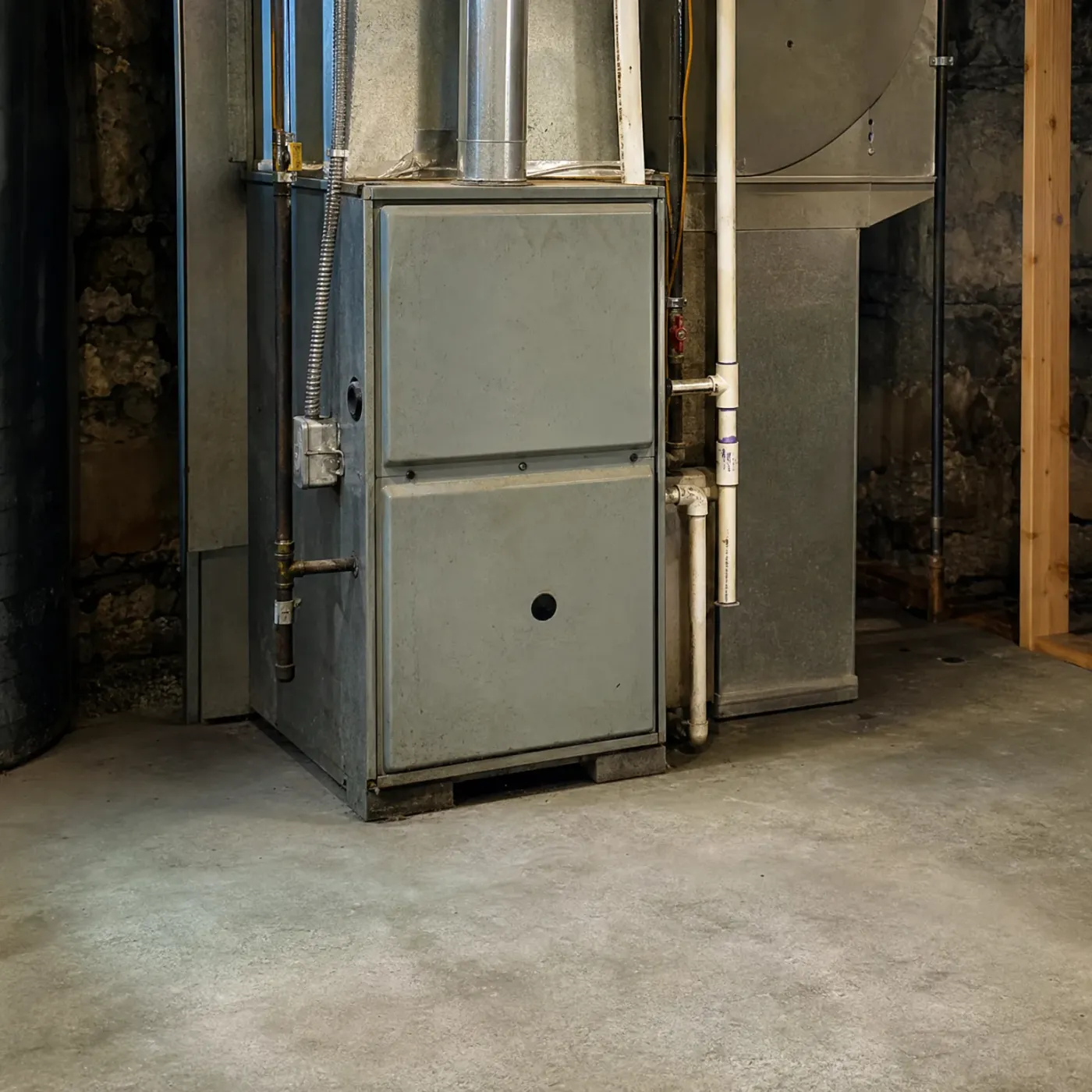
This is where a whistle usually starts. Flexible tubing kinked near the cabinet, a seam that's come loose, or a crack in the ductwork near the unit gives the air a tight spot to squeeze through. A tech can find exactly where.

The filter, the vents, the blower wheel, a seam at the cabinet. That's the short list of where a whistle starts. Most of the time it's the first two, and you can check both yourself in a few minutes. When it keeps coming back after that, the noise is coming from inside the unit, and that's not something to guess at on a furnace running through a Texas winter.
A licensed contractor who works on electric furnaces all season has heard this particular whistle before and knows which of those spots tends to go first on the systems common here. Asking for a visit connects you with one contractor local to you, not a handful of companies competing for the job, so you're dealing with a single tech who can actually look at your furnace and tell you what's straining it.

Your request stays with one local pro.