When to replace a furnace in Plano, TX

One request ends the search for a furnace installer.

Hand off the search

When should I replace my furnace in Plano?

Your furnace doesn't get much work in Plano. Winters here are mild, so a furnace that's twelve or fifteen years old may have barely logged the hours a furnace up north would in half that time. That makes the decision less about age alone and more about what the furnace is actually doing this winter: how often it's broken down, what repairs are costing, and whether it's keeping up on the handful of genuinely cold nights.

Replace it when repairs get frequent or the heat exchanger is cracked

A furnace that needs a repair every winter, or one where the technician finds a cracked heat exchanger, is past the point of fixing. A cracked heat exchanger is a safety issue, not a performance one, since it can let combustion gases into the air you breathe, and most contractors will tell you to replace rather than patch it. Short of that, watch for a furnace that cycles on and off more than it used to, or one that can't hold the house at temperature on the coldest nights. Because winters here are mild, a furnace often lasts longer than the national average before any of this shows up, so age by itself isn't the signal. What it's actually doing this season is.

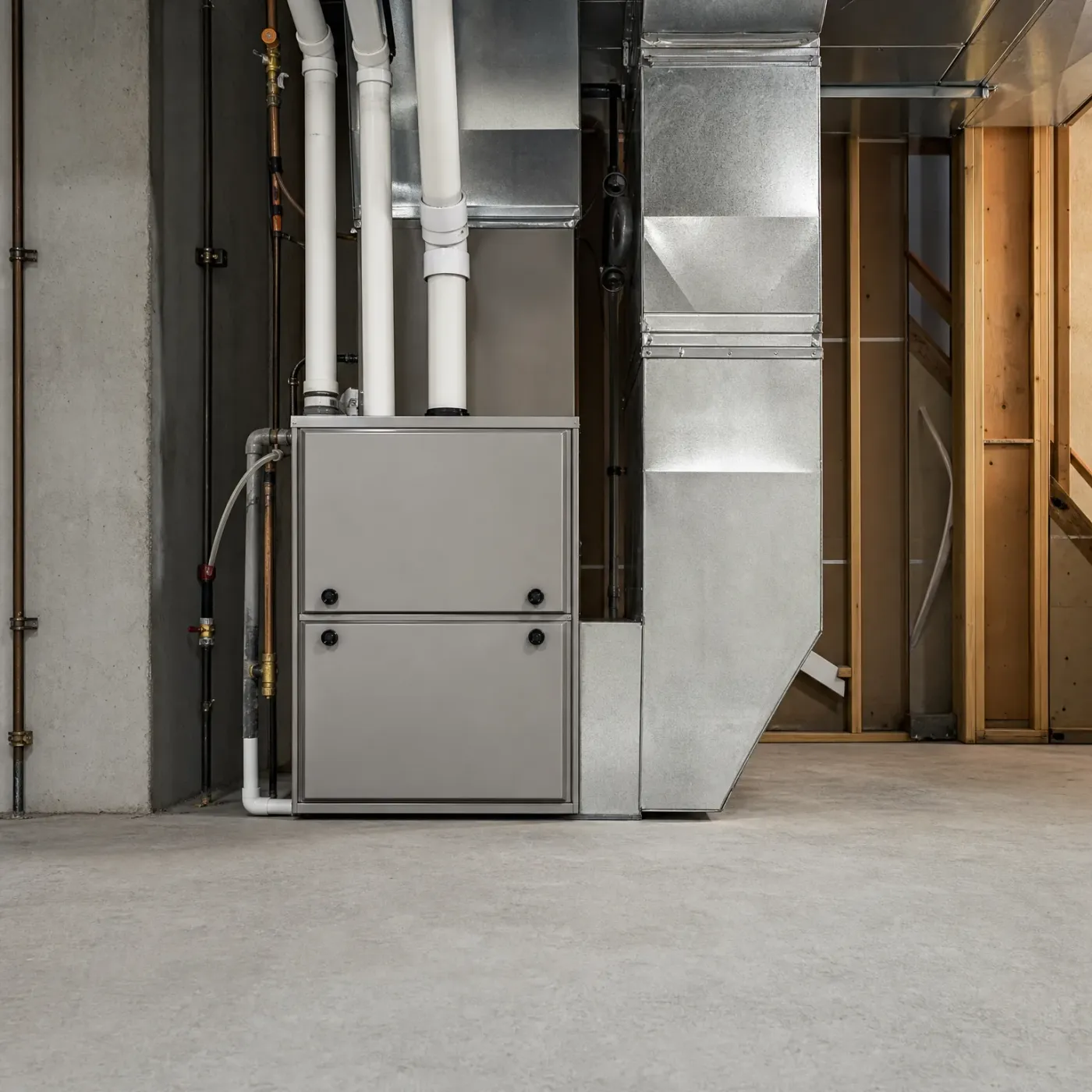
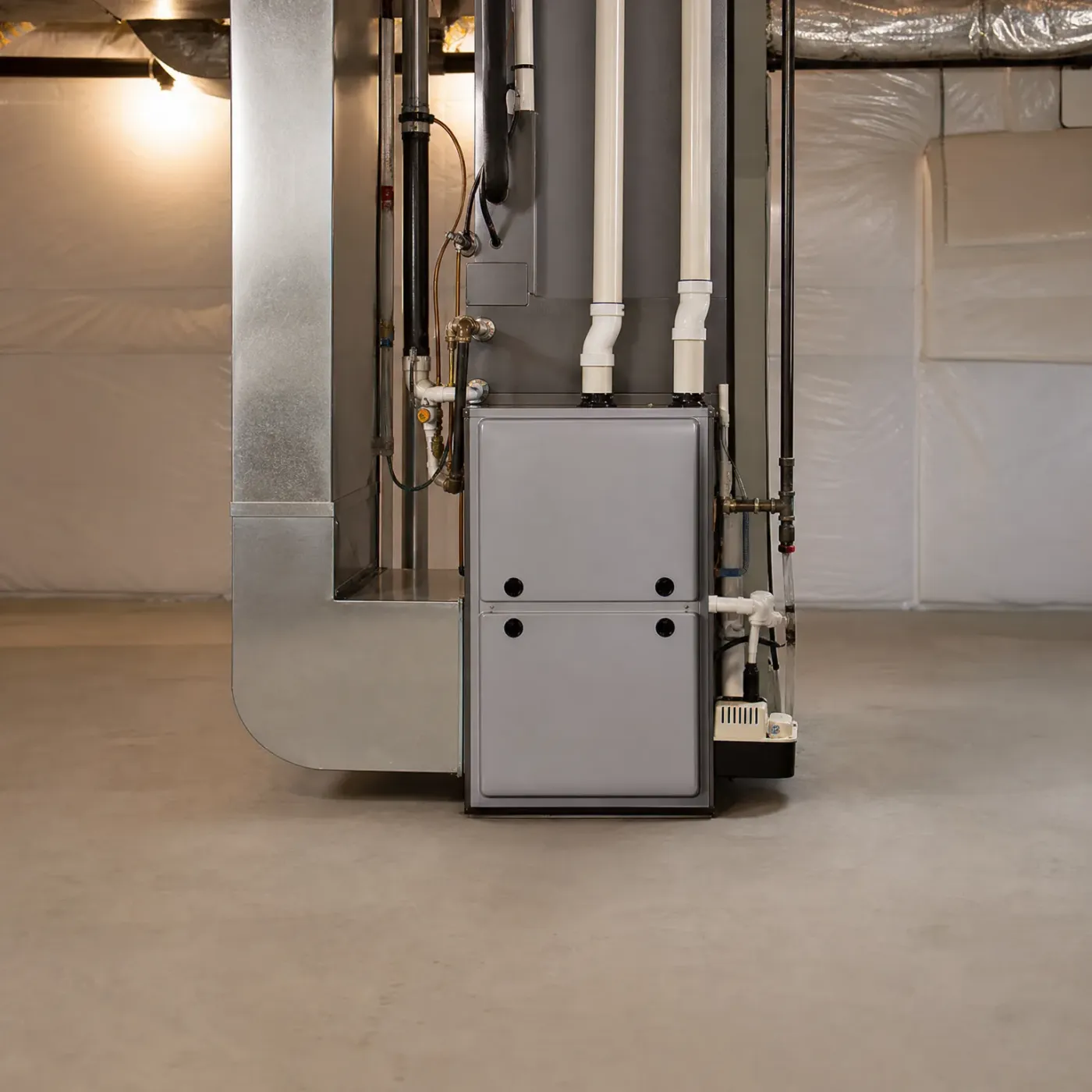
A gray high-efficiency furnace in a basement with white PVC vent pipes, sheet-metal ductwork, copper and black piping, a condensate pump, and insulated walls above a concrete floor.

Still doing the job

If it fires right up, heats evenly, and the burners run clean, a furnace with some age on it can keep going. With Plano winters as mild as they are, a unit that's ten or twelve years old may still have plenty of life left simply because it hasn't been asked to do much.

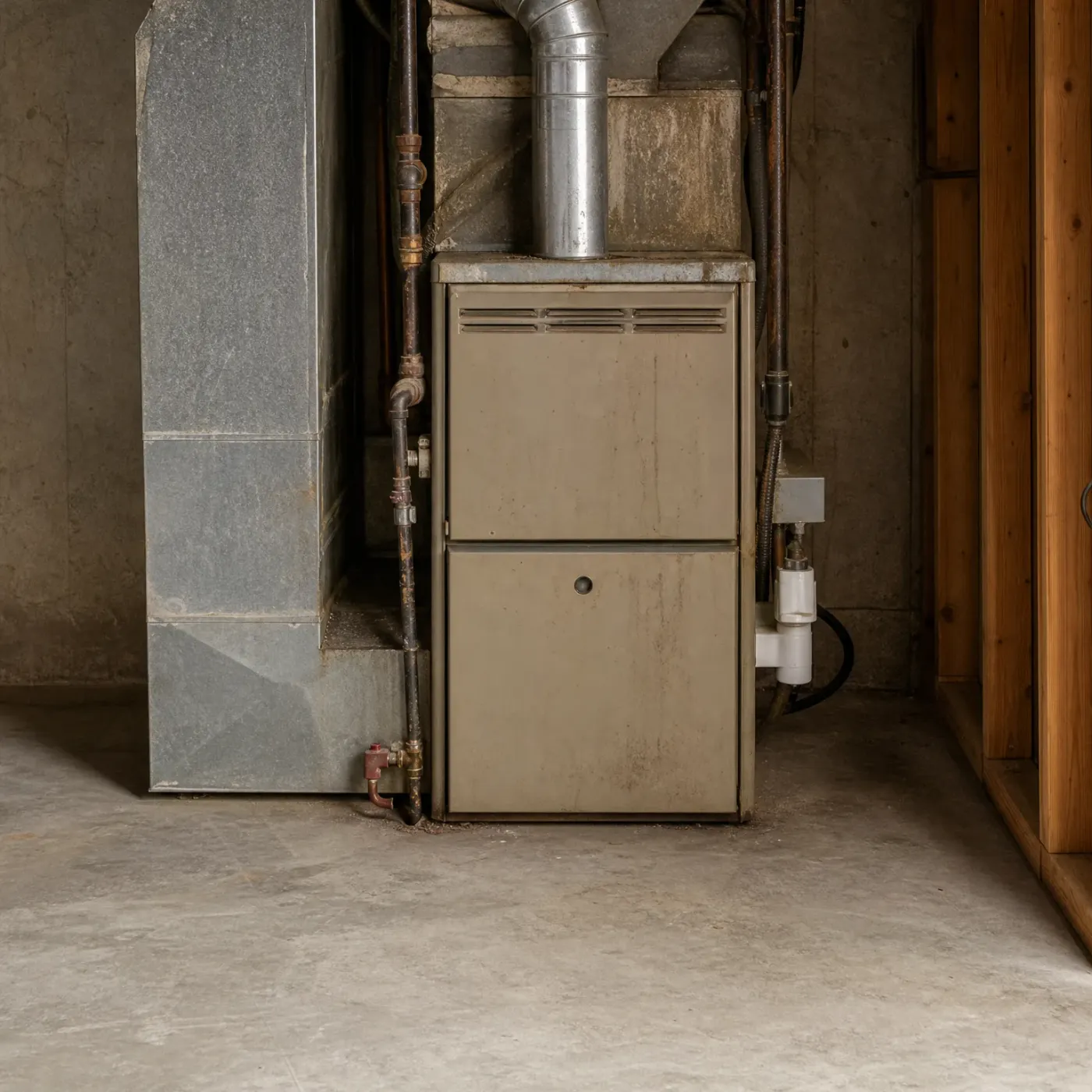
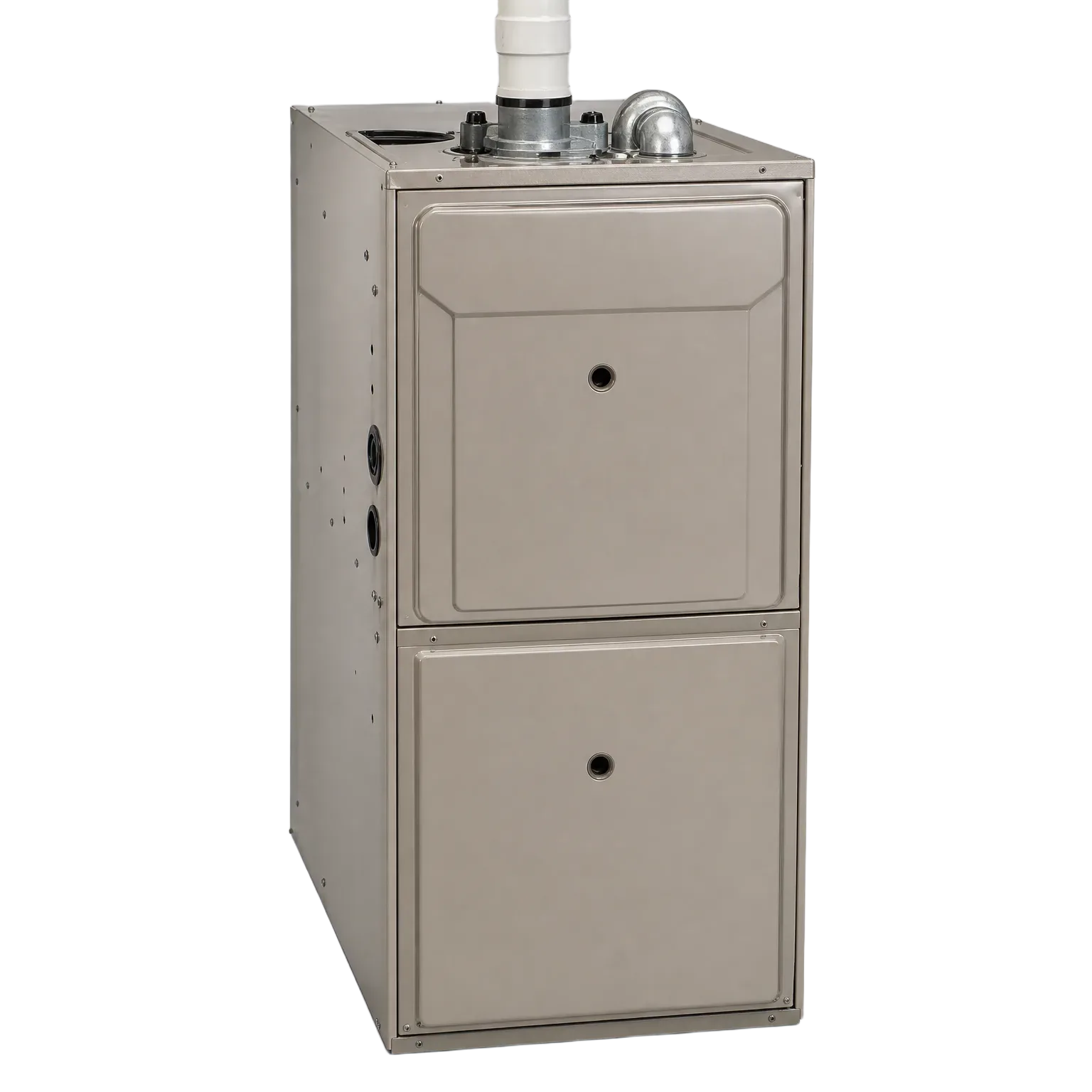
A beige residential furnace stands on a concrete basement floor beside galvanized sheet-metal ductwork, a round flue pipe, copper gas piping, and a PVC condensate line, with a wood-paneled wall at right.

Time to think about replacing

Rust on the cabinet, a flue pipe showing its age, or a furnace that short cycles or struggles to keep a room warm are signs the equipment is wearing out. Once repairs start coming more often, replacing it is worth weighing against fixing it again.

So why replace a furnace that barely runs?

  • Winter nights average 36°F

    Nights sit around 36°F through December, January and February. That's cold enough that a furnace struggling to hold a room is a problem on more nights than you'd guess.

  • Heat runs November through March

    Heat runs from November through March here, about five months. A furnace only needs to make it through that stretch, not a full year, to be worth keeping another season.

  • 49.8% of homes heat with electricity

    Just under half of homes in Collin County heat with electricity. If yours is one of them, an old electric furnace running inefficiently shows up on the bill every one of those five months.

NOAA nClimDiv 1991-2020 · ACS 2020-2024

A gray high-efficiency furnace stands on a concrete basement floor beside galvanized sheet-metal ductwork, white PVC vent pipes, copper and black piping, and unfinished wood stud framing.

Running the way it should

The burners light on the first try and burn steady. Air comes out warm at every register, not just the ones closest to the furnace. No smell of gas, no soot around the access panels. A furnace doing this has no reason to come out yet, whatever its age.

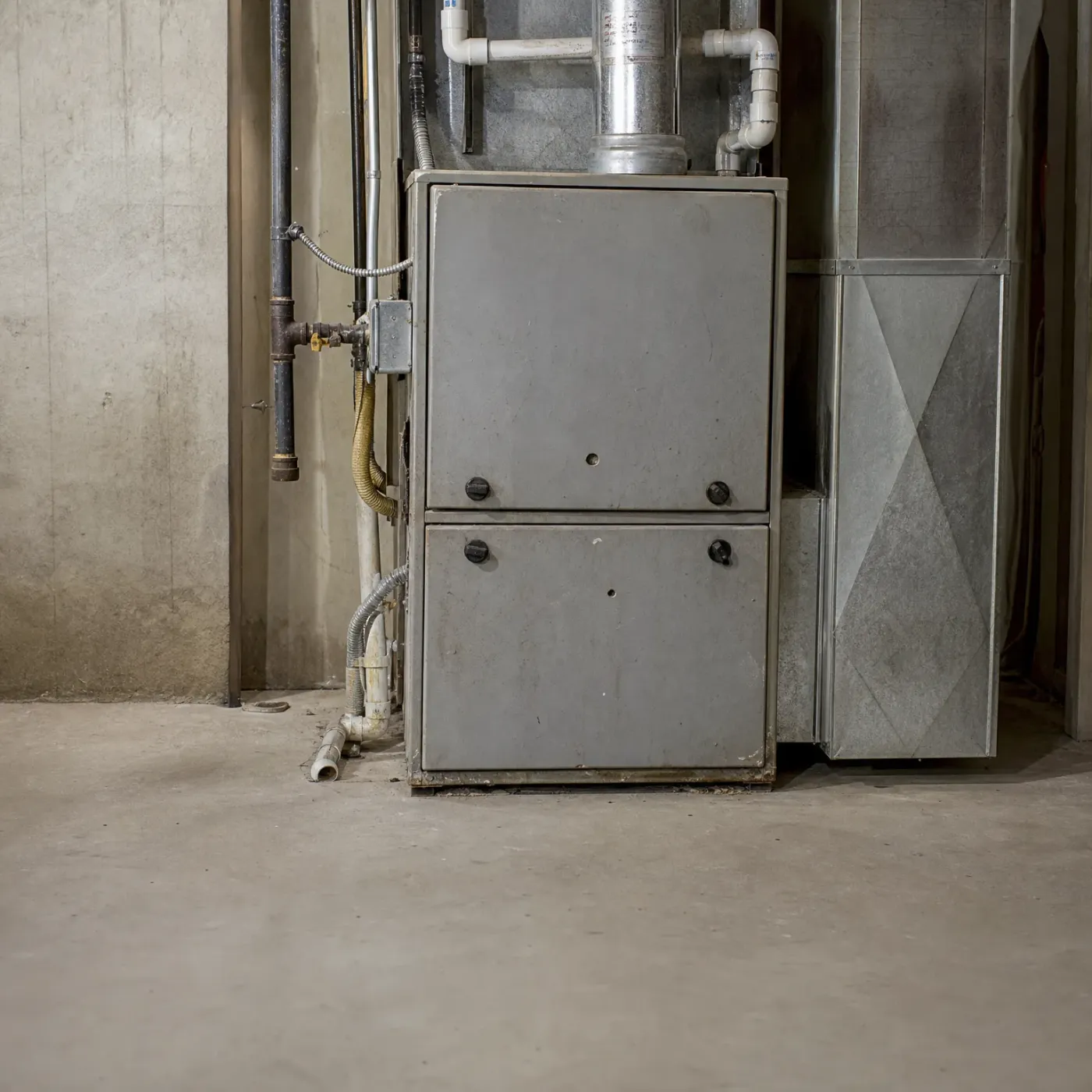
A gray furnace with two access panels stands on a concrete basement floor beside sheet-metal ductwork, with pipes, flexible conduit and an electrical box on the concrete wall to the left.

Telling you it's done

It short cycles, shutting off before the house gets warm, or it won't fire at all some mornings. You notice rust or a stain near the base, or the burners look yellow instead of blue. Those are signs worth having a contractor look at before a cold snap finds the furnace first.

A smiling bearded man in a dark green hooded jacket and blue t-shirt sits on a couch in a living room with shelves, a potted plant, and a bowl of popcorn on a wooden table.
A smiling man in a green long-sleeved shirt sits on a beige sofa in a living room, with a bowl of popcorn in the foreground, a large potted plant and shelving behind him.
A smiling man in a dark blue T-shirt sits on a couch in a dimly lit living room with a bowl of popcorn and a remote on a wooden table, a lit floor lamp and bookshelves behind him, and windows showing greenery.
A smiling bearded man in a dark green long-sleeved shirt sits on a leather couch in a living room, with a bowl of popcorn and a remote control on a wooden table in the foreground.

15 years

That's a long run for a furnace carrying this light a load. Past that age, parts wear even if runtime stayed low, and a cracked heat exchanger is the one that matters most.

Send my request

AFUE rating

Check the nameplate on your furnace. Older units often sit well below what a new furnace delivers, meaning more gas burned for the same heat on cold nights.

Send my request

Repair It or Replace It

Repair

  • A cracked heat exchanger is the one thing that rules out repair outright, since it means gas or exhaust can leak into the air the furnace is heating.
  • If the problem is an igniter, a flame sensor or a blower motor, a licensed tech can usually swap the part and send you on your way.
  • A furnace under ten years old with one failed part and a clean burn is normally worth fixing rather than replacing.
  • Parts for common failures are easy to source, so a repair here rarely means waiting weeks for the furnace to run again.
  • If this is the first repair the furnace has needed, that alone says the rest of the unit is probably sound.

Replace

  • Past 15 years, a furnace carrying Plano's light winter load has usually reached the point where more than one part is wearing at once.
  • A furnace that short cycles or won't hold a set temperature on a 36°F night is already failing at the one job it has here.
  • If the nameplate shows an AFUE rating in the low 80s, a new furnace will turn more of the gas you pay for into heat in your home.
  • Once a heat exchanger cracks, replacement is the only safe option, since that part isn't one a contractor patches.
  • Replacing now means you choose the install on your schedule, rather than during a cold snap when the old furnace finally quits.
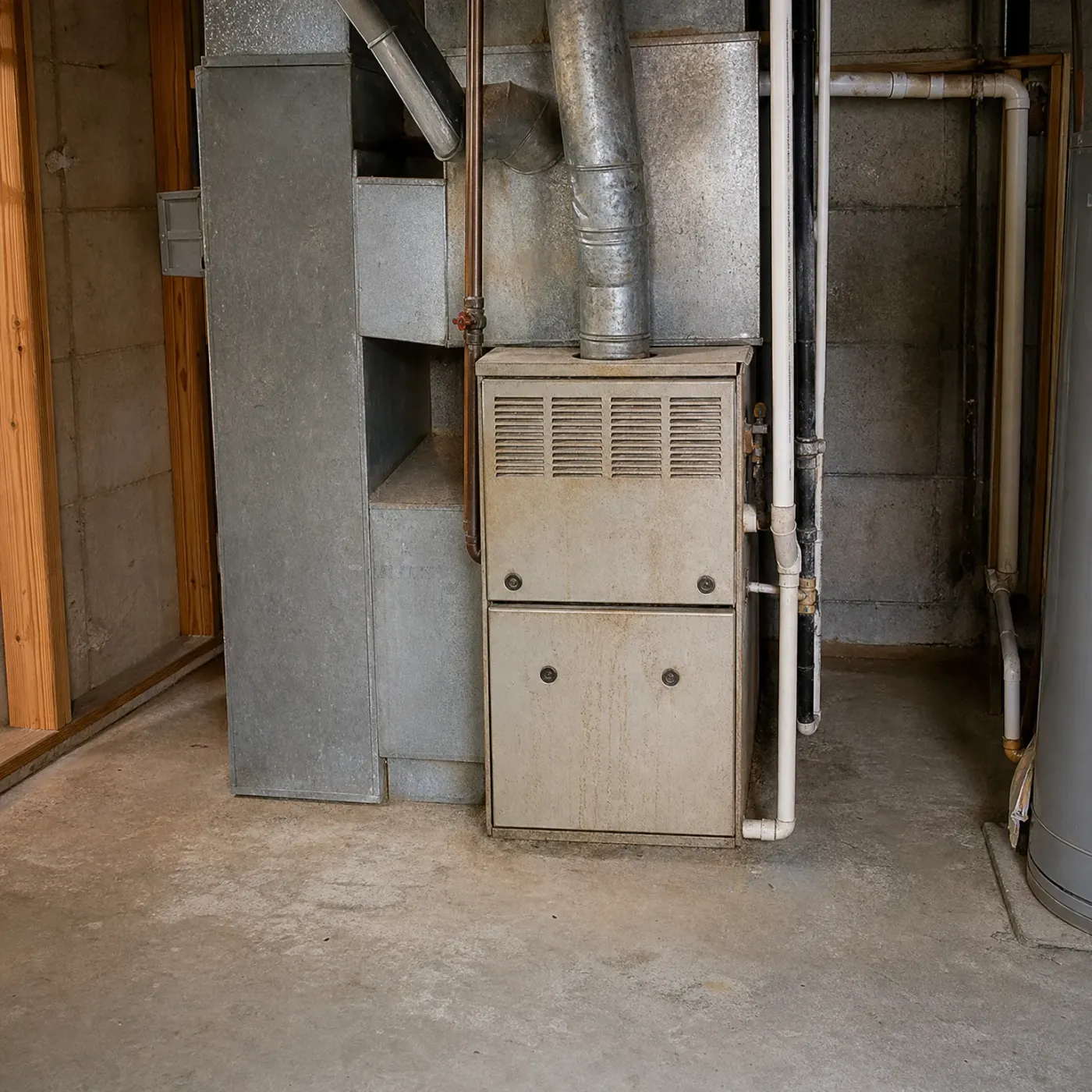
A beige gas furnace with a metal flue pipe stands in a basement against concrete block walls, beside sheet-metal ductwork, copper and white plastic pipes, and a water heater at right.
Before you get your furnace installation
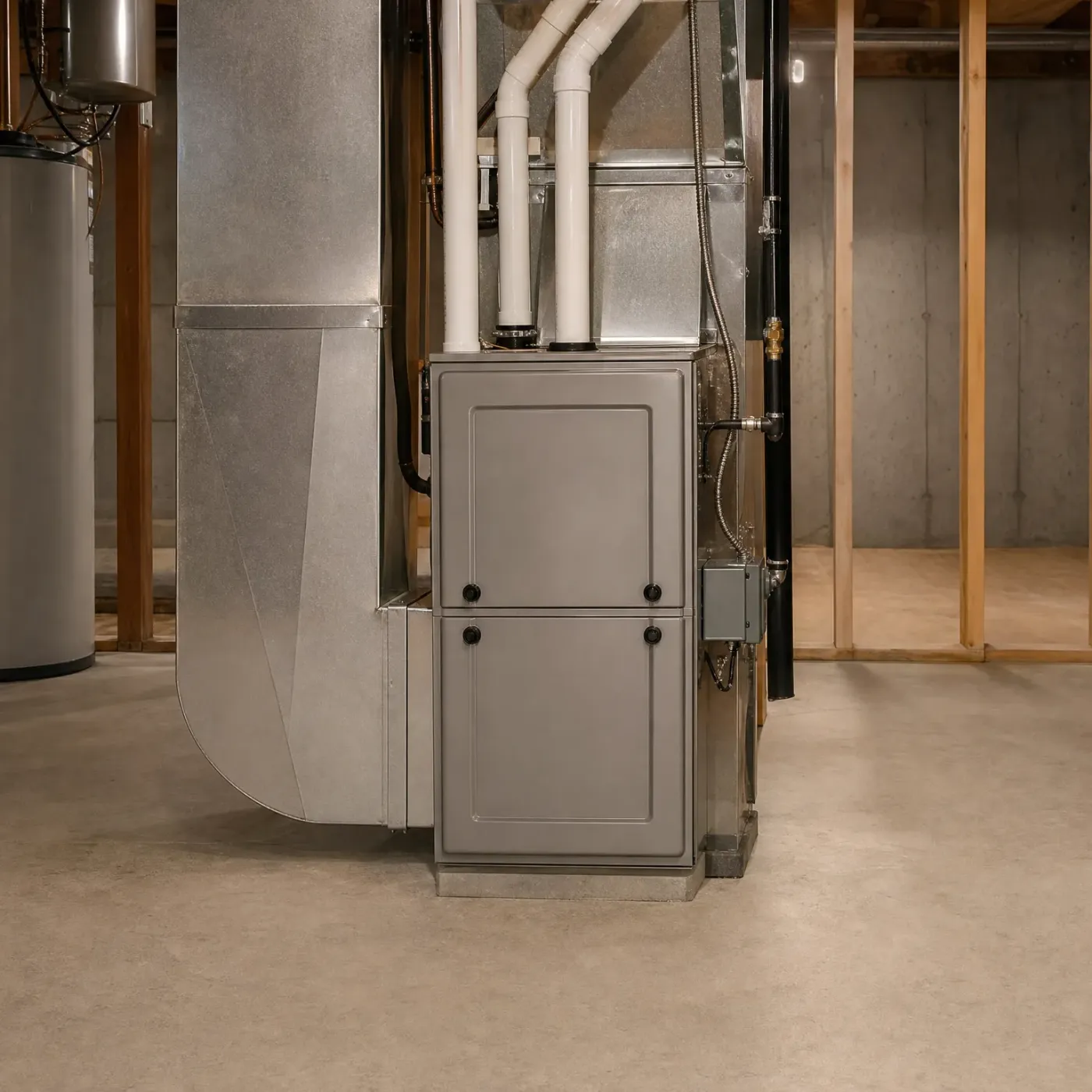
A gray high-efficiency furnace with white PVC vent pipes stands beside sheet-metal ductwork and a water heater in an unfinished basement with concrete walls and wood framing.
After you get your furnace installation

What a dying furnace costs you

A furnace on its way out shows up in the gas bill before it shows up anywhere else. Short cycling, a cracked heat exchanger masked by a working limit switch, a blower running longer than it should, all of it burns more gas to hold the same room at the same temperature. With heat running November through March here, that difference shows up on three or four bills a year, not one. You might also notice a room that used to hold steady now drifting a few degrees cold by morning, or the furnace kicking on more through the night than it used to. None of that fixes itself.

What you risk by waiting

A cracked heat exchanger doesn't announce itself. It can run for a while before carbon monoxide becomes enough of a problem to trip a detector, and by the time it does, the furnace has been putting exhaust into the air it's heating for who knows how long. Waiting past that point isn't a bill question anymore. If your furnace is old enough that a repair tech has flagged the heat exchanger, or if you don't have a working carbon monoxide detector near it, that's the point where waiting stops being a reasonable bet, mild winters or not.

A woman in a dark gray sweater reclines on a couch with her eyes closed and a knit blanket over her lap, an open book resting face-down in front of her, with a lit table lamp and shelving blurred in the background.
A bearded man in a dark navy sweater over a collared shirt smiles and looks off to the side while seated at a dinner table with a glass of red wine, a lit candle, and a plate of food in the foreground of a dimly lit room.

Let someone else find the pro

One installer gets your project, so there's no bidding war over it.

Sending the form costs nothing.

You're weighing a repair bill against a new furnace

A single repair under a few hundred dollars is easy math. Once a furnace starts asking for that twice in one winter, you're paying to keep guessing how much longer it holds up.

Winter nights average 36°F

At 36°F, your furnace is working to keep rooms comfortable, not just taking the chill off. If it can't hold that on a calm night, it's going to struggle more when a cold front pushes temperatures lower.

NOAA nClimDiv 1991-2020

A beige high-efficiency furnace with two white PVC pipes stands beside sheet-metal ductwork and a concrete wall in an empty basement with a bare light-colored wall and concrete floor.

Keeping it another winter

A furnace that still lights clean and holds every room can finish out its years here. Plano winters don't ask much of it, so a unit past ten years with no history of repairs might owe you nothing more than a yearly check of the burners and the flame sensor. Waiting costs you nothing as long as it keeps doing what it's doing.

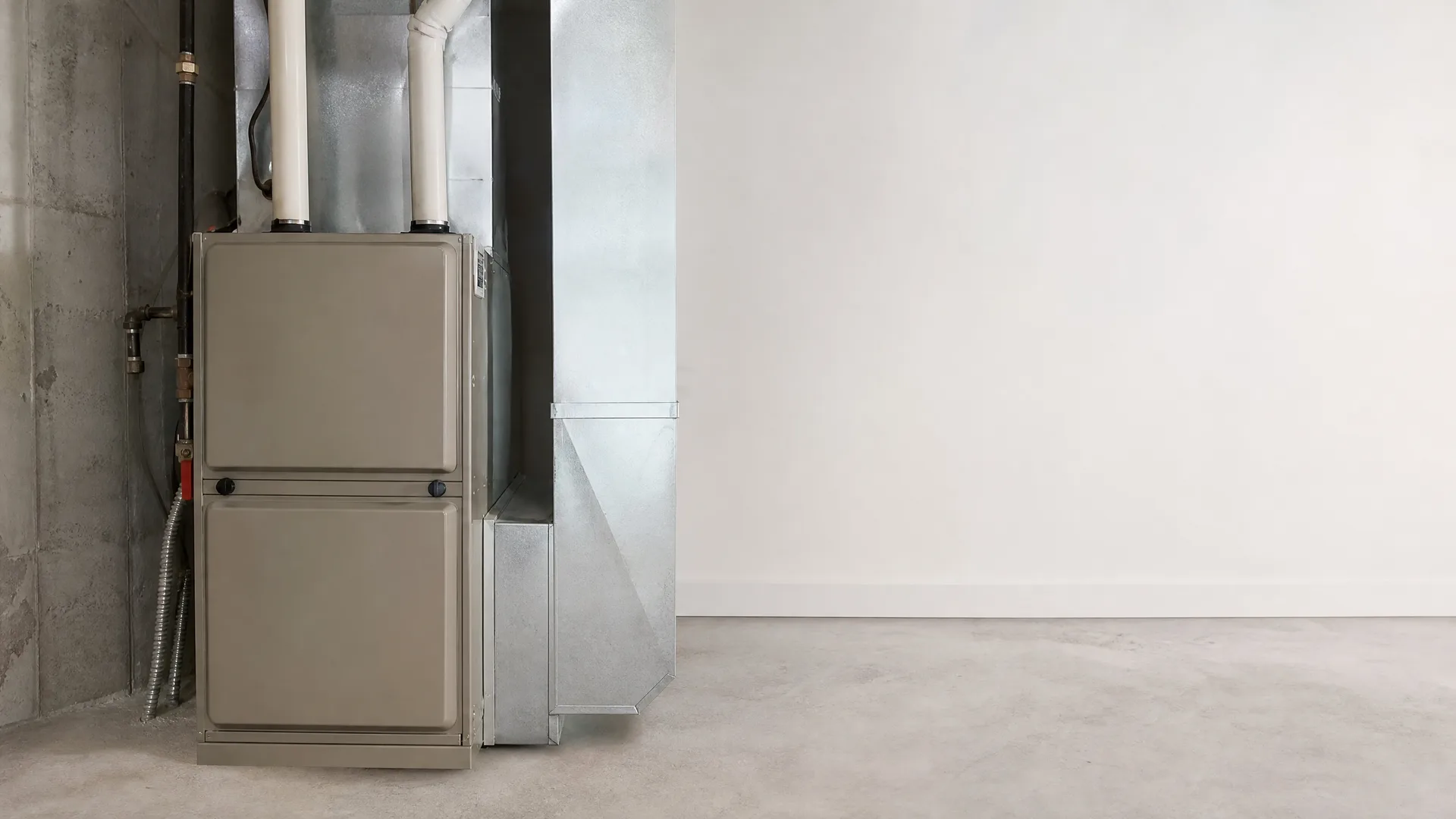
A gray furnace with sheet-metal ductwork and white PVC vent pipes stands in the corner of a finished basement room with a blank beige wall and concrete floor.

Calling it this year

Once a furnace needs a second repair in a winter, or the heat exchanger shows a crack, the math changes. Parts wear even on light duty, and a furnace that can't hold a room at 36°F outside is going to lose ground on the colder nights still ahead. Replacing it now means you choose the timing instead of a breakdown choosing it for you.

What are you noticing about your furnace right now?

Maybe a room or two never quite gets warm, even with the thermostat set the same as always. Maybe it takes a few tries to light, or you hear a clicking that goes on longer than it used to before the burners catch. Some houses pick up a faint gas smell near the furnace, or notice soot around the access panel. A furnace that short cycles, turning on and off every few minutes instead of running a full stretch, is working harder than it should on a mild Plano night. Left alone, a cracked heat exchanger can let exhaust mix with the air moving through your home, which is the one sign here worth never waiting on.

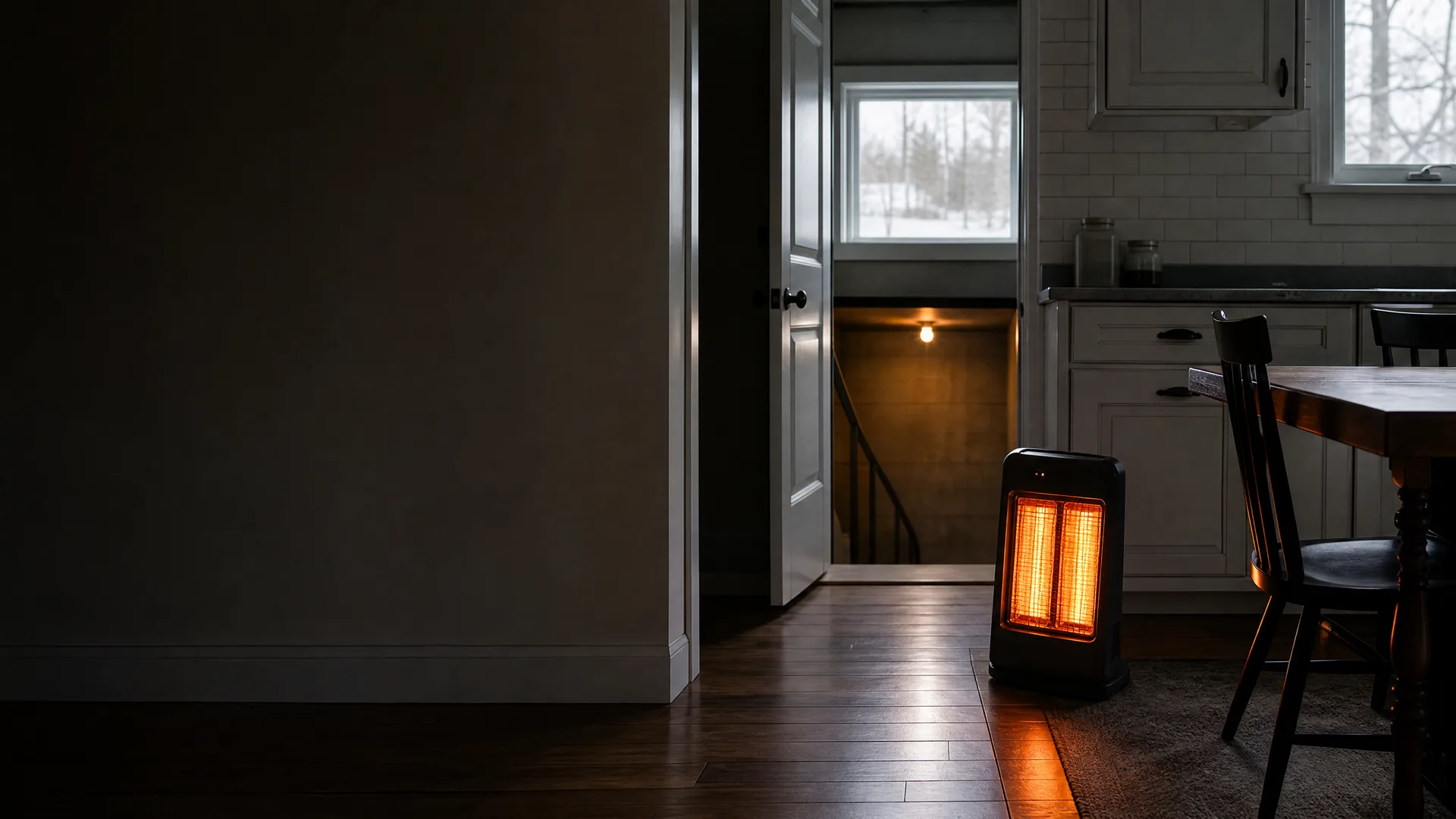
A portable electric space heater with glowing orange elements stands on a dark wood floor in a dim room beside an open door leading to a lit stairway, with a kitchen counter, window and wooden table and chairs at right.

It's just past six and still dark outside. You're at the kitchen table with coffee, and the space heater is going a few feet away, its coil throwing that orange light across the floor. The basement door behind it is open, the way it's been most mornings this week, because that's where the furnace is and you wanted to hear if it would try again. It clicked twice and didn't catch. Thirty-six degrees out, same as most nights this time of year, and the kitchen is warm enough from the space heater, but you keep glancing at the open door like the furnace might still decide to come through for you.
A furnace that lights clean and holds every room doesn't need to be replaced just because it has age on it. One that's cracking a heat exchanger, short cycling, or struggling to hold 36°F on a calm night isn't going to get better on its own. That's the line to go by. If you're past it, a licensed furnace contractor based near Plano can look at what you've got and tell you straight whether it's worth repairing or replacing, someone who sees this age and model range every winter and knows what tends to fail first in homes around here. You'd be working with one contractor, not fielding calls from several, and whatever they find, you'll know where you stand with your furnace instead of guessing at it through another winter.

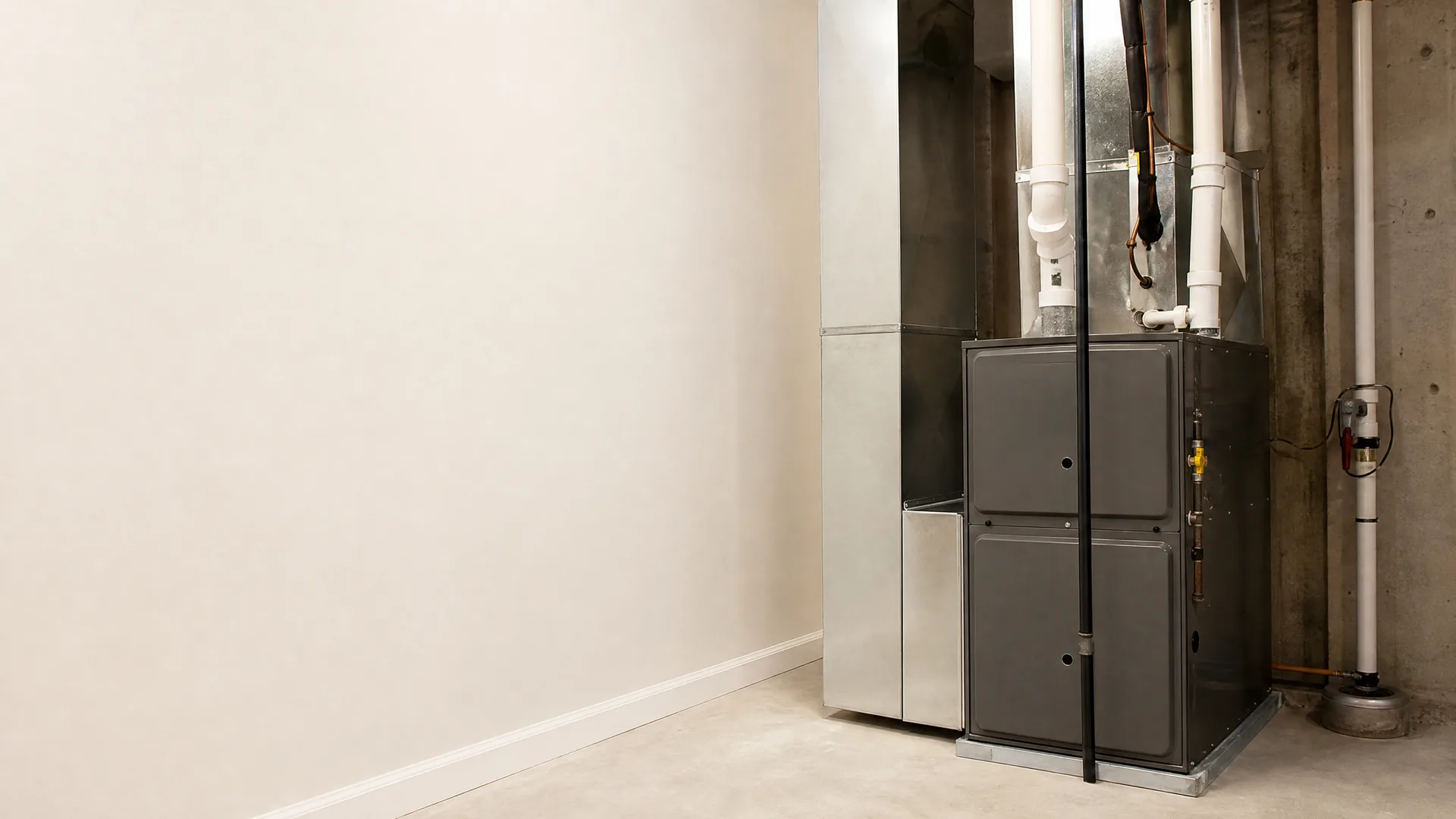
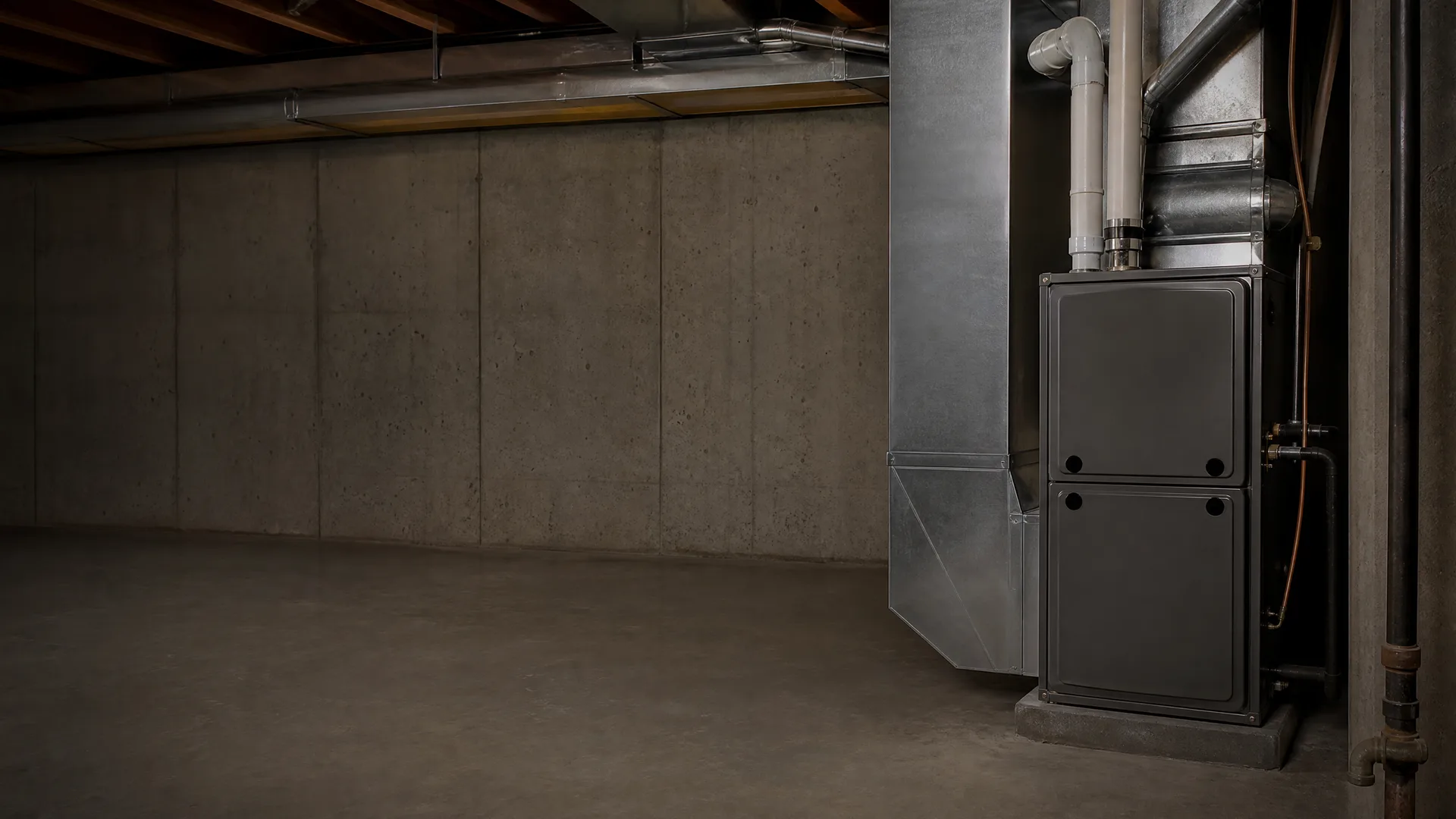
An empty basement with bare concrete walls and floor, exposed wooden joists and pipes overhead, and a dark furnace with sheet-metal ductwork and vent pipes in the right corner.

One request and it's handed off

The pro who gets in touch is licensed in Texas and works in Collin County.

Step 1 of 3: Equipment