



Texas Furnace Service

When to replace a furnace in Brownsville, TX

Send the form and the search for an installer is over.

Hand it off

When should I replace my furnace in Brownsville, TX?

Furnaces don't get much use in Brownsville, so it's hard to know if yours is actually failing or just sitting idle most of the year. You want to know if a repair still makes sense or if you're better off replacing it before it leaves you without heat on the handful of cold nights you actually need it.

Replace it when it struggles to keep up on the few cold nights, not on its age alone

Most homes around Brownsville heat with electricity, and whatever furnace or heat strip you have barely runs most of the year. That light use means a unit can last a long time, so age by itself isn't the signal to watch. What matters is whether it still heats the house on the cold snaps that do come through, usually a handful of nights in December and January. If it's cycling constantly, blowing cool air, or tripping the breaker trying to keep up, that's the sign to replace it rather than repair it again. A system that fails on one of those few cold nights leaves you with no good backup until it warms back up.

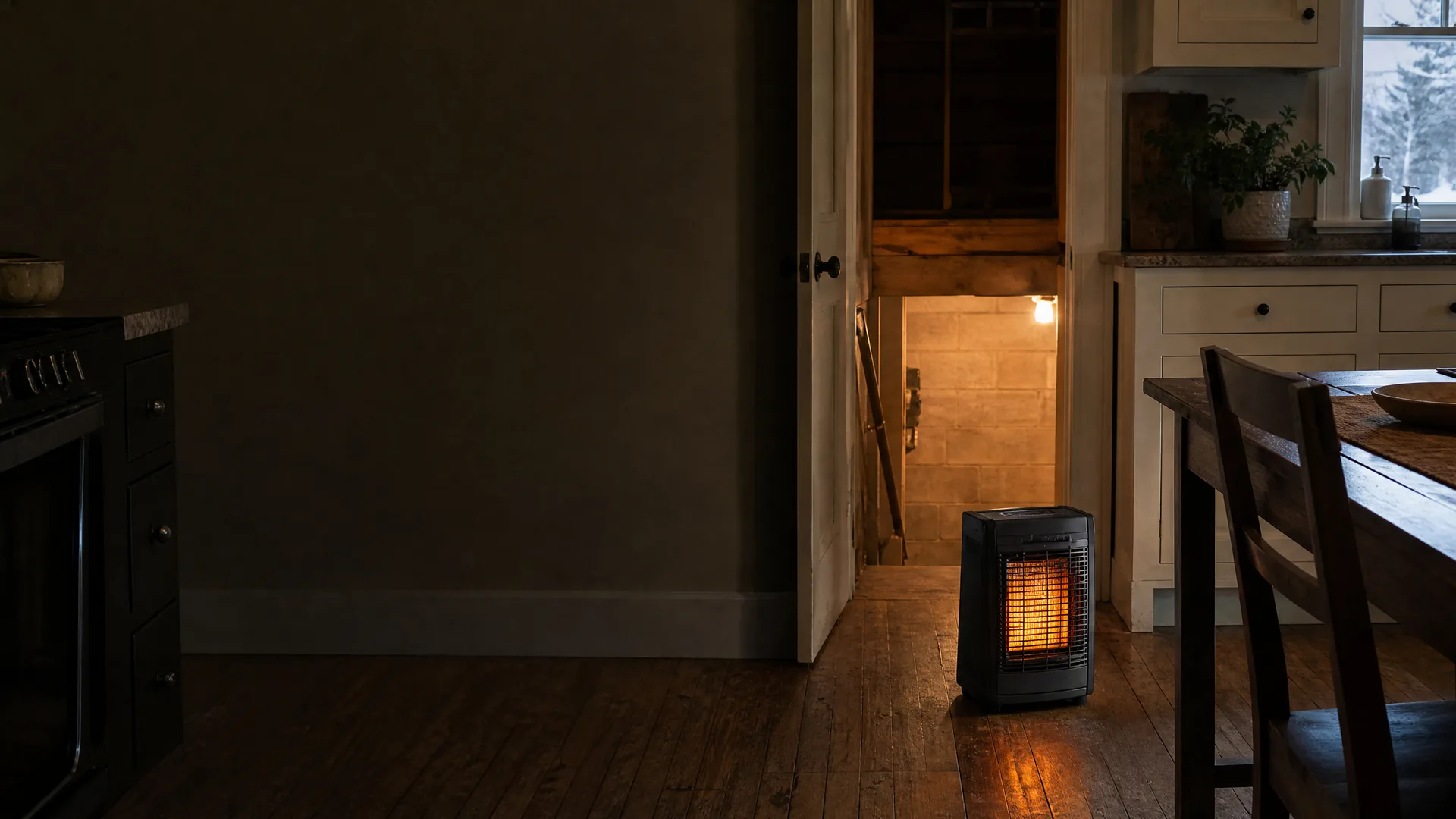
A dimly lit interior with wood plank flooring where a small portable heater with a glowing orange element sits near an open doorway, with a stove at left, kitchen cabinets and a potted plant at right, and a wooden table and chair in the foreground.

You're at the kitchen table before work, coffee going cold, and the space heater is the only thing keeping your feet warm. The furnace is off, and it's going to stay off. You tried it twice this week and both times it blew cold air for a minute, then quit. The basement door is still open from when you went down to check the pilot light and gave up. Outside it's one of the few mornings a year you'd call cold for Brownsville. Thirty more minutes and the sun will take care of it, same as it always does, but right now the extension cord running to the outlet behind the fridge is doing the job your furnace won't.

Why does a furnace problem feel so hard to figure out here?

  • Winter nights average 53°F

    Nights only average 53°F in December and January, so your furnace never has to work that hard to keep up, even when it's running.

  • Heat runs December through January

    With heat only needed two months a year, a furnace can sit idle long enough that a real problem stays hidden until the first cold night.

  • 89.9% of homes heat with electricity

    Almost 9 in 10 homes in the county heat with electricity, so when a furnace fails here, it's usually an electric system, not a gas one.

NOAA nClimDiv 1991-2020 · ACS 2020-2024

Repair it this time

A furnace that's worked fine for years and just tripped once probably isn't done. If the igniter failed or a flame sensor got dirty, that's a cheap fix and the furnace goes back to sitting idle until next December. Most of these calls in Brownsville are exactly that. The unit barely runs, so wear happens slow, and a single part giving out after years of light use doesn't mean the rest is close behind. If this is the first time you've had trouble, or the furnace is doing its job the other ten months with nothing more than the pilot or a thermostat, repair makes sense and there's no reason to spend more than you have to on a system that only earns its keep in January.

Replace it instead

If this is the second or third repair in a few winters, or the furnace is old enough that parts are getting hard to find, paying to fix it again just delays the same call next December. A furnace that struggles even on a 53°F night isn't being asked to do much, so if it's already failing at that, it's not going to get easier. Replacing it means you're not guessing every fall whether this is the year it quits for good, and a new one installed now is sized and set up for how little this furnace actually has to work here, which matters more than it sounds like it would.

A man in a blue sweatshirt reclines with closed eyes in a brown leather armchair in a living room with a bookshelf, houseplant, sofa, window, and a side table holding newspapers and a dark mug.
A bearded man in a gray pullover reclines with closed eyes on a brown leather sofa in a sunlit room with a window, framed picture, potted plant, and a wooden cabinet holding papers and a dark mug.
A man in a gray sweater leans back with closed eyes in a brown leather armchair beside a wooden side table holding a dark mug and a folded newspaper, with bookshelves and a window seat behind him.
A man in a green sweater reclines in an armchair with his eyes closed and a slight smile, beside a window with plants, a small table holding a mug and folded newspaper, and bookshelves behind him.

A furnace in Brownsville might run for two months a year and still fail, because an igniter or flame sensor degrades from sitting idle as much as from use.

That's why a furnace that quit after years of working fine is usually a small part, not a dying unit. Replacement makes sense when the failures repeat, not when there's just one.

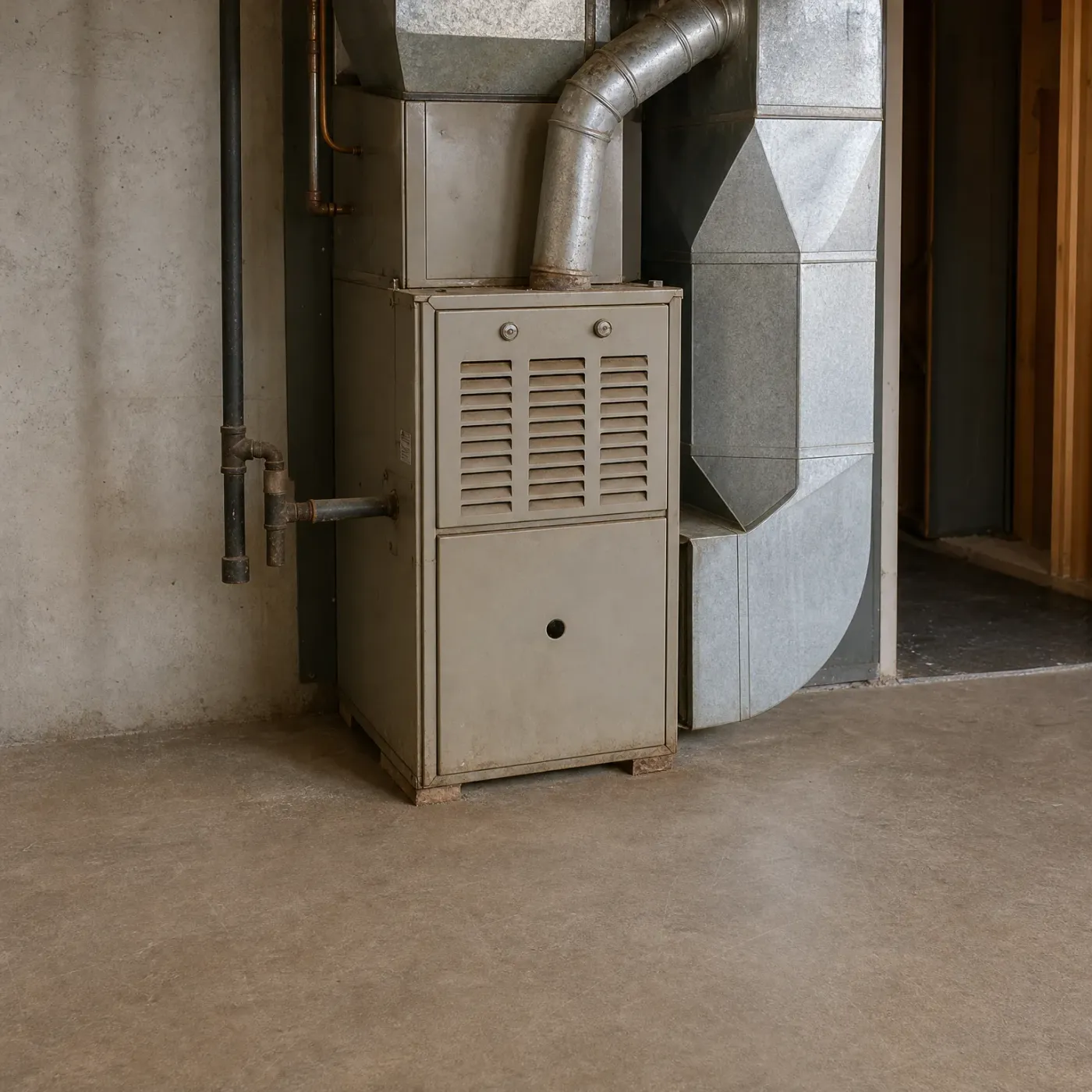
A beige metal furnace with a louvered front panel stands on a concrete floor against a concrete wall, connected to galvanized sheet-metal ductwork and a metal pipe.
Before you get your furnace installation
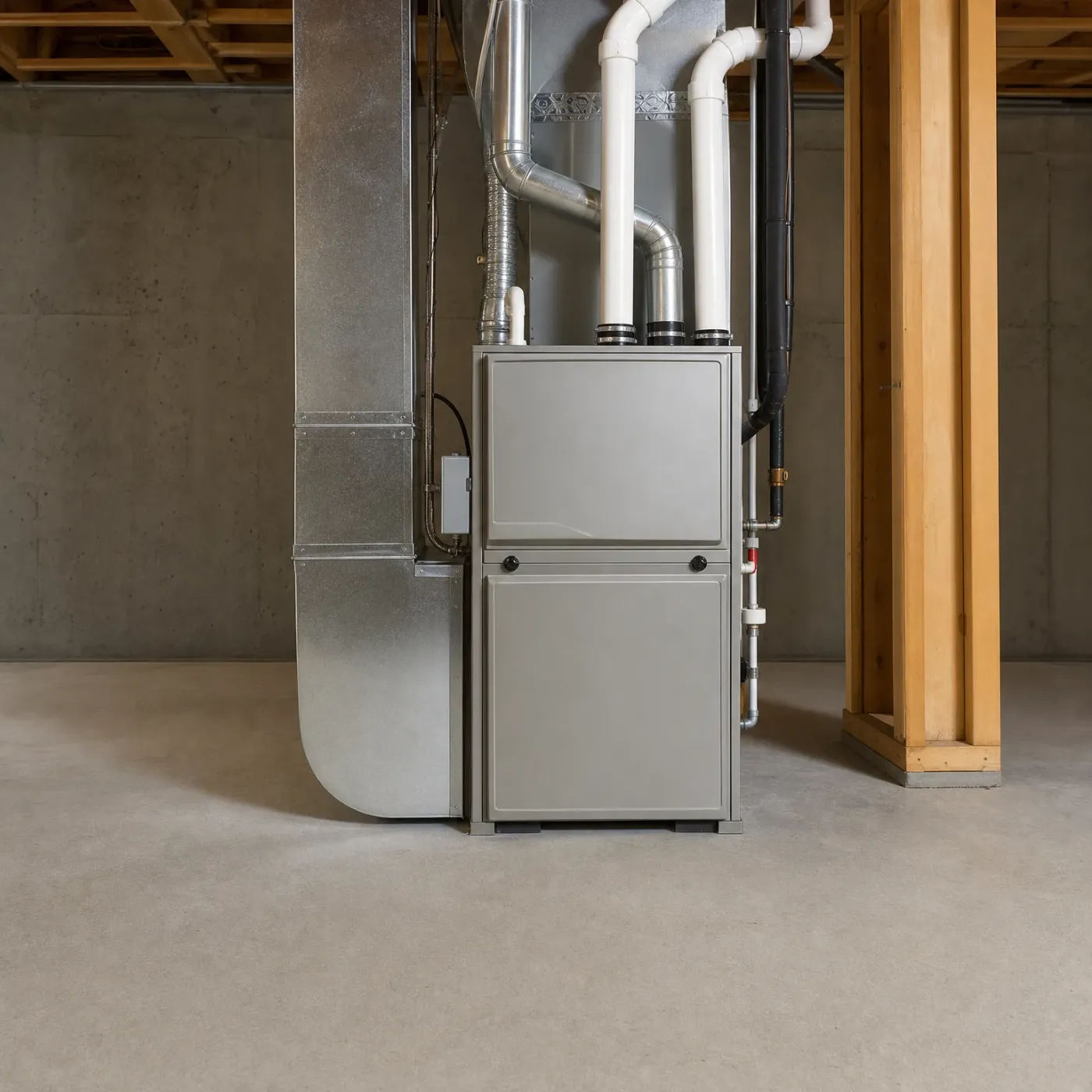
A gray high-efficiency furnace stands on a concrete basement floor beside sheet-metal ductwork, with white PVC vent pipes and a black flexible line running up to exposed wood floor joists, next to a wood-framed post against a concrete wall.
After you get your furnace installation

Stop chasing a furnace pro

A furnace that only runs two months a year still has to get fixed by someone who knows what a light winter does to it. Most contractors see a dozen furnaces a week come out of busy ductwork; here, the calls are a cracked igniter or a flame sensor that sat dirty since February, because that's what idle equipment throws. A local contractor who works Cameron County furnaces knows to check for that before anything else, instead of guessing from a service manual written for a Michigan basement. Your request goes to one of them, not a handful, so you're not fielding five calls while you're trying to get out the door to work. If the furnace is past saving, the same contractor can quote the replacement, and you're not explaining your situation twice to two different companies. Cold feet at the kitchen table this week don't have to turn into cold feet next December too. Send the request and let someone who does this locally figure out which one you're dealing with.

When the furnace runs most winters

If this is the first time it's given you trouble and it ran fine every December and January before, a repair probably settles it. A cracked igniter or a flame sensor that needs cleaning is common after months of sitting idle, and either one is a quick fix. The furnace goes back to working the way it did last winter and the one before that. There's no reason to replace a unit that's only failed once over a problem this small. Get the part fixed and it should carry you through the rest of the mild nights ahead, same as always.


When it keeps failing on you

If you've had it repaired more than once this winter, or it's started blowing cold air again after a fix, that's a different situation. A furnace that can't hold a repair through one short heating season is telling you the parts around it are wearing out, not just the one that broke. Paying for another service call only to have it fail again in a few weeks costs more over time than putting that money toward a new unit. At that point you're not maintaining a working furnace. You're buying time on one that's already decided it's done.

A gray-haired man with a beard in a blue button-placket shirt reclines on a couch with his eyes closed, beside a sunlit window with a green plant.
A woman in a cream knit sweater sits in an armchair with her eyes closed near a window showing yellow autumn foliage, with a mug on a round wooden side table beside her.
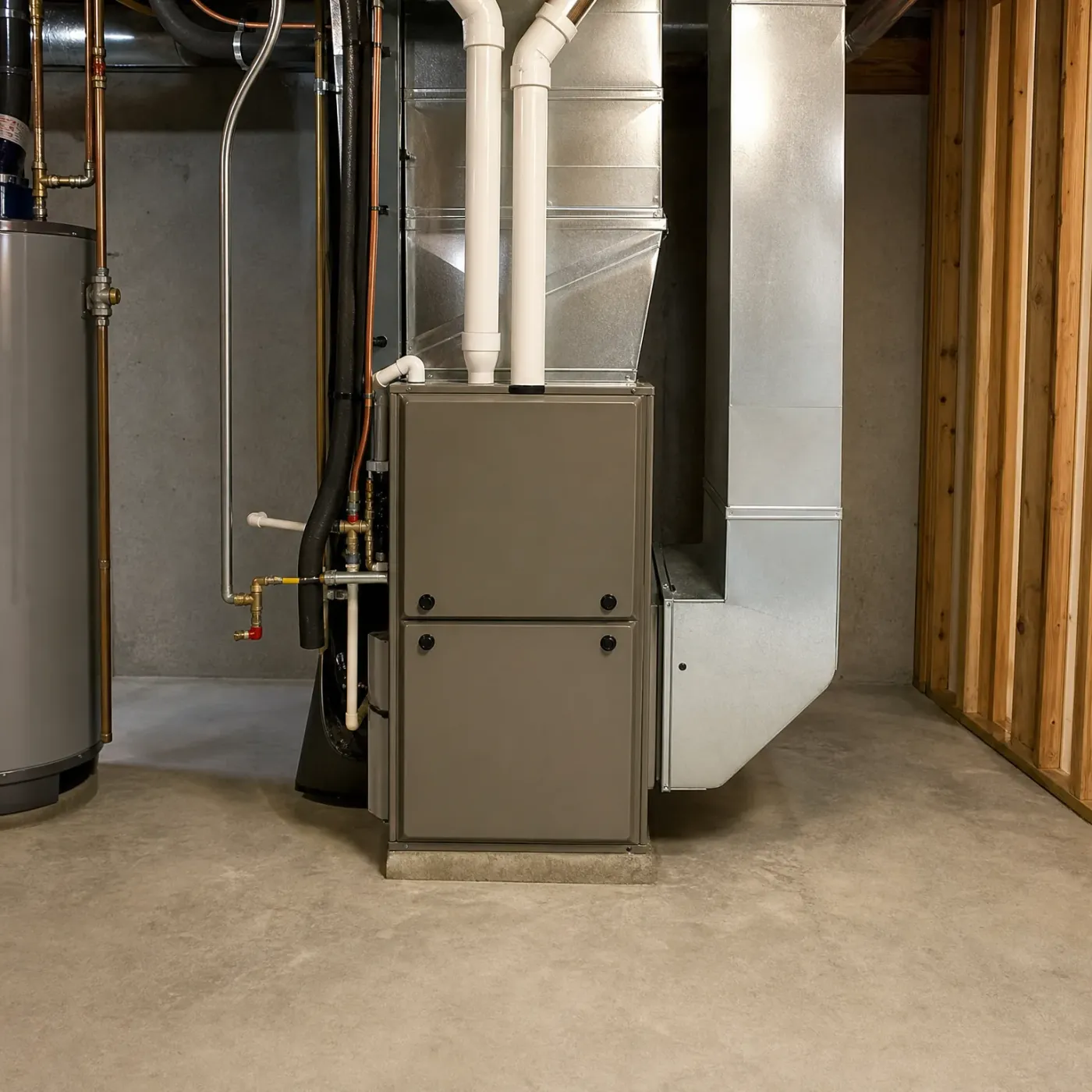
A gray high-efficiency furnace in a basement with PVC vent pipes, sheet-metal ductwork, copper and insulated pipes, a water heater at left, and an unfinished wood-stud wall at right.

Running the way it should

This is what a furnace in good shape looks like down there: clean connections, a steady flue run, nothing loose or rusted at the joints. It fires when you need it, runs a few minutes, and shuts off. No cold blasts, no smell, no short cycling. A furnace that looks like this usually just needs the occasional repair.

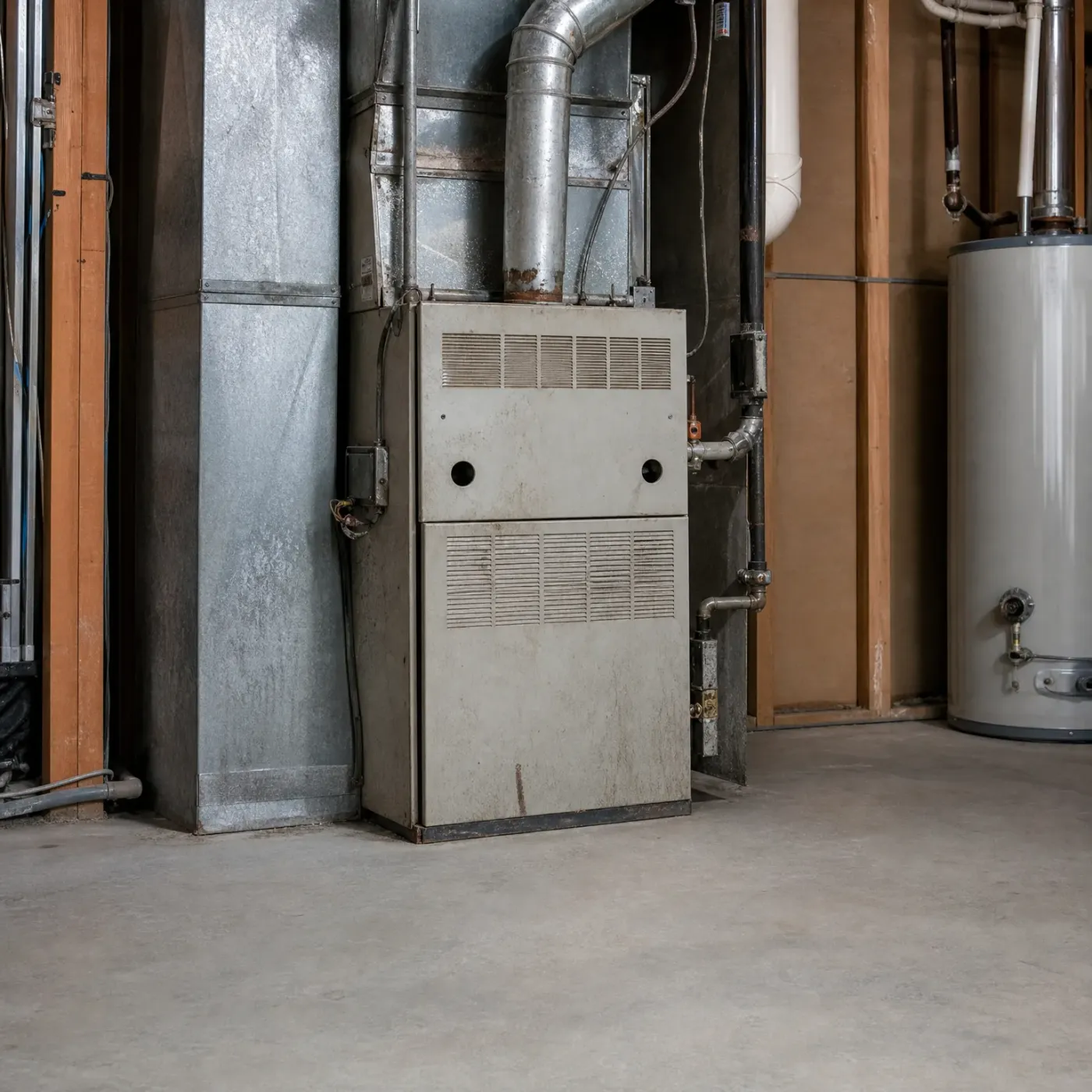
An older beige furnace with louvered front panels stands on a concrete basement floor beside galvanized ductwork, metal and plastic pipes, exposed wood framing, and a cylindrical water heater at right.

Past the point of patching

Galvanized ductwork like this and an aging tank next to it usually mean the furnace has been in place a long time too. Rust on the cabinet, a flue pipe that's seen better days, scorch marks near the burner. Once a furnace gets here, another repair tends to buy you a few weeks, not another winter.

Repair Again or Replace Now

Keep repairing it

  • If it's failed once in years of working fine, a cracked igniter or dirty flame sensor explains it, and that's a small fix.
  • A furnace that only runs two months a year doesn't rack up the wear that shortens its life, so age alone isn't a reason to replace it.
  • You're not losing much by waiting, since a mild Brownsville winter gives you room to call someone out and get a part swapped without the house going cold for long.
  • If this is the first breakdown, the rest of the furnace, the heat exchanger, the blower, the ductwork, is still doing its job.
  • Replacing a furnace that's otherwise sound means paying for capacity you'll use two months a year.

Time to replace

  • If this is the second or third repair in as many winters, the furnace is telling you it's done, not unlucky.
  • A cracked heat exchanger isn't a part swap, it's a reason to stop putting money into that unit.
  • If the furnace came with the house and nobody's touched it since, you're already past the point most of these units start failing for good.
  • Rust at the burner or soot around the access panel points to a problem that keeps coming back, not one repair away from solved.
  • A new furnace means one winter where you're not checking the thermostat twice because you don't trust the heat to hold.
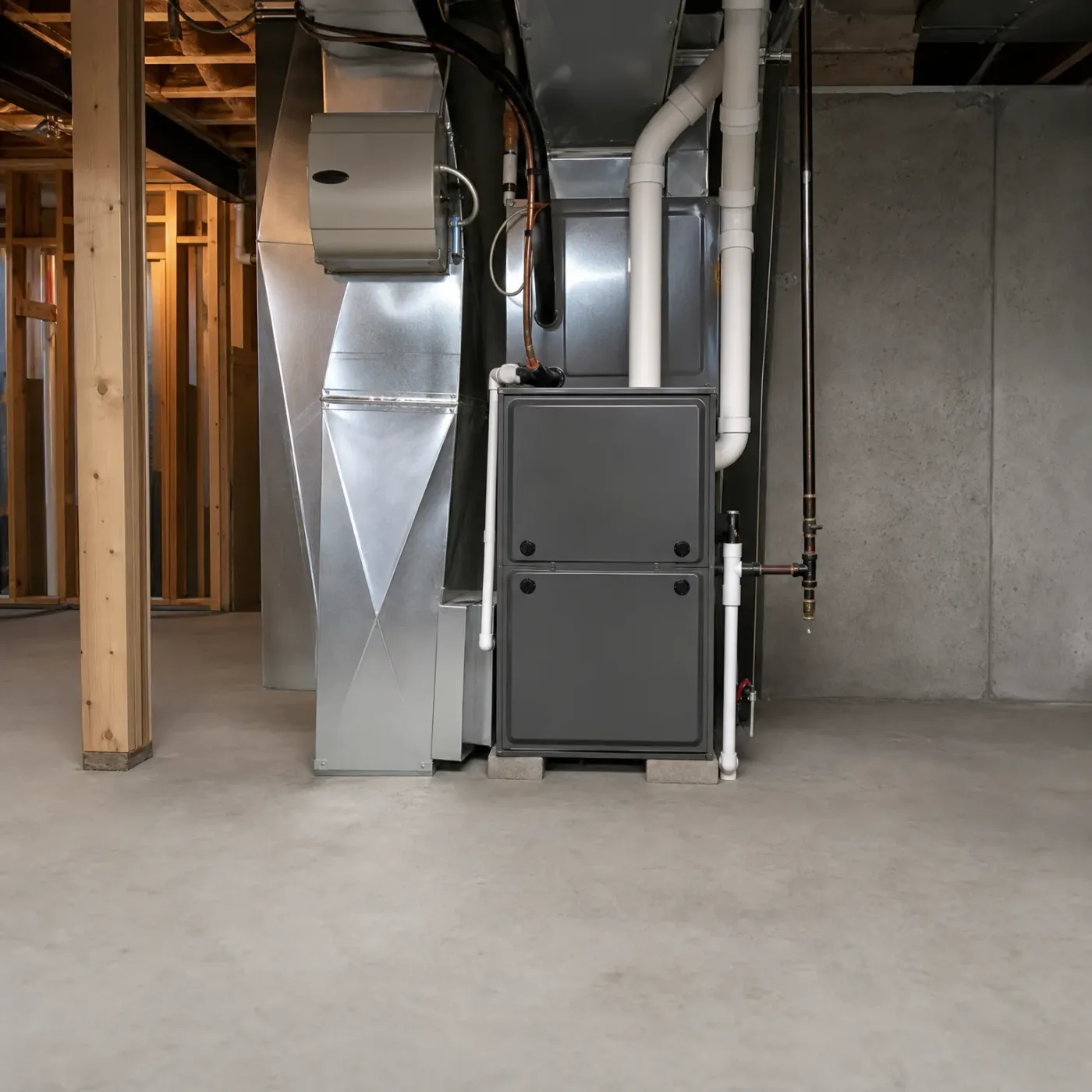
A gray high-efficiency furnace with white PVC venting pipes stands on blocks in a basement next to sheet-metal ductwork, with exposed wood framing on the left and a concrete wall and floor.
Connections are tight, the flue run is straight, and nothing at the joints shows rust.
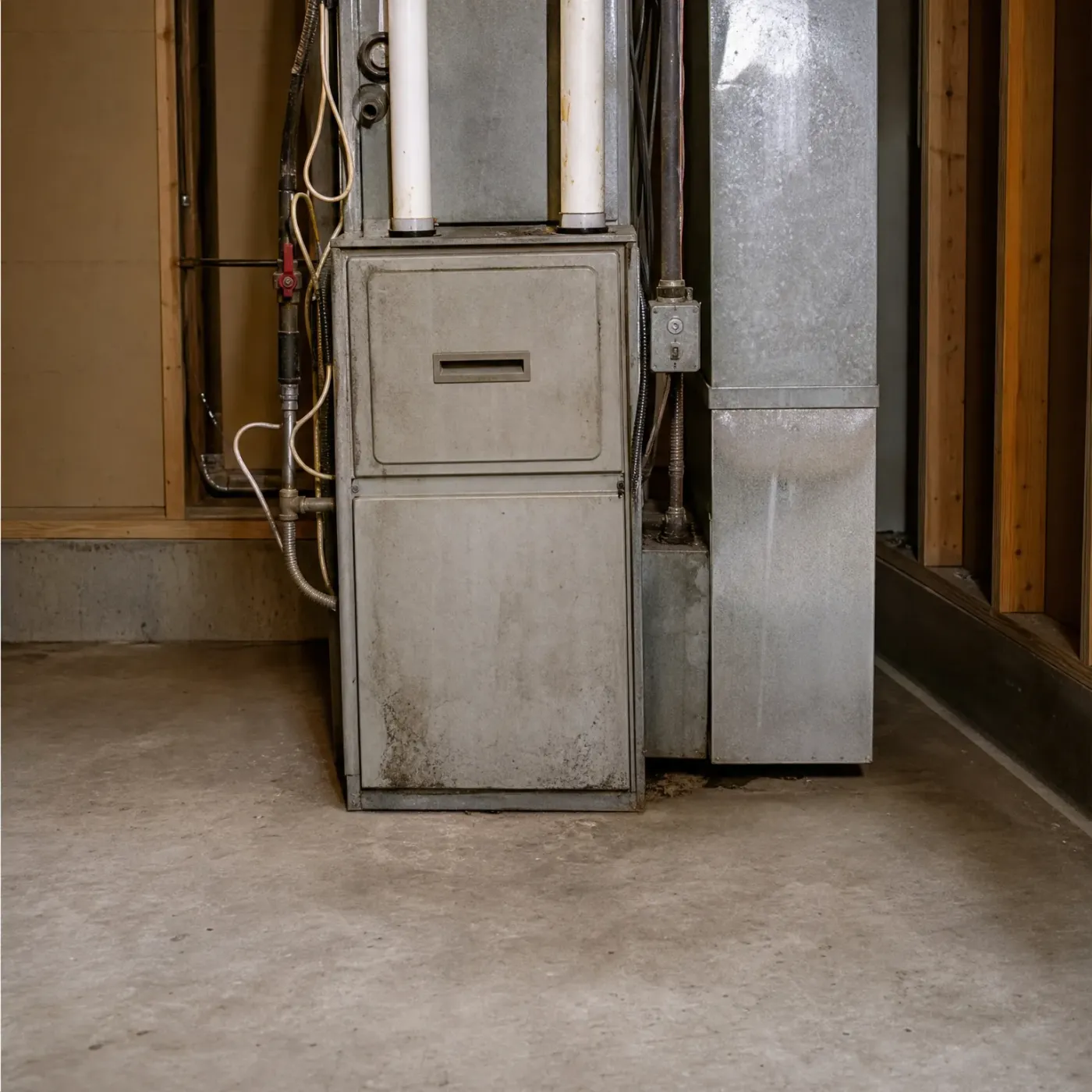
An older gas furnace with two white PVC vent pipes stands on a concrete basement floor beside galvanized sheet-metal ductwork, flexible conduit, and piping along a wall.
A cracked cabinet or a rusted flue joint like this means the next cold snap could leave you without heat.

Winter nights average 53°F

At 53°F, your furnace only has to take the edge off, not fight real cold. That's light duty, which is exactly why a worn igniter or a failing flame sensor can go unnoticed for weeks between the nights you actually need heat.

NOAA nClimDiv 1991-2020

A furnace that's failed once after years of working right is usually a cheap fix. One that's cracked at the cabinet, rusted at the flue, or quitting on you every other night is telling you it's done, and a repair at that point just delays the same call. Either way, the next step is getting someone to look at what's actually under there, not guessing from the kitchen table. The contractor who takes this request works in Brownsville and Cameron County and sees this exact pattern every winter, a furnace that sat idle for ten months and then either needs a ten-minute fix or needs replacing outright. You'll hear from one licensed local contractor, not a handful of companies competing for the job, so there's no juggling calls or comparing strangers. Someone who already knows what two months of light duty does to an igniter or a flame sensor is the one looking at yours.

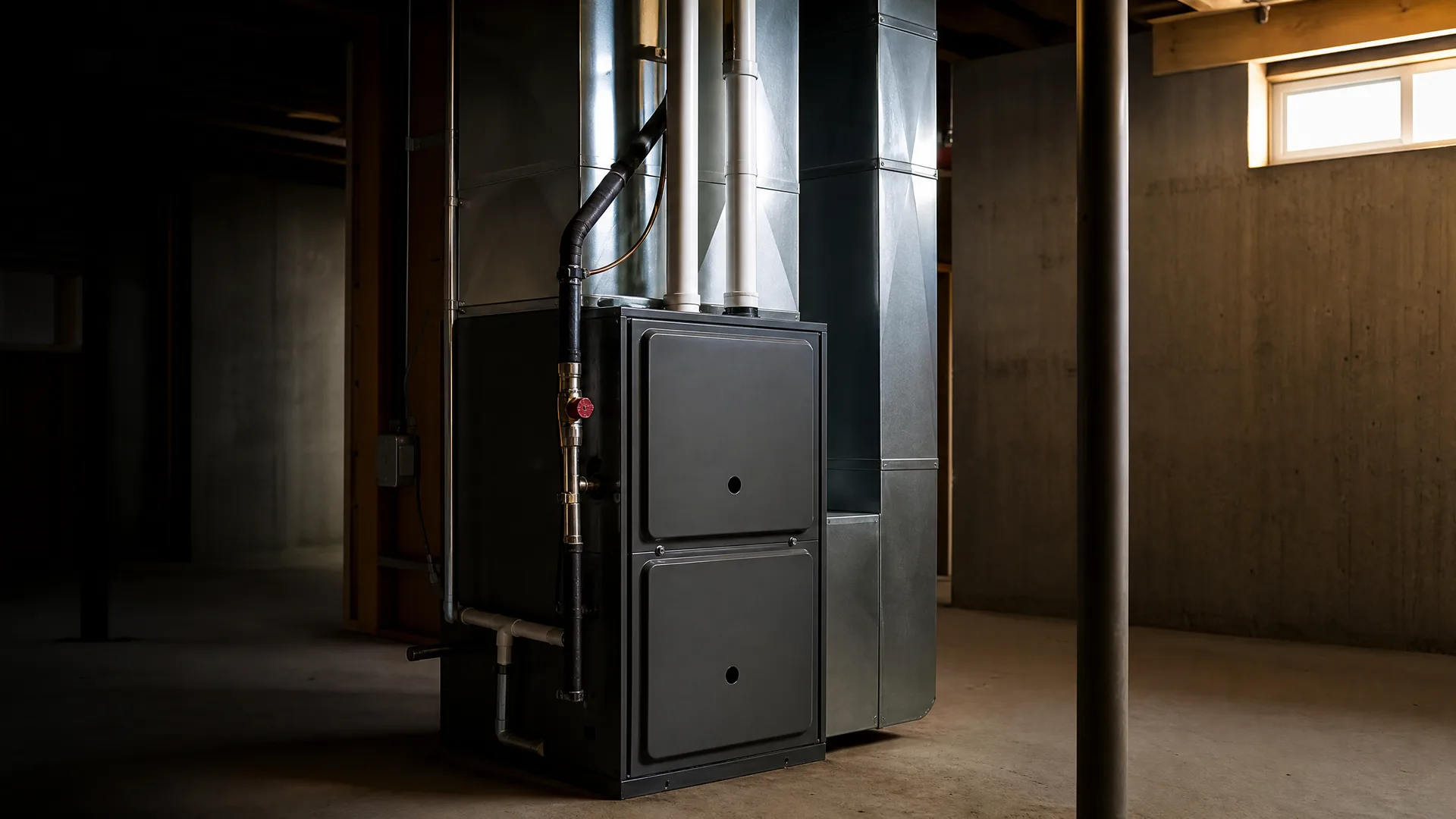
A dark gray high-efficiency furnace with two white vent pipes and connected sheet-metal ductwork stands in an unfinished basement with concrete walls, a support pole, and a small window.

Send one request and you're done looking

Step 1 of 3: Equipment