
It restarts clean
The furnace fires up, runs its full cycle, and warm air keeps coming. Nothing more to do tonight except let the house come back up to temperature.
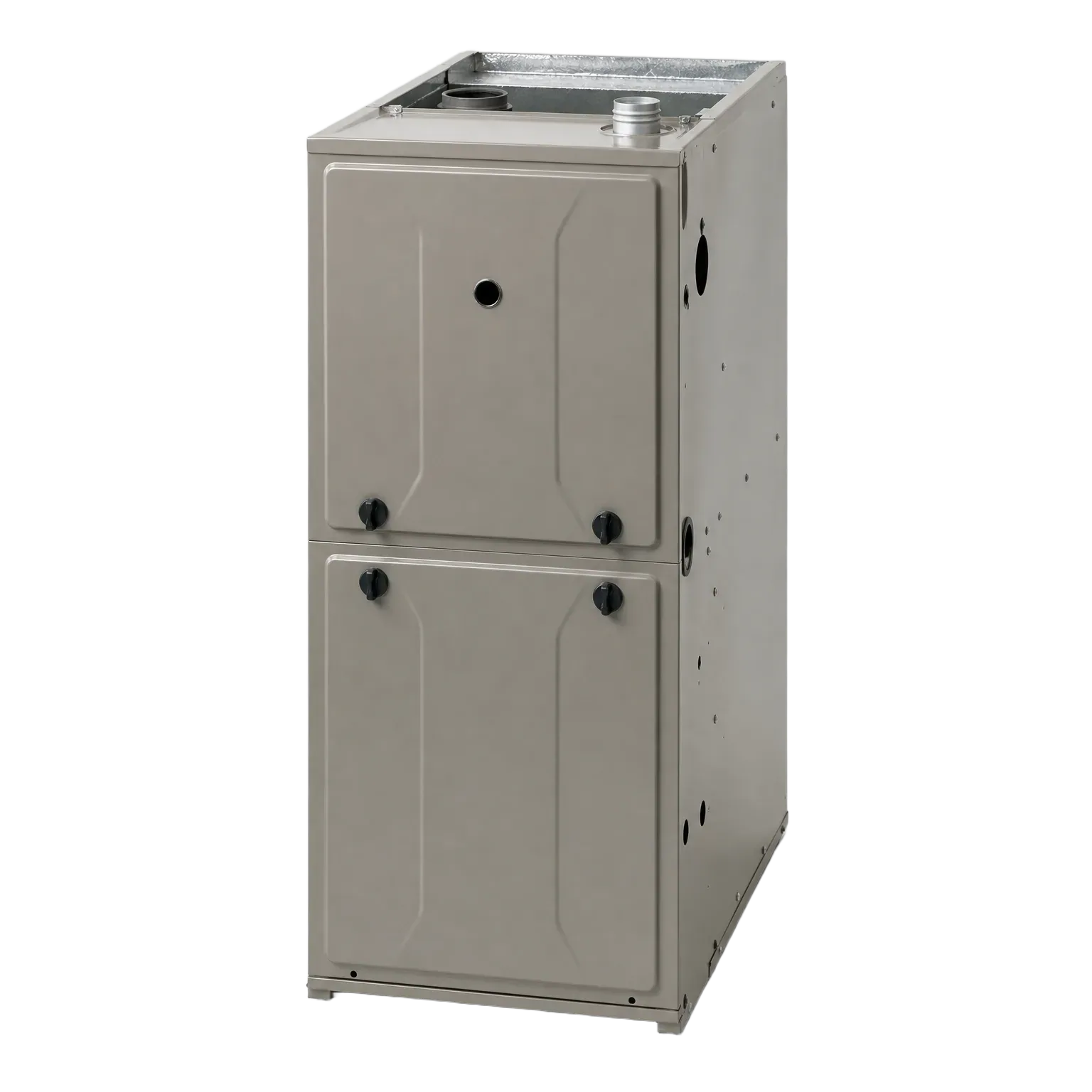
After a power outage, your furnace should come back on its own once electricity returns, the same way it does any other time power blinks off. Most homes in Texas heat with electricity, so when the outage ends, the system just needs to be told to run again. Check the thermostat first. If the screen is blank or shows the wrong time, it may have lost its settings and needs the temperature set above the current room temperature to call for heat. Go to the breaker panel next and look for the one marked for the furnace or air handler. If it tripped, switch it fully off, then back on. If the furnace still doesn't start, the problem usually isn't the outage itself but something it exposed, like a blower motor or control board that was already weak and couldn't restart cleanly. That's a repair question, not a waiting one.
A thermostat that runs on batteries can lose its settings in a long outage, even after power comes back. If the screen is blank or shows the wrong time, the furnace has nothing telling it to turn on. Set the temperature a few degrees above the room and listen for the blower. If the screen is dark, the batteries are the first thing to swap.
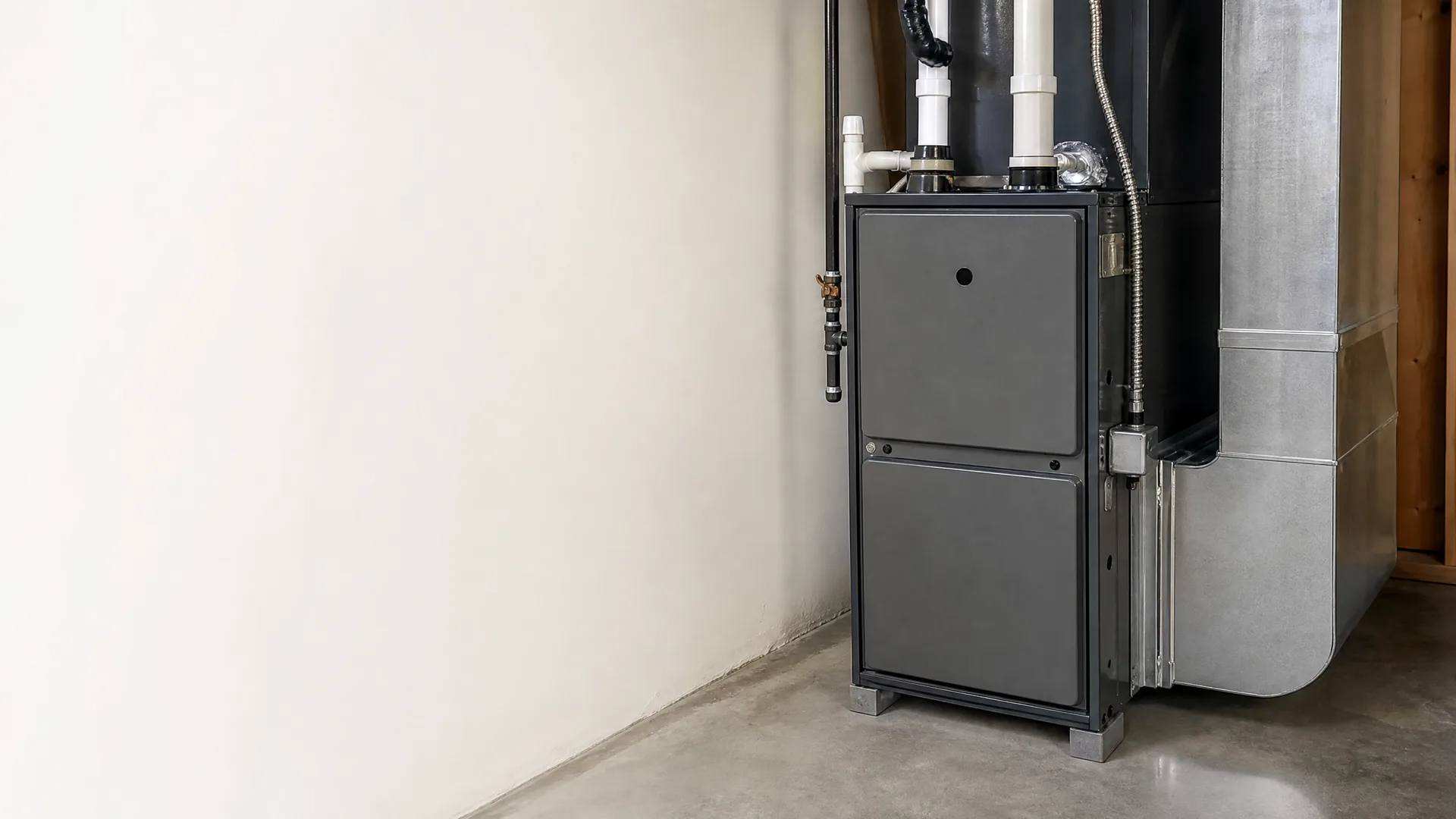
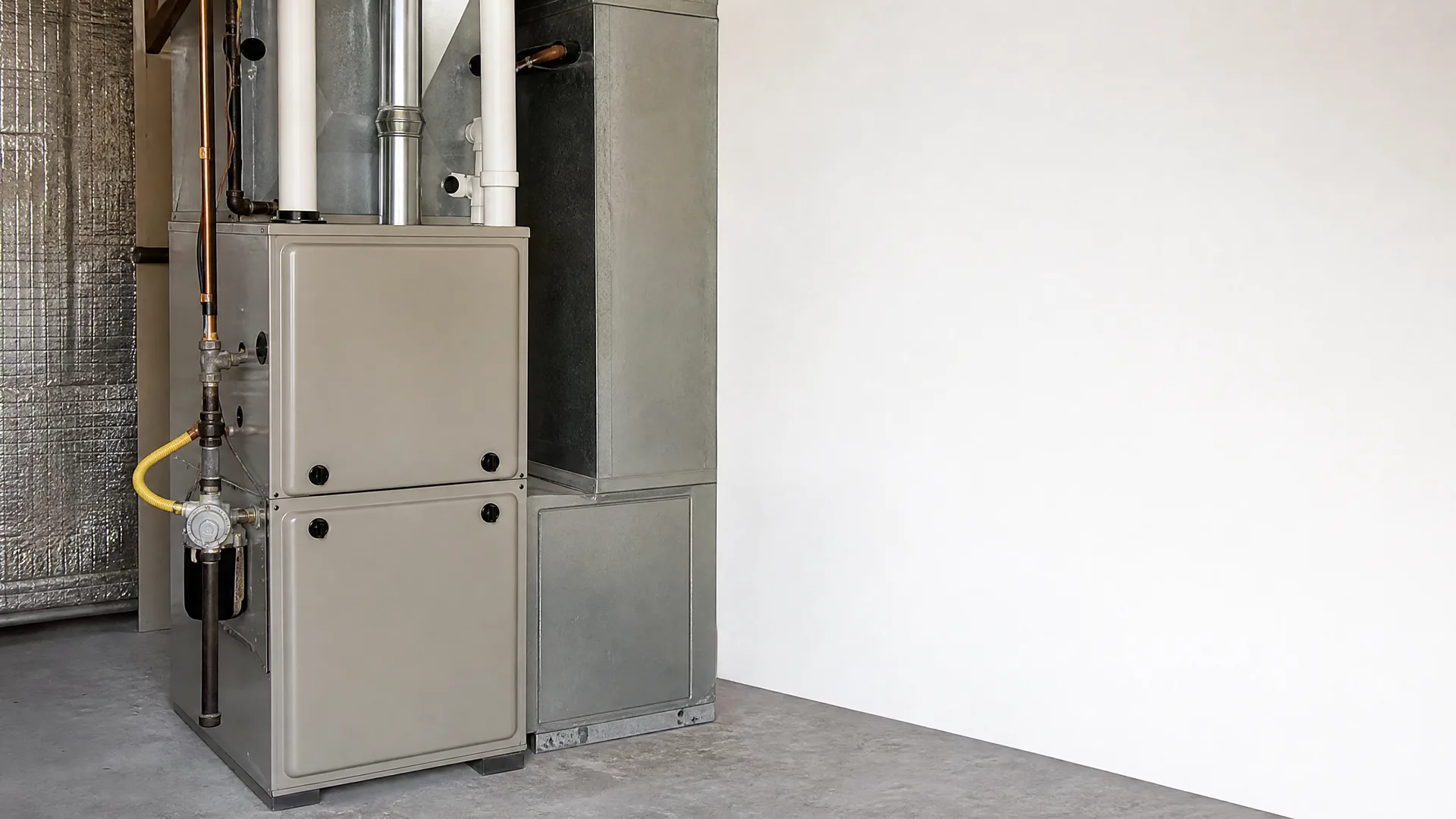
Furnaces run on electricity even in homes that burn gas for heat, because the blower, the control board and the igniter all need power to work. If the breaker for the furnace has tripped, reset it once and watch whether it holds. A breaker that trips again right away is telling you something downstream is drawing too much power, and that's a job for someone licensed to open the panel.
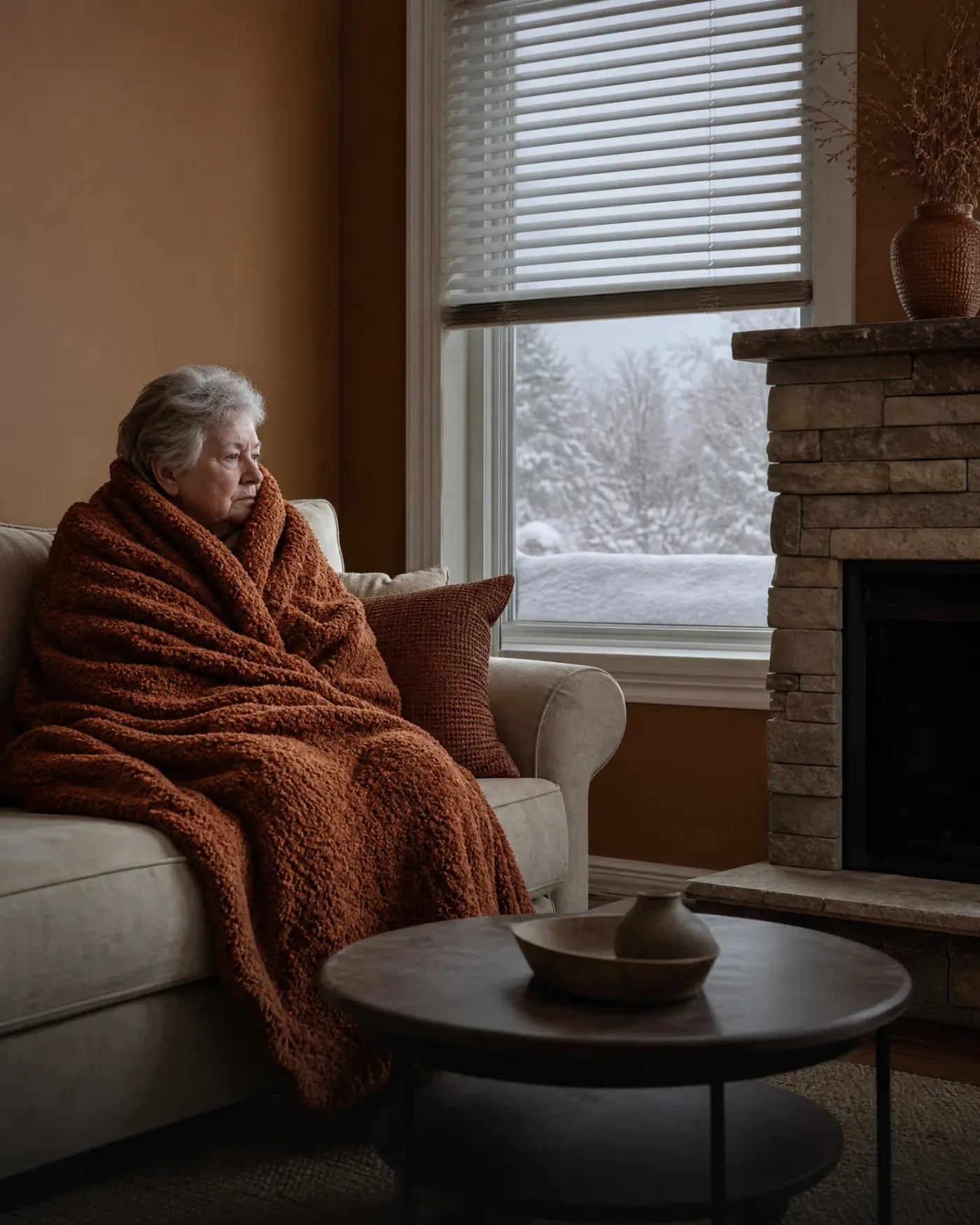
You flip the breaker back and nothing happens. No air, no hum, no warm air coming out of the vents. Sometimes the thermostat screen is dark or blinking. Sometimes it's lit up but the house stays cold anyway. You might hear the system try to start and then quit, or hear nothing at all. If this drags on, the house loses whatever heat it had stored up, and that matters most if there are kids, older adults, or anyone who gets cold fast at home. Most of the time the fix is small, but you want to know that before deciding how long to wait it out.
Power returns and the thermostat calls for heat
The control board checks its safety switches first
The inducer motor starts and clears the vent
A pressure switch confirms the inducer is running
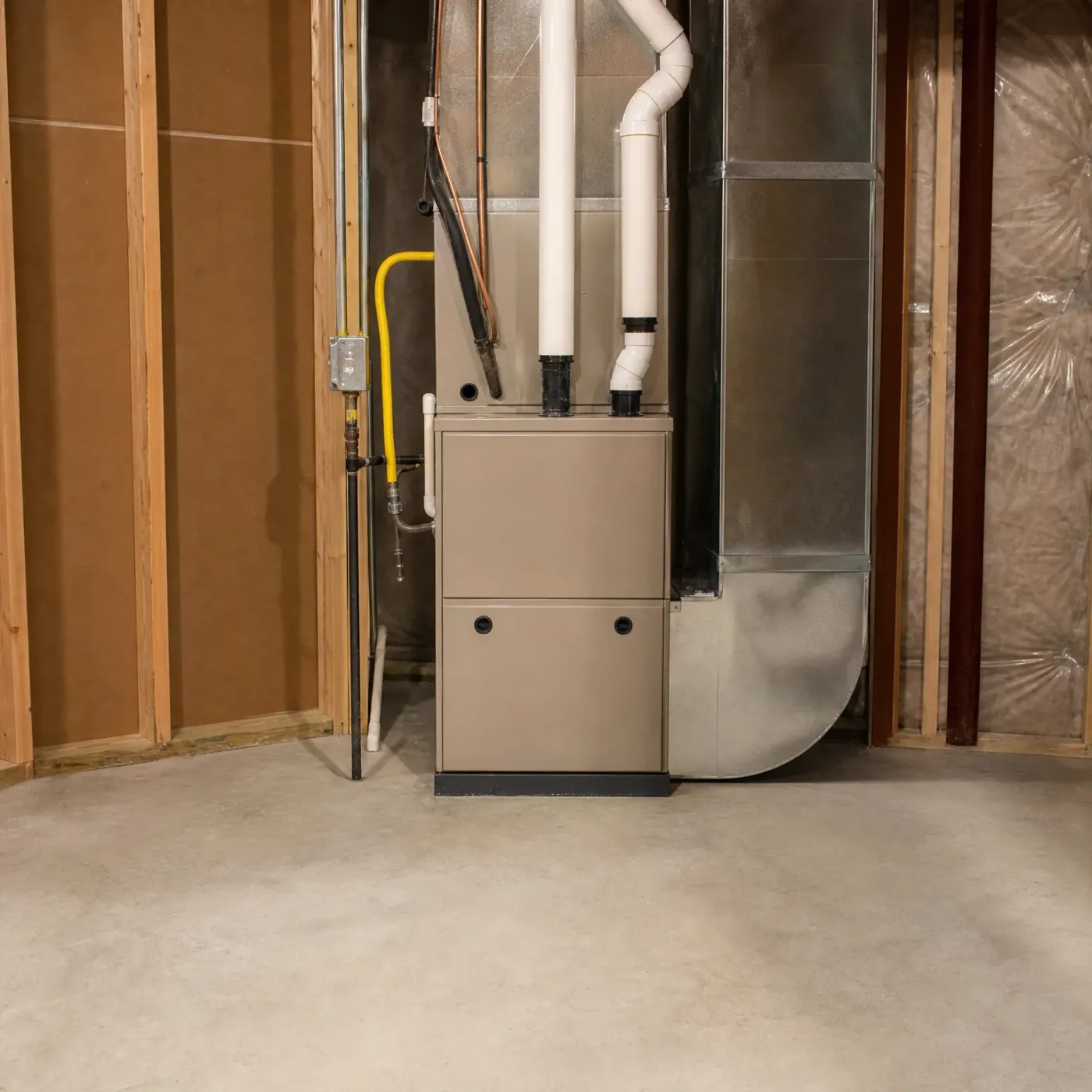
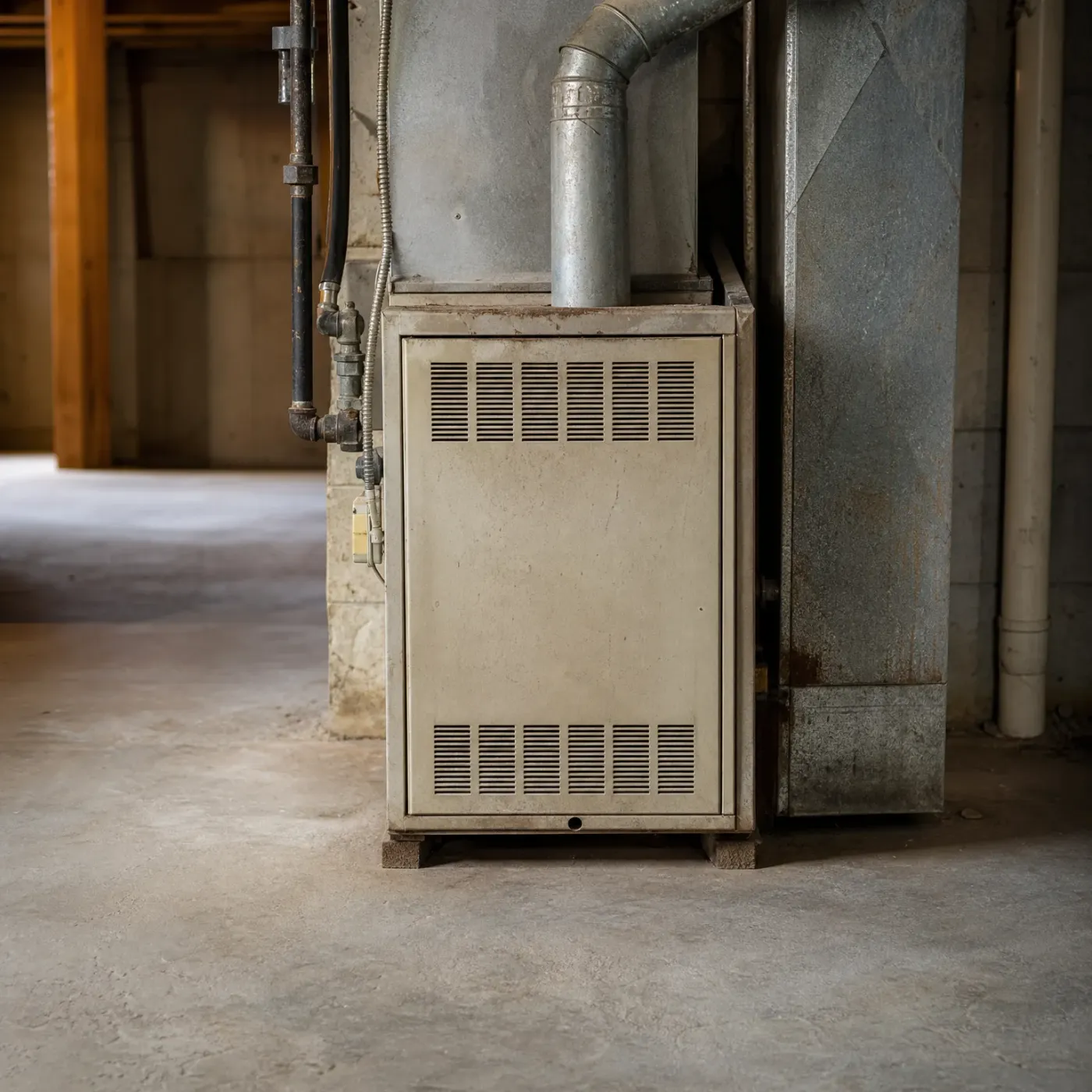
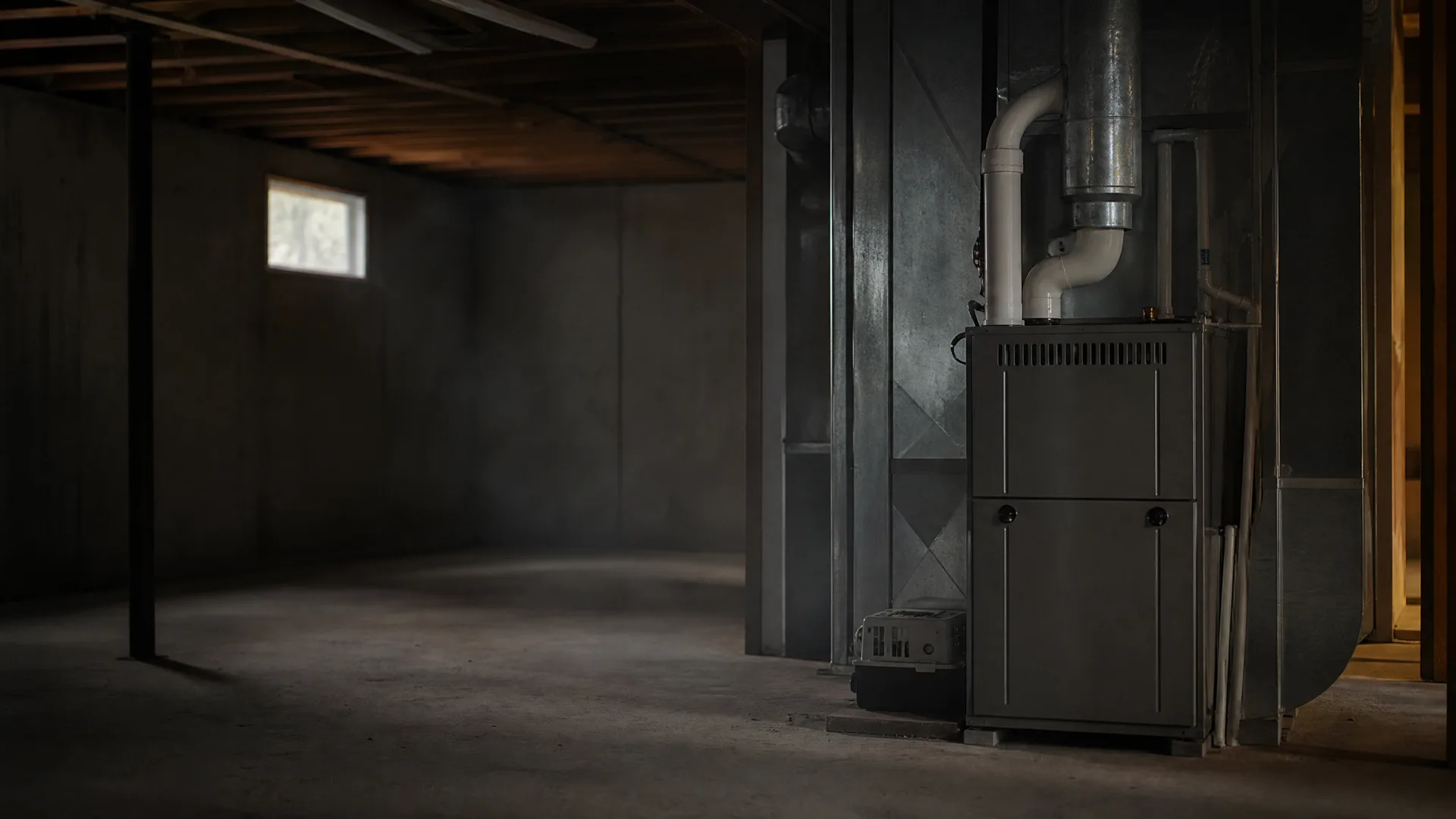
It's gone past ten and the house is quiet except for the baby monitor crackling upstairs. You're down in the basement in your socks, flashlight propped on a box, looking at the furnace like it owes you an explanation. The breaker's reset. The thermostat's lit. Still nothing. A little dust hangs in the flashlight beam where the cabinet door is open, disturbed when you checked the filter twenty minutes ago. Your hands are cold. Upstairs you can hear someone shifting under an extra blanket, waiting for the vents to start ticking the way they do when the air kicks on. You pull out your phone, find the request page, fill in your name and your zip, and set the phone down on top of the furnace. Somewhere tonight, someone who does this every week will see it.
Only one pro gets your request, so you hear from one company.
Asking costs nothing, and the choice to hire stays yours.




The furnace fires up, runs its full cycle, and warm air keeps coming. Nothing more to do tonight except let the house come back up to temperature.
No hum, no heat, maybe a blinking light on the board. That's a job for someone who works on these systems and can tell what the outage left behind.


Every restart runs through the same checks, whether the power was out for ten minutes or overnight. The control board reads the limit switch, the pressure switch, and the flame sensor before it opens the gas valve at all. It won't skip this. If the inducer motor can't prove it's clearing the vent, the igniter never gets the signal to heat up, and the whole sequence stops right there. That's usually a dirty or stuck pressure switch, not something wrong with the motor itself. Hot surface igniters take the brunt of a hard restart. They're thin and brittle, and a furnace that sat dark for hours asks a lot of that part the moment power comes back. Even after ignition, the flame sensor is still watching. If it's weak or coated with residue, the valve can shut the burner down seconds after it lights, which looks like the furnace quit on its own. Miss any of these three or four times in a row and the board locks out, usually flashing a pattern near the door to say which check failed.
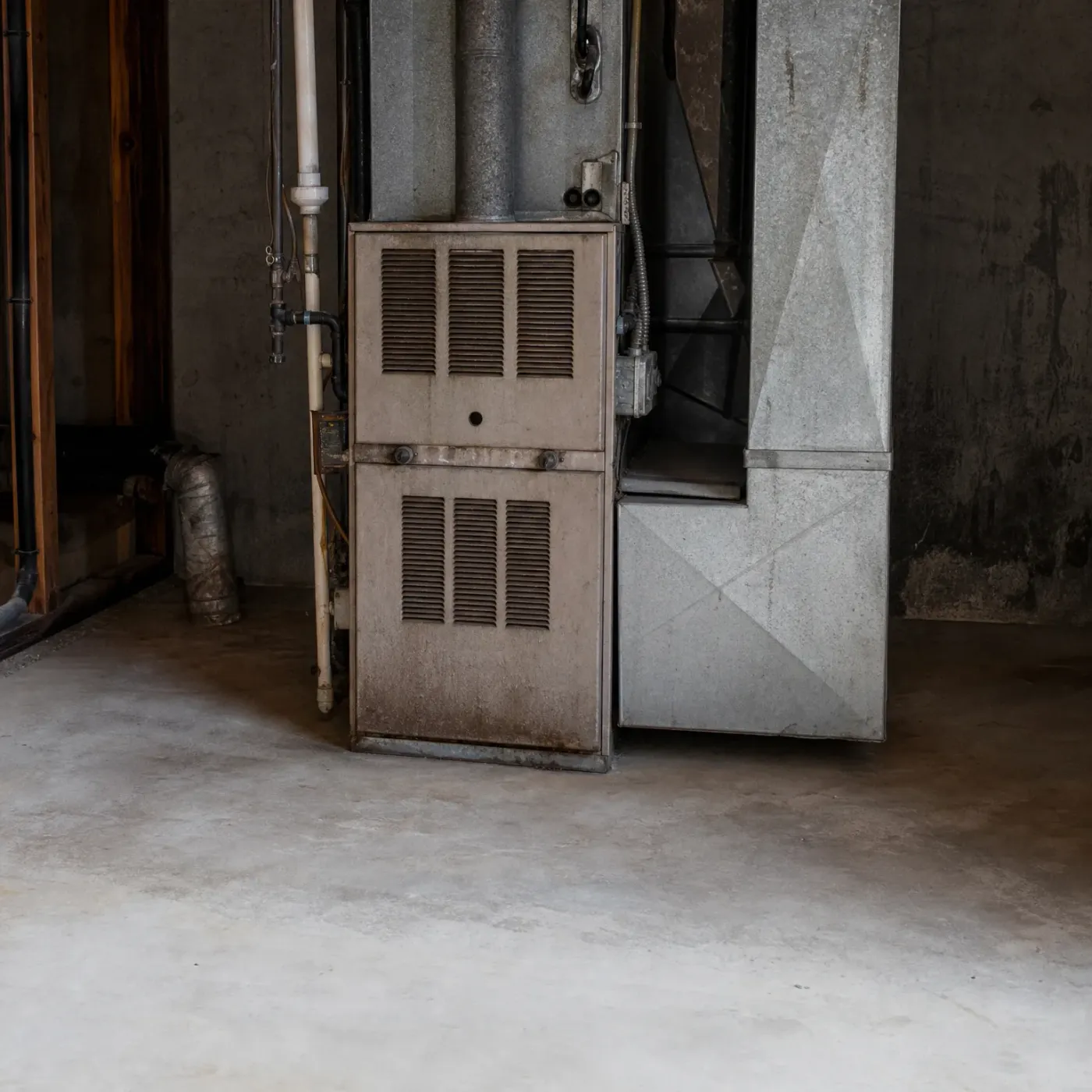
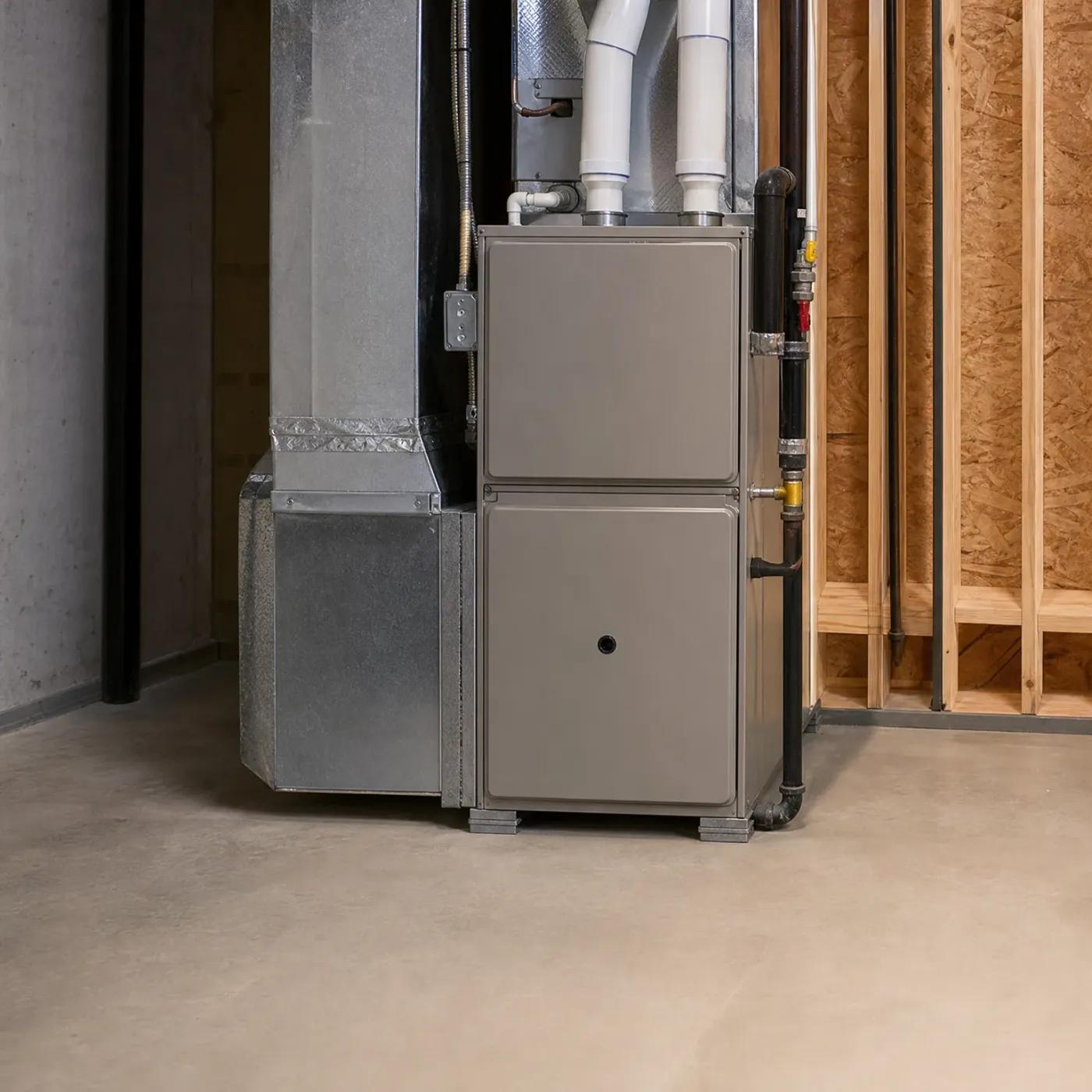
Winter nights here average 41°F, so your furnace isn't fighting single digits like it might up north. It's built for that mild cold, which is also why a bad restart stands out fast. The house cools off quick once the heat stops, and you'll feel it within the hour.
NOAA nClimDiv 1991-2020 county normals weighted by homes
You know the test by now. Power's back, thermostat's calling for heat, and either warm air follows or it doesn't. If the furnace ran its cycle, you're done. Let the house come back up and keep an eye on the vents for the next hour to be sure it holds.
If it locked out after a few tries, or never made a sound, that's not something to keep resetting at the breaker. The board already tried and failed, and in most cases that points to one part: the igniter, a pressure switch stuck from disuse, or a gas valve that won't open on command. That's a repair, not a troubleshooting project for a cold kitchen at night.
The contractor who gets your request is local and licensed, someone who's out in Texas homes all winter watching which part gives out first when the power drops and comes back. That's not a guess on their end. A cold snap here tends to find the same weak points house to house, and a contractor who works this equipment every season has usually already seen whatever yours is doing.
Only one contractor gets your request, so you're not fielding calls from three companies while your house sits cold. You send it once, and finding someone stops being your problem. Whether tonight ends with the furnace running or a visit on the calendar, you'll know which one you're dealing with, and that's the whole difference between a flashlight and a phone call.




Your request goes to one pro, not a list of companies.
Sending the form costs nothing.