

How long a furnace lasts in Plano, TX
Send the request and finding a pro stops being your problem.
Hand off my installationA furnace in Plano lasts about 15 to 20 years. Most homes here heat with electricity, and winters are mild, so the furnace runs far fewer hours than it would somewhere colder. That light workload is the main reason units here often reach the far end of that range rather than the near end. What shortens its life is less about age and more about how it was installed and maintained along the way, a unit sized wrong for the house or one that ran a few winters with a dirty filter will wear out sooner no matter the make. If yours is approaching 15 years, the question worth asking isn't just how old it is but how it's been running: longer cycles, a pilot light or igniter that struggles, or a heat that feels weaker than it used to all point to a furnace nearing the end of what it has left.
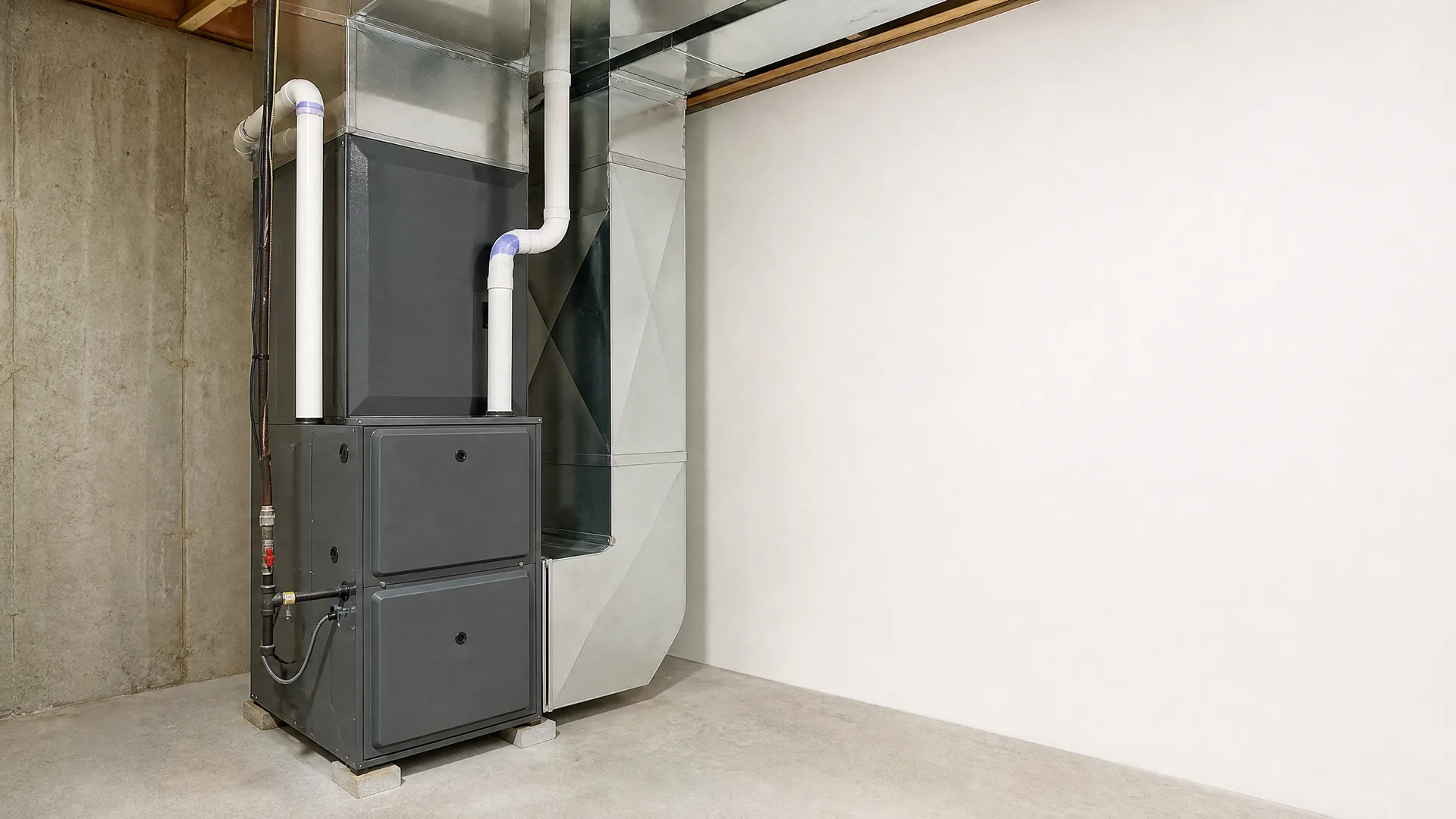
What shortens a furnace's life here
Heat still cycles on during the cold snaps that come through Collin County in January and February, and those short bursts of hard use wear the same parts as a long winter would elsewhere. The igniter and the heat exchanger see the biggest swings in temperature on those days. A furnace that sits idle most of the year and then works hard for a few weeks still needs that work checked before each stretch of cold.
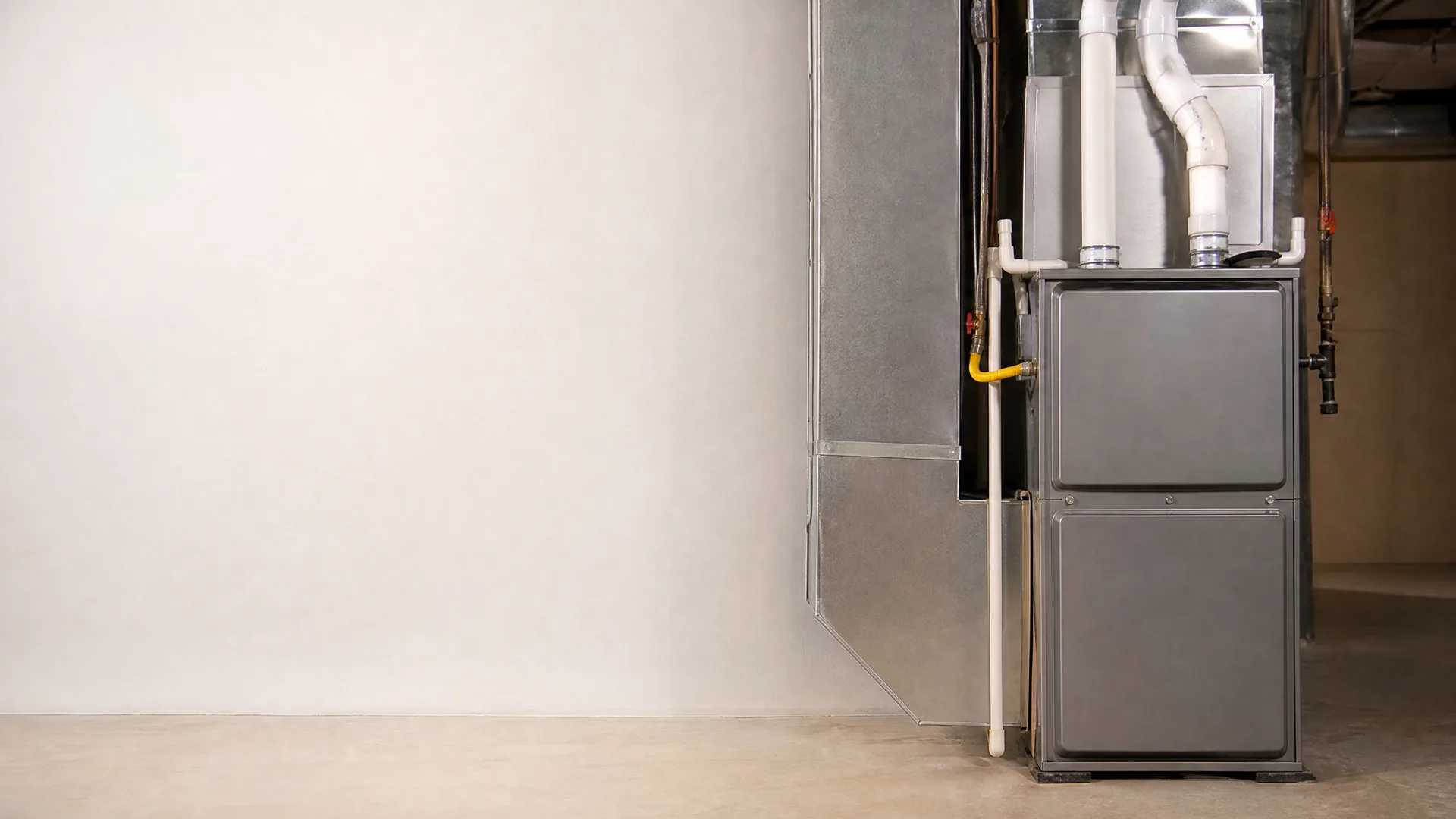
What a mild winter buys you
A furnace that runs a handful of weeks a year puts far fewer hours on its blower motor and heat exchanger than one running steadily from October through April. Fewer hours mean less wear on the parts that eventually fail, which is why furnaces around Plano often reach the far end of their expected life instead of the near end. The mild winters here are doing real work toward that number before any maintenance even enters the picture.
Why doesn't your furnace wear out faster in Plano?
Winter nights average 36°F
Winter nights here average 36°F. That's cold enough to call for heat, but not the kind of deep freeze that keeps a furnace running nonstop for days.
Heat runs November through March
Heat runs November through March in Collin County, about five months. The other seven, your furnace sits idle, which is most of its life.
49.8% of homes heat with electricity
Electricity heats 49.8% of homes in Collin County, more than any other fuel. A lot of your neighbors' furnaces are seeing the same light duty as yours.
NOAA nClimDiv 1991-2020 · ACS 2020-2024



Done looking for a furnace pro
Describe the project once instead of to every installer.
After this form, you can stop searching for a furnace pro.
No fee to send it, and nothing to sign.
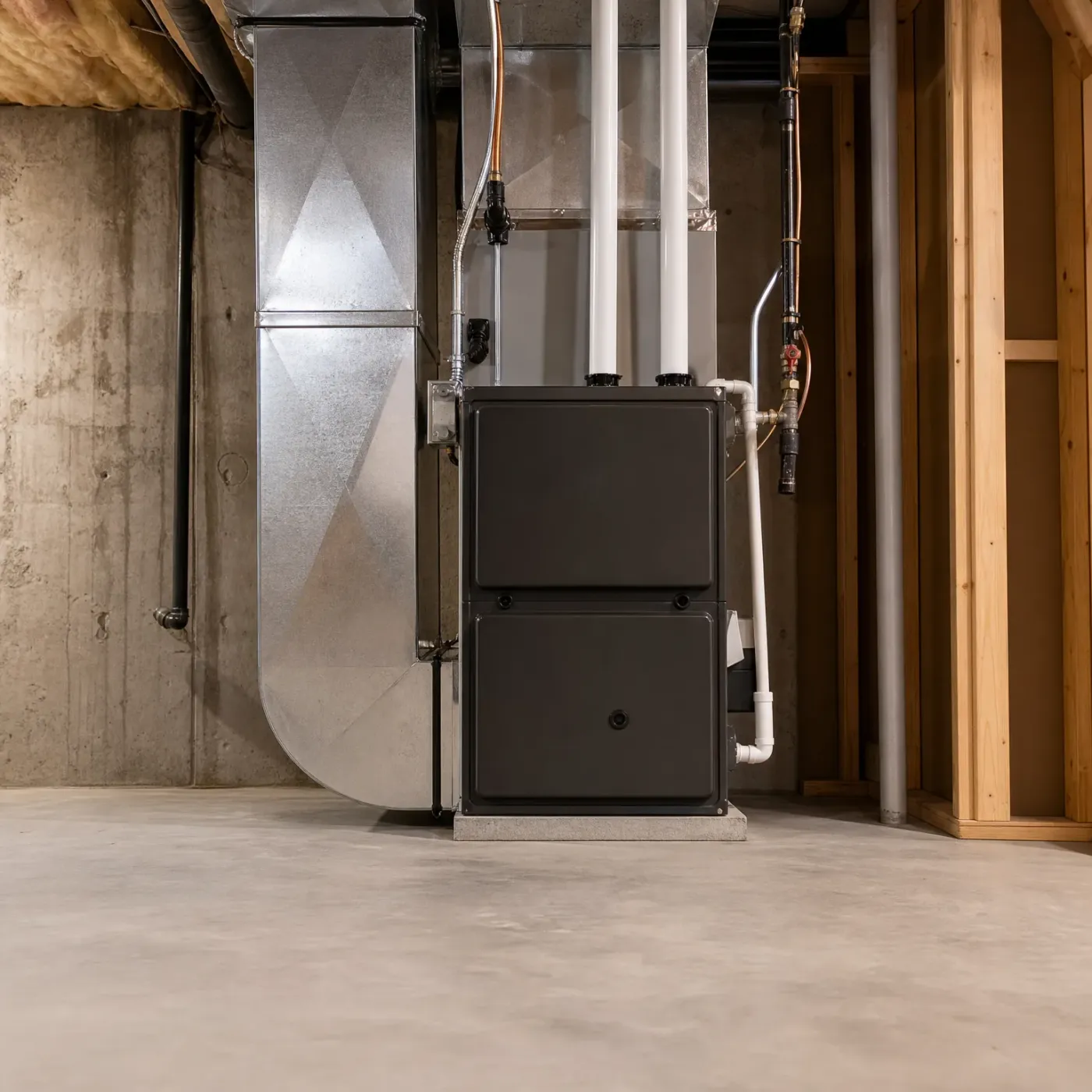
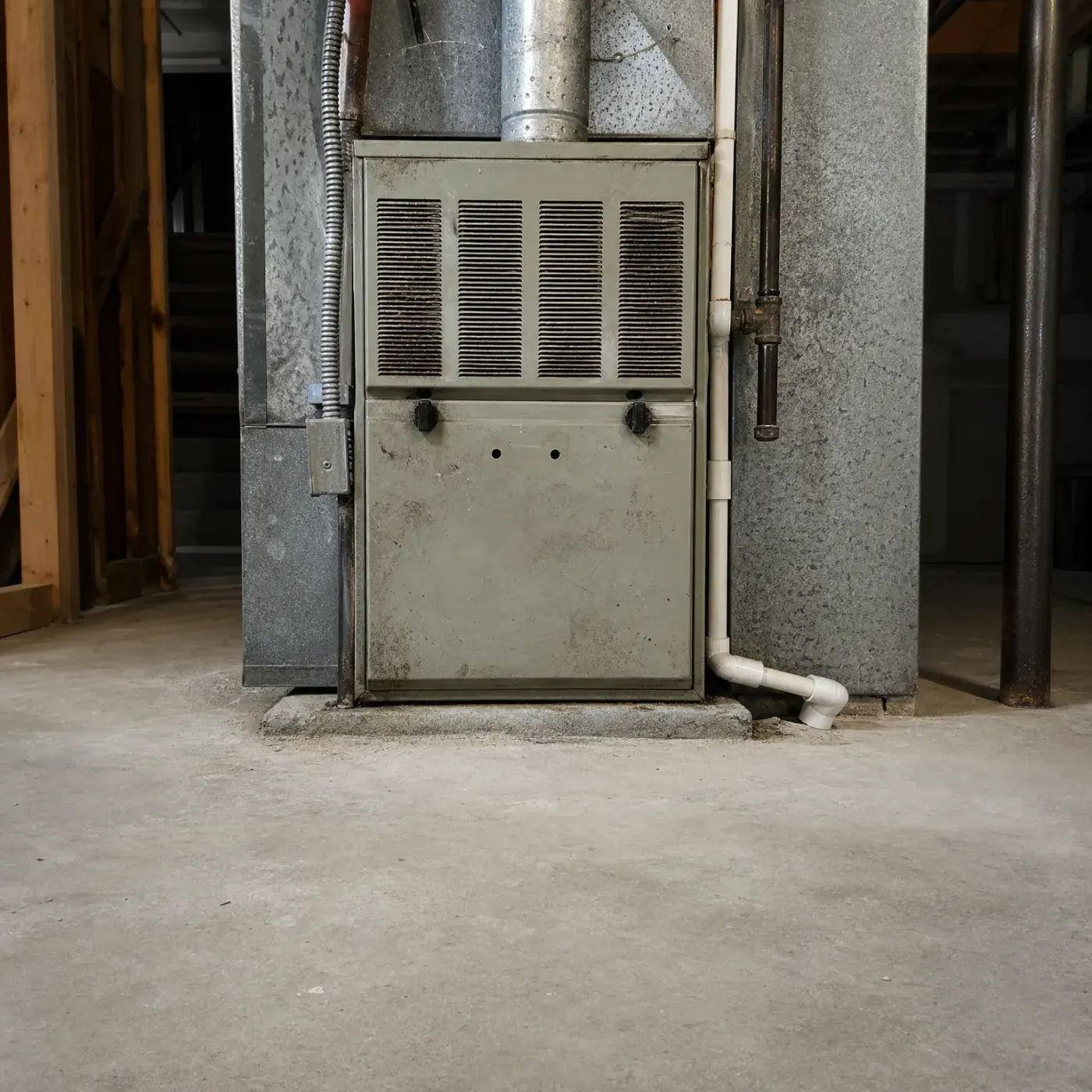
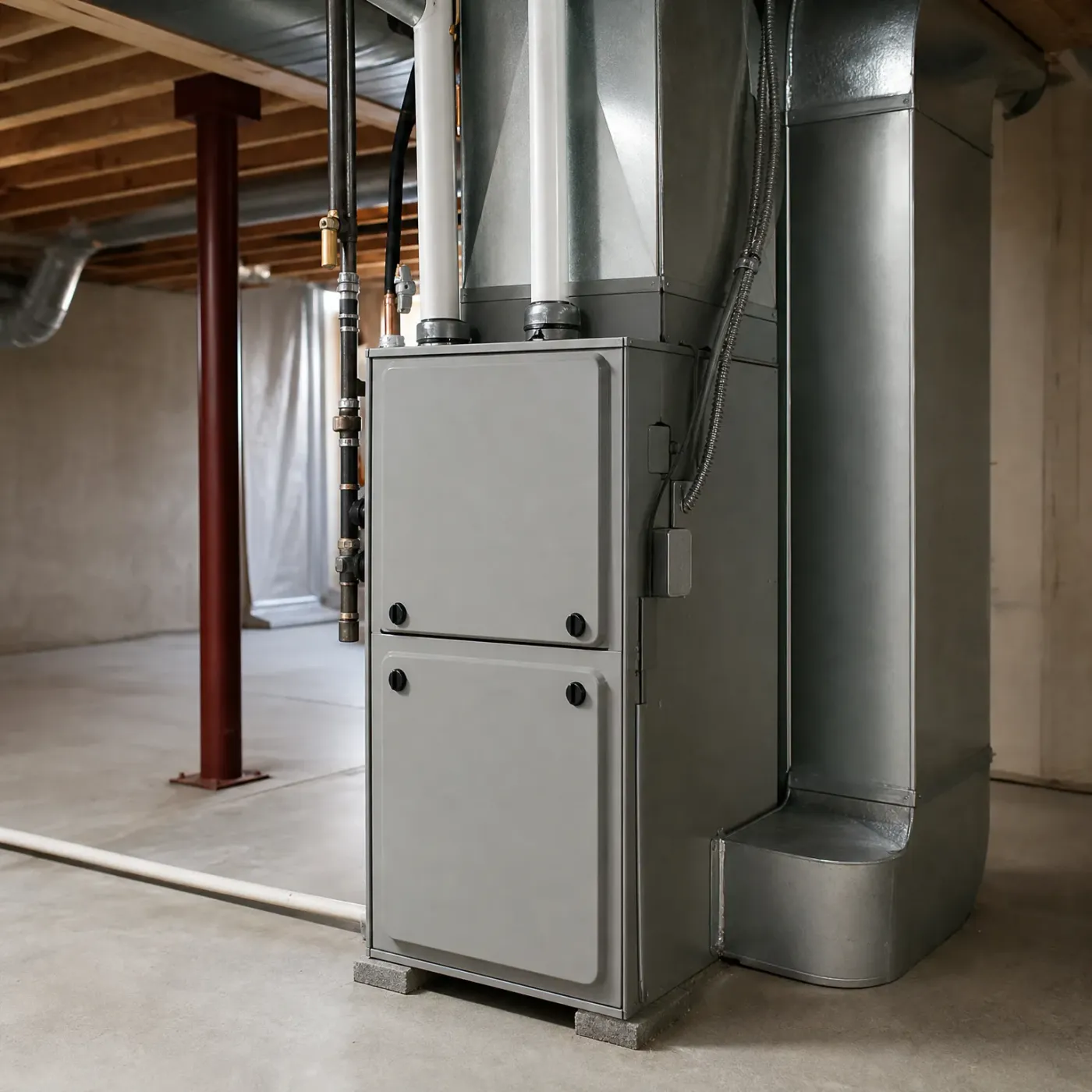
Start the furnace up and the order never changes. The inducer motor kicks on first, clearing the exchanger of any leftover gas before the igniter glows or sparks. Once that's confirmed, the gas valve opens and the burners light. Heat passes through the heat exchanger into the air the blower is pushing, and that metal surface is doing the real work, taking heat from the flame side and handing it to the house side without letting the two mix. When the thermostat is satisfied, the burners cut off, but the blower keeps running a little longer to push out the heat still sitting in the exchanger. Short cycling skips the long, steady version of this and replaces it with constant starts and stops, which is harder on the igniter and the exchanger than one full run would be. Most furnaces don't get replaced because they stop working. They get replaced because the heat exchanger cracks, and a cracked exchanger is a safety problem, not a repair. On high-efficiency models, a clogged condensate line can take the whole system down even when the exchanger and burners are fine.
How a furnace actually fails
- A gas furnace fires in stages: the inducer motor starts, the igniter glows or sparks, then the gas valve opens and the burners light.
- The heat exchanger is the part that actually wears out, since it's the metal surface that takes the heat from the burners and passes it to the air without letting flue gas mix in.
- Once the blower pushes warm air past the exchanger and into the ducts, a thermostat satisfied signal shuts the burners off and the blower runs a bit longer to clear the leftover heat.
- Short cycling, turning on and off in quick bursts instead of running a full heat cycle, puts more wear on the igniter and the heat exchanger than one long steady run does.
- A cracked heat exchanger is usually what ends a furnace's service life, since it's a safety issue rather than something worth repairing.
- The condensate line matters too on high-efficiency furnaces, since a clog there can shut the whole unit down even if every other part is fine.
How Long Your Furnace Should Last
- A furnace in Plano and the rest of Collin County lasts about 15 to 20 years under normal use.
- Mild winters and electric heat in most homes keep the furnace's workload light compared to colder climates.
- January and February cold snaps still force short bursts of hard cycling that wear the igniter and heat exchanger.
- A unit still heating evenly without short cycling near 15 to 20 years in is aging the way it should.
- Corrosion at the cabinet seams and a condensate line that keeps clogging are signs a furnace has gone past its working life.
- Where the furnace lands in that range comes down to how it was run and maintained, not just the calendar.
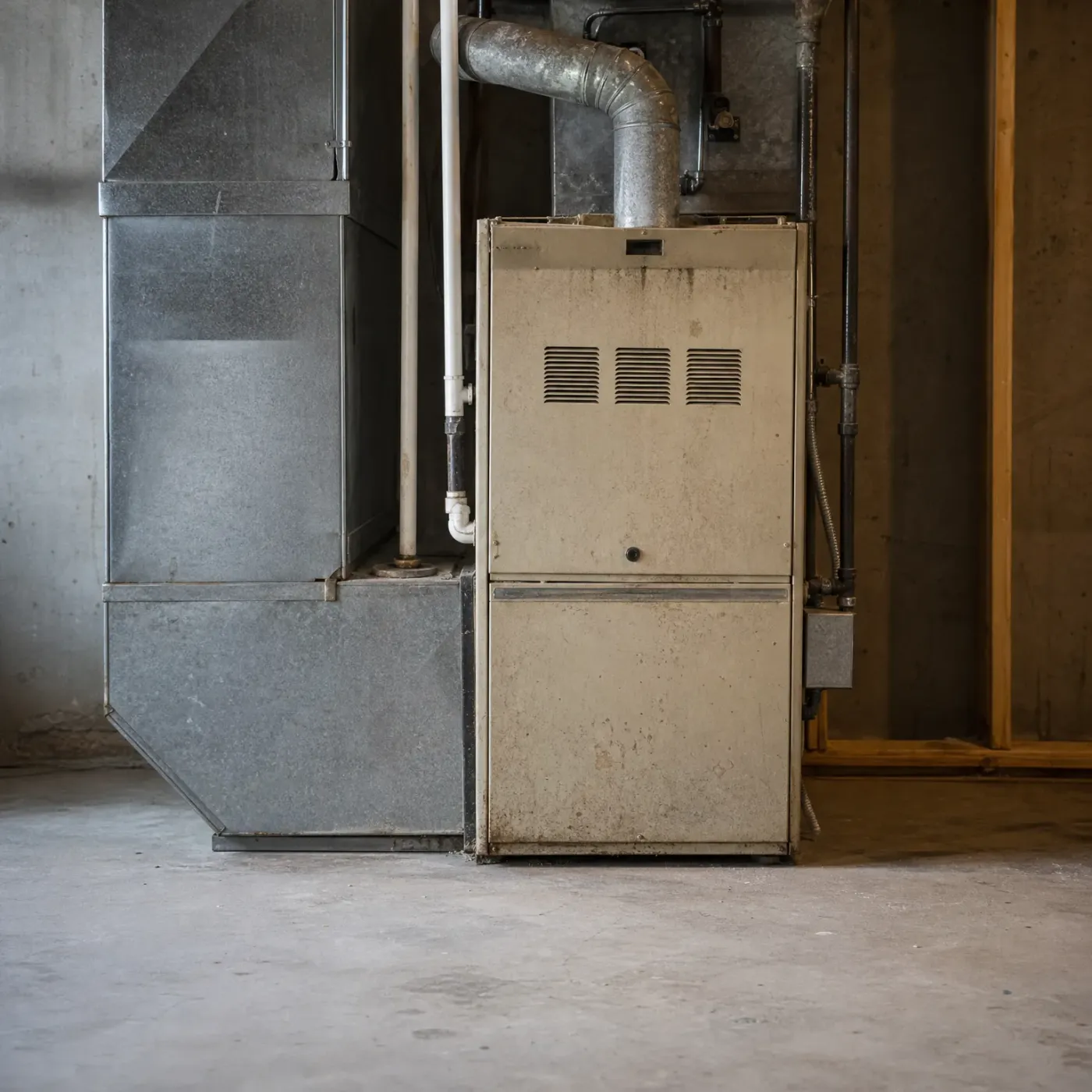
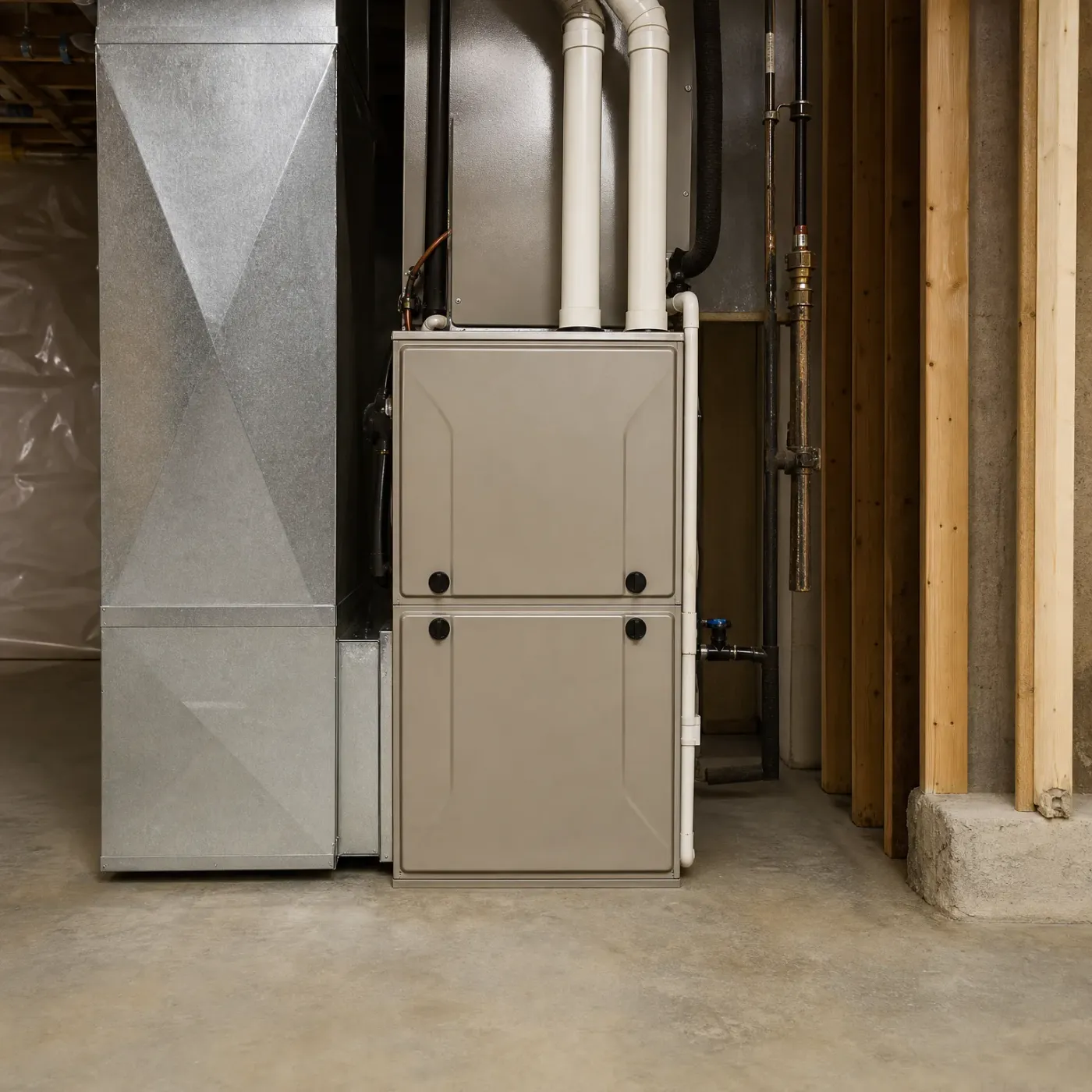
Fifteen to twenty years is the range for a furnace in Plano and the rest of Collin County, and most get there without much drama. Winters here are mild and most homes heat with electricity, so the furnace isn't working hard most of the year. That light duty is what lets a unit reach the far end of that range instead of the near end. The exceptions are those stretches in January and February when a cold snap pushes temperatures down and the furnace cycles on and off more than usual. Those short bursts put real strain on the igniter and the heat exchanger, the same parts that would wear from a long cold winter elsewhere, just compressed into fewer weeks. A furnace that's still heating evenly, cycling normally, and holding steady as it nears the twenty-year mark is doing exactly what it should at that age. One that's showing corrosion around the cabinet seams, or a condensate line that keeps backing up, has told you it's past its working life regardless of what the calendar says. Two furnaces installed the same year in the same neighborhood can age differently depending on how they were run and whether they were maintained along the way. The number of years on a furnace matters less than what it's actually doing right now. If yours is heating unevenly, cycling too often, or showing the wear signs above, that matters more than how old it is on paper.


Furnace Installation
It's off your list after this
Skip collecting and comparing quotes for the new furnace.