
Furnace tune-up before winter in Denton, TX
A furnace tune-up before winter means having a contractor check the system once before you need it, while it still sits idle. In Denton, that window is short. Winters here are mild and most homes heat with electricity, so the furnace runs far less than it would up north, and it's easy to forget it exists until the first cold morning it doesn't turn on. A tune-up during that quiet stretch means someone checks the igniter, the flame sensor if you have gas, the blower, and the connections before any of it is asked to work. A furnace that sat unused since last winter can fail on the first real attempt to run, and that failure shows up exactly when you need the heat most. Having it checked ahead of that means one less thing to deal with on a cold night, and it usually costs less to catch a worn part in the fall than to fix a dead furnace in January.
What does Denton's mild winter mean for your furnace?
Winter nights average 36°F
Nights sitting at 36°F won't push your furnace hard, but it still needs to fire correctly on the cold mornings it does run.
Heat runs November through March
Five months of use is a short stretch. A furnace that sits idle the other seven needs a check before that stretch starts, not during it.
54.2% of homes heat with electricity
With most homes here running electric heat, the pre-winter check for your system looks at the heat strips and blower, not a gas burner.
NOAA nClimDiv 1991-2020 · ACS 2020-2024
Is your furnace ready for the first cold morning
You probably haven't touched the thermostat since March. Switch it over and listen. A furnace that sat all summer might take a couple of tries to light, or run with a burnt dust smell for a few minutes before it clears. That's normal once. A clicking igniter that won't catch, a blower that comes on but blows cool air, or a smell that doesn't fade are not. Neither is a breaker that trips when the system kicks on. None of this is dramatic in a house that heats with electricity and sees mild winters, but a furnace that fails on a 30°F morning leaves the house cold until someone can get to it, and a short heating season is exactly when a problem like this goes unnoticed until it matters.
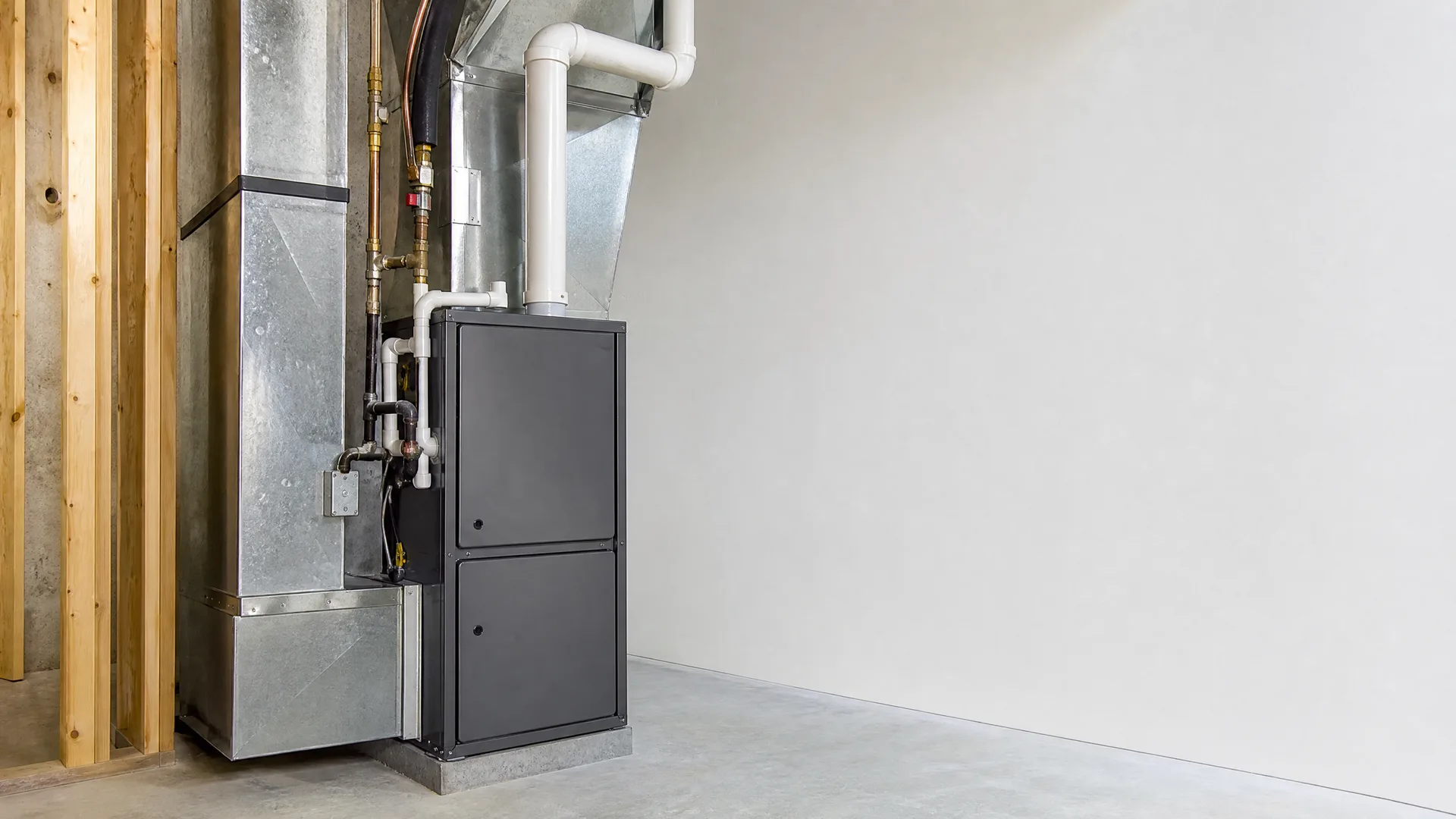
Skip the tune-up
Most furnaces that didn't get checked still start fine. You turn the thermostat down, the burners light, and the house warms up. If nothing's wrong, you won't find out by skipping a tune-up, you'll just keep using the system as is. The risk shows up on the morning it doesn't start, usually a cold one, when a contractor is harder to get on short notice and you're without heat until someone can come out.
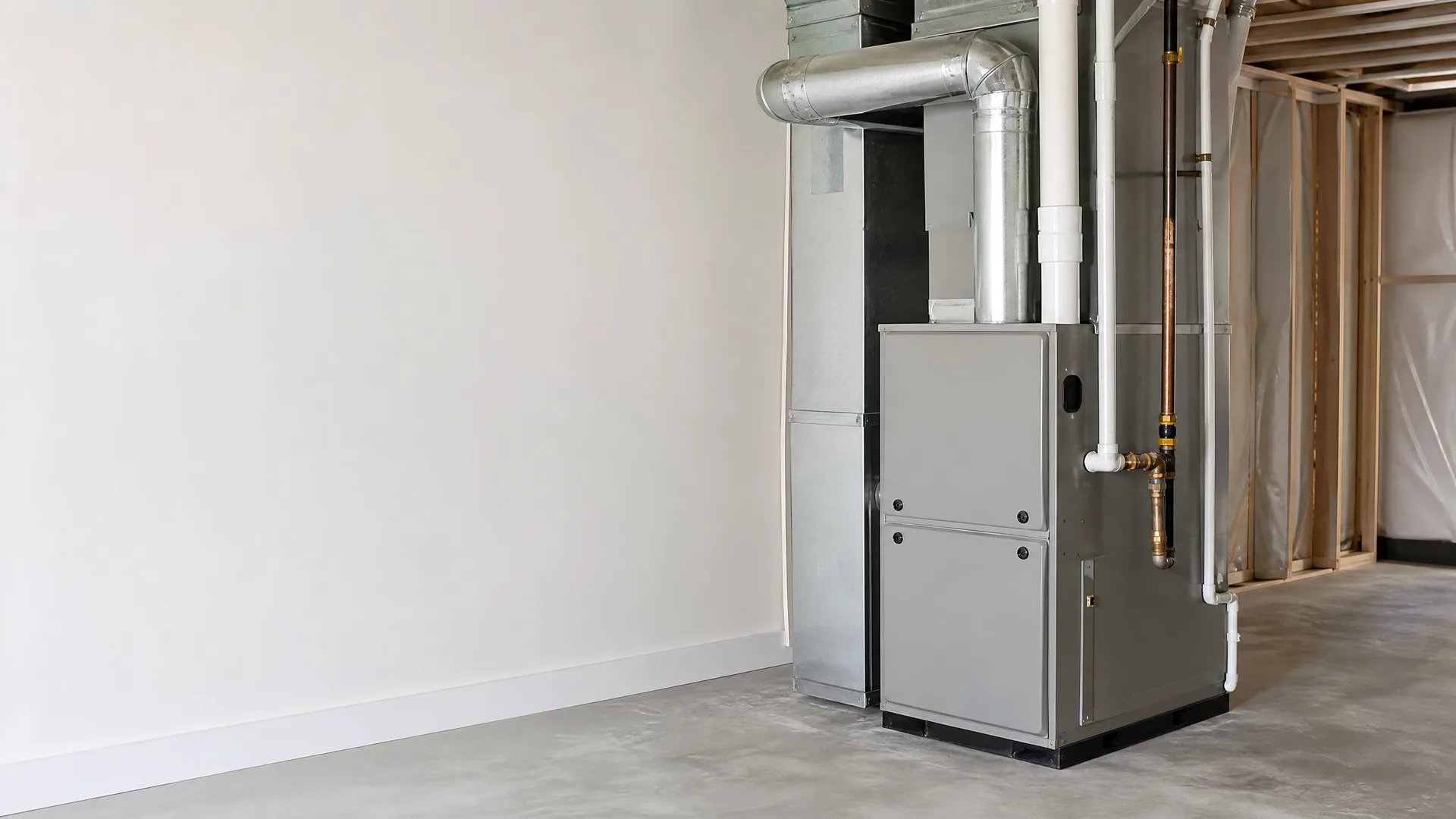
Get it checked
A contractor can check the system while it's still idle, before the first cold morning asks something of it. That means testing the igniter, checking the flame sensor, and confirming the furnace shuts off the way it should. A local contractor who works on these furnaces every fall knows which parts tend to fail after a summer of sitting unused, and catching a weak one now means it gets replaced on a weekday, not during a cold snap.

What a tune-up actually checks
A tune-up starts with the igniter. It's a thin strip that glows hot enough to light the gas, and after months of sitting, it's the part most likely to crack or weaken. From there a contractor checks the flame itself. A furnace burning right shows a steady blue flame. Yellow or flickering means it's not getting the right mix of air and gas, and that gets adjusted before it's left to run all winter. The flue gets checked too, since that's what carries exhaust out of the house instead of back into it.
Most of this only means something to someone who's looked at hundreds of these systems and knows what normal looks like versus what's starting to go. A local contractor who works on furnaces every fall has usually seen your model before, or one close to it, and knows which part tends to fail first. When you request a tune-up through this page, you're matched with one contractor local to Denton County, not a handful competing for your call, and that's who reaches out to look at your system.
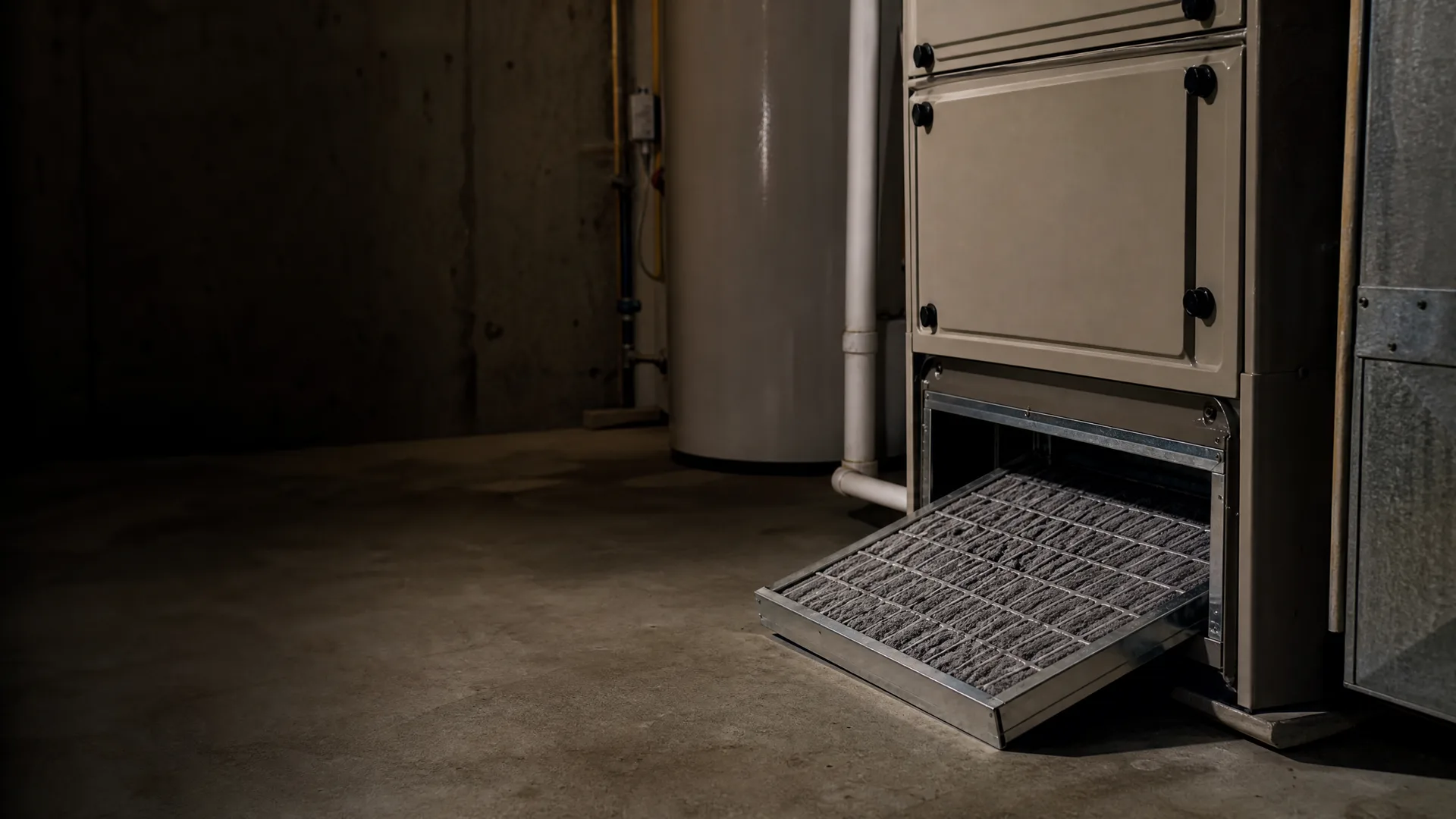
Late afternoon, and the light coming through the basement window is already going gray. You're down here because the house felt a few degrees off this morning, and you finally came to look instead of just bumping the thermostat. The furnace cover is off, the filter pulled half out of its slot, and it's gray, not white, caked enough that you can't see through it to the light behind. You hadn't planned on this taking long. You set the filter on top of the unit and stand there a second, doing the math on when it was last changed. Outside, a Denton County October afternoon, warm enough that this hasn't mattered yet.
Tune-up now or wait and see
Tune-up now
- A contractor checks the igniter and flame sensor while the furnace is off, so there's no wait if one needs replacing.
- Any crack in the heat exchanger gets caught before the furnace runs for months on it.
- The furnace gets tested under a full heating cycle, not just a quick light-up, so a weak draft or short cycle shows up while someone's there to see it.
- You get a known starting point for winter instead of guessing whether last year's small issue got worse over the summer.
- If a part is failing, there's time to get it before the first cold snap instead of during it.
Wait and see
- Most furnaces that sat all summer still start fine when the thermostat gets switched over.
- You save the cost of a visit if nothing was wrong to begin with.
- A furnace that's run without trouble the past few winters will likely do the same again.
- If something does go wrong, it usually shows itself early, a hard start or a burning smell, rather than failing without warning.
- Denton winters are mild, so the furnace only needs to get through a handful of genuinely cold mornings each year.
- Waiting means any problem gets found and fixed on the furnace's schedule, not a calendar date.


Matched to your furnace job
A furnace that sat quiet since March doesn't tell you what shape it's in just by looking at it from across the basement. You find that out by running it, or by having someone who does this every day run it for you. Denton's winter won't give your furnace much of a workout, five months at most, which is exactly why a weak igniter or a cracked heat exchanger can hide until the one cold morning you need the heat most. A local contractor who checks furnaces all over Denton County this time of year has seen which parts give out first in homes like yours, and checking now, while the system is still idle, means any part that needs replacing gets replaced before the first real cold front, not during it. That's the whole case for doing this before winter instead of after the first problem shows up.
Why the heat exchanger matters most
The heat exchanger is the metal chamber that separates the flame from the air blowing through your ducts. Gas burns on one side, your house air passes over the other, and the two never mix as long as the metal stays whole. A crack changes that. It lets combustion air leak into the airstream that reaches your bedrooms and living room. You won't see this by looking at the furnace running normally. A contractor checks it with a camera or a flame sensor test built for that purpose, because a crack this small doesn't show itself any other way.
Why five months changes the check
A furnace that runs October through February, then sits idle the rest of the year, ages differently than one running most months in a colder state. The parts most likely to fail are the ones that sit still the longest: the igniter, seals, and anything rubber that dries out between uses. None of that shows up while the furnace is off. It shows up the first time you ask the system to run for hours straight, which for most Denton homes is sometime in December or January, not when you first flip the thermostat over in the fall.
Winter nights average 36°F
36°F isn't hard freeze territory, so your furnace isn't working against extreme cold most nights. But it's still cold enough that a furnace slow to light or short on airflow leaves a room noticeably chilly by morning. A tune-up catches that before the thermostat tells you first.
NOAA nClimDiv 1991-2020
Where your furnace stands now
- A furnace tune-up before winter means catching a weak igniter or cracked heat exchanger while the furnace is still off, not after.
- Denton's five-month heating stretch gives a furnace little chance to show problems on its own before a cold morning does.
- A local contractor who works on furnaces all through the fall knows which parts tend to fail after sitting idle since March.
- Matching you with one contractor means one call back, not a handful of companies competing for the job.
- Checking the igniter, flame sensor and heat exchanger now settles the question before the thermostat gets turned down for good.
You don't need to guess what shape your furnace is in. A tune-up answers it directly, while the furnace is still sitting off and there's no rush on parts. The igniter either glows steady or it doesn't. The flame sensor either reads the flame or gets replaced. The heat exchanger either holds up under a full heat cycle or shows a crack worth knowing about before the house is relying on it. None of that takes guesswork once someone is actually looking.
Denton's winter won't force the issue. Five months of mild cold isn't enough running time for a weak part to announce itself on its own, and a furnace can sit on a problem for weeks before a morning cold enough to expose it. That's the gap a tune-up closes. It moves the question from "will it work when I need it" to a straight answer, checked now instead of found out on a 36°F morning with the house already cold.
The contractor who comes out to do this works on furnaces like yours all fall, every year, in homes around Denton that sat through the same mild summer and the same idle months since March. That's not a guess about what might be wrong. It's familiarity with what actually goes after a system sits that long. And it's one contractor, matched to your furnace and your part of Denton County, not a handful of companies calling about the same job.
The furnace will either pass or it won't. Either way, you'll know before the thermostat gets turned down for the season.
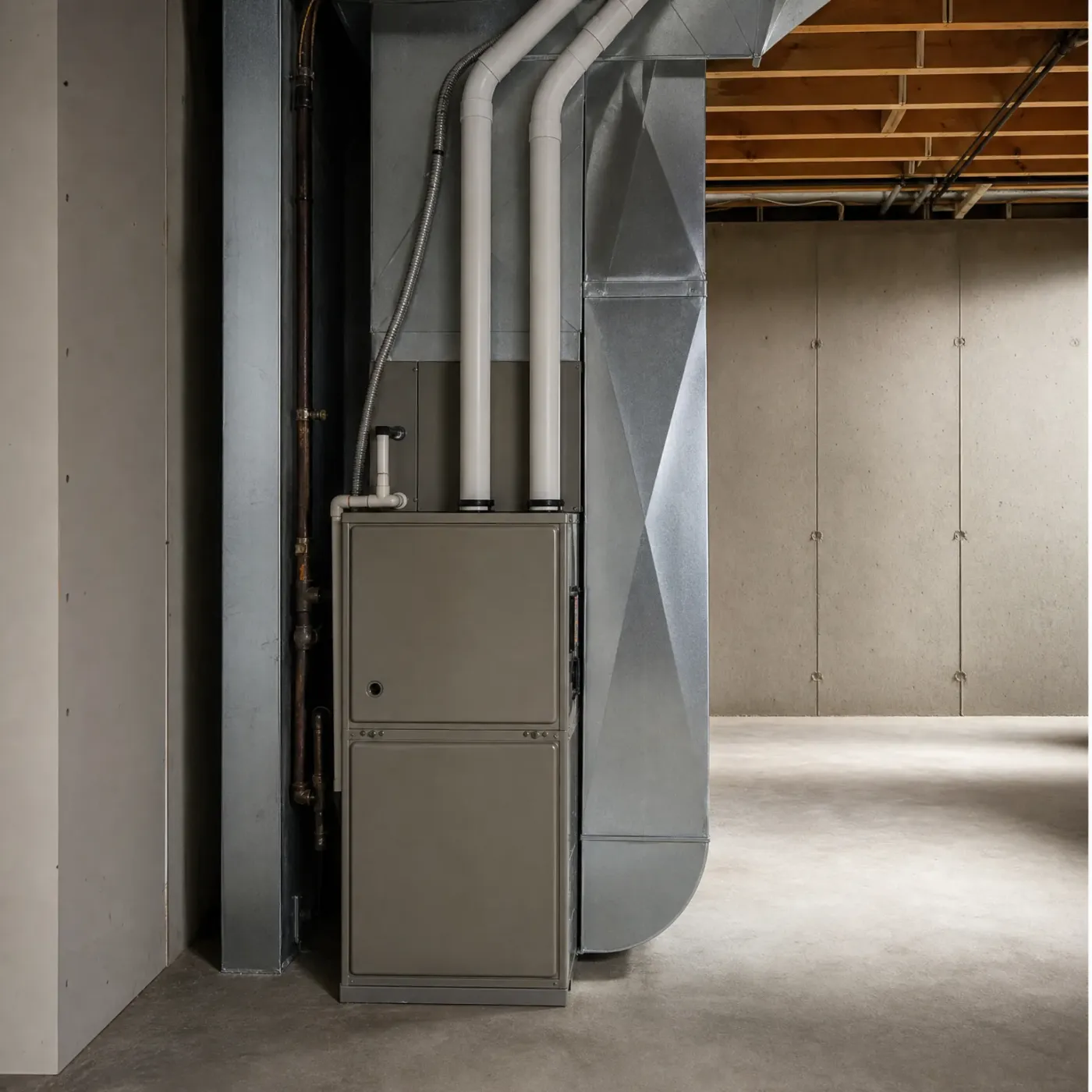
A furnace pro near you
A licensed local pro takes the request for your furnace tune-up.
Asking costs nothing, and the choice to hire stays yours.