Furnace smells like burning in Fort Worth, TX

Get matched with someone who does this kind of work in Tarrant County.

Find my pro

A burning smell from your furnace usually means dust burning off the heat exchanger, which happens the first few times it runs after sitting idle all through the long Fort Worth summer. That smell should clear within an hour and not come back. If it doesn't clear, or if it smells sharp and electrical rather than like dust, something inside is overheating. That can be a failing blower motor, a cracked heat exchanger, or wiring that has worn through its insulation. A smell like that, especially paired with smoke or a burning plastic odor, means shutting the furnace off at the thermostat and the breaker and not running it again until someone qualified has looked at it. Since most homes in this area heat with electric furnaces or heat pumps rather than gas, a persistent burning smell is more often an electrical problem than a gas one, but either way it is not something to wait out. A furnace that keeps making this smell needs to be checked before you rely on it again.

Why does a burning smell matter more here than somewhere colder?

  • Winter nights average 37°F

    Nights average 37°F in December, January and February, cold enough that you need the furnace working right, not just running.

  • Heat runs November through March

    Furnace use is short here, about five months, so a burning smell often shows up early in that stretch when the system first kicks on.

  • 66.6% of homes heat with electricity

    Most homes in the county heat with electricity, so a burning smell is more likely coming from a heating element or motor than a gas flame.

NOAA nClimDiv 1991-2020 · ACS 2020-2024

What's Actually Burning In There

  • A burning dust smell comes from the heat exchanger and burners, the two parts that sit right where the flame heats the air.
  • If the smell carries an electrical or plastic edge instead of dust, that usually points to the blower motor or a wire insulation problem, not a one-time burn-off.
  • A furnace that sat unused since spring pulls in dust that settled on the burners and exchanger, and the first heat of the season burns it off.
  • Burn-off smell fades as the metal reaches full temperature, usually within the furnace's first full heating cycle.
  • A smell that returns on the second or third run, or gets stronger instead of weaker, means something is still burning that shouldn't be.
  • Shutting the furnace off and leaving it off is the right move if the smell doesn't clear or if you see any smoke.

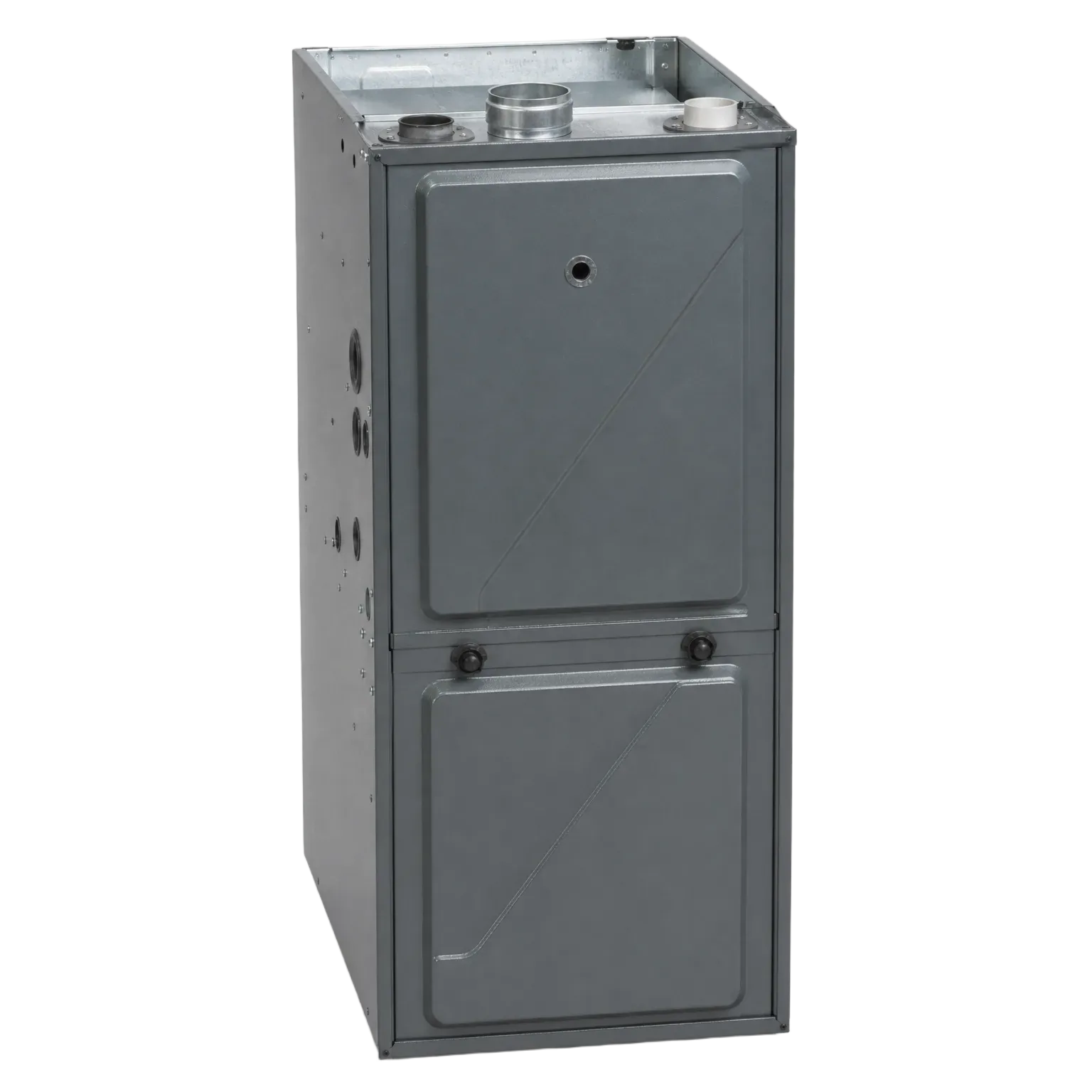
The smell comes from two places: the burners, where the flame sits, and the heat exchanger, the metal chamber that flame heats up so a blower can push warm air through your ducts. Dust settles on both all summer while the furnace sits idle, and the first run of the season cooks that dust off. It smokes a little, it smells like something burning, and then it stops once the metal is fully up to temperature. That's usually done within one heating cycle, the furnace's first full run from start to shutoff.

A different smell means a different problem. Dust burning off smells like dust. An electrical smell, sharper, almost like melting plastic, points somewhere else entirely, often the blower motor or a wire where the insulation has worn through and is heating against metal. That kind of smell doesn't fade as the furnace warms up. It either holds steady or gets worse.

That difference is what tells you whether to wait it out or shut it down. Burn-off smell gets weaker each minute as the exchanger reaches temperature. If instead the smell is still there on the next cycle, or it's stronger than the first time, the furnace is still burning something it shouldn't be. At that point, turn it off, leave it off, and don't run it again until someone's looked at what's actually happening inside the cabinet.

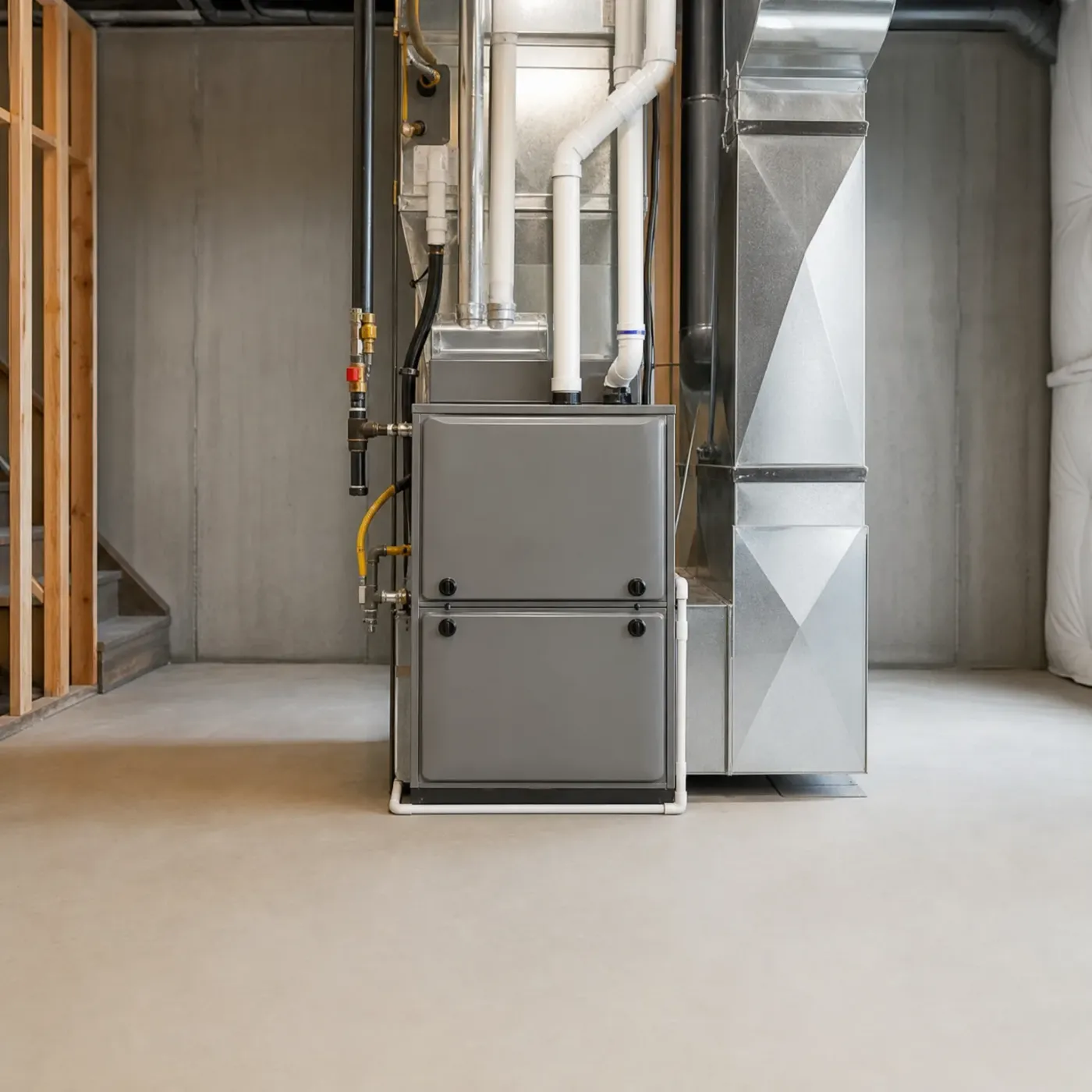
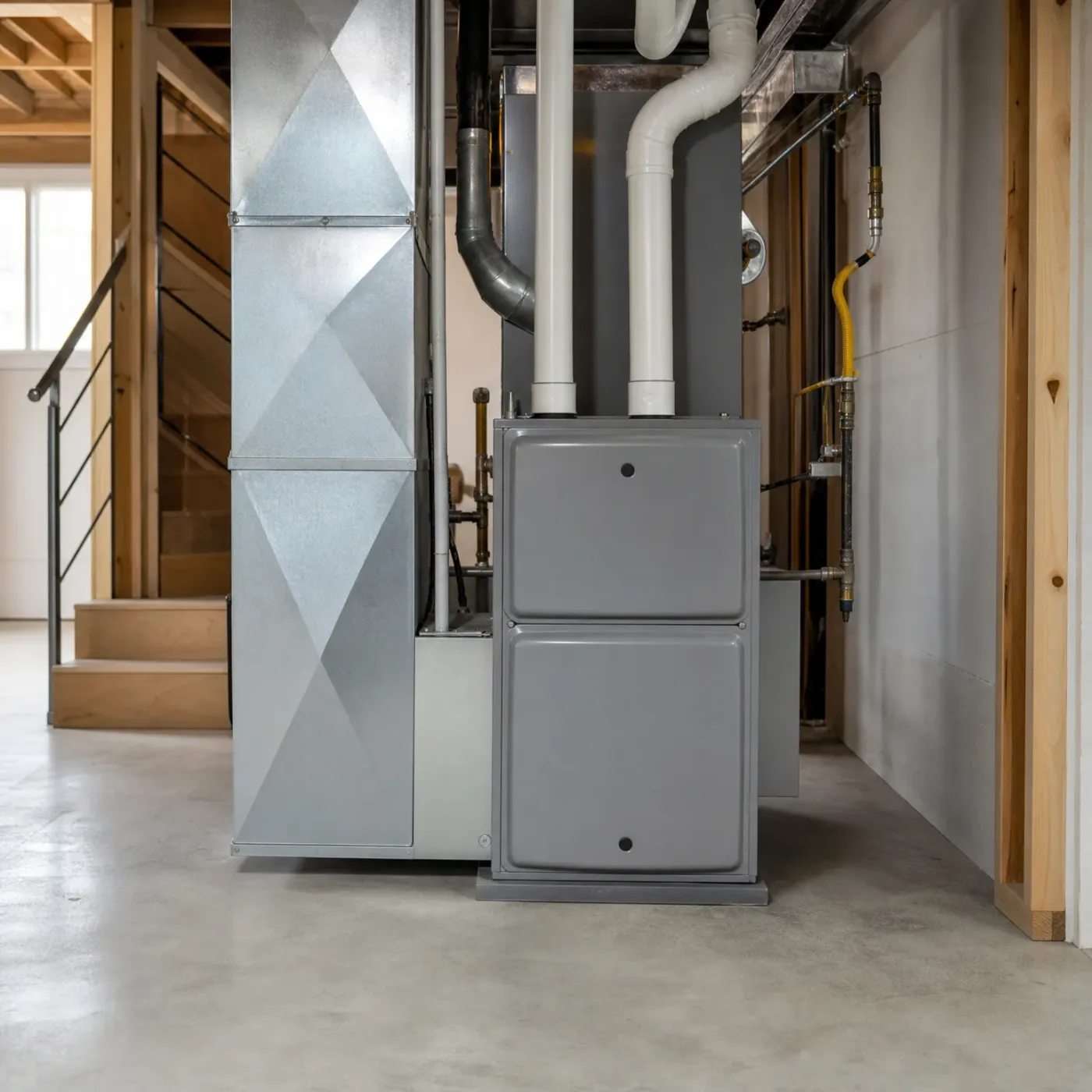
A gray high-efficiency furnace with white PVC vent pipes stands beside galvanized sheet-metal ductwork in a basement with a concrete floor, with a wooden staircase and railing at left.
Dust burning off a clean heat exchanger fades within the hour and doesn't come back once the furnace has run a few cycles.
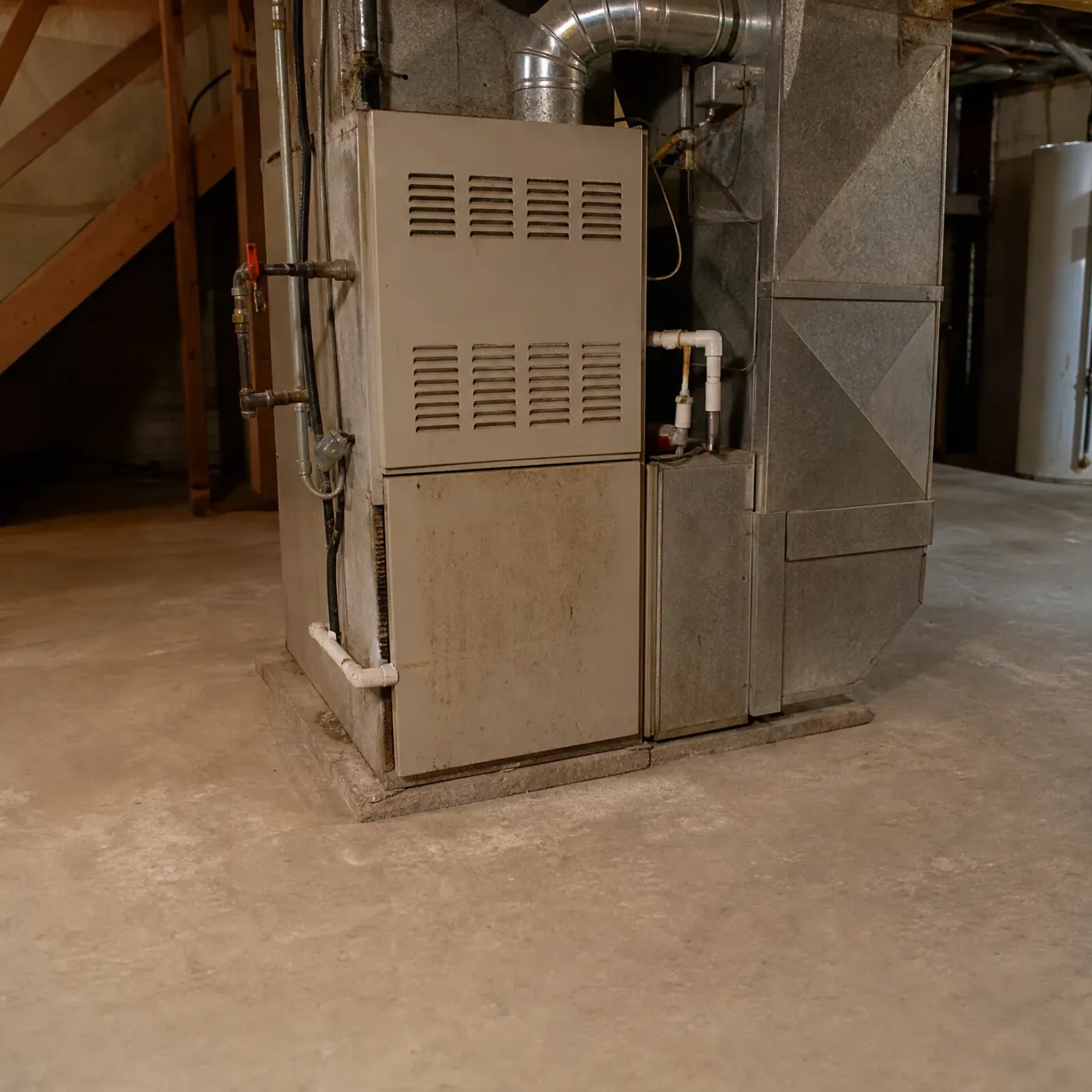
An older gas furnace with louvered panels sits on a concrete pad in a basement, connected to sheet-metal ductwork and PVC and metal pipes, with a water heater and wooden stair framing in the background.
A sharp or electrical smell that keeps returning points to a problem at the burners or the blower that won't clear on its own.

Does the Smell Clear or Stay

Smell fades on its own

  • The smell is strongest the first time the furnace runs after sitting unused since spring and gets weaker each cycle after that.
  • It clears within an hour and doesn't return once the dust on the heat exchanger has burned off.
  • There's no smoke, no burning plastic edge to it, just a dusty smell that matches a furnace that's been idle.
  • The furnace cycles on and off normally and heats the house the way it did last winter.
  • Nothing smells different near the blower or the return vents, only near the furnace itself.

Smell doesn't clear

  • The smell is still there on the third or fourth cycle, not fading the way dust burning off would.
  • It carries a sharp or electrical edge instead of a dust smell, which points to the blower motor or a wire insulation problem rather than the heat exchanger.
  • You notice the smell getting stronger instead of weaker as the furnace keeps running.
  • The furnace shuts off on its own partway through a cycle, or doesn't heat the way it should.
  • You smell it in a different part of the house, not just near the furnace, which means it's moving through the ducts.
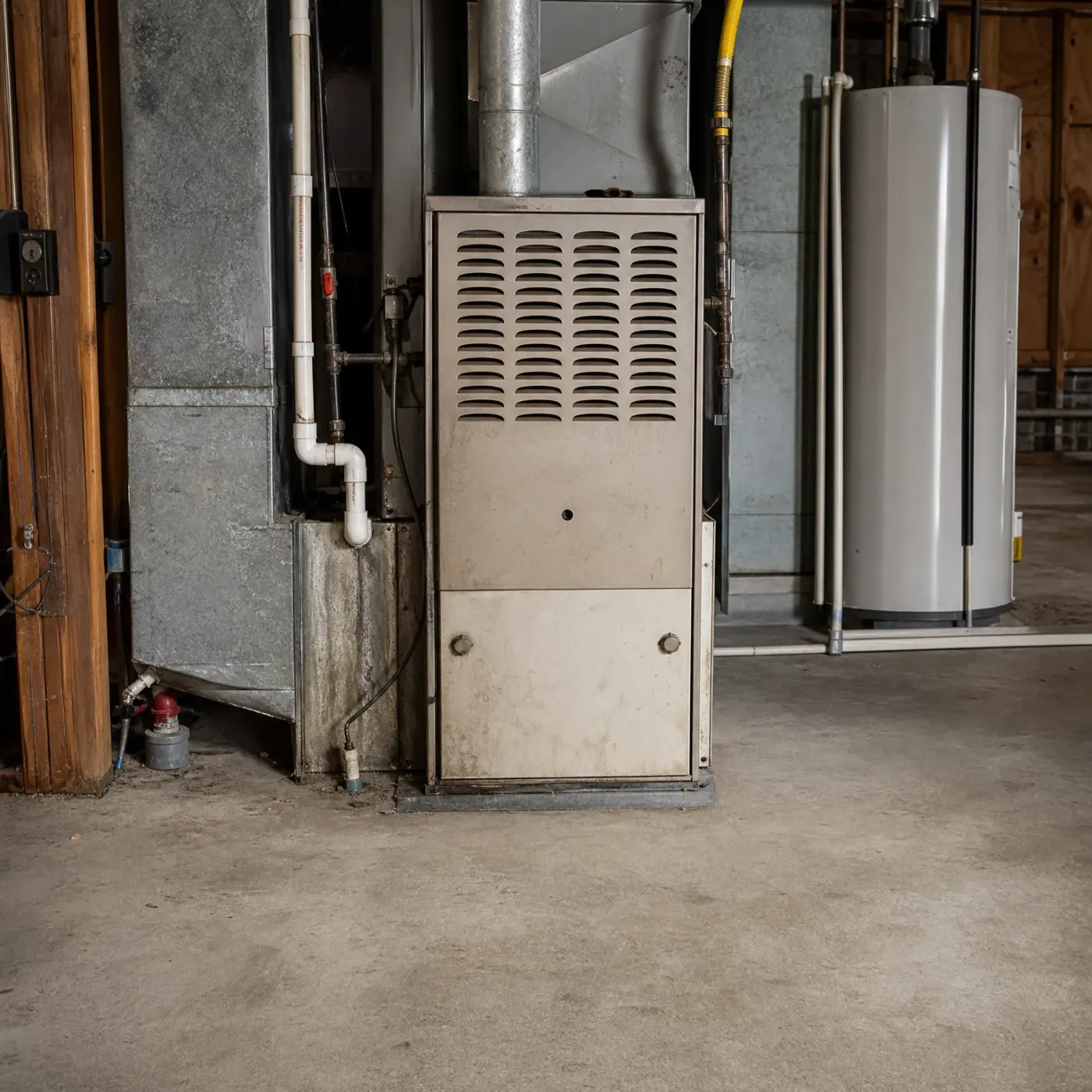
A gray furnace with sheet-metal ductwork, PVC vent pipes and a yellow gas line stands on a concrete basement floor beside wooden stair framing.

Running clean

This is what a furnace looks like once the startup smell has burned off. Air moves through the ductwork, the flue vents outside through the PVC pipe, and the gas line feeds the burners steady. No odor, no haze near the cabinet. After the first few cycles each fall, this is where it should settle.
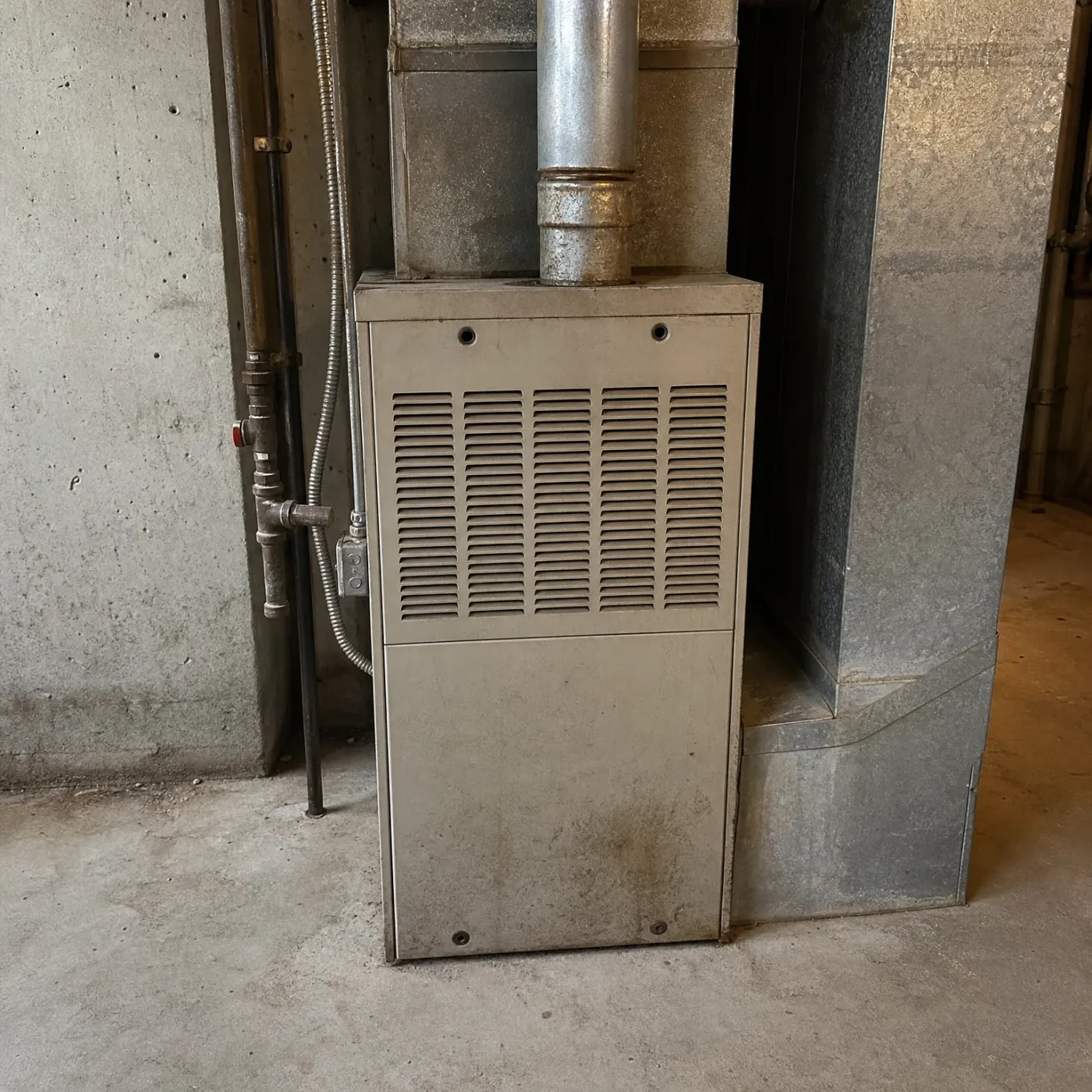
An older gas furnace with a louvered front panel stands on a concrete basement floor beside galvanized sheet-metal ductwork, a metal flue pipe, gas piping and a flexible conduit along a concrete wall.

Still smelling off

Same kind of unit, same gas and duct connections, but the smell hasn't cleared. That points to something at the burners or inside the cabinet rather than dust working its way off the heat exchanger. A furnace in this state needs a closer look before you run it again.

What are you noticing when the furnace kicks on

You turned the furnace on for the first cold morning and caught a smell in the hallway or coming off the vents. Maybe it's a dusty smell that fills one room and fades. Maybe it's sharper, almost like wiring or hot plastic, and it comes back every time the blower runs. You might notice it strongest near the thermostat or in whatever room sits closest to the furnace. Some households also hear a rattle or a click they haven't heard before, or see a haze near the furnace cabinet. Left alone, a burning smell that doesn't clear can mean a cracked heat exchanger leaking exhaust into the air you breathe, or a blower motor working hard enough to damage itself.

A beige furnace with a louvered front panel and metal ductwork stands on a concrete basement floor beside pipes and a white cylindrical water heater.
Before you get your furnace repair
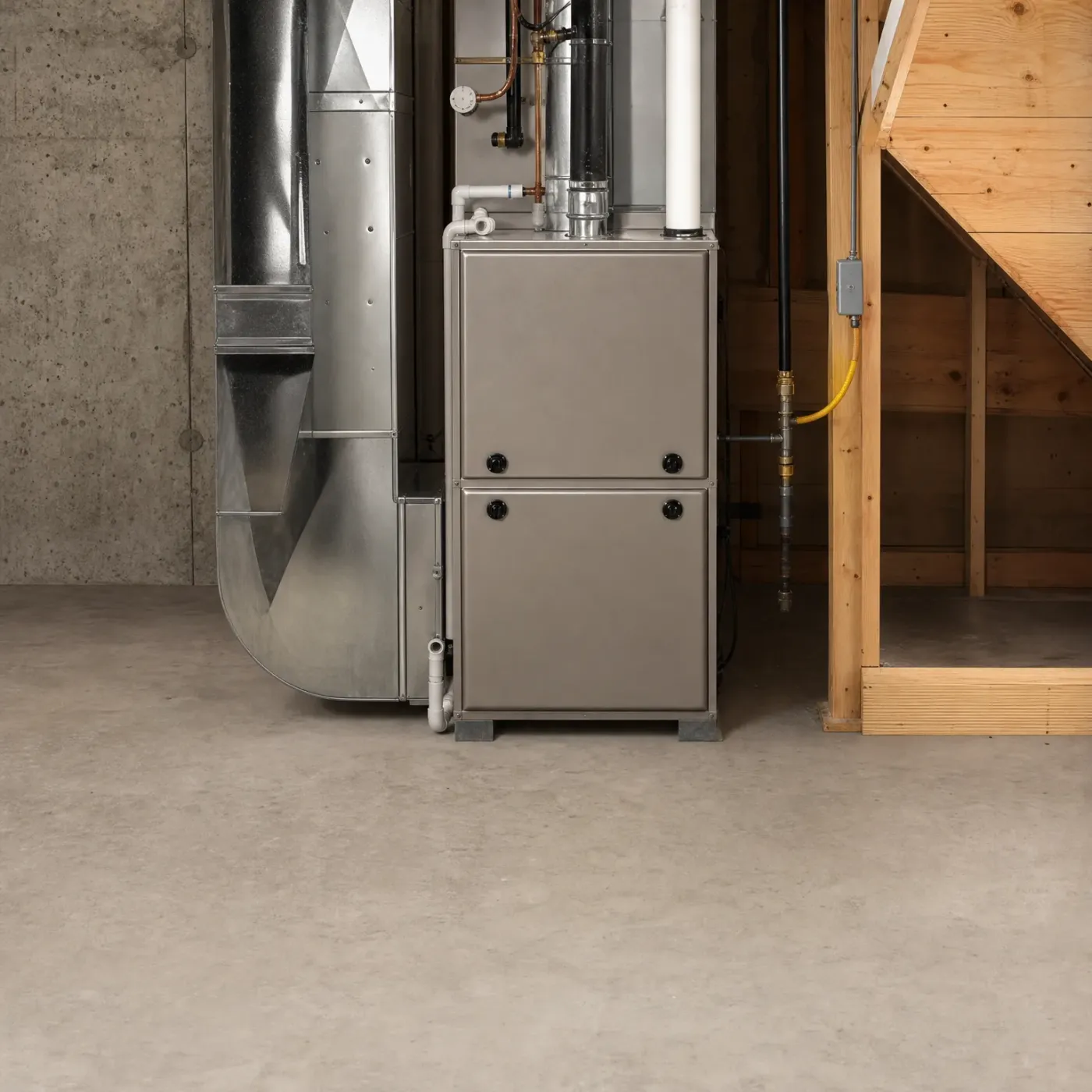
A gray high-efficiency furnace in a basement with PVC venting pipes, a yellow gas line, metal ductwork, concrete walls and floor, and a wood-framed stairway at left.
After you get your furnace repair

Get matched with a furnace pro in Tarrant County

A licensed pro who repairs furnaces in Tarrant County gets your request.

Sending the form costs nothing.

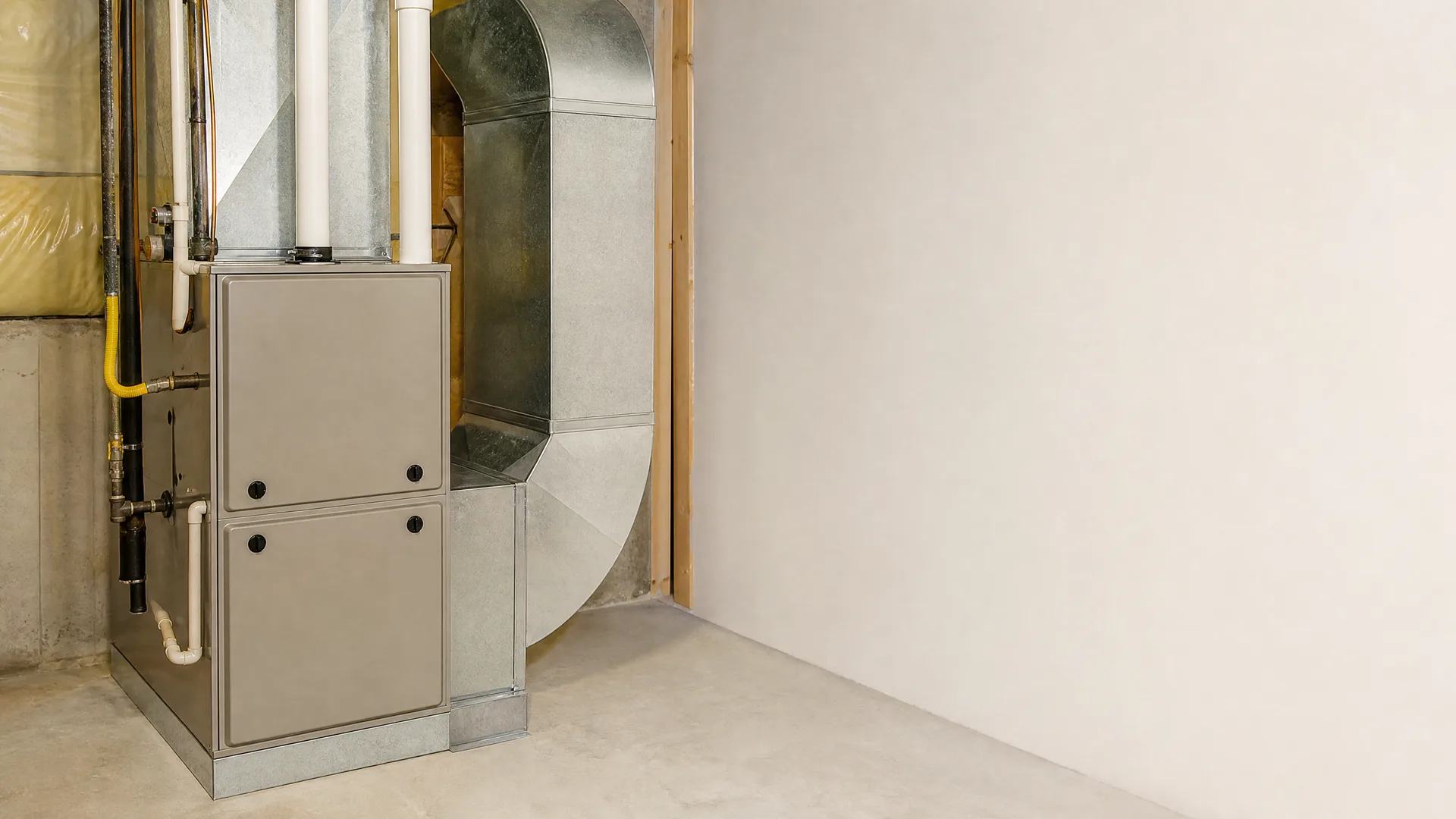
A gas furnace with sheet-metal ductwork, PVC vent pipes and copper and black piping stands against a wall in a basement with a bare light-colored wall and concrete floor.

Why the smell starts at the burners

Gas furnaces light a row of burners inside a sealed chamber, and that flame runs through the heat exchanger before any air reaches your rooms. Dust settles on that metal all summer while the furnace sits idle. The first ignition each fall burns it off, and the smell travels through the ductwork to every room the furnace feeds. A furnace that ran five months ago is reheating metal that's had that long to collect dust.

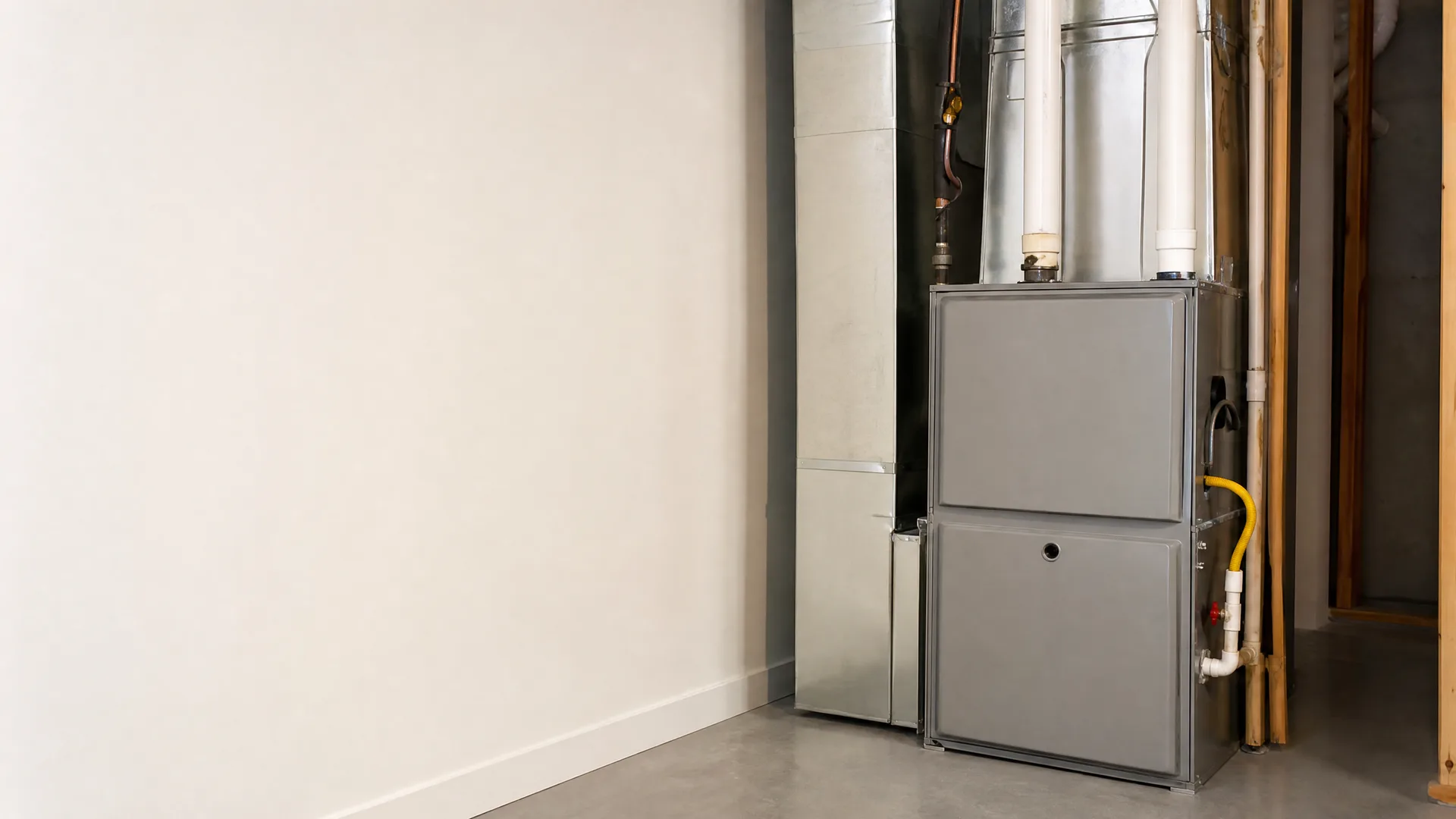
A gray furnace with attached sheet-metal ductwork, white PVC vent pipes, copper and yellow gas lines stands against a wall in a room with a plain white wall and concrete floor.

What changes if it keeps happening

A heat exchanger that's cracked won't just smell once and stop. Heat escapes through the crack and can reach wiring or insulation nearby, which is why an electrical smell often follows a dusty one instead of replacing it. A technician checks the exchanger with a camera or a combustion analyzer, since a crack isn't always visible from outside the cabinet. Fort Worth nights drop into the 30s most of the winter, so a furnace that's shutting down on its own isn't one to leave for later.

How long should the burning smell from my furnace last?

You turned the furnace on for the first time this fall and caught that burning dust smell, and now you're standing by the vent waiting to see if it's going to stop. You don't want to shut the whole system off if it's normal, but you don't want to ignore something that needs a repair either. Knowing how long is normal tells you when to stop waiting and start calling.

An hour at most, and only on the first run

The dust on your heat exchanger burns off fast once the burners light, and most of it is gone within the first ten or fifteen minutes. By the time the furnace has finished a full cycle, usually under an hour, the smell should be done. If you run it again later that same day, there shouldn't be anything left to smell. A burning odor that shows up on the second or third cycle, or one that's still strong after an hour on the first run, isn't dust anymore. That points to something at the burners or the blower that a licensed contractor needs to look at before you run the furnace again.

  1. Furnace sits idle all summer while dust settles on the heat exchanger.

  2. Burners light and heat climbs fast inside the sealed chamber.

  3. Dust on the metal burns off and the smell reaches your vents.

  4. Smell fades within an hour as the heat exchanger finishes burning clean.

A middle-aged woman with shoulder-length dark hair, wearing a gray cardigan over a cream top, sits in an upholstered armchair and looks toward a sunlit window, with a shelf holding framed pictures and a plant behind her.
A woman with dark hair in a bun sits wrapped in a chunky knit blanket on a couch with a child resting his head on her shoulder, eyes closed, beside a lit lamp and bookshelf indoors.

Winter nights average 37°F

At 37°F overnight, your furnace isn't cycling on for a few minutes and shutting off again. It's running long enough to matter, which is exactly when a burning smell that hasn't cleared becomes a problem you notice at 2 a.m. instead of one you catch during a quick afternoon check.

NOAA nClimDiv 1991-2020

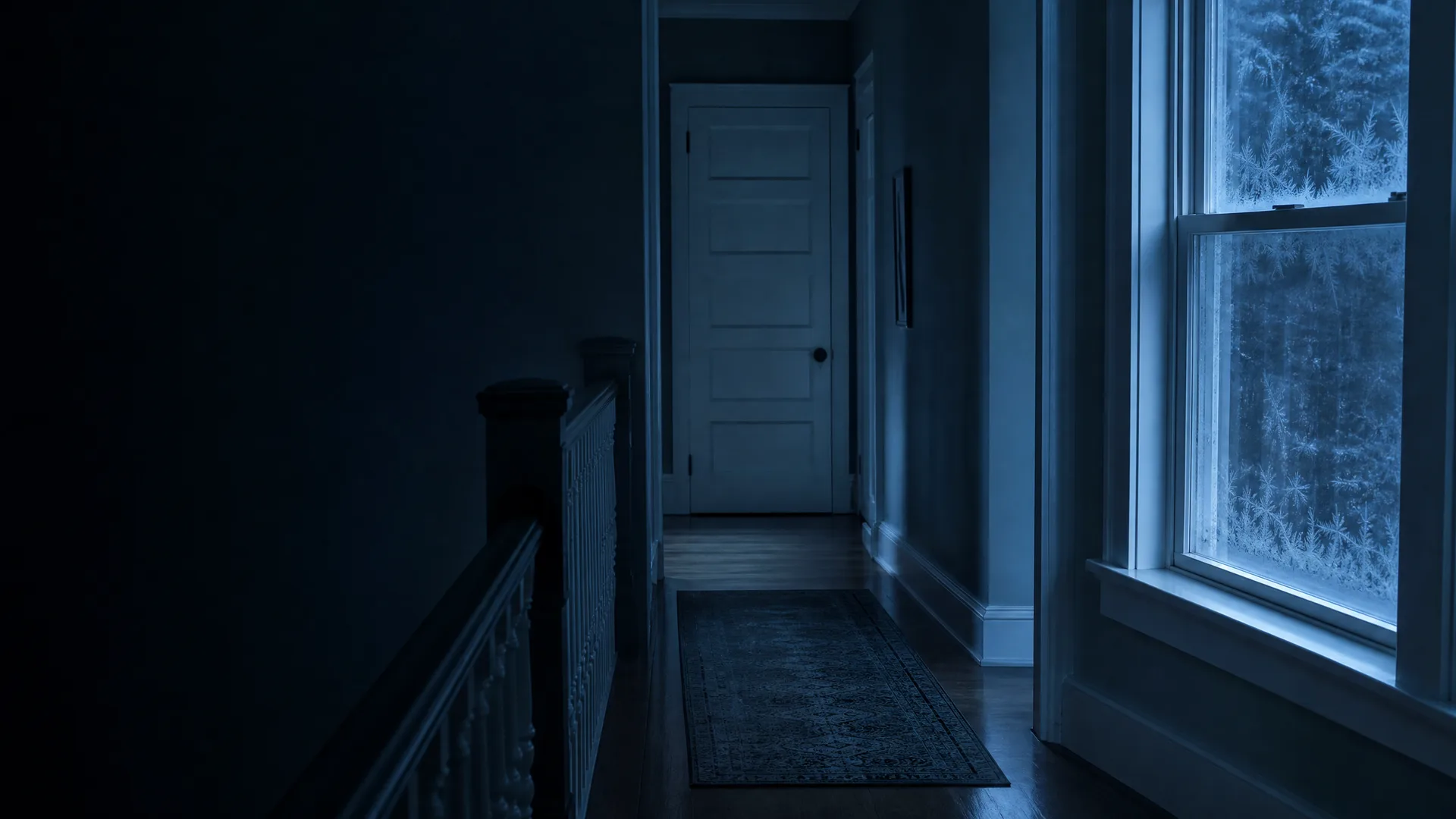
Dimly lit interior hallway at night with a closed white paneled door at the end, a long runner rug on a wood floor, a stair railing at left, and a frost-covered window admitting blue light at right.

You wake up because the house feels wrong before you know why. The hallway floor is cold under your feet, and the vent by the bathroom door isn't pushing any air. It's past two, and through the window at the end of the hall there's frost starting at the corners of the glass. You stand there a second, listening for the furnace to kick back on. Nothing. No hum from the ductwork, no click from the closet where the unit sits. Outside, Tarrant County is deep into one of those nights in the high 30s where the cold actually settles in, and the house is quiet in a way it shouldn't be at 2 a.m. in January.

A woman in a cream sweater and jeans stands in the open doorway of a white stucco house, holding the dark door, while a man in a dark quilted jacket seen from behind walks toward the entry past potted plants.

If the smell doesn't clear, you need it looked at

A burning dust smell that fades inside an hour is just your furnace waking up after a summer sitting idle. Anything sharper, anything that lingers past that first hour or comes back on the next cycle, is telling you something at the burners or the blower needs attention. That's the line, and it's worth holding onto on a cold night when you're tired and want to just go back to bed.

You don't have to figure out which part it is before you ask for help. A furnace tech who works on these units all over Tarrant County every fall has seen this smell mean a dozen different things, and knows which questions to ask to narrow it down fast. Getting matched with one local contractor means the person who shows up already has a sense of what to check first, and you're not explaining your situation to three different companies before anyone even looks at the unit.

A living room corner with a beige sofa and cushion, a round wooden coffee table holding a pale ceramic vase of eucalyptus stems and a wooden bowl, and a curtained window with a potted plant above a latticed radiator cover in the background.
A gray-haired man in a dark sweater sits on a light gray sofa in a living room, looking toward a sunlit window with trees outside.
A gray-haired man in a dark blue sweater sits on a light gray sofa in a sunlit living room, looking off to the side, with a potted plant, shelving unit, and large glass doors behind him.
A bearded man with graying hair in a dark green sweater sits on a sofa in a living room, looking off to the side, with a sliding glass door and a dim kitchen doorway behind him.
A gray-haired man in a dark knit sweater sits on a light gray sofa in a living room, looking toward a sunlit window, with houseplants, a lamp, and framed art in the background.

Furnace Repair

A pro who works on furnaces

The pro who gets in touch is licensed in Texas and works in Tarrant County.

A black-framed smartphone standing upright against a plain light gray background, its screen filled with solid green.
Step 1 of 3: Equipment