Tell us about the job
Takes about a minute. No obligation.
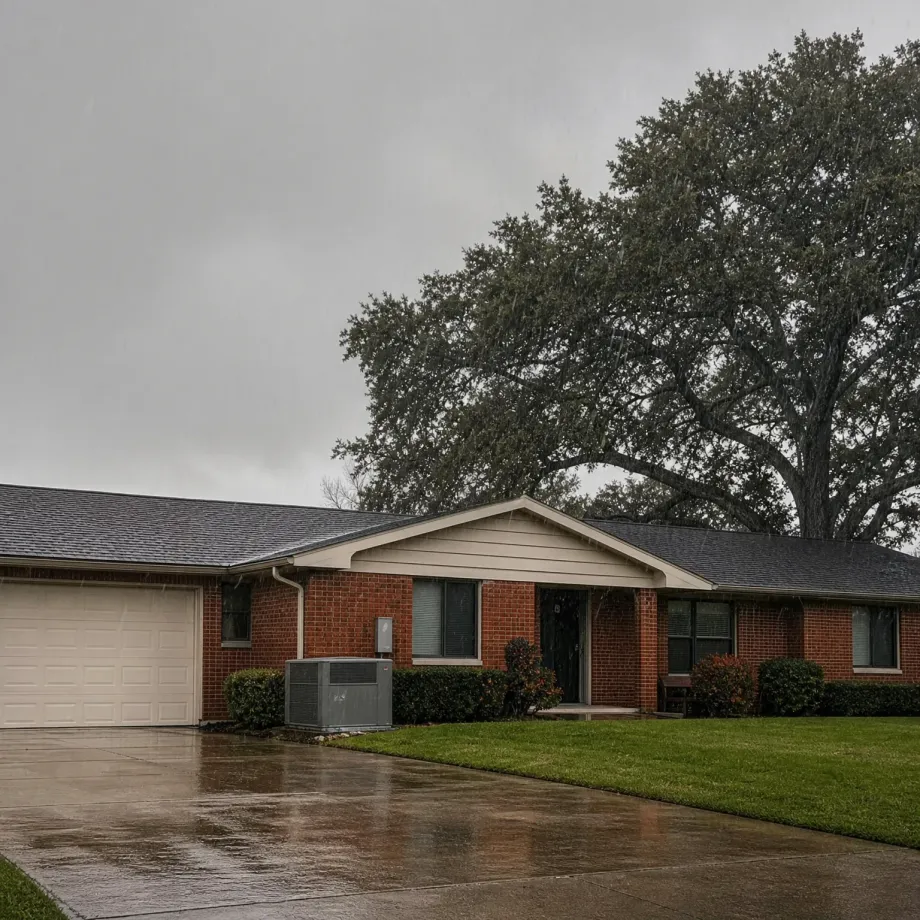
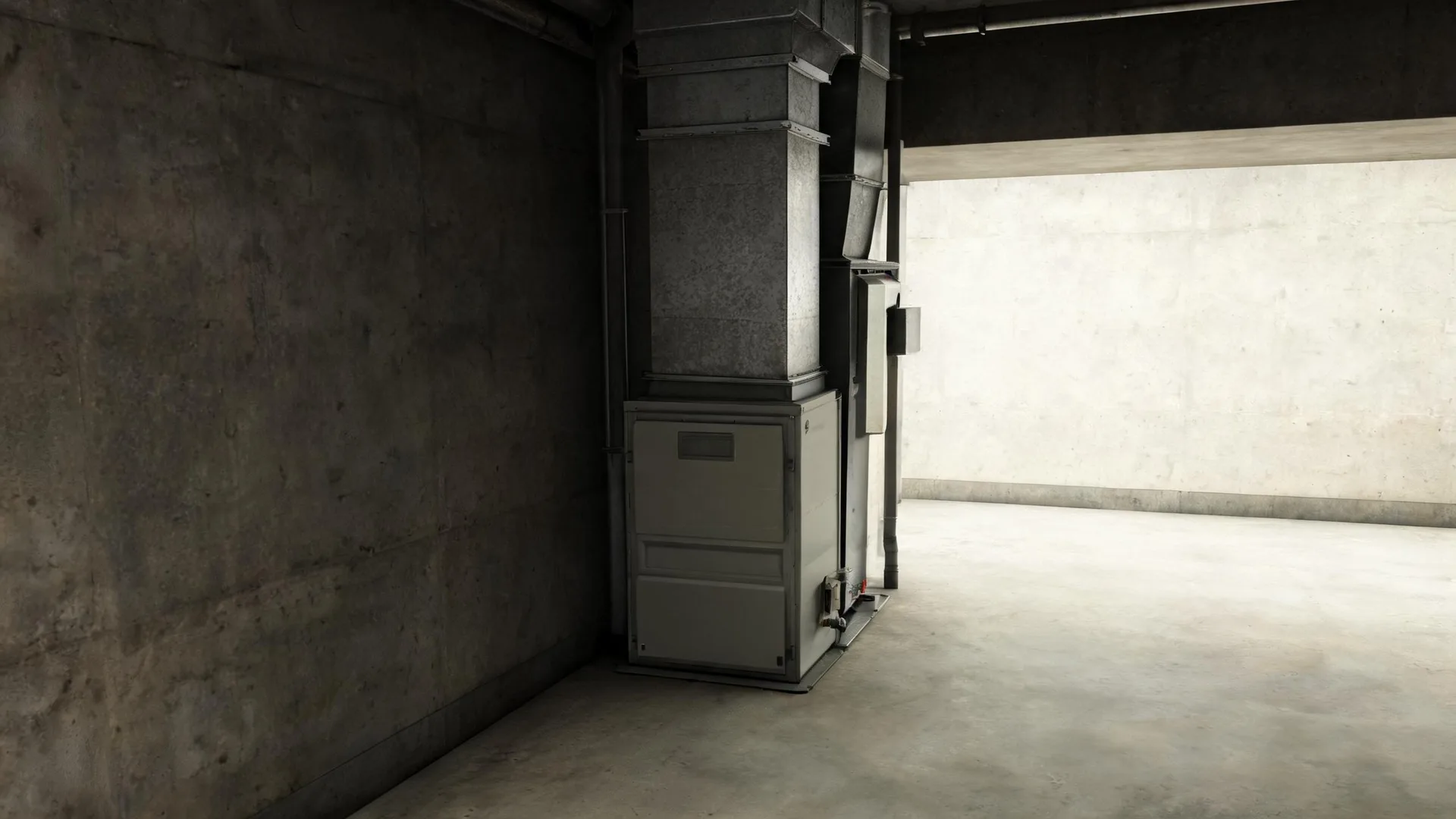
A furnace repair diagnosis in this county starts from what the system has already been through. 303 severe weather events were recorded in Wichita County, Texas between 2015 and 2024. At that rate, severe weather is part of the normal operating life of every furnace here, and a contractor working a repair reflects that in where they look first. Heat exchangers crack under repeated stress. Pressure switches and ignition components wear faster on systems that cycle hard through rough conditions. A contractor who skips those checks before quoting a repair is quoting blind.
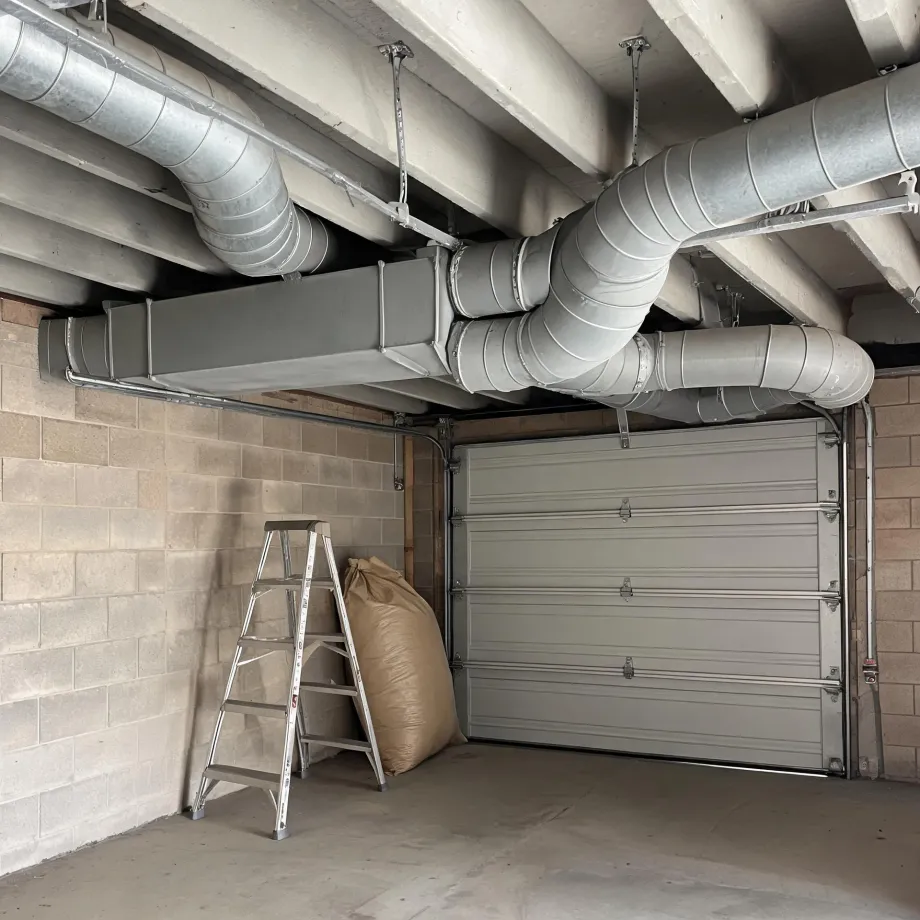
Ductwork in a house this old was built around whatever ran in it originally, and the furnace a contractor opens today may have been installed well after the walls went up. Half the homes in Wichita County, Texas were built in 1972 or earlier (2020-2024 ACS 5-year). That gap matters for repair work in a specific way: a component that fails on a system of that vintage may no longer be manufactured, and a contractor has to confirm availability before a repair scope means anything. If the part is gone from current supply, the job changes shape entirely.
The Parts of a Furnace a Contractor Checks First
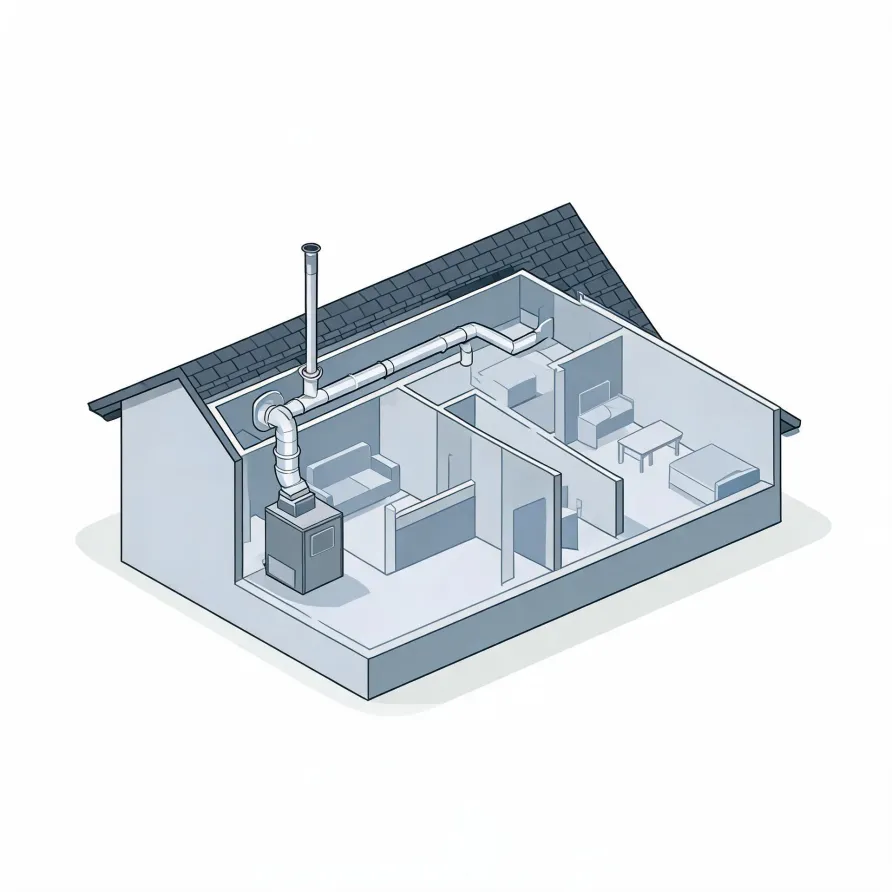
The heat exchanger sits at the core of the furnace cabinet and is the piece a contractor looks at closely during a repair call. Cracks or carbon buildup there affect the whole system. The burner assembly, which sits just below it, is another early stop. A fault at the burner shows up as ignition failure, uneven flame, or the furnace shutting off before the house reaches temperature.
The blower motor and fan sit in the lower section of the cabinet and push conditioned air into the supply side of your ductwork. The inducer motor, the flame sensor, the pressure switches, and the control board all share that same cabinet space. Each one has a specific job, and a contractor traces a symptom back through these parts to find where the fault lives.
The drawing shows the general layout of a furnace system, and a licensed contractor determines what applies to the equipment and configuration in your house.
Find a contractor in Wichita CountyWichita County, by the numbers
303 severe weather events were recorded in Wichita County, Texas between 2015 and 2024.
NOAA National Centers for Environmental Information, Storm Events Database, bulk CSV export, events 2015-01-01 through 2024-12-31.Half the homes in Wichita County, Texas were built in 1972 or earlier (2020-2024 ACS 5-year).
U.S. Census Bureau, 2020-2024 American Community Survey 5-Year EstimatesWichita County, Texas holds 55,750 housing units (2020-2024 ACS 5-year).
U.S. Census Bureau, 2020-2024 American Community Survey 5-Year EstimatesOwners occupy 61.4% of the occupied homes in Wichita County, Texas (2020-2024 ACS 5-year).
U.S. Census Bureau, 2020-2024 American Community Survey 5-Year EstimatesCodes & Standards Covering Furnace Repair in Wichita County, Texas5 sourced rules and standards
What Furnace Repair Looks Like in Wichita County
Non-weatherized gas furnaces manufactured on or after November 19, 2015 must reach 80.0 percent AFUE.
Non-weatherized oil-fired furnaces manufactured on or after November 19, 2015 must reach 83.0 percent AFUE.
Mobile home gas furnaces manufactured on or after November 19, 2015 must reach 80.0 percent AFUE.
Non-weatherized gas furnaces manufactured on or after December 18, 2028 must reach 95.0 percent AFUE, up from the 80.0 percent minimum that applies to units manufactured before that date.
Licensing and Legal Requirements in Wichita County, Texas
In Texas a person may not engage in air conditioning and refrigeration contracting unless that person holds a license issued under the state air conditioning and refrigeration contractor law.
Severe Weather Events in Wichita County
Extreme weather puts real stress on furnace systems, forcing them to run harder and longer than they were sized to handle. How often that pressure hits in Wichita County shapes how much repair work local equipment actually needs.
303 severe weather events, 2015–2024. Source: NOAA National Centers for Environmental Information, Storm Events Database.