
Tell us about the job
Takes about a minute. No obligation.
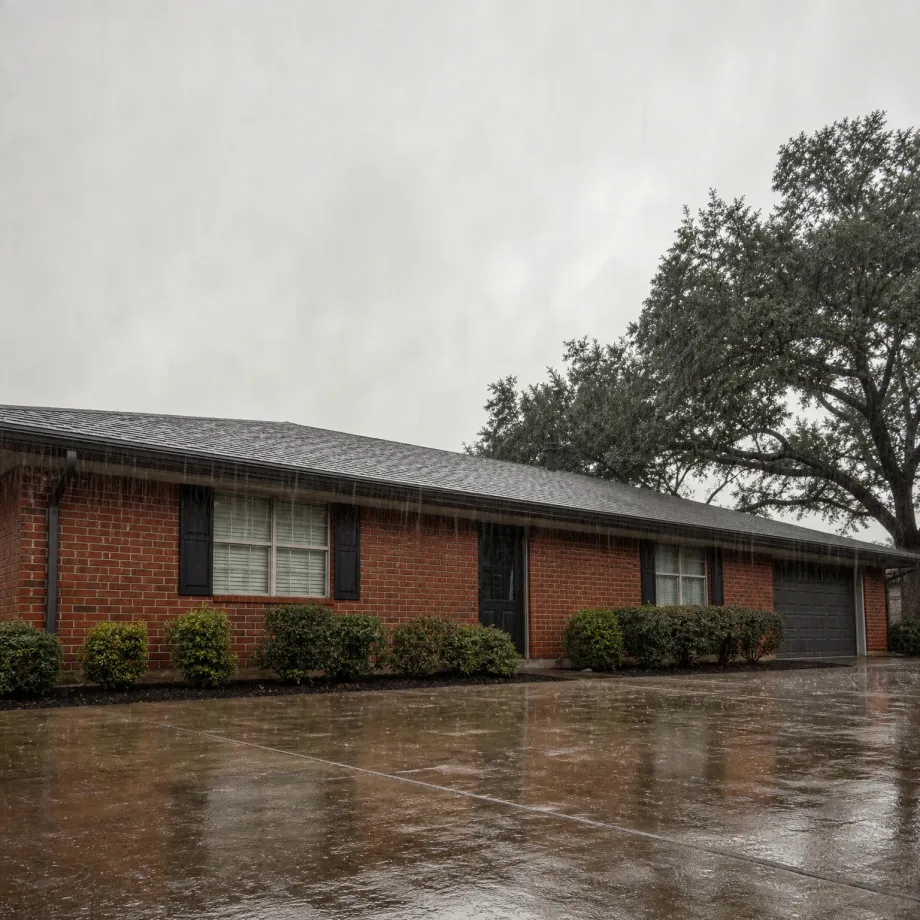
A furnace repair in Victoria County starts with what the equipment has actually been through, and that history is more often told by dusty heat exchangers and neglected filters than by storm wear. 46 severe weather events were recorded in Victoria County, Texas between 2015 and 2024. At that rate, severe weather is a real but occasional pressure on heating systems here, not the standing grind that defines every repair. A contractor will check ignition components, airflow, and heat exchanger condition first, because those are where years of normal cycling leave their mark. The weather record matters, but age and how the system was maintained are what a failed furnace in this county usually comes down to.
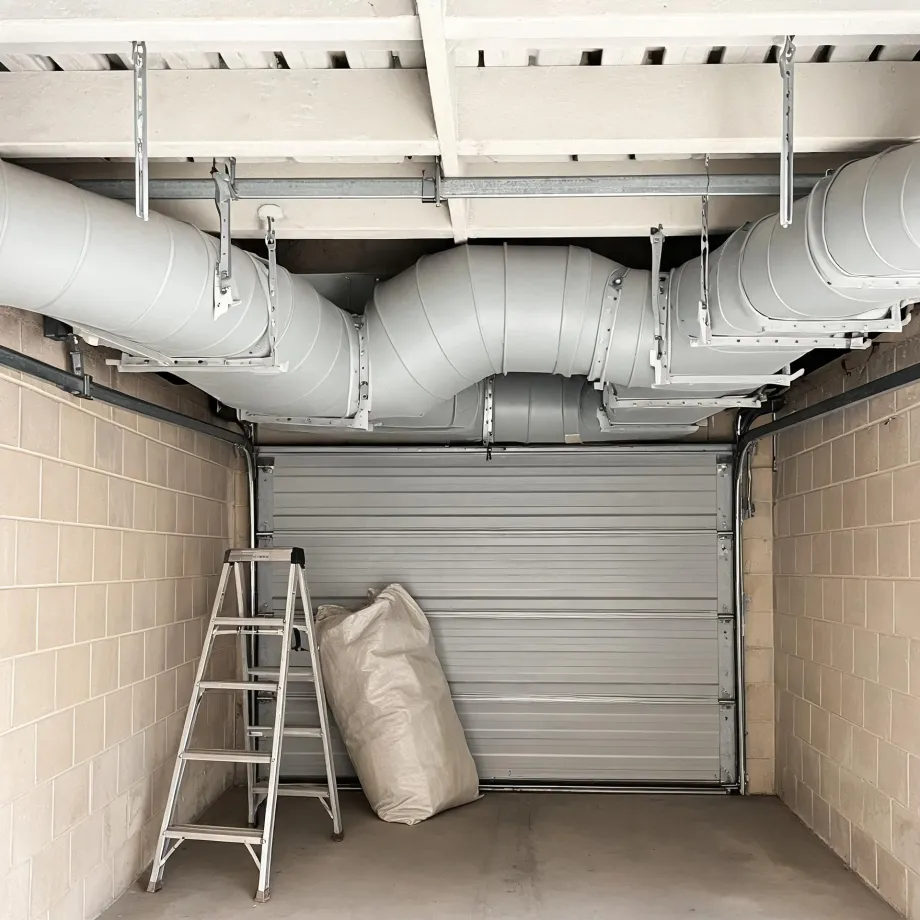
Furnace repairs in housing this old tend to surface at the heat exchanger and the combustion side first. Half the homes in Victoria County, Texas were built in 1983 or earlier (2020-2024 ACS 5-year). Equipment running in a house built that long ago has cycled through summers of high humidity and salt-laden air, and what a contractor finds when the unit is opened is usually physical: cracked exchangers, corroded burners, or deteriorated seals rather than a failed control board. Parts for systems that old are sometimes discontinued, which changes whether a repair is worth pricing at all.
The Parts of a Furnace a Contractor Checks First
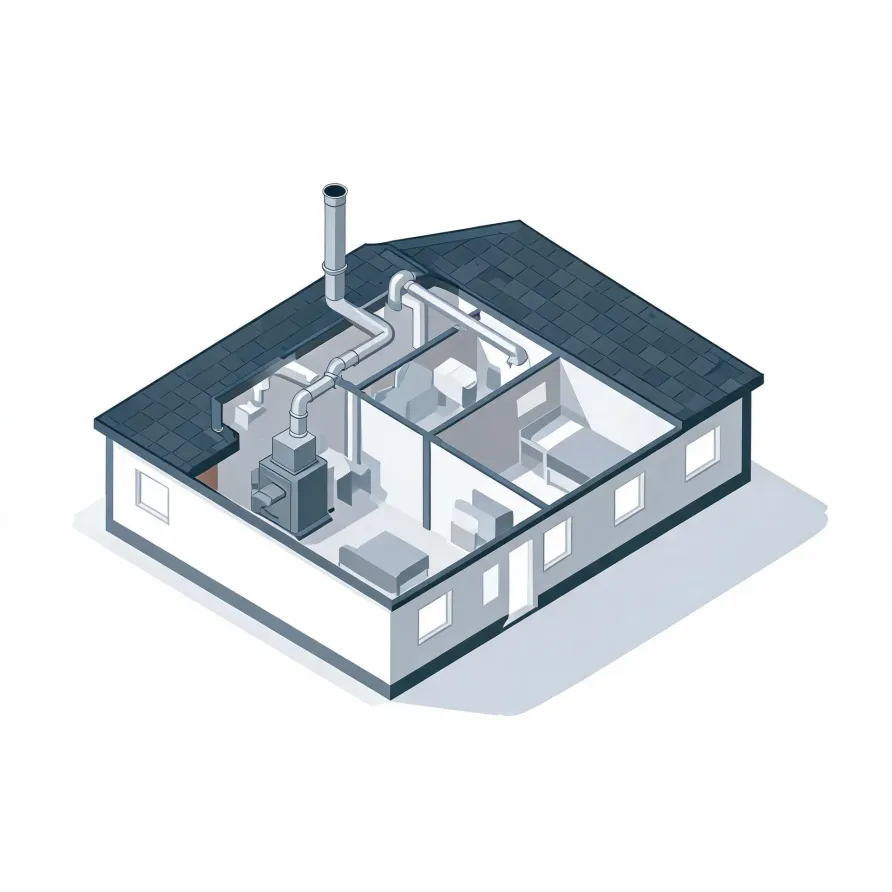
The heat exchanger sits inside the furnace cabinet, usually in a utility closet, basement, or garage, and it is the wall between combustion gases and the air your family breathes. A crack there is a serious fault. The burners sit just below it, and when they misfire or run dirty, the furnace either won't light or heats unevenly.
The blower motor and its wheel sit at the base of the cabinet and push conditioned air into the supply duct system. The control board rides inside the same cabinet and tells every other part when to run. The flue pipe runs from the cabinet up through the roof or out a sidewall, and a blockage or breach there stops the furnace from operating safely.
The drawing shows a general furnace layout, and a licensed contractor will determine which parts apply to your specific setup and what each one needs.
Find a contractor in Victoria CountyVictoria County, by the numbers
46 severe weather events were recorded in Victoria County, Texas between 2015 and 2024.
NOAA National Centers for Environmental Information, Storm Events Database, bulk CSV export, events 2015-01-01 through 2024-12-31.Half the homes in Victoria County, Texas were built in 1983 or earlier (2020-2024 ACS 5-year).
U.S. Census Bureau, 2020-2024 American Community Survey 5-Year EstimatesVictoria County, Texas holds 39,481 housing units (2020-2024 ACS 5-year).
U.S. Census Bureau, 2020-2024 American Community Survey 5-Year EstimatesOwners occupy 65.3% of the occupied homes in Victoria County, Texas (2020-2024 ACS 5-year).
U.S. Census Bureau, 2020-2024 American Community Survey 5-Year EstimatesCodes & Standards Behind Furnace Repair in Victoria County, Texas5 rules & citations
What Happens When the Contractor Arrives
Non-weatherized gas furnaces manufactured on or after November 19, 2015 must reach 80.0 percent AFUE.
Non-weatherized oil-fired furnaces manufactured on or after November 19, 2015 must reach 83.0 percent AFUE.
Mobile home gas furnaces manufactured on or after November 19, 2015 must reach 80.0 percent AFUE.
Non-weatherized gas furnaces manufactured on or after December 18, 2028 must reach 95.0 percent AFUE, up from the 80.0 percent minimum that applies to units manufactured before that date.
Licensing Rules for HVAC Repair in Victoria County, Texas
In Texas a person may not engage in air conditioning and refrigeration contracting unless that person holds a license issued under the state air conditioning and refrigeration contractor law.
Severe Weather Events in Victoria County
Weather in Victoria County puts real stress on heating equipment: hard swings in outdoor conditions force furnaces to run harder and fail sooner. That wear is local, and repairing it calls for contractors who know what this area asks of the equipment.
46 severe weather events, 2015–2024. Source: NOAA National Centers for Environmental Information, Storm Events Database.