Tell us about the job
Takes about a minute. No obligation.
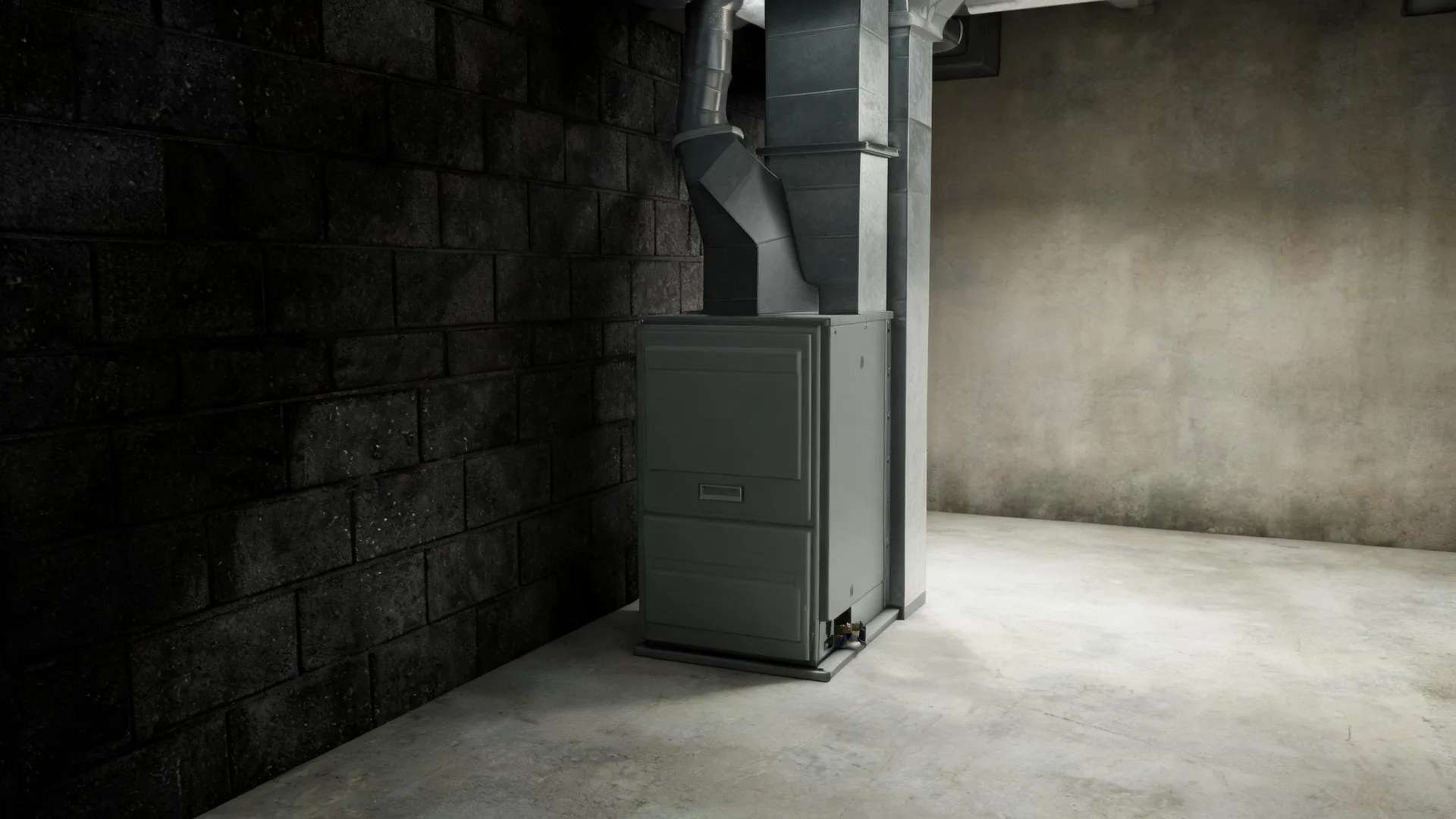
A furnace repair in Nolan County starts with a question a contractor has to settle before pricing parts: how much has this system already absorbed, and where did it give first. 125 severe weather events were recorded in Nolan County, Texas between 2015 and 2024. At that rate, severe weather is a standing condition of operating here, and the components that carry the hardest load during temperature swings and pressure changes are the ones a contractor checks first. Heat exchangers, igniters, and blower motors collect that wear unevenly, and what a contractor finds inside the cabinet reflects it.
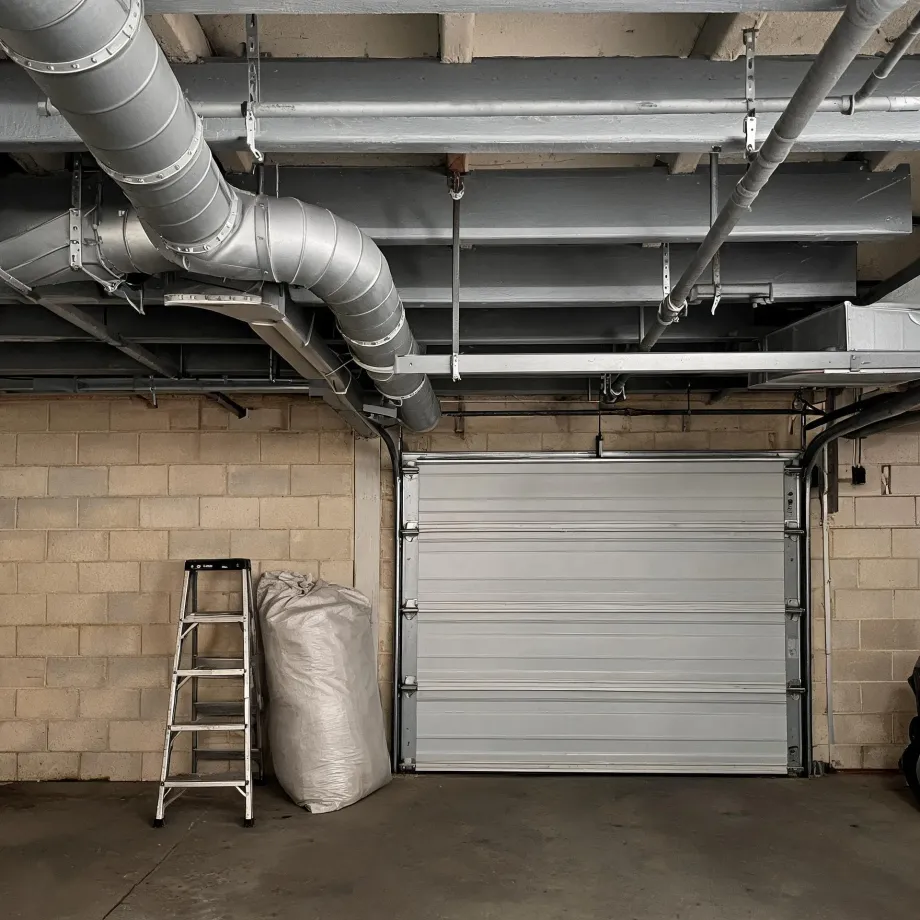
Ductwork in a house carries whatever was put in it, and in a house that has changed hands, been added onto, or had prior repairs done on a budget, what the ductwork actually contains is not obvious from the outside. Half the homes in Nolan County, Texas were built in 1965 or earlier (2020-2024 ACS 5-year). That history means a contractor opening a furnace here works out early whether the components inside are still manufactured, because a system that has been partially serviced over the decades may be running on a mix of parts that complicates sourcing the one that failed. The repair scope firms up once the unit is open, not before.
The Parts of a Furnace a Contractor Checks First
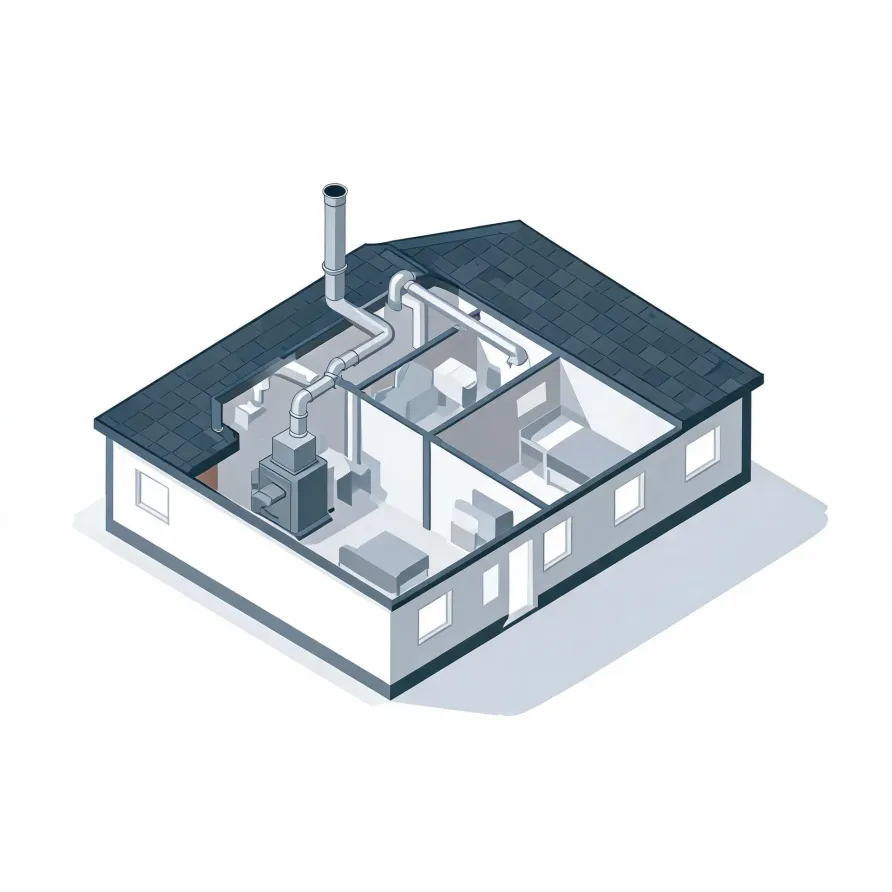
The heat exchanger sits at the core of the furnace cabinet and is where combustion gases give up their heat to your indoor air. A crack or failure there is serious. The burners, which sit just below it, are where fuel ignites, and when the flame pattern is wrong or a burner is fouled, the heat exchanger never gets what it needs.
The blower motor and its wheel sit in the lower half of the cabinet and push conditioned air out through your supply plenum. The inducer motor pulls combustion gases out through the flue. The control board, tucked behind the access panel, runs the sequencing of every component, and a fault there can look like almost anything else failing.
The drawing shows a typical furnace layout, and a licensed contractor determines which components apply to your specific system and situation.
Find a contractor in Nolan CountyNolan County, by the numbers
125 severe weather events were recorded in Nolan County, Texas between 2015 and 2024.
NOAA National Centers for Environmental Information, Storm Events Database, bulk CSV export, events 2015-01-01 through 2024-12-31.Half the homes in Nolan County, Texas were built in 1965 or earlier (2020-2024 ACS 5-year).
U.S. Census Bureau, 2020-2024 American Community Survey 5-Year EstimatesNolan County, Texas holds 7,104 housing units (2020-2024 ACS 5-year).
U.S. Census Bureau, 2020-2024 American Community Survey 5-Year EstimatesOwners occupy 68.1% of the occupied homes in Nolan County, Texas (2020-2024 ACS 5-year).
U.S. Census Bureau, 2020-2024 American Community Survey 5-Year EstimatesCodes & Standards Behind Furnace Repair in Nolan County, Texas5 sourced rules & standards
What the Repair Visit Looks Like
Non-weatherized gas furnaces manufactured on or after November 19, 2015 must reach 80.0 percent AFUE.
Non-weatherized oil-fired furnaces manufactured on or after November 19, 2015 must reach 83.0 percent AFUE.
Mobile home gas furnaces manufactured on or after November 19, 2015 must reach 80.0 percent AFUE.
Non-weatherized gas furnaces manufactured on or after December 18, 2028 must reach 95.0 percent AFUE, up from the 80.0 percent minimum that applies to units manufactured before that date.
Licensing Rules for HVAC Work in Nolan County, Texas
In Texas a person may not engage in air conditioning and refrigeration contracting unless that person holds a license issued under the state air conditioning and refrigeration contractor law.
Weather Stress on HVAC Equipment in Nolan County
Extreme weather puts real strain on heating systems, and that strain shows up as wear, failure, and repair calls. How hard local weather pushes the equipment determines how often a furnace in this area needs attention.
125 severe weather events, 2015–2024. Source: NOAA National Centers for Environmental Information, Storm Events Database.