Tell us about the job
Takes about a minute. No obligation.
A furnace in this county has been running against real weather pressure, and that shapes what a contractor has to sort out before settling on a diagnosis. 113 severe weather events were recorded in Hardeman County, Texas between 2015 and 2024. At that rate, wear on heat exchangers, pressure switches, and draft inducers reflects something other than a quiet operating life, and a contractor working a repair here checks those components for stress-related degradation before writing off a failure as simple age. The load the equipment has carried is part of what determines the repair scope and which parts a contractor orders.
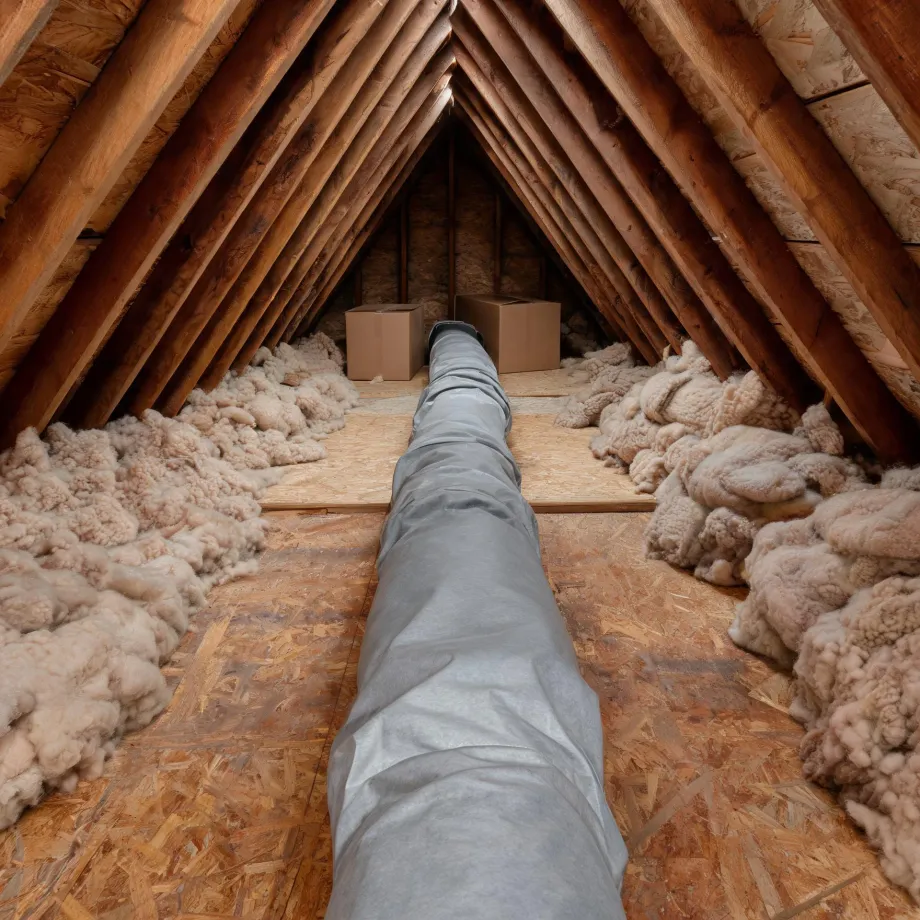
Furnaces in houses built this long ago have often been replaced once or more since the original install, but the replacement units are themselves aging now. Half the homes in Hardeman County, Texas were built in 1961 or earlier (2020-2024 ACS 5-year). That puts a contractor opening a failed furnace in a real position: the fault may be a single component, but if that component is no longer manufactured for a system of that generation, a repair becomes a replacement conversation. The job does not end at diagnosis.
The Parts of a Furnace a Contractor Checks First
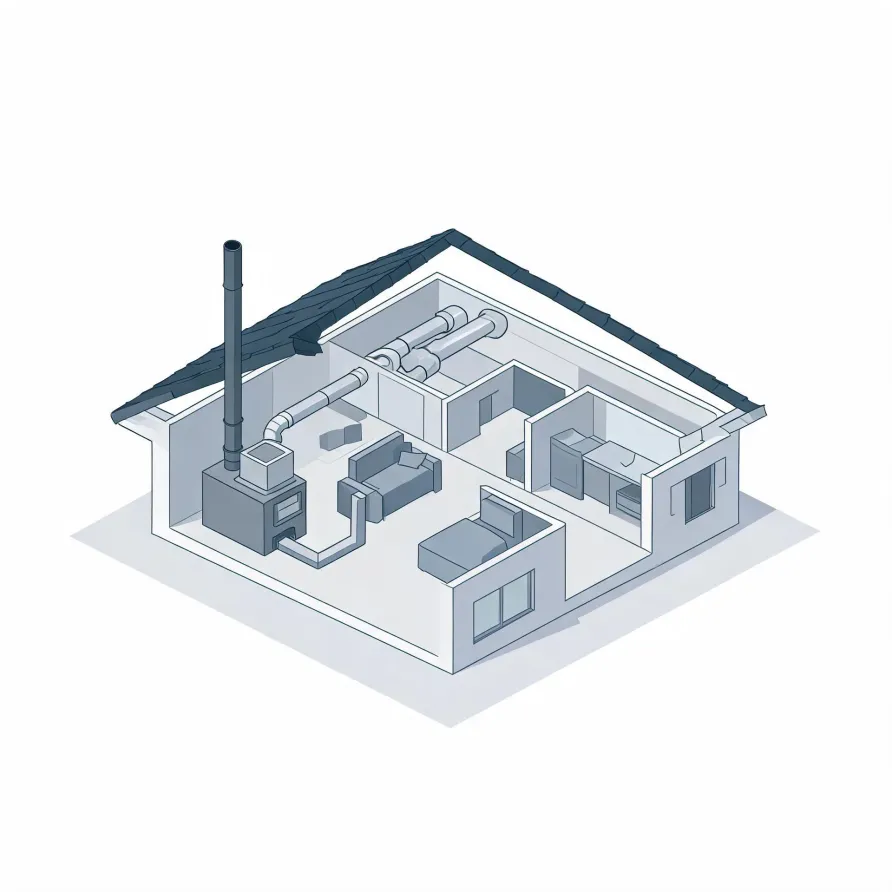
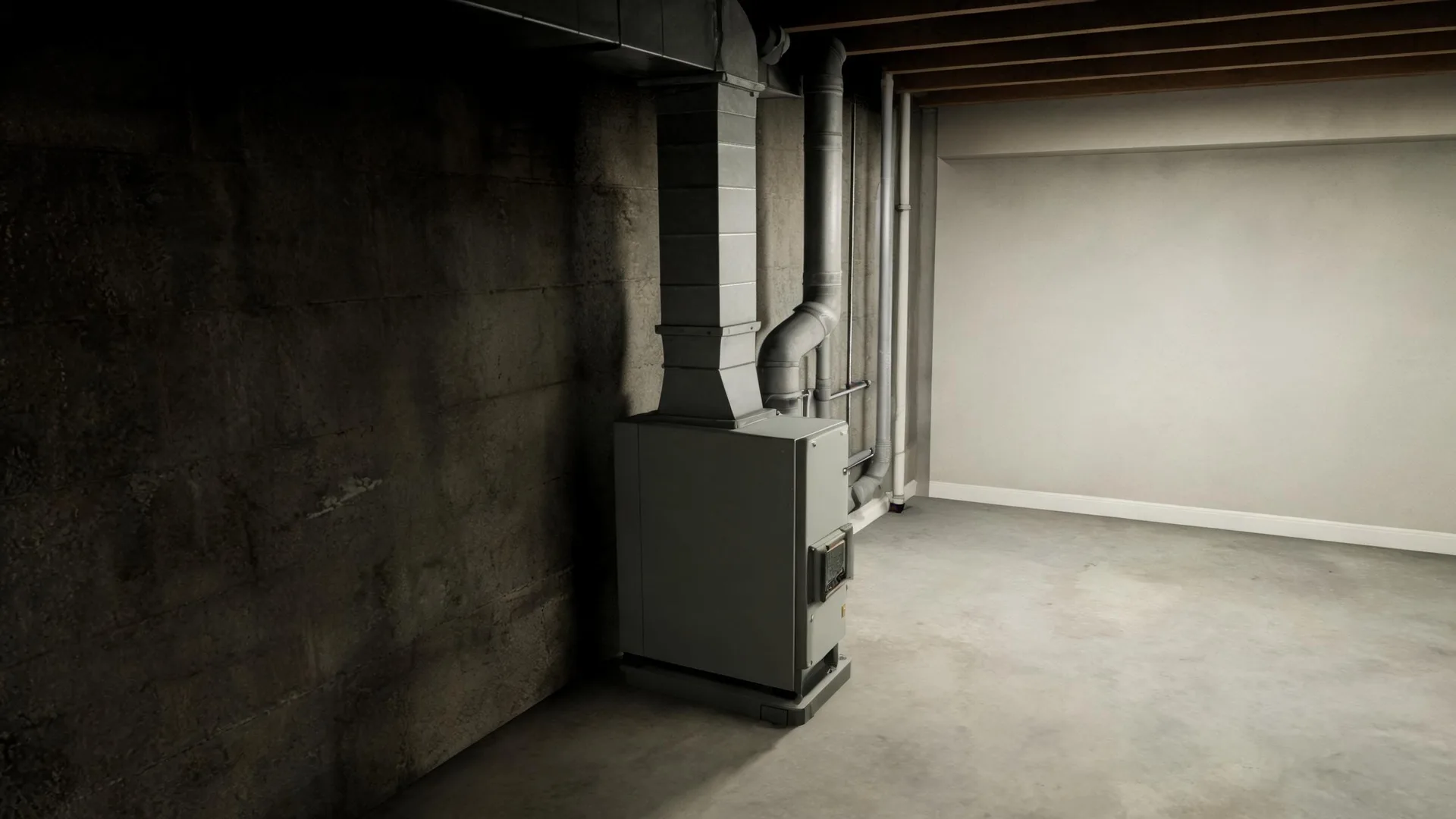
The heat exchanger sits inside the furnace cabinet, usually in a utility closet, basement, or garage, and it is the wall between the combustion side and the air your family breathes. A crack there is a safety issue before it is a comfort issue. The burners sit just below it, and when they misfire or fail to light, the whole unit shuts down.
The blower motor pulls air across the heat exchanger and pushes it into the supply duct. A failed motor means no airflow even when everything else is working. The inducer motor, the flame sensor, the limit switch, and the control board each play a role in getting a burn started and keeping it safe, and a contractor will test each one when the symptom does not point clearly at a single part.
The drawing shows a typical furnace layout, and a licensed contractor will assess which components apply to the specific equipment and installation in your home.
Get matched in Hardeman CountyHardeman County, by the numbers
113 severe weather events were recorded in Hardeman County, Texas between 2015 and 2024.
NOAA National Centers for Environmental Information, Storm Events Database, bulk CSV export, events 2015-01-01 through 2024-12-31.Half the homes in Hardeman County, Texas were built in 1961 or earlier (2020-2024 ACS 5-year).
U.S. Census Bureau, 2020-2024 American Community Survey 5-Year EstimatesHardeman County, Texas holds 1,808 housing units (2020-2024 ACS 5-year).
U.S. Census Bureau, 2020-2024 American Community Survey 5-Year EstimatesOwners occupy 73.9% of the occupied homes in Hardeman County, Texas (2020-2024 ACS 5-year).
U.S. Census Bureau, 2020-2024 American Community Survey 5-Year EstimatesCodes & Standards Governing Furnace Repair in Hardeman County, Texas5 sourced rules and standards
What Happens When the Contractor Comes Out
Non-weatherized gas furnaces manufactured on or after November 19, 2015 must reach 80.0 percent AFUE.
Non-weatherized oil-fired furnaces manufactured on or after November 19, 2015 must reach 83.0 percent AFUE.
Mobile home gas furnaces manufactured on or after November 19, 2015 must reach 80.0 percent AFUE.
Non-weatherized gas furnaces manufactured on or after December 18, 2028 must reach 95.0 percent AFUE, up from the 80.0 percent minimum that applies to units manufactured before that date.
Licensing and Legal Requirements in Hardeman County, Texas
In Texas a person may not engage in air conditioning and refrigeration contracting unless that person holds a license issued under the state air conditioning and refrigeration contractor law.
Severe Weather Events in Hardeman County
Hard weather puts real stress on furnace components, and how often that stress arrives is a local fact, not a general one. A contractor sizing and repairing equipment in Hardeman County works from conditions here, not from averages drawn somewhere else.
113 severe weather events, 2015–2024. Source: NOAA National Centers for Environmental Information, Storm Events Database.