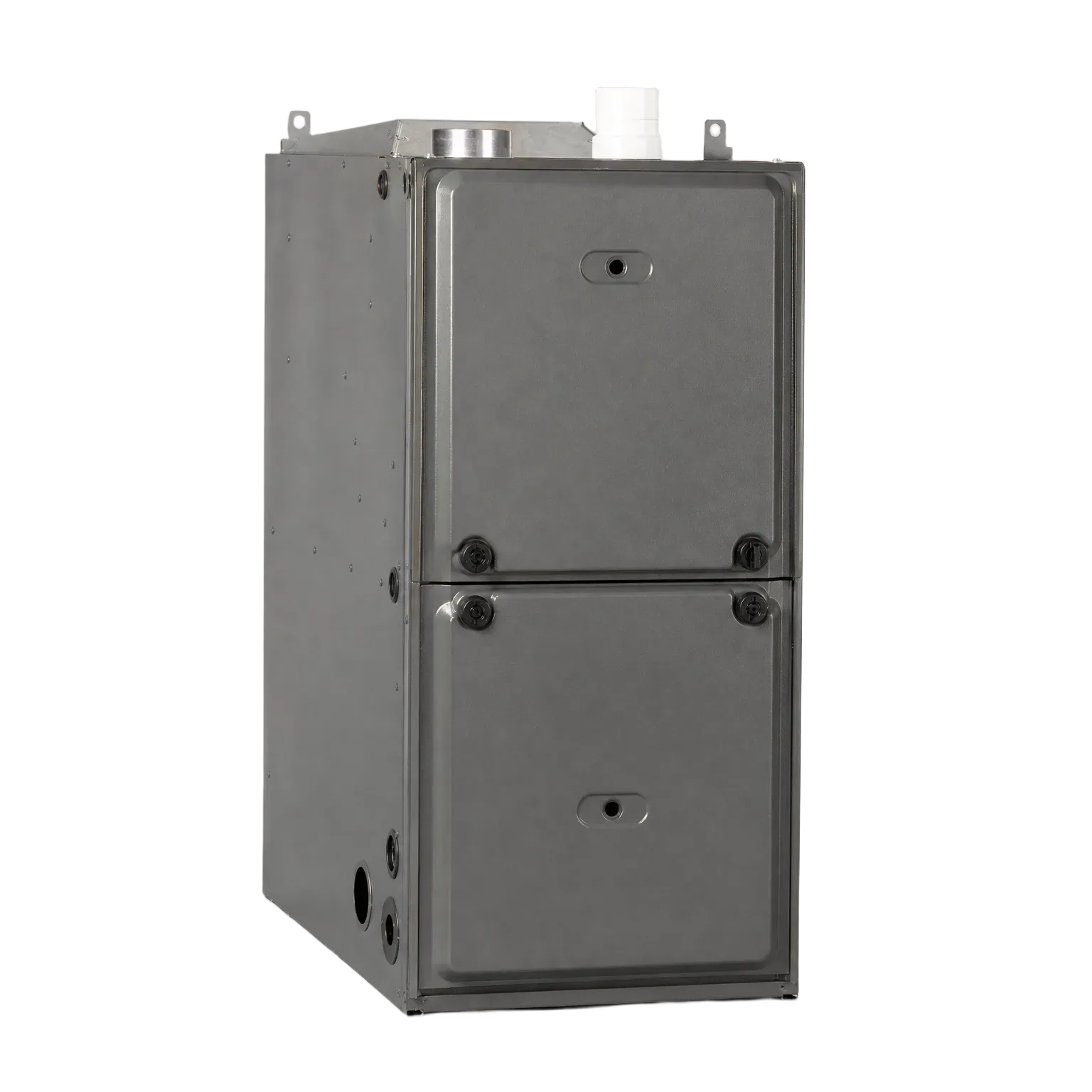
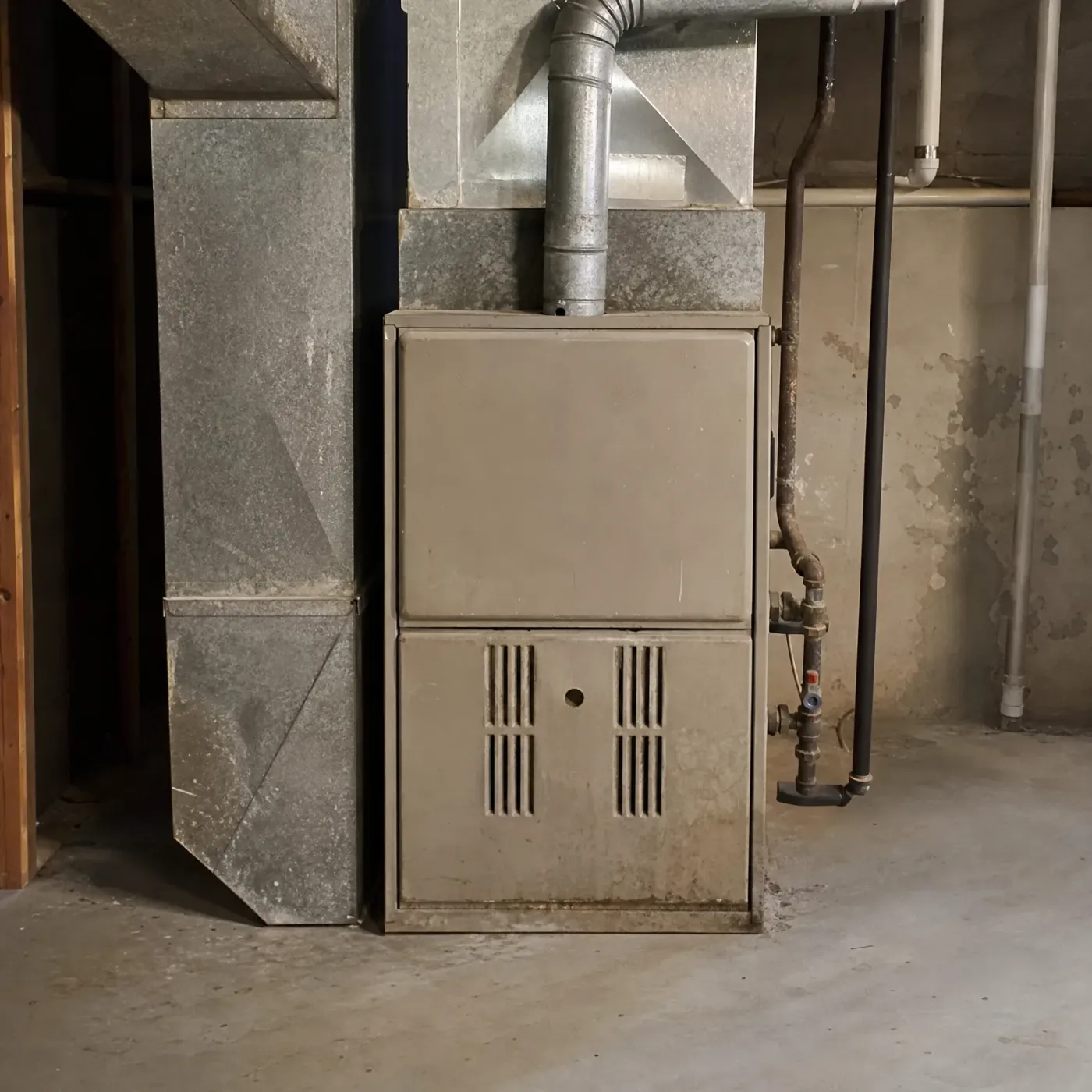
Pilot lit, furnace running
The flame stays blue and steady, and the burners kick on when the thermostat calls for heat. Gas flows, the flame sensor reads it, and the furnace keeps running until the house hits temperature.
A pilot that won't stay lit means the furnace shuts off gas before it ever gets warm, and most homes in Bexar County don't lean on that furnace much to begin with since winters here are mild and electricity does most of the heating. But on the cold nights when you do need it, a dead pilot is the whole problem. Chasing this down yourself means finding a contractor who still works on gas furnaces, calling around, explaining what the flame is doing each time someone new picks up, then sorting through quotes before anyone shows up. Send the form instead and that search stops being yours to run. You're not left holding a list of numbers to work through or repeating the same description of the flame to a third person. Someone qualified gets the details once, from this page, and takes it from there.
You keep lighting the pilot and it holds for a minute, maybe less, then goes out again. It is one of the handful of cold nights Bexar County gets, and you need the furnace working now, not after a week of back and forth. Before anything else, you want to know what is actually keeping that flame from staying lit.
The thermocouple is the small sensor that sits in the pilot flame. Its job is to tell the gas valve the flame is burning so the valve stays open. Once it wears out or sits slightly out of position, it stops sensing the flame correctly and the valve shuts the gas off, even though the pilot was lit a moment ago. Dirt on the pilot assembly or a draft from a nearby vent can cause the same thing. Because furnaces in Bexar County run on only the coldest nights, this kind of wear can sit unnoticed for a long stretch before it shows up, which is usually the first night you actually need the heat.
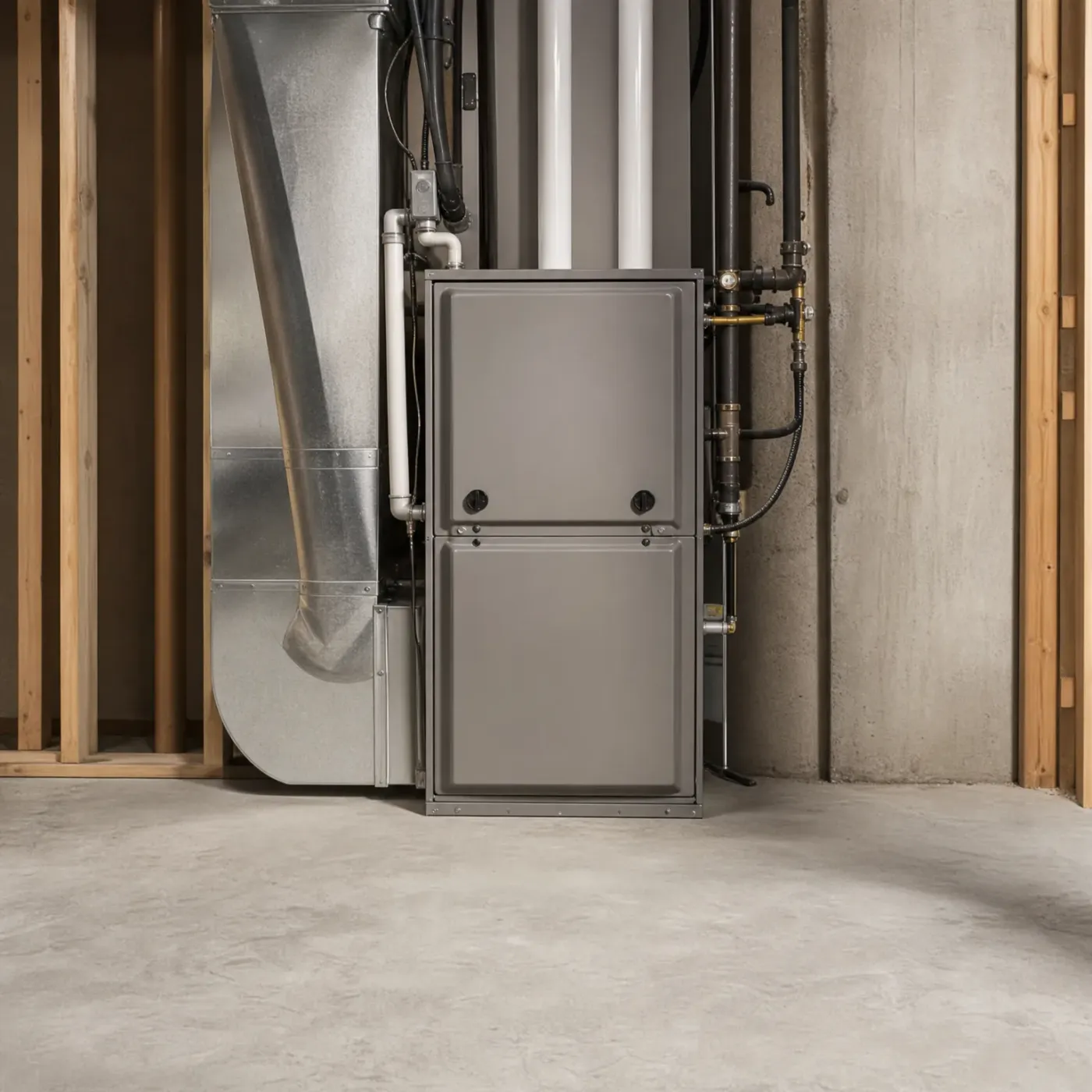
The flame stays blue and steady, and the burners kick on when the thermostat calls for heat. Gas flows, the flame sensor reads it, and the furnace keeps running until the house hits temperature.
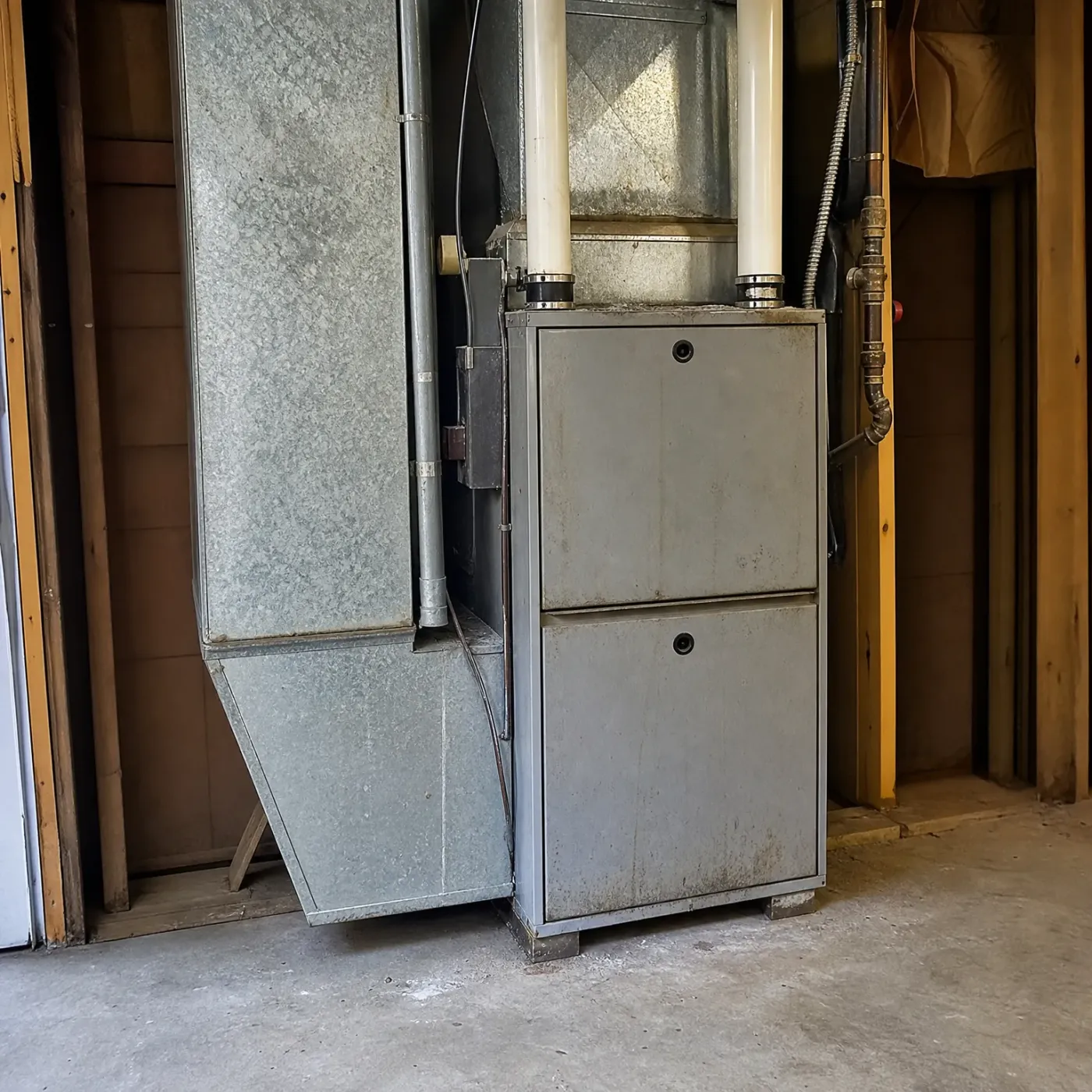
A weak signal from the thermocouple or a draft near the pilot assembly makes the valve cut gas within seconds of letting go of the knob. Rust or age on an older unit can mean the part behind it needs replacing, not just relighting.
Winter nights average 43°F
Overnight lows average 43°F through December, January and February, so the nights your pilot needs to hold are cold enough that a furnace that won't light actually leaves you cold.
Heat runs November through March
Furnaces in Bexar County run about five months a year, November through March. A pilot that won't stay lit during that stretch is the furnace failing on the only job it has.
69.6% of homes heat with electricity
Electricity heats 69.6% of homes here, so the gas furnace in a home like yours is already doing less work than most. When it can't even hold a pilot, there's no backup picking up the slack.
NOAA nClimDiv 1991-2020 · ACS 2020-2024
The pilot flame heats a thermocouple, and that heat creates a tiny electric signal that tells the gas valve to stay open. If the tip of the flame doesn't touch the thermocouple right, or the thermocouple itself has worn out, the signal drops before the valve ever gets a steady reading. The valve reads that as no flame at all, even with the pilot burning right in front of it, and it shuts the gas off. That's why relighting it works for a minute and then fails again.
Pilot assemblies sit in a small chamber that depends on quiet air to keep the flame where it needs to be. A vent that isn't sealed right, a loose panel, or wind pushing in from outside can bend the flame away from the thermocouple just enough to break contact. The flame looks fine to the eye but isn't heating the part that matters. This is harder to catch than a bad thermocouple because the pilot can stay lit on a still night and go out the next time the wind picks up.




Explain the furnace problem once instead of to every shop in Bexar County.
It costs nothing to send, and you don't have to hire anyone.
A furnace that won't hold a pilot shows up first as a house that stays at 62 when the thermostat says 68, usually at ten or eleven at night when the temperature outside has already dropped into the 40s. You light it, you feel good about it for a minute, then you check back and the air coming out of the vents is cold again. If there's a baby or an older adult in the house, that gap between what the thermostat reads and what the house actually feels like matters more than it would most nights. Left alone, a pilot that won't hold doesn't fix itself. The thermocouple or the gas valve behind it keeps failing the same way each time you try, so every night it happens is another night of relighting it by hand, or giving up and running space heaters instead, which is its own cost on the electric bill. The furnace isn't dangerous sitting unlit. It's just not doing the one thing you need it to do on the nights you need it.
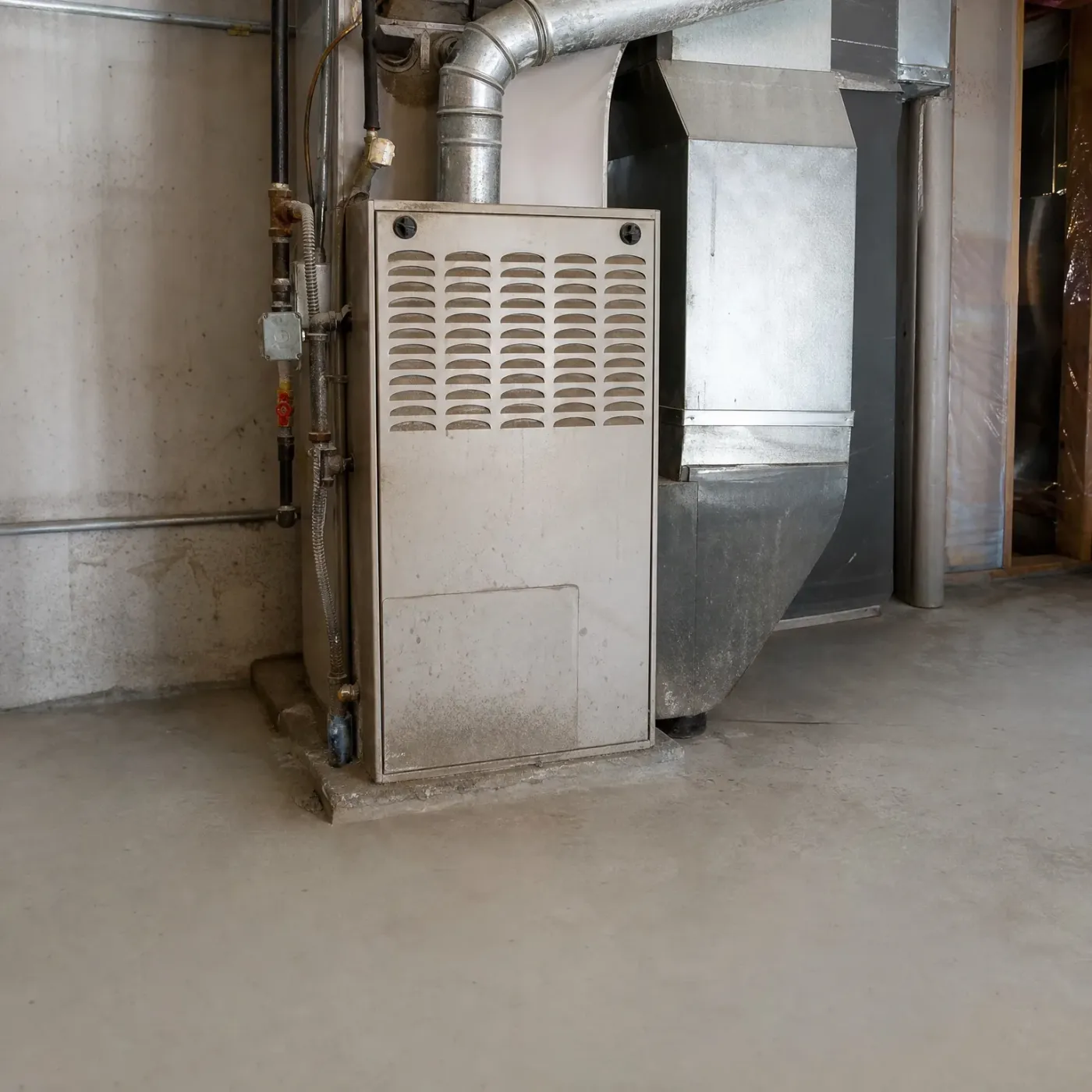
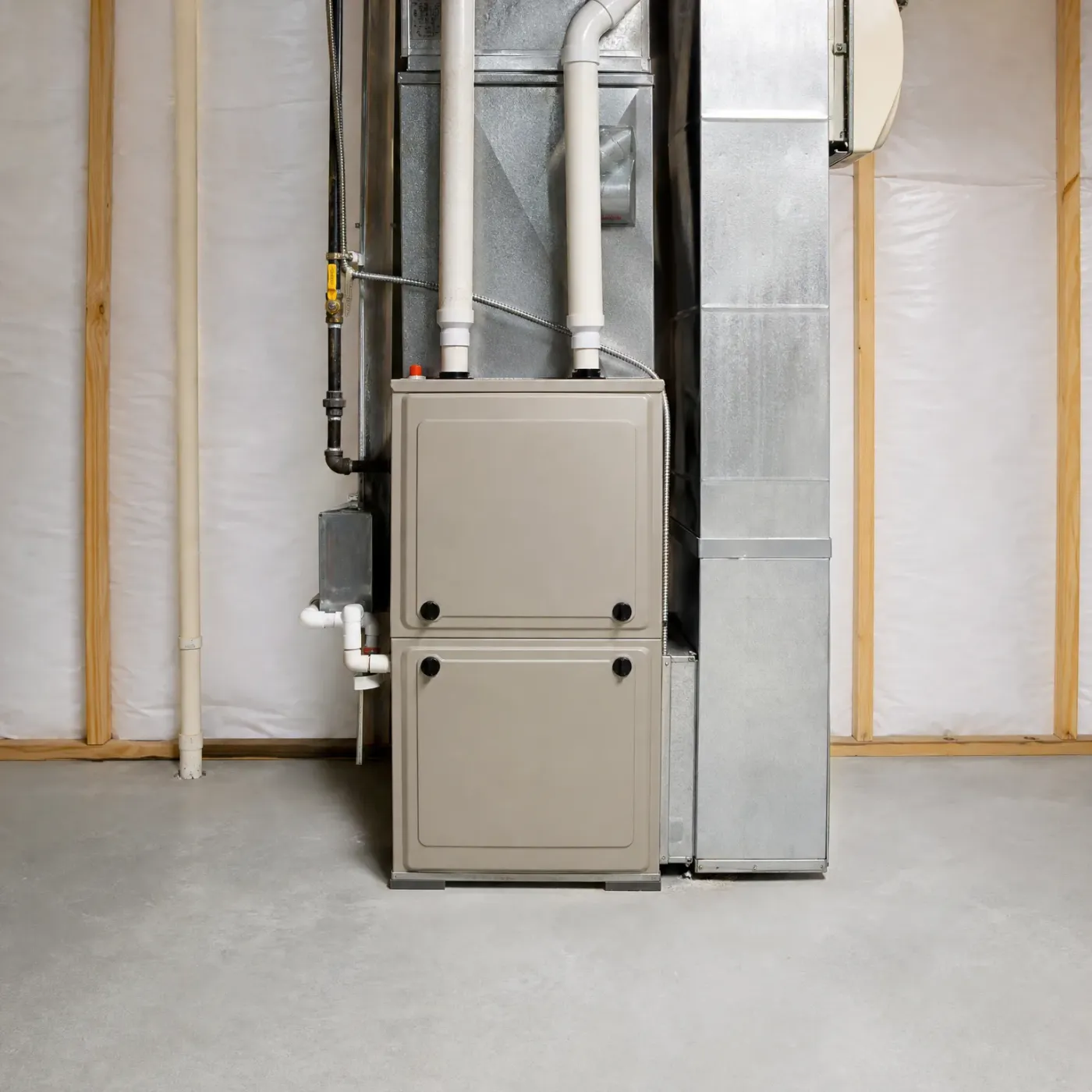
The pilot assembly is simple, which is why it is worth knowing how it fails. The flame heats the thermocouple, the thermocouple sends a small signal to the gas valve, and the valve stays open as long as that signal holds. Break the signal anywhere along that path and the valve closes, no matter how good the flame looks to you. Soot on the orifice can narrow the flame so the tip misses the thermocouple by a fraction of an inch. The connection at the gas valve can work loose over time, even when the thermocouple itself is fine. A draft from a nearby vent or the flue can push the flame sideways just enough to pull it off the thermocouple. And the thermocouple wears with every heating cycle it has ever gone through, so a part that held steady last winter can give out this one without any sign beforehand. None of these show up by looking at the flame alone. A contractor checks the signal itself, at the valve, to see which part of that chain actually failed.
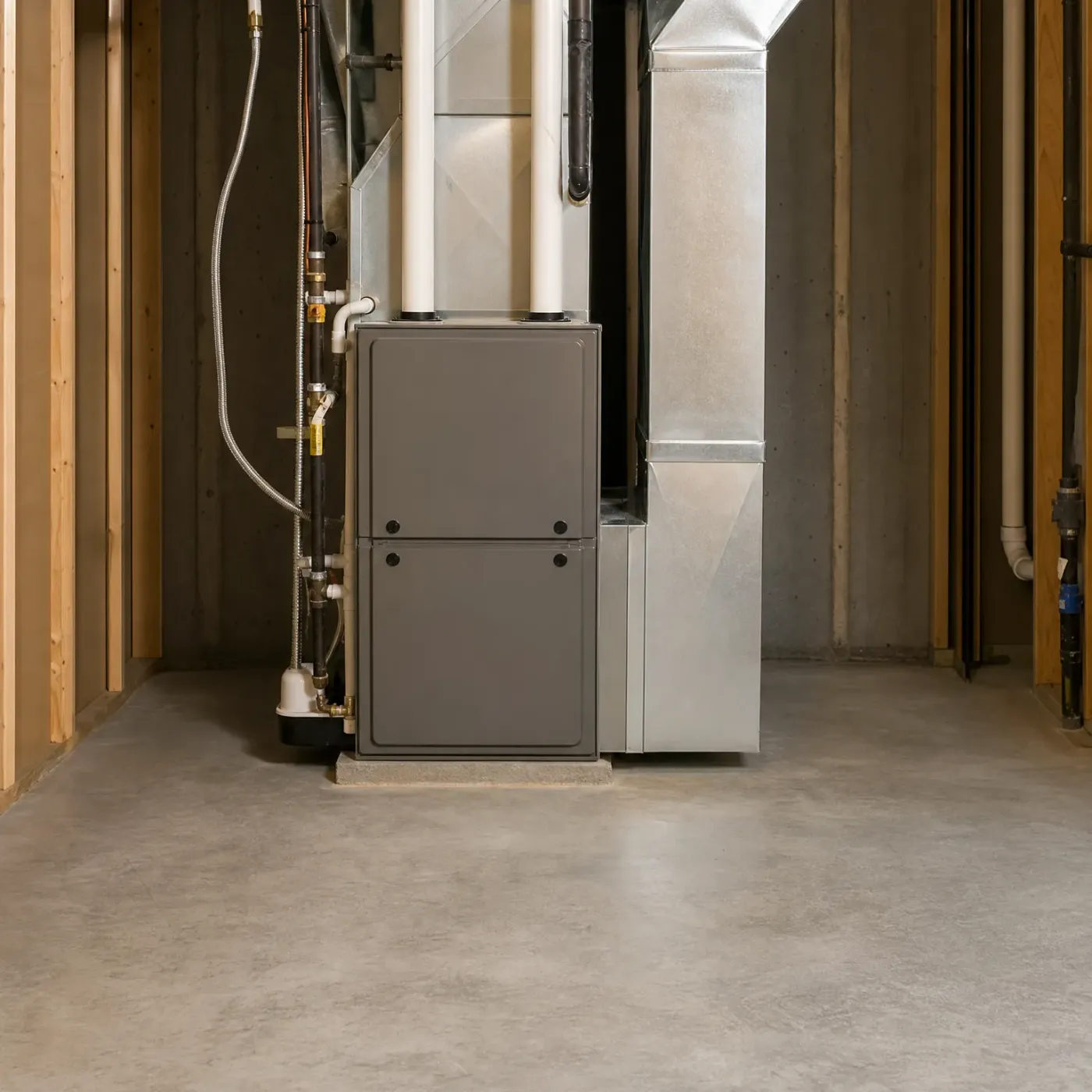
The whole system runs on a signal smaller than anything else in your house. The thermocouple sits in the pilot flame and makes less than a volt, just enough to hold a magnet inside the gas valve open. That magnet is the only thing keeping gas flowing to the pilot. Lose the signal and the valve drops shut in seconds, which is why relighting it never seems to fix anything for long if the real problem is upstream.
Most of what breaks that signal is small and mechanical, not electrical. A draft under the furnace closet door or from a window down the hall can push the flame just far enough off the thermocouple tip that the contact goes bad even though the pilot still looks lit. The orifice feeding that flame is a single narrow hole, so a bit of dust or soot sitting in it changes the flame's shape, not just its size, and a flame that's the wrong shape can miss the thermocouple even while burning steady.
Some furnaces use a flame sensor rod wired to a control board instead of a standing thermocouple, and that setup fails the same way: no signal, no open valve. Either way the part is cheap and small, but it's doing the only job that matters here. And since the thermocouple's signal is so weak to begin with, even minor corrosion or a loose connection is enough to stop it completely, while that same amount of wear would do nothing to a normal household wire.
A night in the low 40s is enough for your house to lose heat fast once the pilot quits, since that's the kind of cold this furnace was built to answer. A few hours without it and the rooms farthest from the furnace closet feel it first.
NOAA nClimDiv 1991-2020
Thermostat calls for heat and opens the circuit to the gas valve
Pilot flame heats the thermocouple tip at its base
Thermocouple sends a weak current that holds the gas valve open
Gas flows past the pilot to the burners and ignites

A pilot that lights and then dies is almost always the thermocouple, a loose connection, or a gas valve that's stopped responding the way it should. None of those get better on their own, and relighting the pilot over and over just tells you the same thing each time. The furnace needs someone to look at the actual part, not another match.
Right now that probably means searching for a furnace repair contractor in Bexar County, calling a few, explaining what the pilot's doing each time you get someone on the phone, then sitting with the quotes to figure out who to trust with it. Send the form on this page instead and that work is done for you. You've already got the real answer: a thermocouple, a connection, or a valve. What's left is getting the right person to it.

It's off your list after this