
39°F
That's the average low on a Bell County winter night. A furnace that keeps dropping pilot won't carry a house through to morning at that temperature.
A pilot light that won't stay lit usually means a furnace that won't give you heat when you need it, and in Bell County that's not something to leave for later. Most homes around Killeen heat with electricity, so a gas furnace acting up often means an older system or a setup worth getting a second look. Winters here are mild, but a cold snap still finds the gaps, and a furnace that keeps going out can leave a house cold overnight. You don't have to track down who's available or sort through who actually works on furnaces in this area. Fill out the form and a contractor who handles this equipment will reach out to you directly. That's one less thing on your list while the house is cold. You searched for this because something's wrong tonight, not because you wanted a lesson in how pilot lights work. Let someone who already knows your furnace take it from here.
A pilot light that won't stay lit is almost always a bad thermocouple. That's the small copper rod that sits in the pilot flame and tells the gas valve it's safe to keep sending gas. Once it wears out or sits slightly out of position, it cools too fast when you let go of the gas knob, and the valve shuts the gas back off to protect you. Sometimes the fix is simpler, a draft blowing out the flame or dust clogging the pilot opening, but if you've already tried relighting it more than once and it keeps going out, the thermocouple is the likely cause. Since furnaces here don't run constantly through a mild Bell County winter, a bad one can go unnoticed for a while, then fail right when you need heat. A thermocouple is a cheap part, but it has to be replaced correctly for the pilot to hold.




Light the pilot and hold the gas knob in as instructed.
The thermocouple sits in the flame and slowly heats up.
Once hot enough, it signals the gas valve to stay open.
Release the knob and the pilot should stay lit on its own.
Winter nights average 39°F
Winter nights here average 39°F. That's cold enough that a furnace stuck in pilot failure leaves a house genuinely cold by morning.
Heat runs November through March
Heat runs November through March in Bell County. That's five months where a pilot that won't hold matters, not just a cold snap.
86% of homes heat with electricity
86% of homes here heat with electricity, so the gas furnaces still around tend to be older, which is often where a worn thermocouple shows up.
NOAA nClimDiv 1991-2020 · ACS 2020-2024
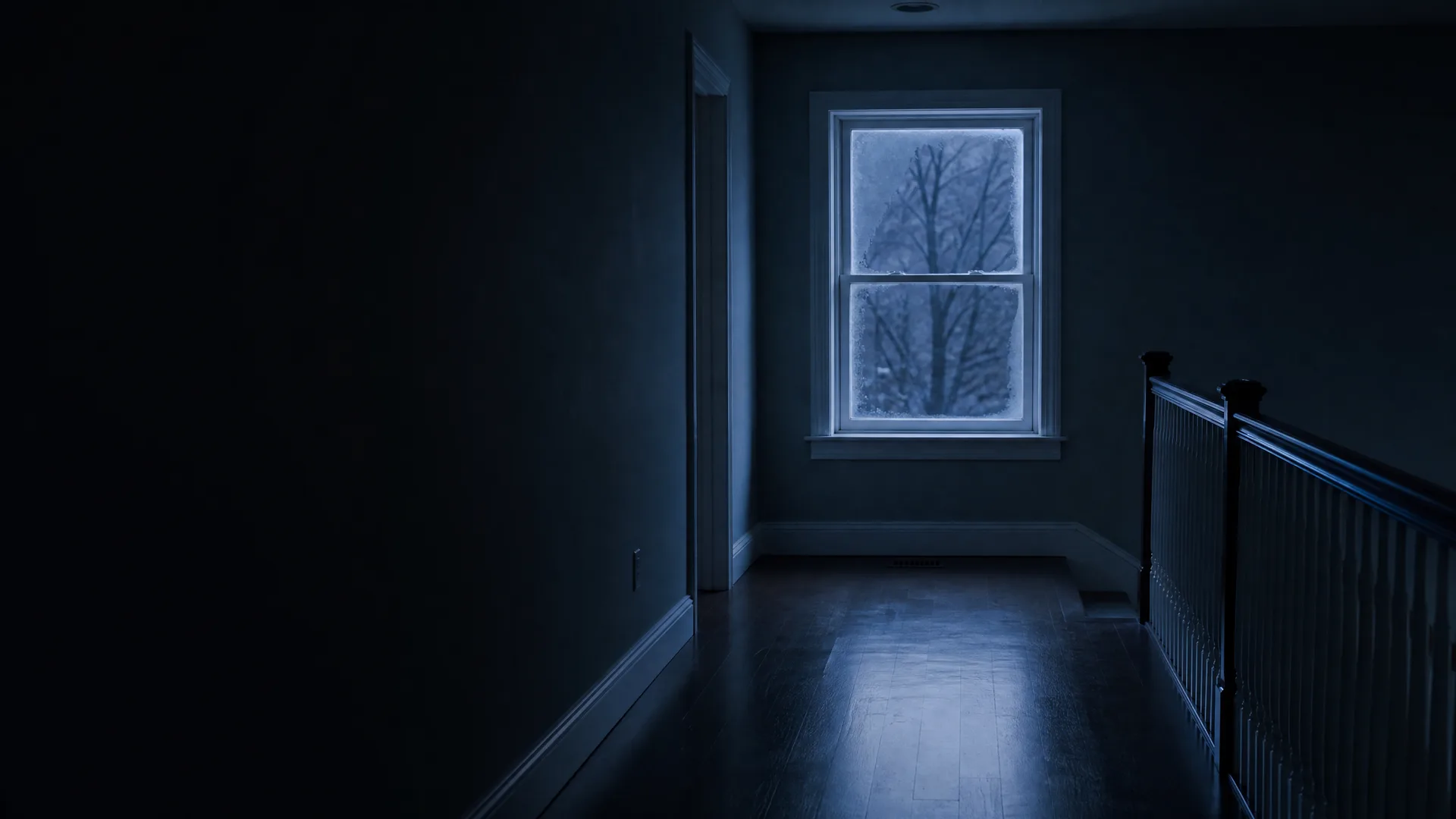
It's 2 a.m. in January and you're awake because the house feels wrong. You walk the upstairs hallway in Bell County and the vents under your feet aren't pushing anything out. No hum, no warm air, nothing. Frost has crept up the edges of the hallway window, and the glass throws back a thin blue light that makes the hall feel colder than it is. You crouch by the vent anyway, hand flat against the grate, waiting to feel something that isn't there. Somewhere below, a pilot light went out again and didn't come back. The house holds still around you, and you're the only one awake to notice it.
Send the request today and let a furnace pro reach out to you.
It costs nothing to send, and you don't have to hire anyone.
A worn thermocouple explains most pilot problems, but not all of them. Position matters as much as condition. A thermocouple can test fine and still fail to hold the valve open if it sits a few millimeters off from the flame, because it needs direct contact with the hottest part of it to read hot enough. Dust and soot cause a quieter version of the same failure. They build up on the pilot orifice, choke the gas supply down, and the flame burns too small or too cool to heat the thermocouple fully, even though gas is still reaching it.
Newer furnaces often swap the thermocouple for a flame sensor rod, which does a similar job through a different method, reading flame through a small electrical current rather than heat alone. It fails for its own reasons and gets cleaned or replaced differently, so knowing which part a furnace actually has matters before anyone starts troubleshooting.
Some causes have nothing to do with the thermocouple or sensor at all. A gas valve that's failing internally can let the pilot burn steady while refusing to open for the main burner, so the pilot stays lit and the house still doesn't heat. Drafts are another cause, and they can come from somewhere the pilot light can't fix on its own, like a loose flue connection or a crack in the heat exchanger letting air move where it shouldn't. And sometimes the fix really is as simple as holding the gas knob in longer after lighting, since letting go too soon is the most common reason a pilot goes right back out.
That's the average low on a Bell County winter night. A furnace that keeps dropping pilot won't carry a house through to morning at that temperature.
A thermocouple is a small, inexpensive part to replace. A technician can usually test and swap it in a single visit.
Thirty-nine degrees is the average low, not the coldest it gets. A furnace that keeps losing its pilot isn't just an inconvenience some nights. By 2 or 3 a.m. the house has had hours to cool, and nobody wants to find that out at that hour.
NOAA nClimDiv 1991-2020
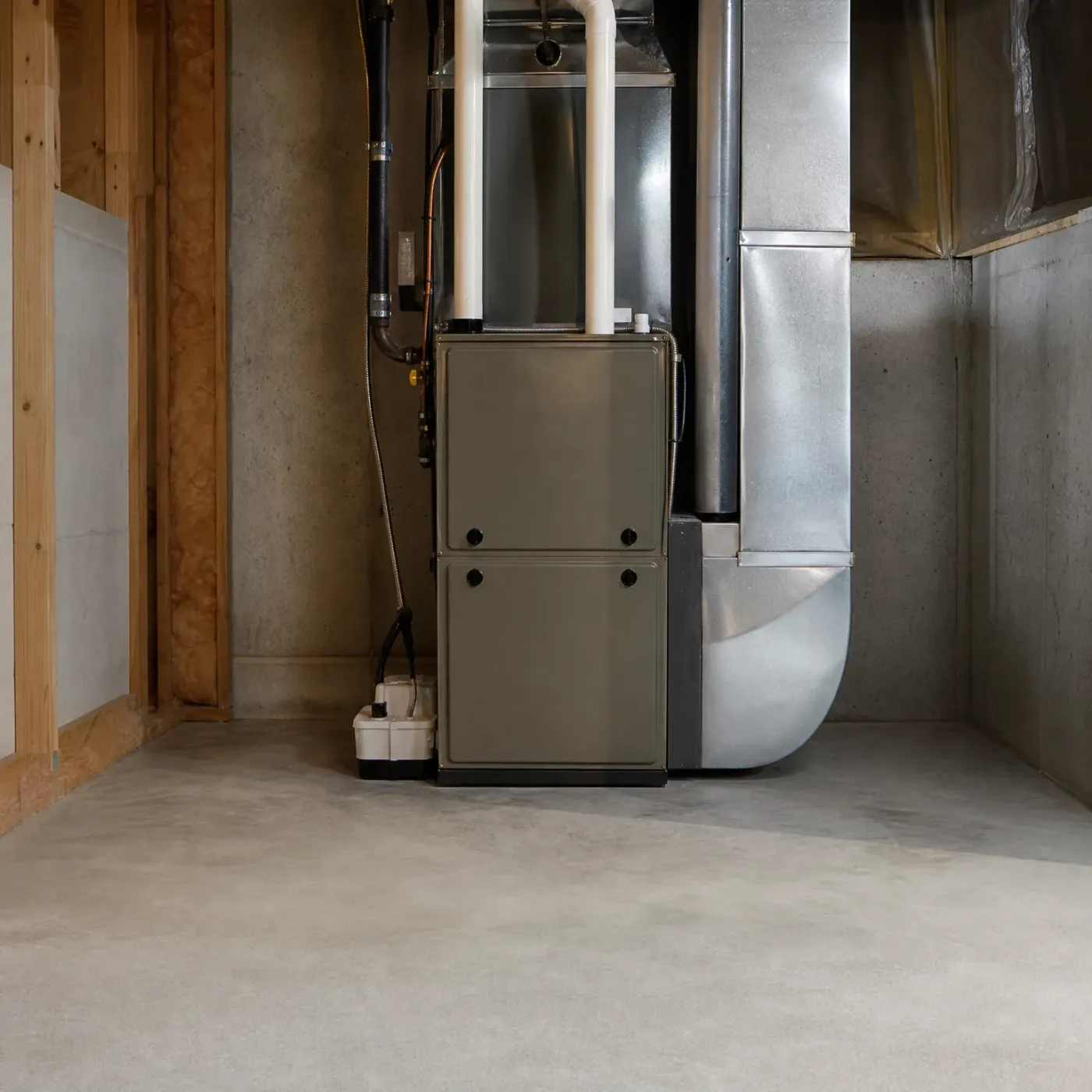
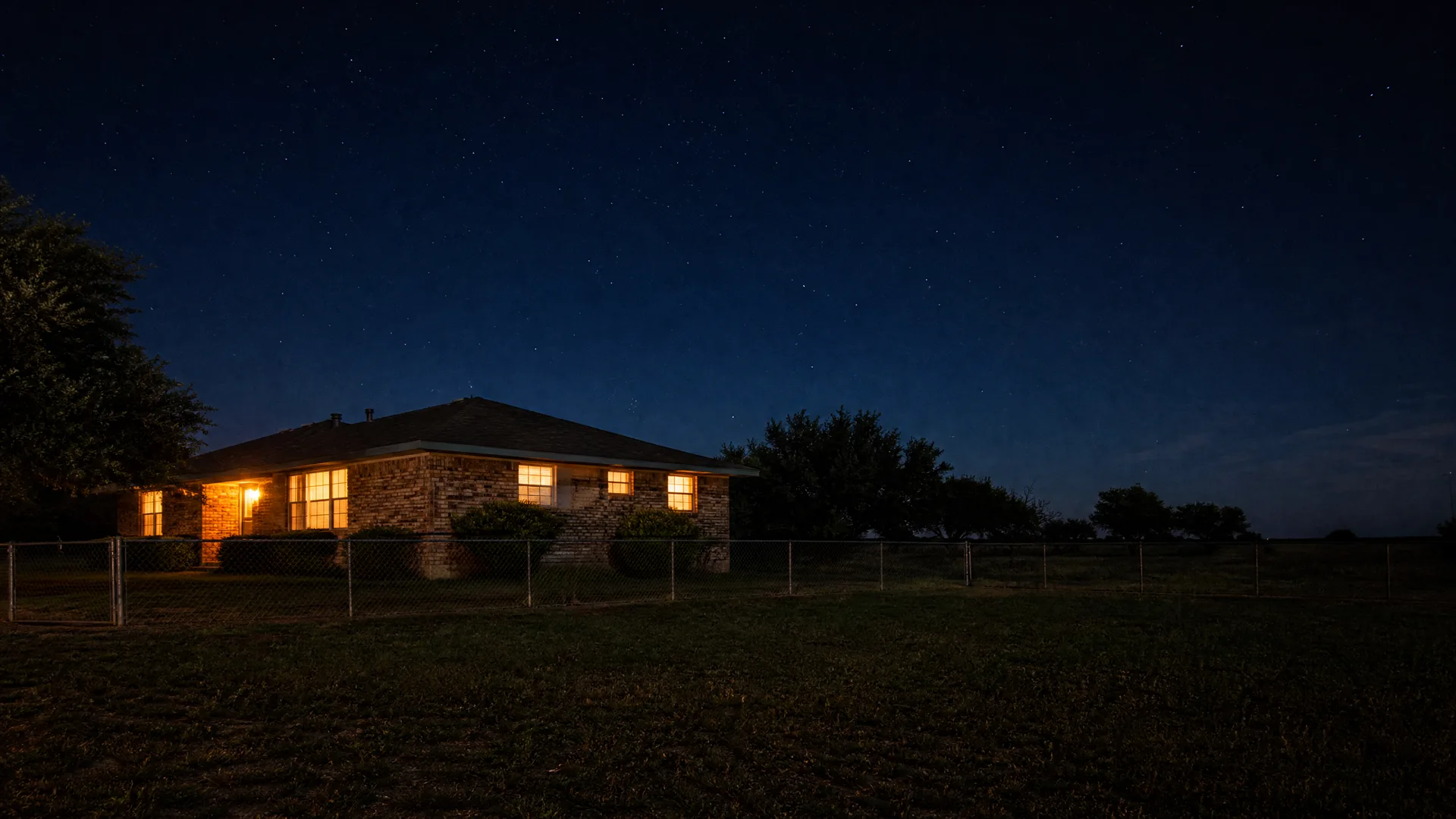
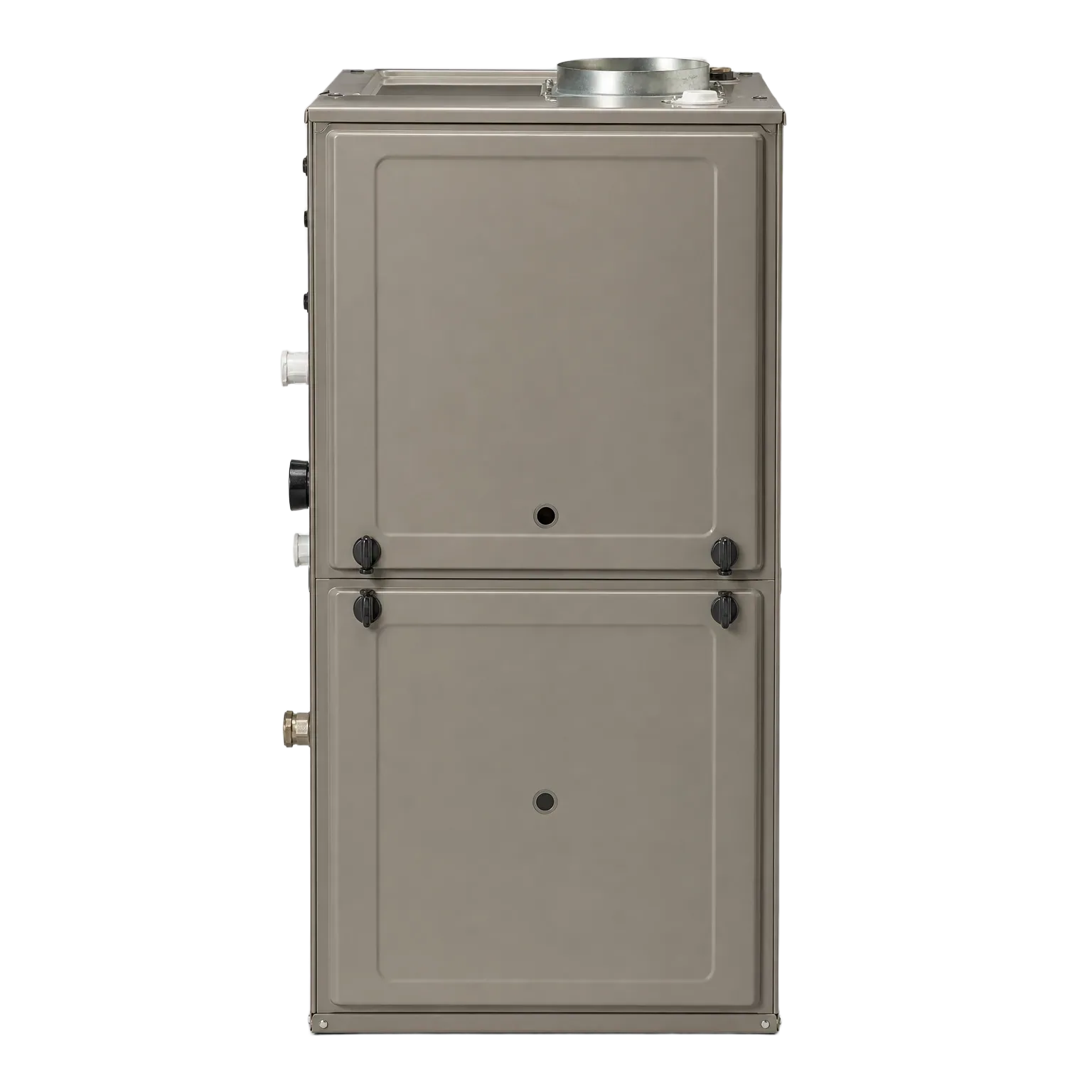
This is what a furnace looks like when the pilot stays lit. The flame holds its shape, the thermocouple sits fully in it, and the gas valve stays open without cutting out. No soot on the orifice, no corroded connections. It just runs.
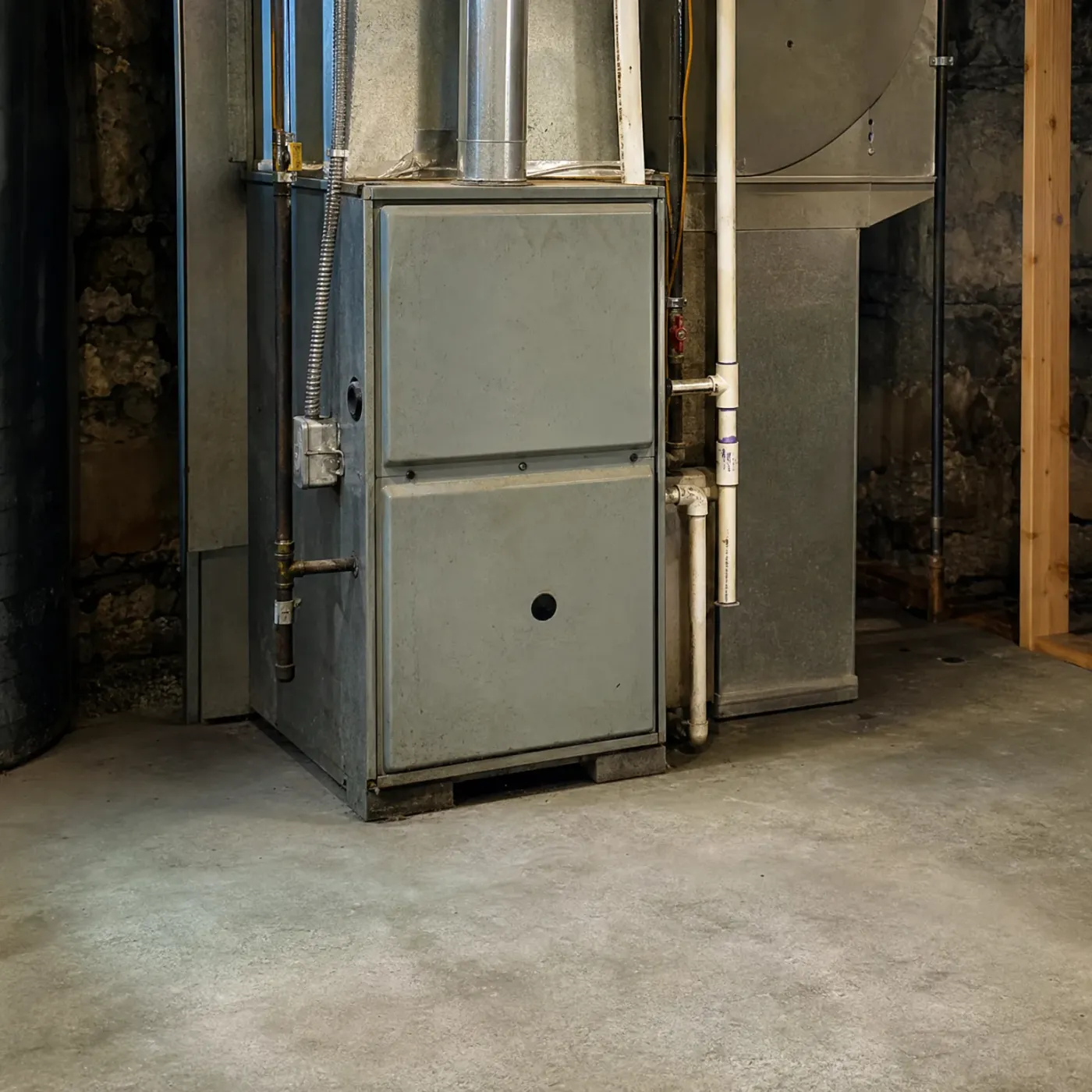
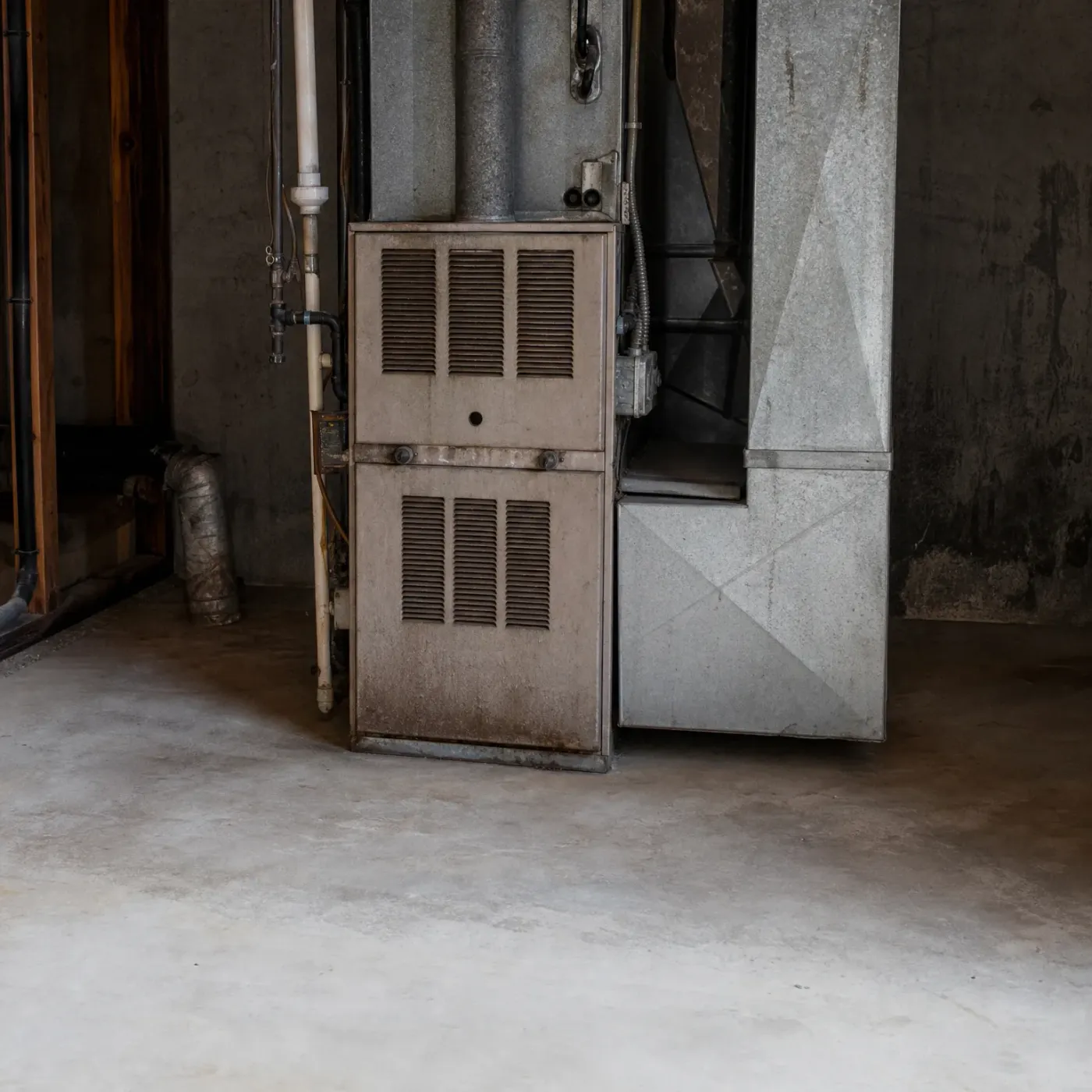
This is the furnace losing its flame. Gas lines and flex tubing run to a unit where the pilot keeps going dark, usually a worn thermocouple or a dirty orifice starving it of heat. Older units like this one are more prone to it than newer ones.


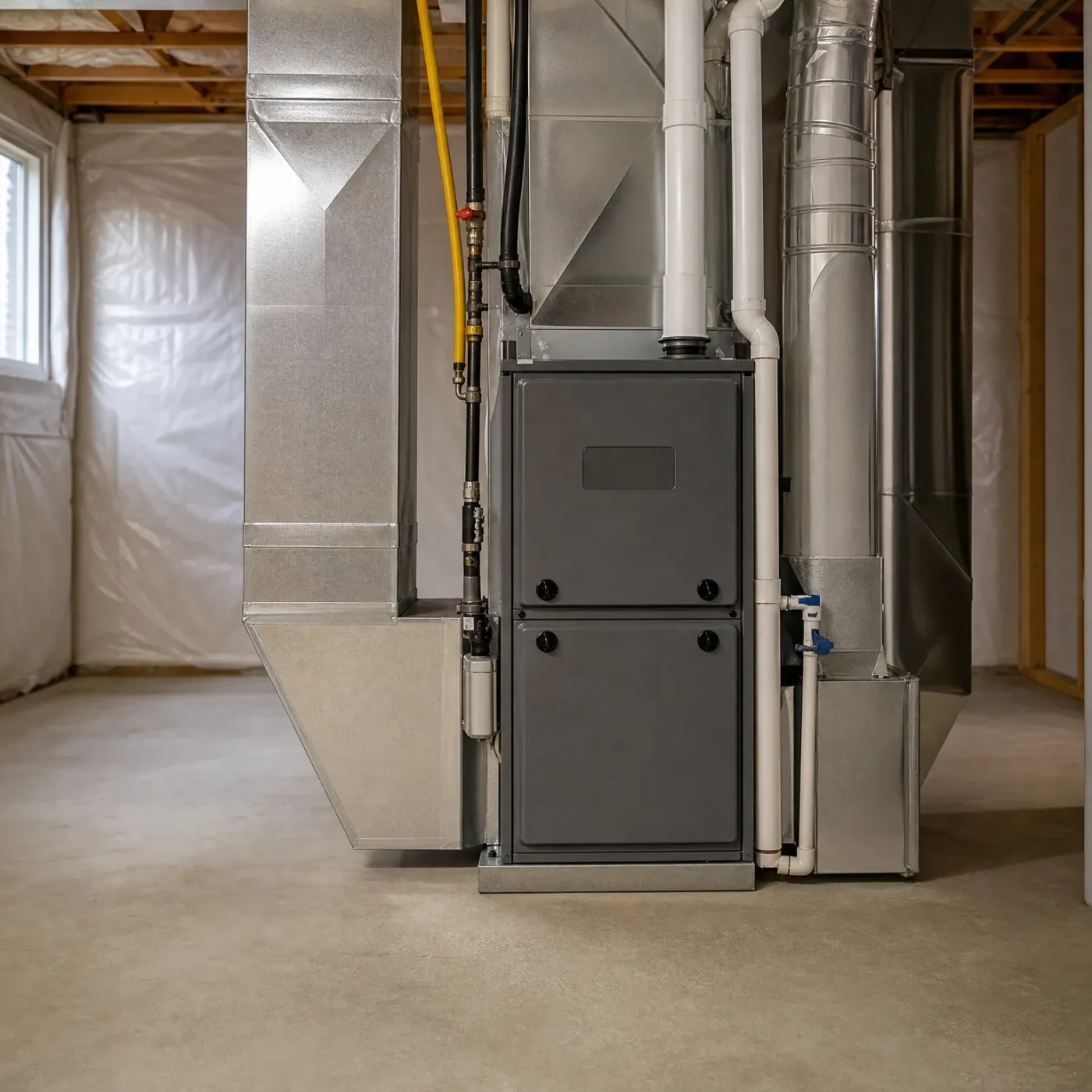
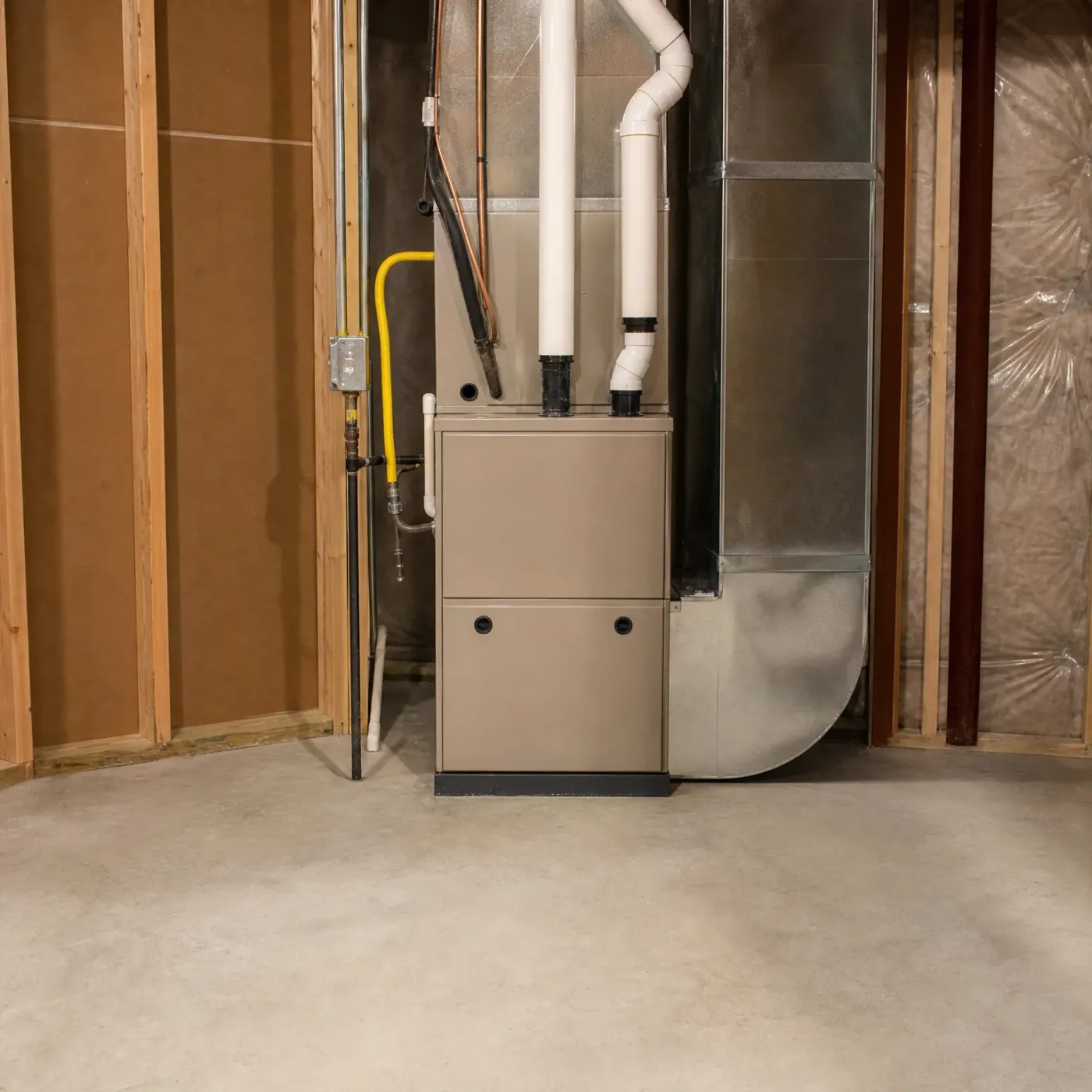
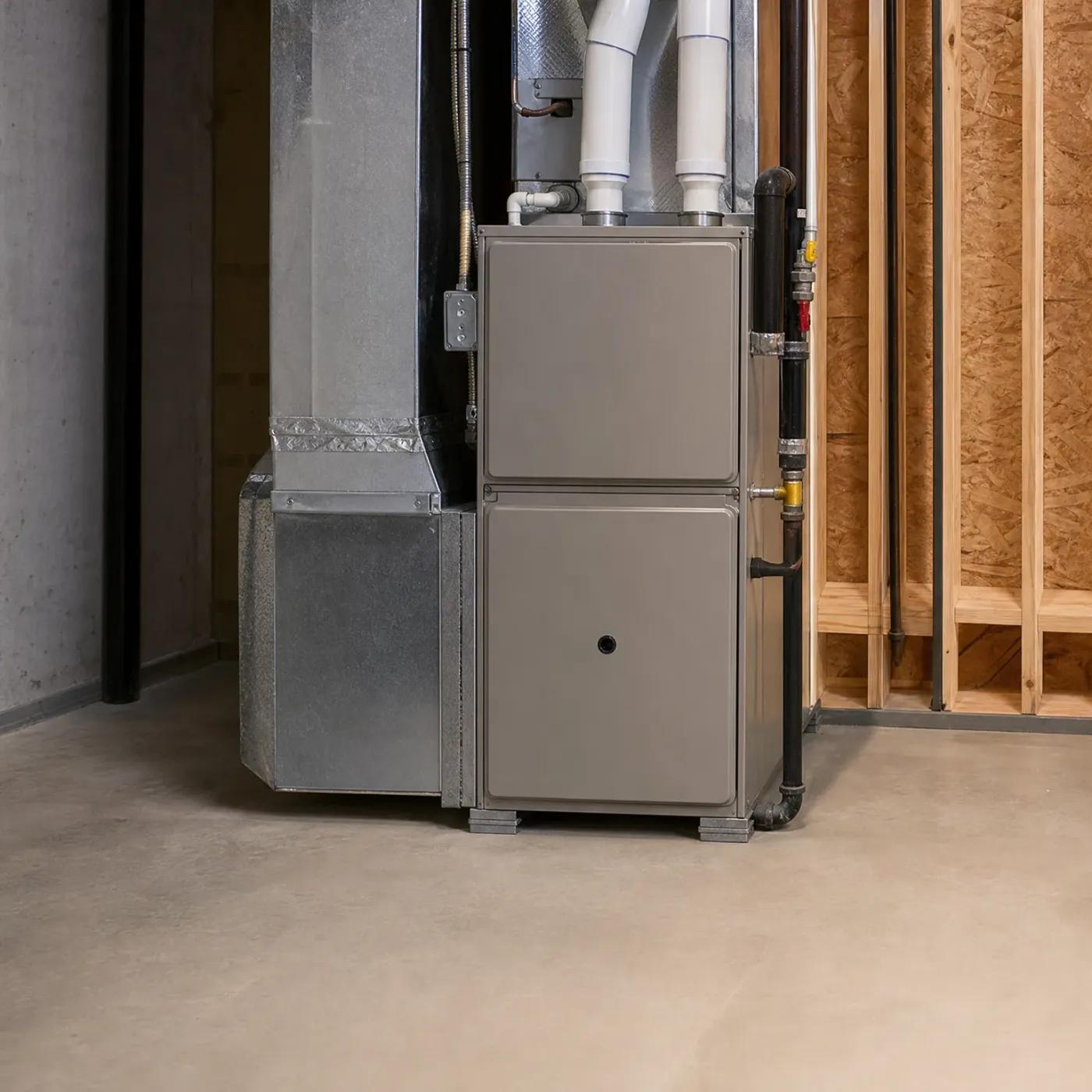
This furnace sits on a clean concrete floor with new ductwork and a clear gas line running to it. Nothing blocks the burner or the pilot assembly. A setup like this gives the thermocouple a fair shot at reading a steady flame.
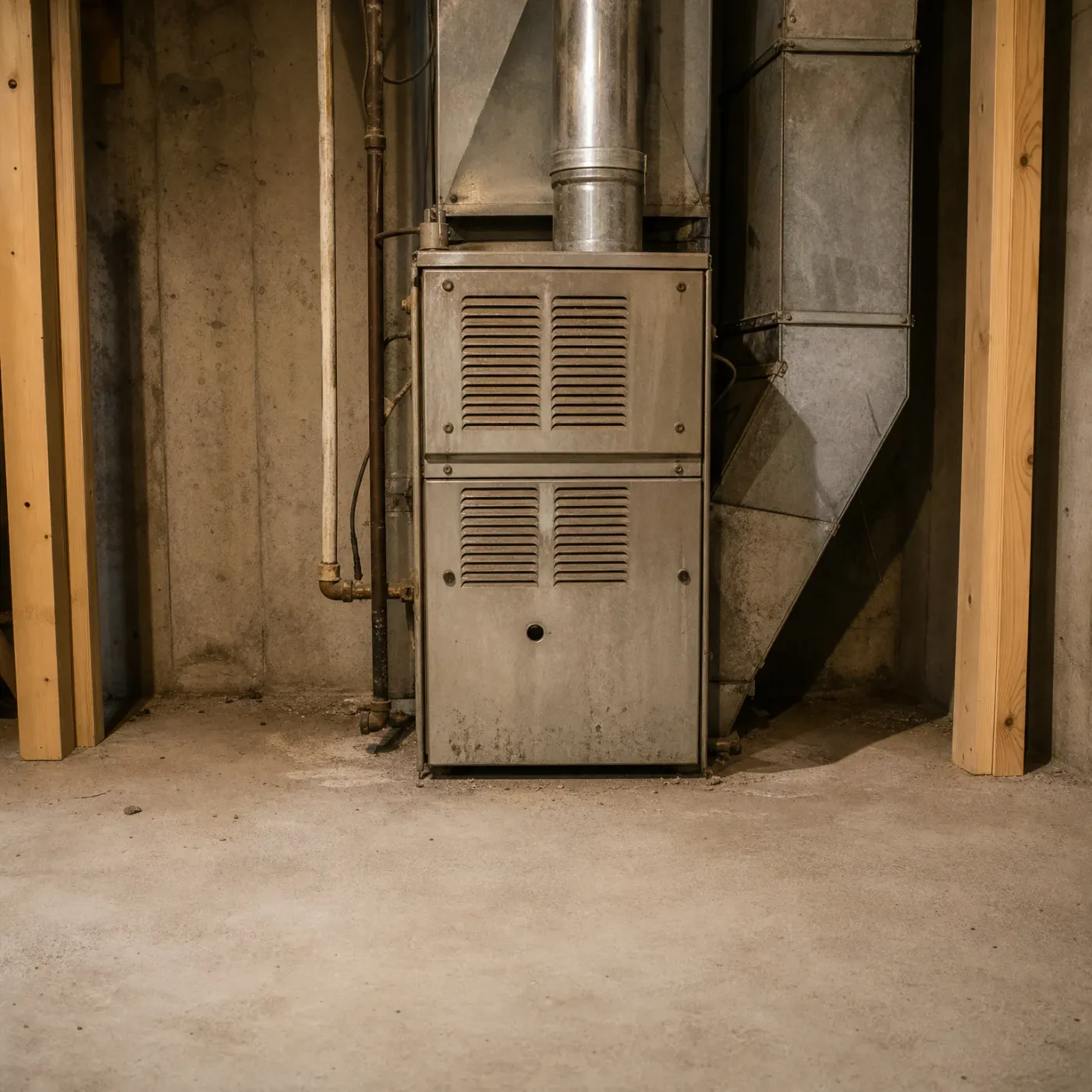
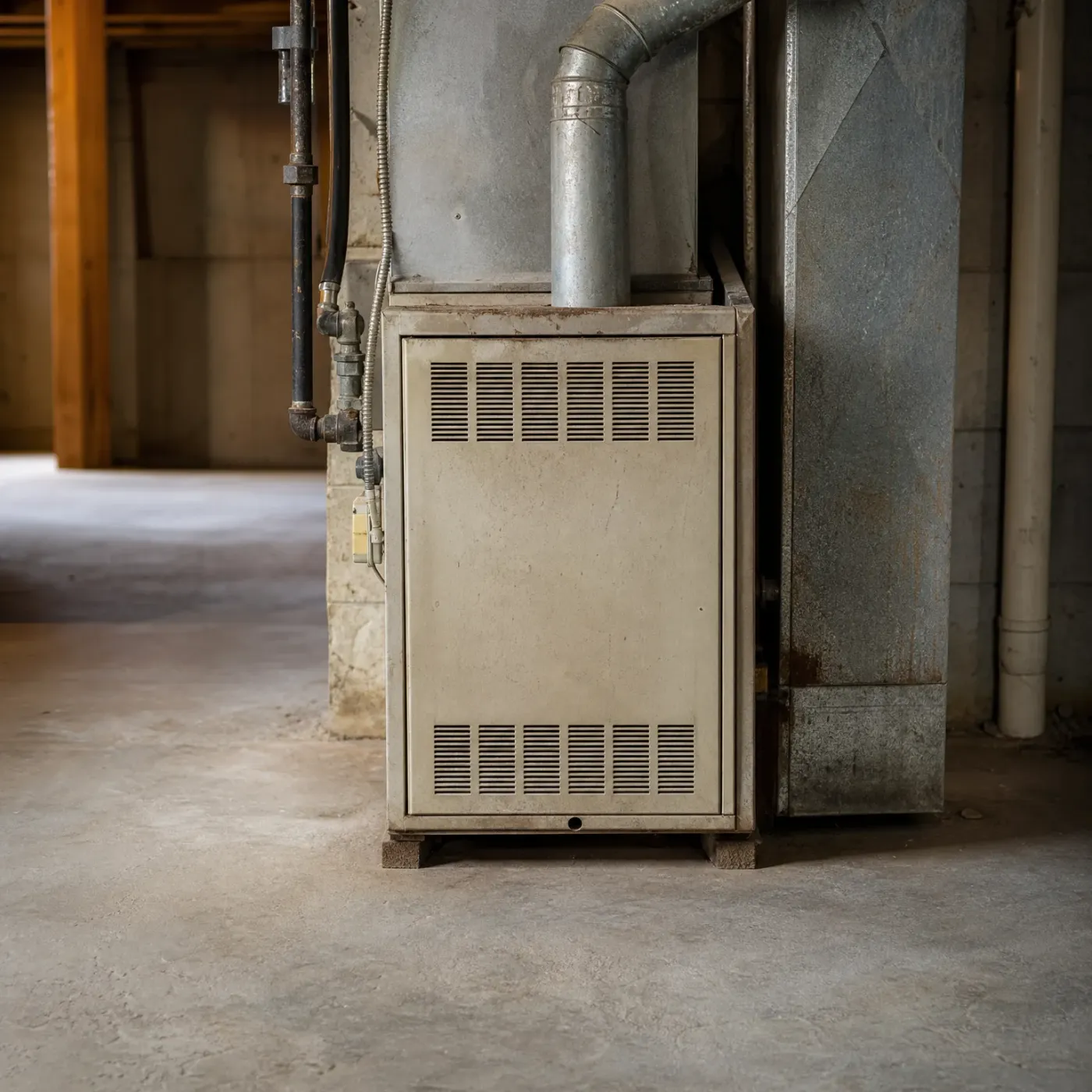
This furnace has sat through years of use, and dust has settled over the cabinet and the gas piping. Dust finds its way to the pilot orifice over time, and once it does, the flame struggles to heat the thermocouple fully.

A furnace that keeps dropping its pilot is telling you something specific. The thermocouple isn't reading the flame right anymore, whether that's wear, position, or soot on the orifice choking the flame down. None of that clears up by relighting it again. It takes a technician who can look at the part itself and tell you which one of those it is.
Bell County winters don't give you much room to wait this out. Mornings stay cold enough that a furnace stuck in pilot failure means a house that's genuinely cold by the time anyone's awake to deal with it. Once you send in the form, you're done hunting for someone who works on this. A contractor who takes furnace repairs in Killeen gets matched to your situation and reaches out to you directly. You don't have to keep relighting that pilot and hoping it holds.

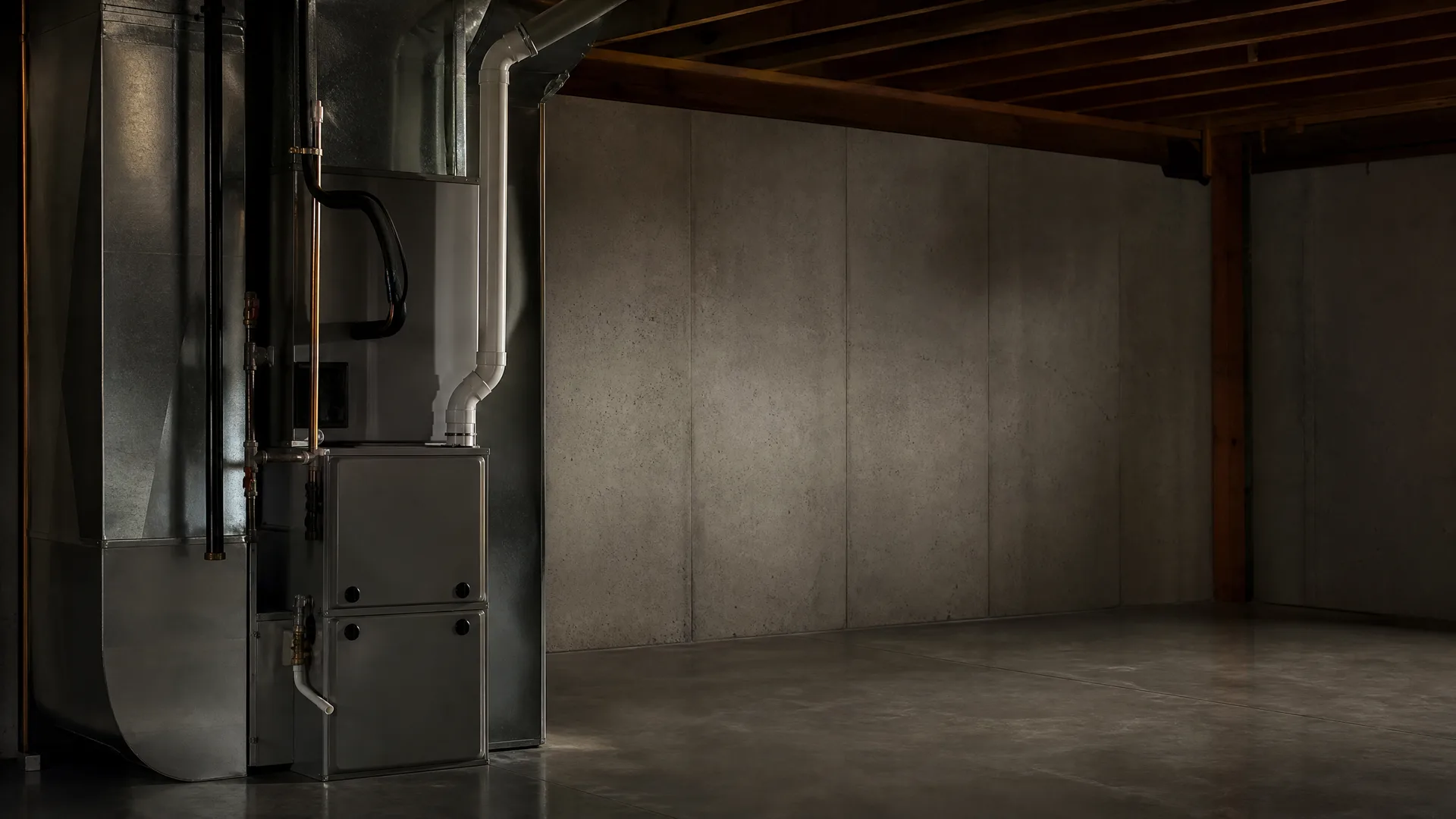
Send the request today and stop worrying about who to call.