Tell us about the job
Takes about a minute. No obligation.
A furnace installation quote in Mason County starts with the house: its square footage, its insulation, its existing ductwork, and how the current system was originally sized. 59 severe weather events were recorded in Mason County, Texas between 2015 and 2024. That count is low enough that wear from severe weather sits well behind installation quality and duct condition as the factors shaping what a contractor specifies. A furnace undersized at the original install strains through every winter regardless of what the sky does, and a contractor checks the duct system before settling on equipment size.
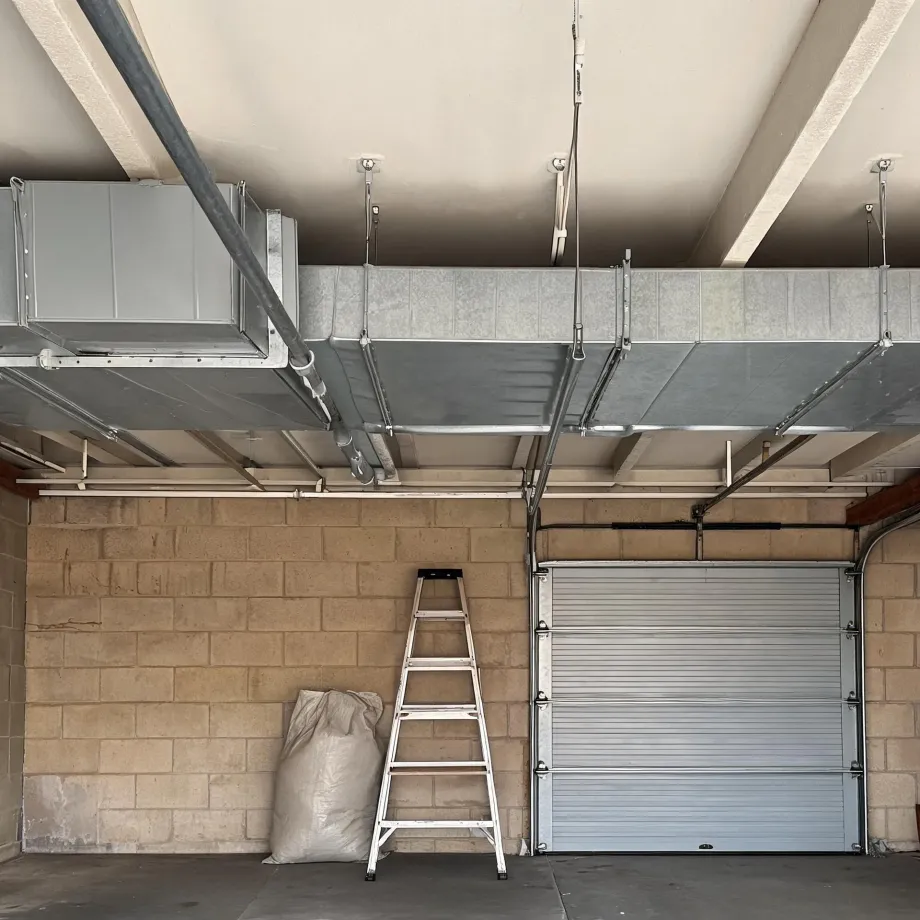
Ductwork laid down for a system that no longer exists is what a contractor finds in much of this county's housing. Half the homes in Mason County, Texas were built in 1976 or earlier (2020-2024 ACS 5-year). That duct layout was built around different equipment, different airflow requirements, and in many cases a different fuel source entirely. A new furnace may heat the home fine; whether the existing trunk lines and branch runs can distribute that output without starving some rooms and overloading others is what the installation quote actually turns on. Electrical service is the second check, since a modern unit draws differently than what those panels were originally sized to carry.
What Gets Installed With a New Furnace
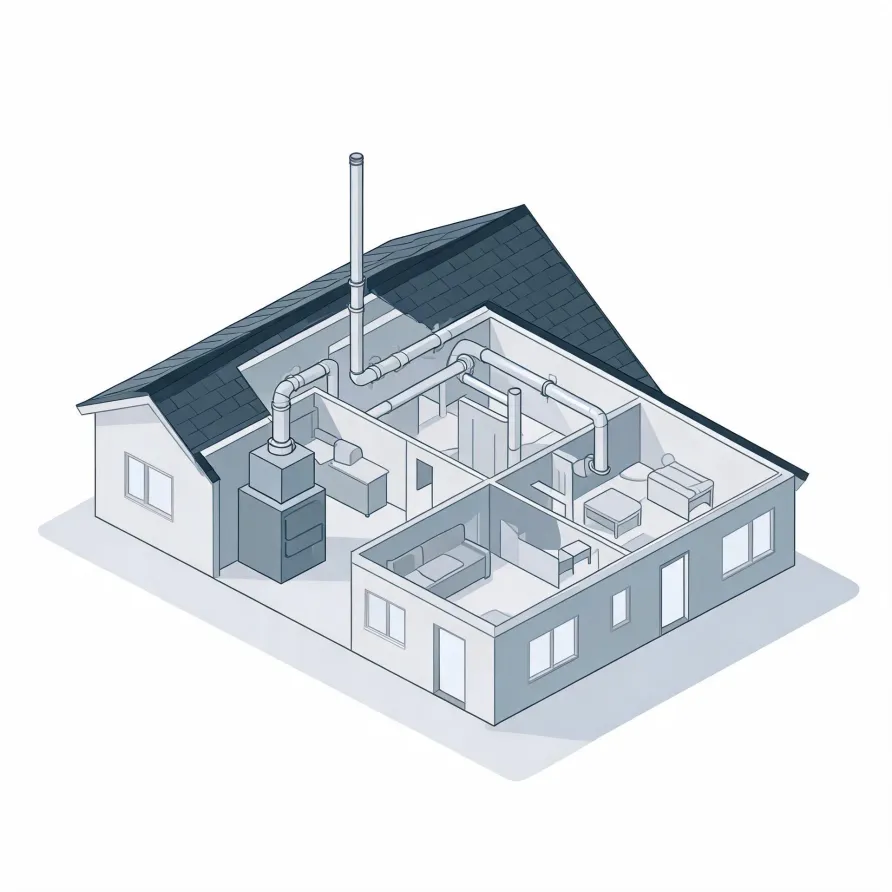
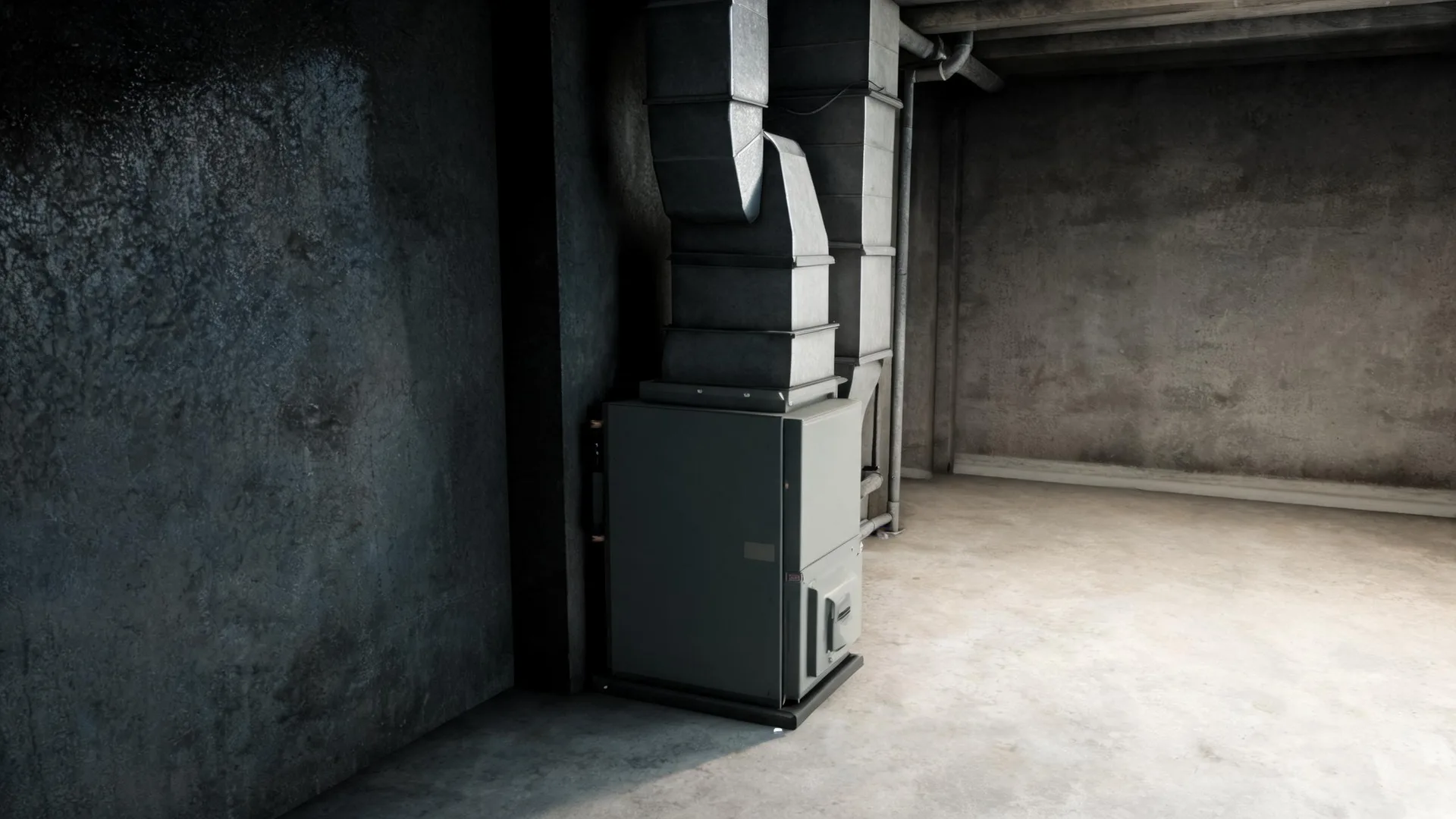
The furnace itself sits in a mechanical room, basement, closet, or attic depending on the house. That cabinet holds the burner, the heat exchanger, and the blower in one assembly. The burner produces heat, the heat exchanger separates combustion gases from the air your family breathes, and the blower pushes conditioned air into the supply side of your duct system.
The flue pipe runs from the furnace to an exterior wall or roof and carries combustion exhaust out of the house. Alongside it, the contractor installs the gas line connection, the condensate drain on high-efficiency units, and the thermostat or control wiring that tells the system when to fire.
The drawing shows a typical layout, and a licensed contractor determines what applies to the specific configuration of your home.
Find a contractor in Mason CountyMason County, Texas, by the numbers
59 severe weather events were recorded in Mason County, Texas between 2015 and 2024.
NOAA National Centers for Environmental Information, Storm Events Database, bulk CSV export, events 2015-01-01 through 2024-12-31.Half the homes in Mason County, Texas were built in 1976 or earlier (2020-2024 ACS 5-year).
U.S. Census Bureau, 2020-2024 American Community Survey 5-Year EstimatesMason County, Texas holds 2,430 housing units (2020-2024 ACS 5-year).
U.S. Census Bureau, 2020-2024 American Community Survey 5-Year EstimatesOwners occupy 79.7% of the occupied homes in Mason County, Texas (2020-2024 ACS 5-year).
U.S. Census Bureau, 2020-2024 American Community Survey 5-Year EstimatesCodes & Standards Covering Furnace Installation in Mason County, Texas5 sourced rules and standards
What the Installation Actually Looks Like
Non-weatherized gas furnaces manufactured on or after November 19, 2015 must reach 80.0 percent AFUE.
Non-weatherized oil-fired furnaces manufactured on or after November 19, 2015 must reach 83.0 percent AFUE.
Mobile home gas furnaces manufactured on or after November 19, 2015 must reach 80.0 percent AFUE.
Non-weatherized gas furnaces manufactured on or after December 18, 2028 must reach 95.0 percent AFUE, up from the 80.0 percent minimum that applies to units manufactured before that date.
Licensing and Legal Requirements in Mason County, Texas
In Texas a person may not engage in air conditioning and refrigeration contracting unless that person holds a license issued under the state air conditioning and refrigeration contractor law.
Severe Weather Events in Mason County
Weather in this part of Texas puts real demands on heating equipment, from hard freezes that push furnaces to their limits to heat that never fully lets them rest. What the climate does here shapes what a furnace needs to handle, which makes local installation and sizing decisions different from anywhere else.
59 severe weather events, 2015–2024. Source: NOAA National Centers for Environmental Information, Storm Events Database.