Tell us about the job
Takes about a minute. No obligation.
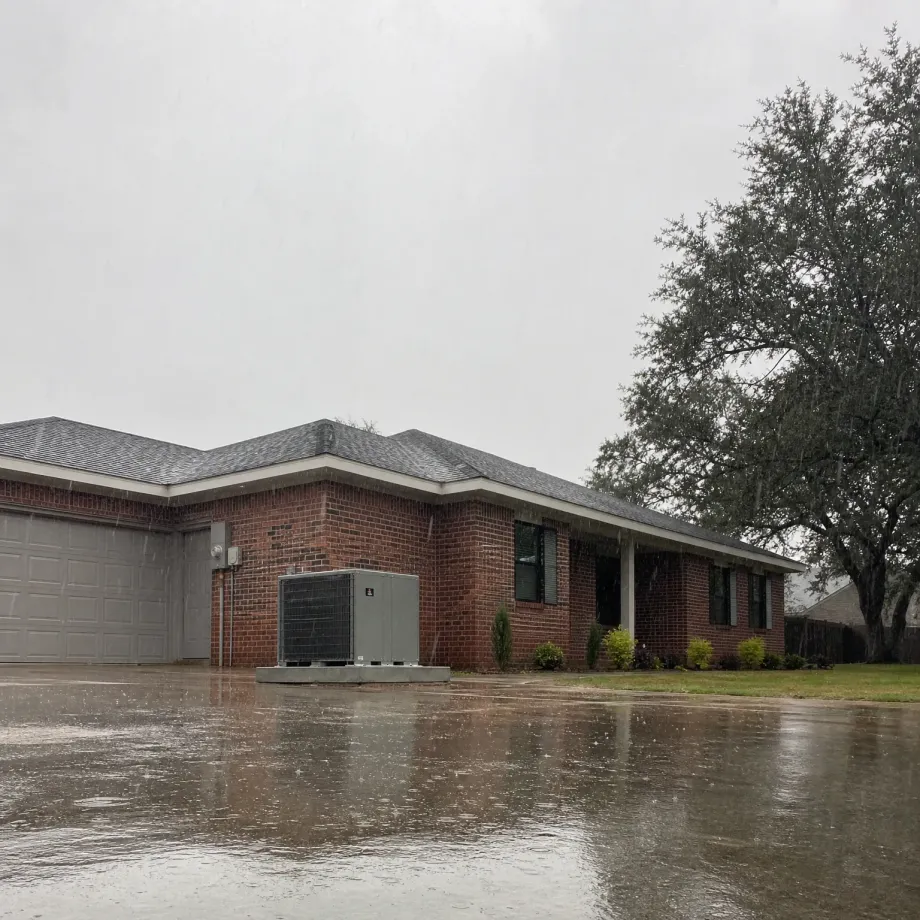
A furnace install in Young County starts with what the house actually demands, not with weather as the deciding variable. 56 severe weather events were recorded in Young County, Texas between 2015 and 2024. At that rate, severe weather is a real but intermittent presence, and a contractor quoting a new system here spends more time on duct layout, equipment sizing, and building envelope than on storm resilience. A unit that fails in this county is far more likely traced to an undersized original install or years of deferred maintenance than to weather accumulation. The install itself is where the outcome gets decided.
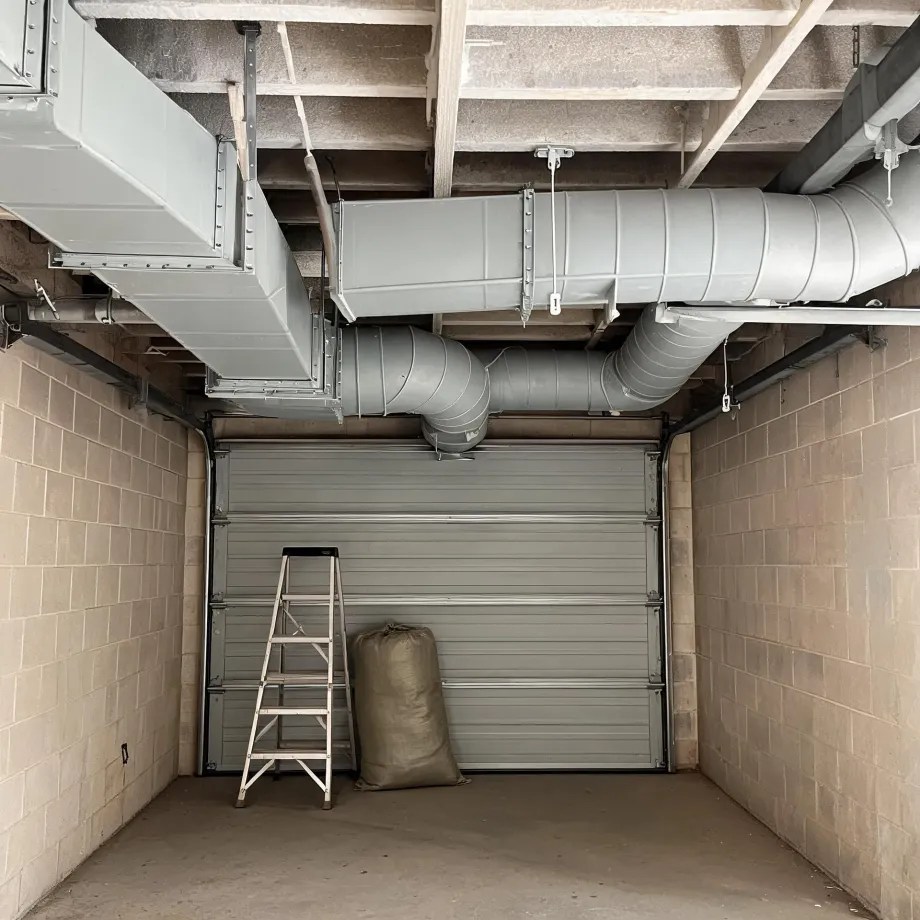
Ductwork laid down for an earlier generation of heating equipment carries assumptions about airflow, routing, and load that a modern furnace may not share. Half the homes in Young County, Texas were built in 1976 or earlier (2020-2024 ACS 5-year). A contractor sizing a new system here has to assess whether what is already in the house will actually move air the way the new unit needs, and in stock this old, the answer shapes the whole job. Inadequate duct capacity means the furnace underperforms regardless of its rated output. That assessment happens before anything gets ordered.
What Gets Installed With a New Furnace
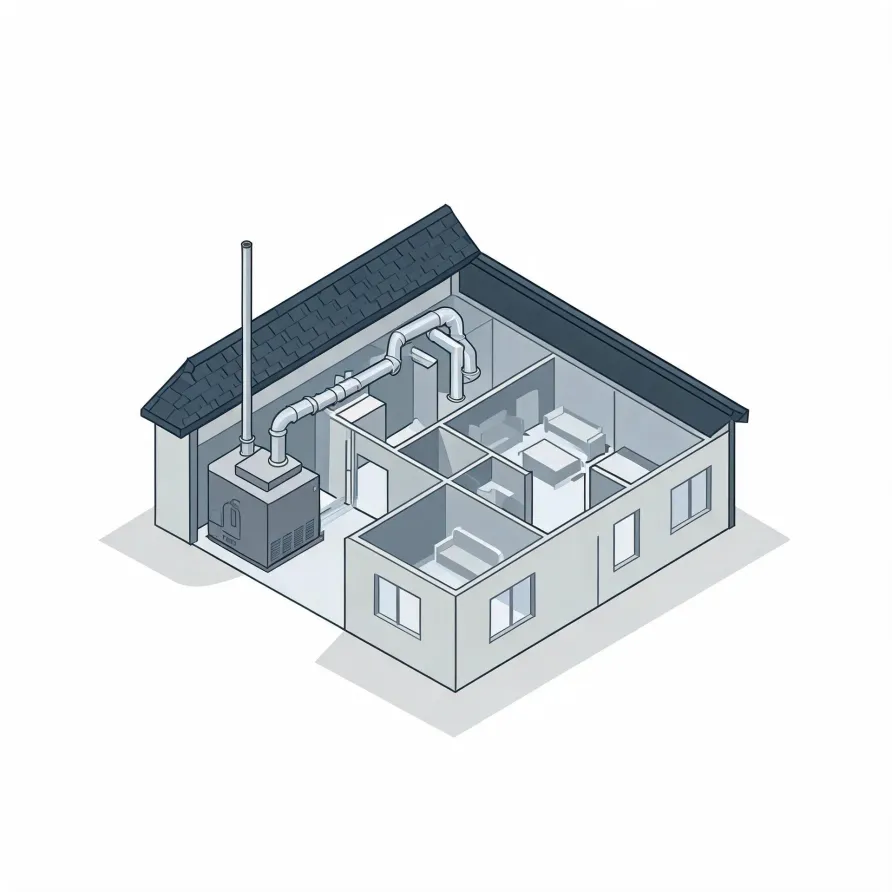
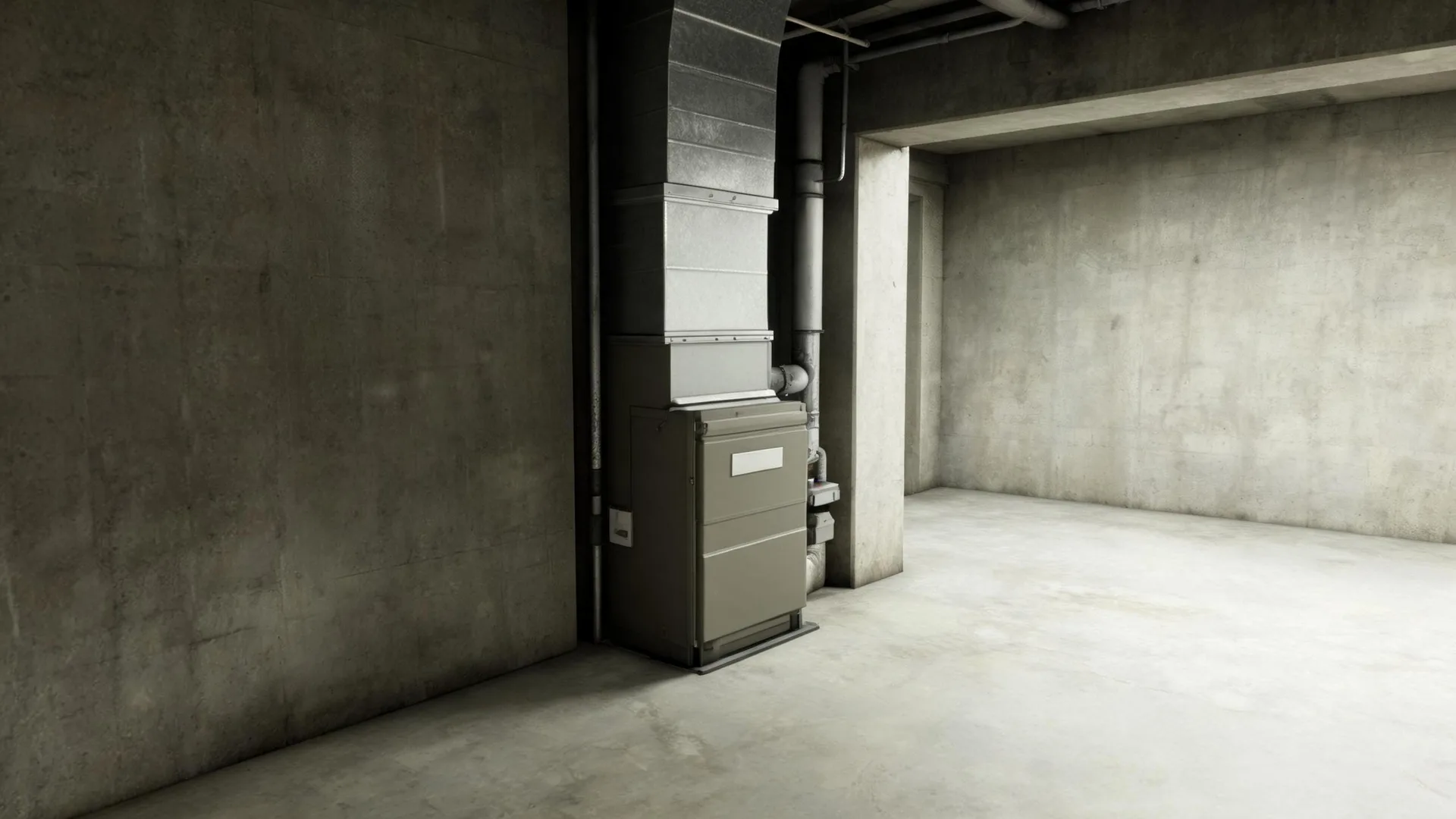
The furnace itself sits in a utility space, basement, closet, or garage and is the unit that produces heat. Attached to it is the flue or exhaust vent, which runs through the wall or roof and carries combustion gases out of the house. The air handler, sometimes built into the furnace cabinet, pulls air across the heat exchanger and pushes it into the supply side of the duct system.
The thermostat mounts on an interior wall and is the control point the homeowner sees and touches every day. A contractor also installs or connects the gas line fitting at the furnace, the condensate drain if the unit is high-efficiency, and the filter housing where the return air enters the system before it reaches the furnace.
The drawing shows a typical layout, and a licensed contractor determines exactly what applies to your home and its existing setup.
Find a contractor in Young CountyYoung County, Texas, by the numbers
56 severe weather events were recorded in Young County, Texas between 2015 and 2024.
NOAA National Centers for Environmental Information, Storm Events Database, bulk CSV export, events 2015-01-01 through 2024-12-31.Half the homes in Young County, Texas were built in 1976 or earlier (2020-2024 ACS 5-year).
U.S. Census Bureau, 2020-2024 American Community Survey 5-Year EstimatesYoung County, Texas holds 8,545 housing units (2020-2024 ACS 5-year).
U.S. Census Bureau, 2020-2024 American Community Survey 5-Year EstimatesOwners occupy 74.1% of the occupied homes in Young County, Texas (2020-2024 ACS 5-year).
U.S. Census Bureau, 2020-2024 American Community Survey 5-Year EstimatesFurnace Installation Rules for Young County, Texas5 codes, standards & licensing rules
What the Installation Actually Looks Like
Non-weatherized gas furnaces manufactured on or after November 19, 2015 must reach 80.0 percent AFUE.
Non-weatherized oil-fired furnaces manufactured on or after November 19, 2015 must reach 83.0 percent AFUE.
Mobile home gas furnaces manufactured on or after November 19, 2015 must reach 80.0 percent AFUE.
Non-weatherized gas furnaces manufactured on or after December 18, 2028 must reach 95.0 percent AFUE, up from the 80.0 percent minimum that applies to units manufactured before that date.
Licensing and Legal Requirements in Young County, Texas
In Texas a person may not engage in air conditioning and refrigeration contracting unless that person holds a license issued under the state air conditioning and refrigeration contractor law.
Severe Weather History in Young County
Weather puts real hours on heating and cooling equipment. A furnace that works hard through weather extremes wears differently than one that doesn't, and that shapes what size, grade, and setup makes sense for a home here.
56 severe weather events, 2015–2024. Source: NOAA National Centers for Environmental Information, Storm Events Database.