Tell us about the job
Takes about a minute. No obligation.
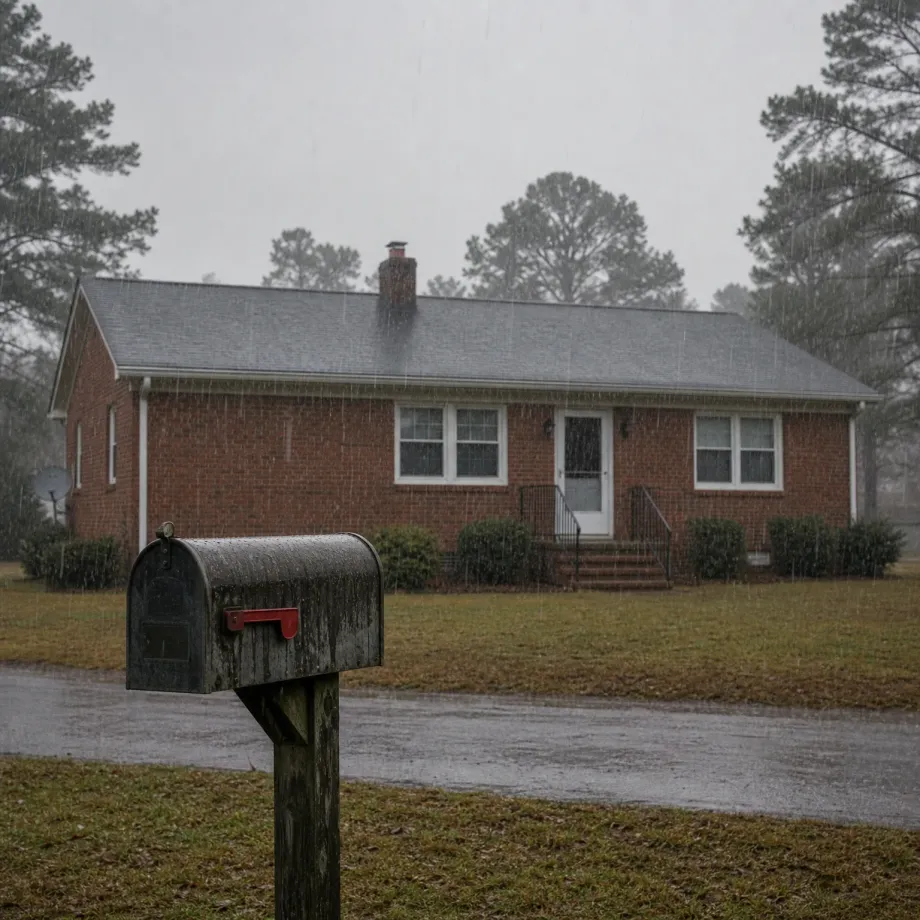
A furnace installation in Van Zandt County is a local question before it is a mechanical one. The contractor has to size the unit to what this house demands and what this climate delivers, and that judgment cannot be copied from a spec sheet. 95 severe weather events were recorded in Van Zandt County, Texas between 2015 and 2024. At roughly that pace, severe weather is a real but not dominating variable in how hard a furnace runs over its life. What drives a poor outcome here is more often a unit sized for the wrong load or set into a duct system that fights it, and a contractor working an install in this county has to account for both.
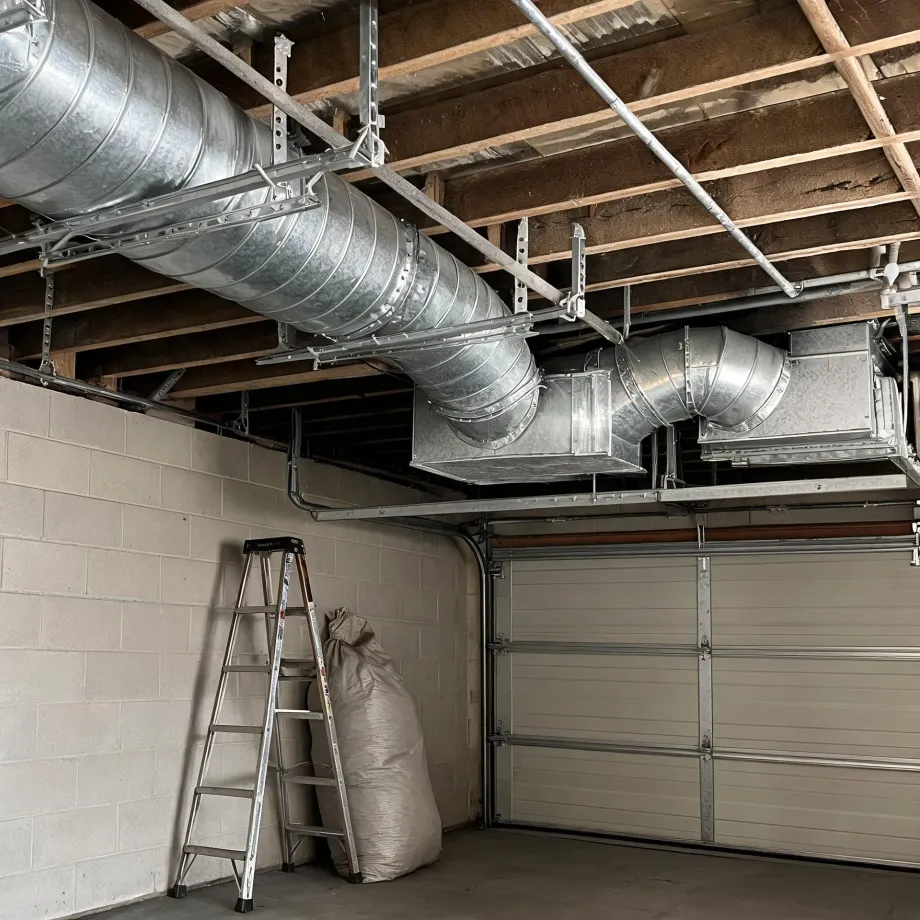
Ductwork laid down for an older heating system carries assumptions about airflow, return placement, and load that a modern furnace does not share. Half the homes in Van Zandt County, Texas were built in 1991 or earlier (2020-2024 ACS 5-year). A contractor sizing a new furnace here has to assess whether the existing duct system moves air the way the new unit expects, because a mismatch there produces comfort problems the equipment itself cannot fix. The electrical side matters too, but ductwork is where the real unknowns sit in stock of this age.
What Gets Installed With a New Furnace
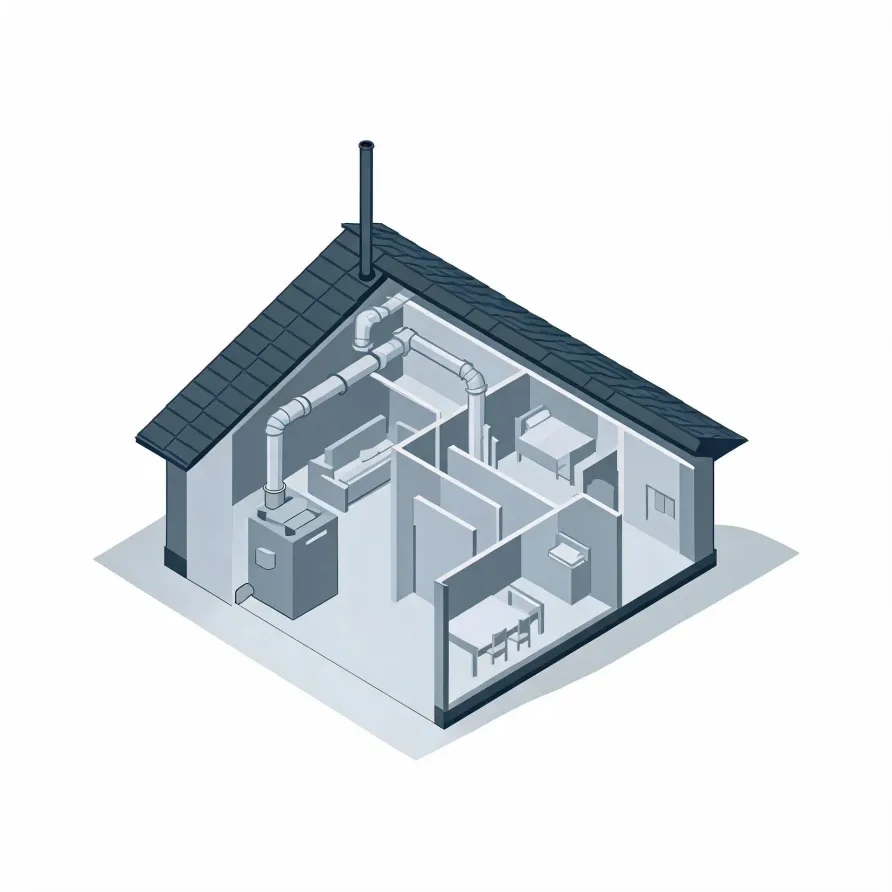
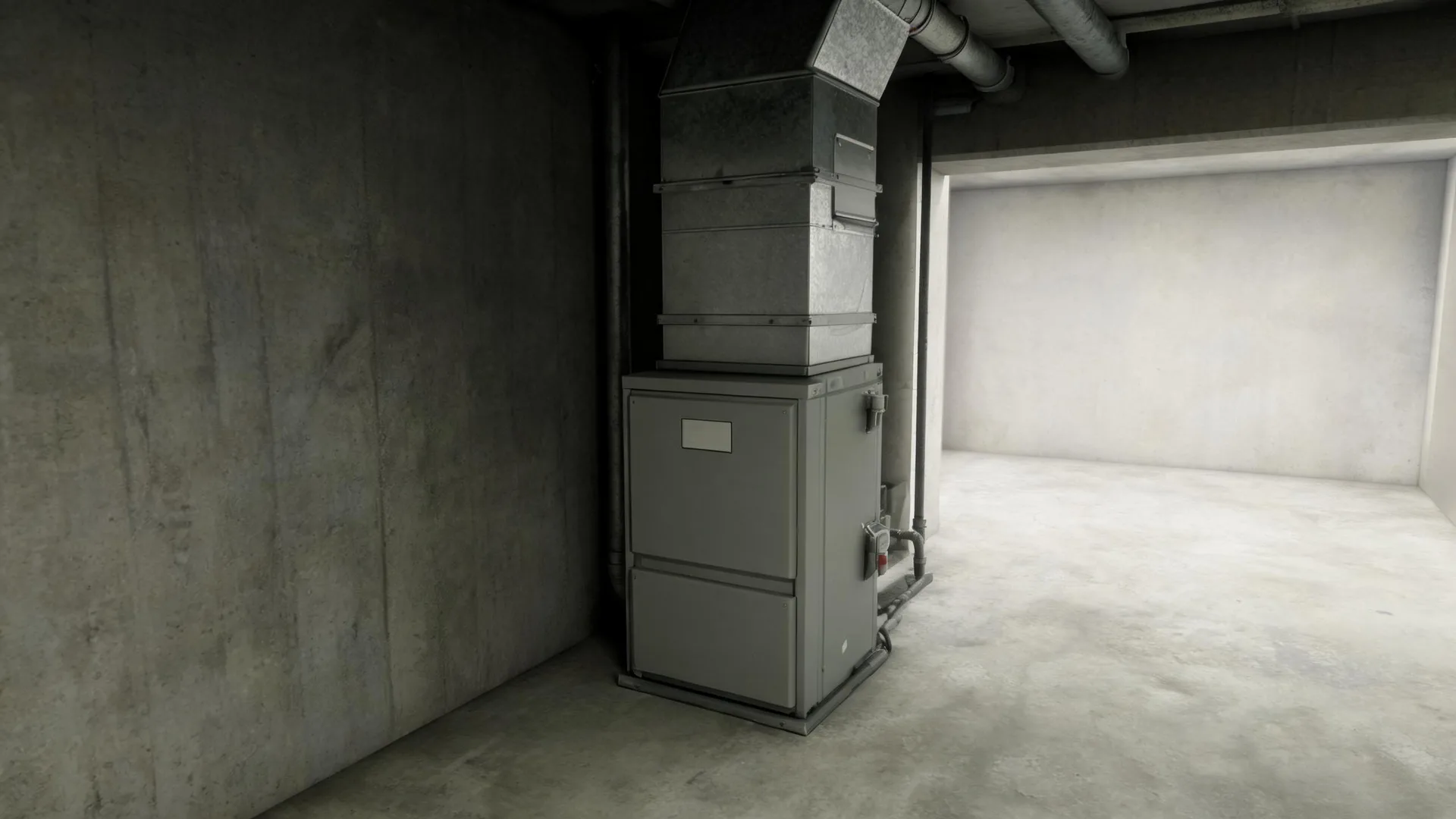
The furnace itself sits in a utility closet, basement, or garage and is the unit a homeowner is most likely to recognize. Inside it, a burner assembly and a heat exchanger produce the warmth that gets pushed through the house. A blower motor at the base of the cabinet moves conditioned air into the supply side of the duct system.
The flue pipe runs from the top or back of the furnace and exits through a wall or roof, carrying combustion gases out of the living space. Alongside the furnace, a new thermostat goes on an interior wall and serves as the control point for the whole system. A filter housing, either built into the cabinet or positioned at the return-air opening, rounds out what a contractor puts in place.
The drawing shows a representative layout, and a licensed contractor determines exactly which components and configurations apply to your home.
Find a contractor in Van Zandt CountyVan Zandt County, by the numbers
95 severe weather events were recorded in Van Zandt County, Texas between 2015 and 2024.
NOAA National Centers for Environmental Information, Storm Events Database, bulk CSV export, events 2015-01-01 through 2024-12-31.Half the homes in Van Zandt County, Texas were built in 1991 or earlier (2020-2024 ACS 5-year).
U.S. Census Bureau, 2020-2024 American Community Survey 5-Year EstimatesVan Zandt County, Texas holds 25,903 housing units (2020-2024 ACS 5-year).
U.S. Census Bureau, 2020-2024 American Community Survey 5-Year EstimatesOwners occupy 81.5% of the occupied homes in Van Zandt County, Texas (2020-2024 ACS 5-year).
U.S. Census Bureau, 2020-2024 American Community Survey 5-Year EstimatesFurnace Installation Rules on the Books for Van Zandt County, Texas5 codes, standards & statutes
What the Installation Looks Like
Non-weatherized gas furnaces manufactured on or after November 19, 2015 must reach 80.0 percent AFUE.
Non-weatherized oil-fired furnaces manufactured on or after November 19, 2015 must reach 83.0 percent AFUE.
Mobile home gas furnaces manufactured on or after November 19, 2015 must reach 80.0 percent AFUE.
Non-weatherized gas furnaces manufactured on or after December 18, 2028 must reach 95.0 percent AFUE, up from the 80.0 percent minimum that applies to units manufactured before that date.
Licensing and Legal Requirements in Van Zandt County, Texas
In Texas a person may not engage in air conditioning and refrigeration contracting unless that person holds a license issued under the state air conditioning and refrigeration contractor law.
Severe Weather Events in Van Zandt County
Weather puts hours on heating and cooling equipment. A furnace that carries a county through hard winters ages differently than one that barely runs, and that gap shapes what size, grade, and installation approach makes sense for this area.
95 severe weather events, 2015–2024. Source: NOAA National Centers for Environmental Information, Storm Events Database.