One form, no calling around
Furnace carbon monoxide signs in Texas
Most Texas homes heat with electricity, but if yours runs on gas, a cracked heat exchanger or a blocked vent can put carbon monoxide into the air without warning. This page covers what to look for on the furnace itself and in how your family feels, so you know when it's time to get a gas furnace checked instead of waiting it out. You won't have to track down who repairs these units or explain the problem twice to get someone out.
Start one formA gas furnace that's leaking carbon monoxide usually shows it in two places: on the furnace and in how people feel. Look for soot or a yellow flame where the burner should burn blue, a sooty or melted spot near the flue connection, or rust on the vent pipe. Inside, the warning is headaches, nausea or feeling drowsy and short of breath while you're home, especially if it eases once you leave the house and comes back when you're inside again. Pets acting sluggish for no reason is another sign worth taking seriously. Carbon monoxide has no smell on its own, so by the time you notice anything, the furnace has usually been pushing it into the air for a while. Since most Texas homes heat with electric furnaces or heat pumps, this only applies if yours runs on gas. If you see any of these signs, shut the furnace off and have it looked at before running it again.

Gas burns inside the heat exchanger and heats the air around it.
A cracked exchanger lets carbon monoxide leak into that airstream.
The blower pushes that same air through your ducts and vents.
Carbon monoxide builds up in the house instead of venting outside.
Why does everyone at home seem tired and headachy this winter
If the furnace is the source, it won't announce itself. What you'll notice first is how your household feels, not the equipment. Headaches that show up when the furnace runs and ease when you're outside or away from the house for a while. Everyone feeling drowsy or short of breath for no reason you can point to. Nausea or dizziness that doesn't match a cold or the flu. Pets acting sluggish too, since they feel it before people often do. These signs matter most in rooms near the furnace or the vents it feeds, and they tend to hit whoever spends the most time at home during the day. Left unchecked, the exposure doesn't stay the same. It gets worse the longer the furnace keeps leaking.
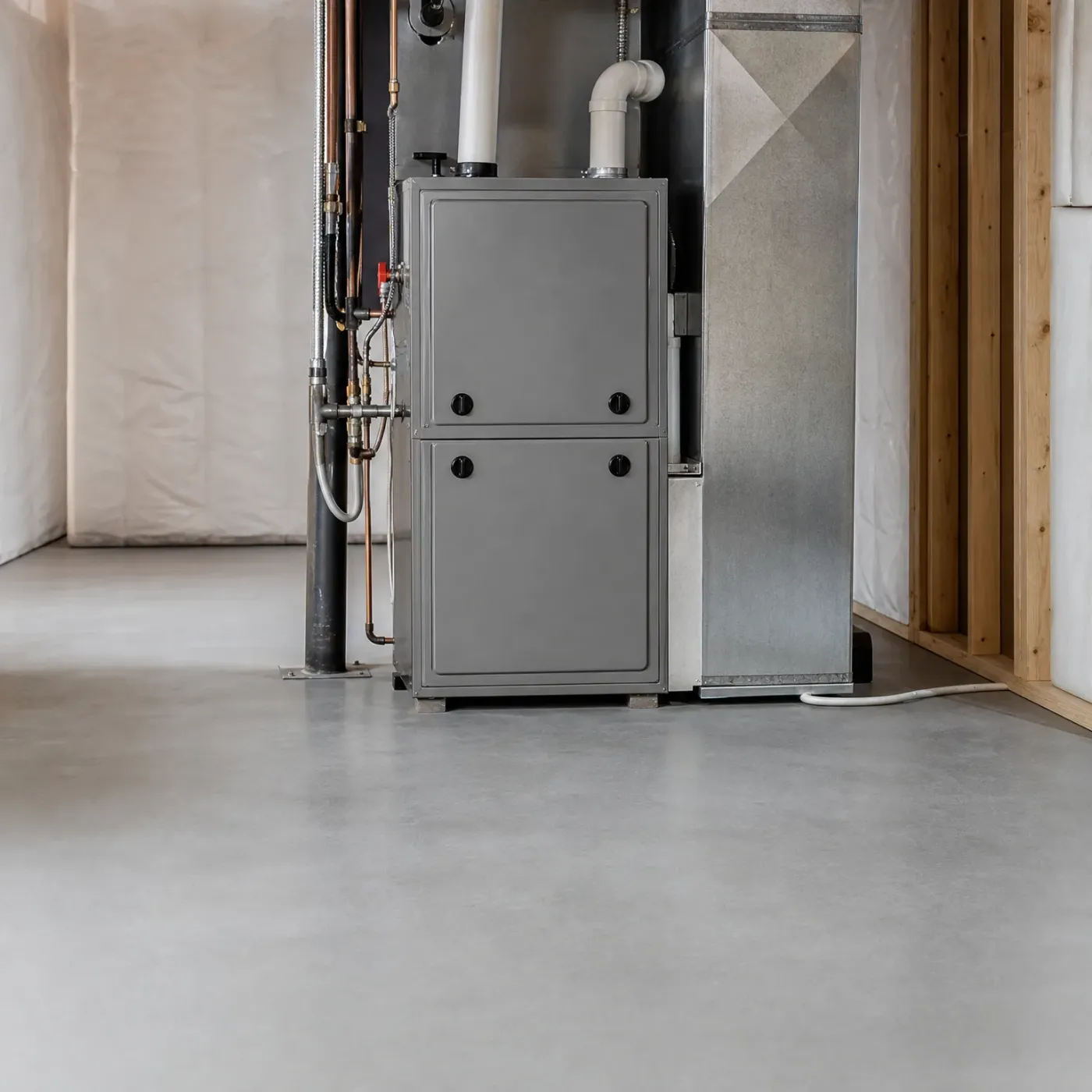
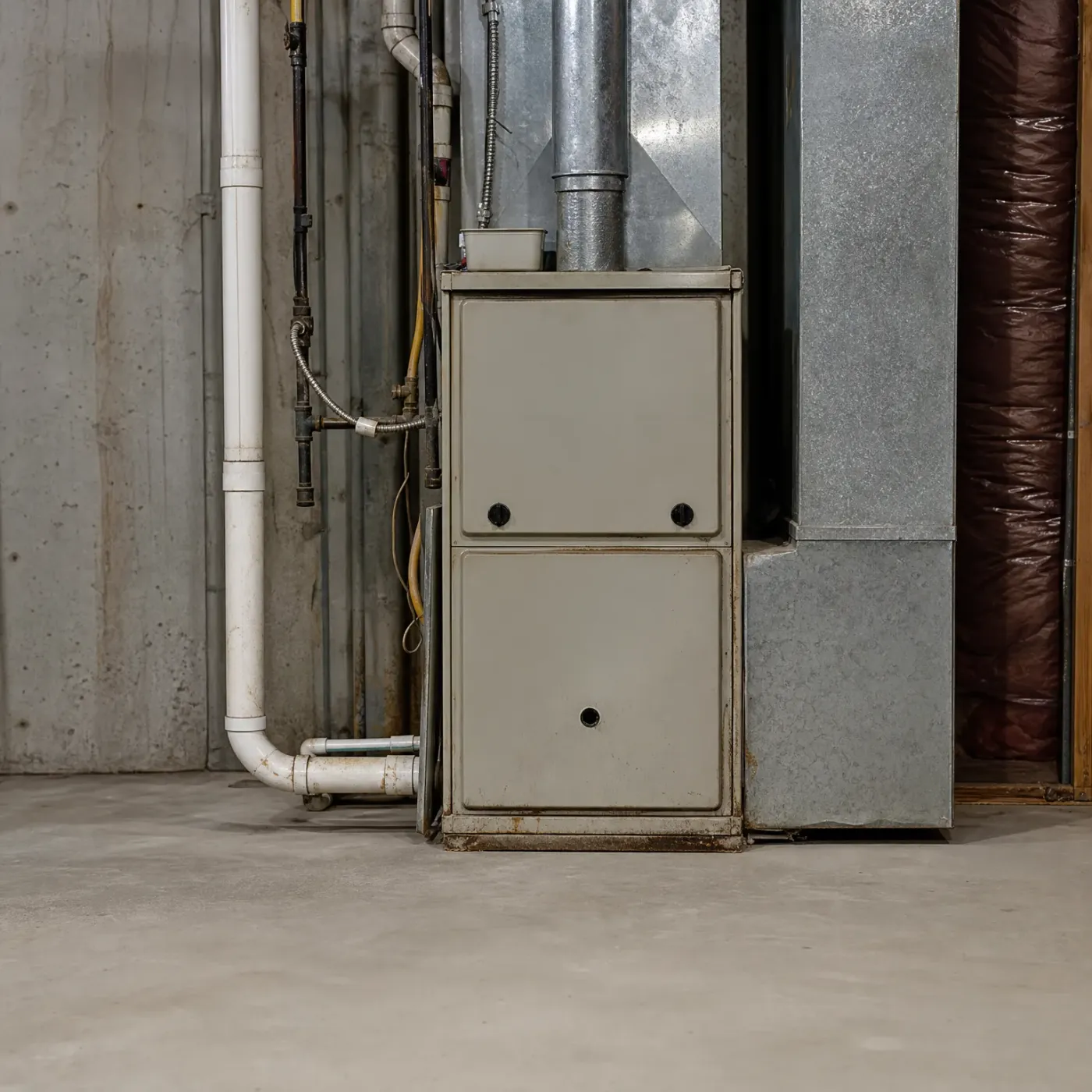
The heat exchanger is a sealed piece of metal with flame on one side and the air headed to your rooms on the other. As long as it holds, those two never mix. Once it cracks, there's nothing left to keep them apart, and the blower moves that air the same way it always has, straight through the ducts and out every vent in the house. The draft inducer and flue matter just as much. Their job is pulling exhaust outside, and if the inducer is failing or the flue is blocked, that exhaust comes back down the pipe instead. None of this gives off a smell, so you won't catch it by sniffing the air near the furnace. What you can check is the flame. A furnace burning right shows blue. If it's burning yellow at the tips, combustion isn't complete, and the soot that leaves behind is a sign worth taking seriously. A CO detector near where people sleep tells you what your nose never will, no matter how old or new the furnace is.
How the leak actually spreads
- A furnace's heat exchanger is the only thing standing between the flame and the air that reaches your rooms.
- Once that metal cracks, the blower doesn't know the difference and pushes the leak through every vent in the house the same way.
- A draft inducer that fails or a blocked flue can send exhaust back down the pipe instead of outside.
- Carbon monoxide has no smell on its own, so the furnace itself usually shows the problem before anyone does.
- A CO detector near the bedrooms catches what a nose can't, and it works whether the furnace is old or new.
- Yellow-tipped flames burn cooler and dirtier than a blue flame, and that soot is a sign combustion isn't complete.




Skip the search
The pro who reaches out is licensed in Texas.
Describe what your furnace is doing once, in one form.
Asking costs nothing, and the choice to hire stays yours.
Get It Checked or Keep Waiting
Call a repair tech
- A tech can pressure test the heat exchanger and flue system to find the crack or blockage you can't see from outside the cabinet.
- Combustion analysis tells you the actual carbon monoxide level in the flue gas, not just whether soot or rust is present.
- A local tech who works on furnaces every winter knows which brands and models tend to crack their exchangers first.
- Fixing the vent connection or replacing the exchanger stops the leak at its source instead of just airing out the house.
- One visit answers the question for the whole system, the burner, the exchanger and the vent pipe together.
Wait and watch
- Carbon monoxide has no smell, so watching for a odor to confirm a leak means missing it while it's happening.
- Headaches and fatigue that ease when you leave the house can also come from a dozen other causes, so guessing wastes time.
- A hairline crack in the heat exchanger gets worse with every heating cycle, it doesn't stay the same size.
- Soot or a yellow flame tells you something is wrong but not how much carbon monoxide is actually reaching your rooms.
- Running the furnace through another cold snap while you wait raises the exposure for everyone in the house.
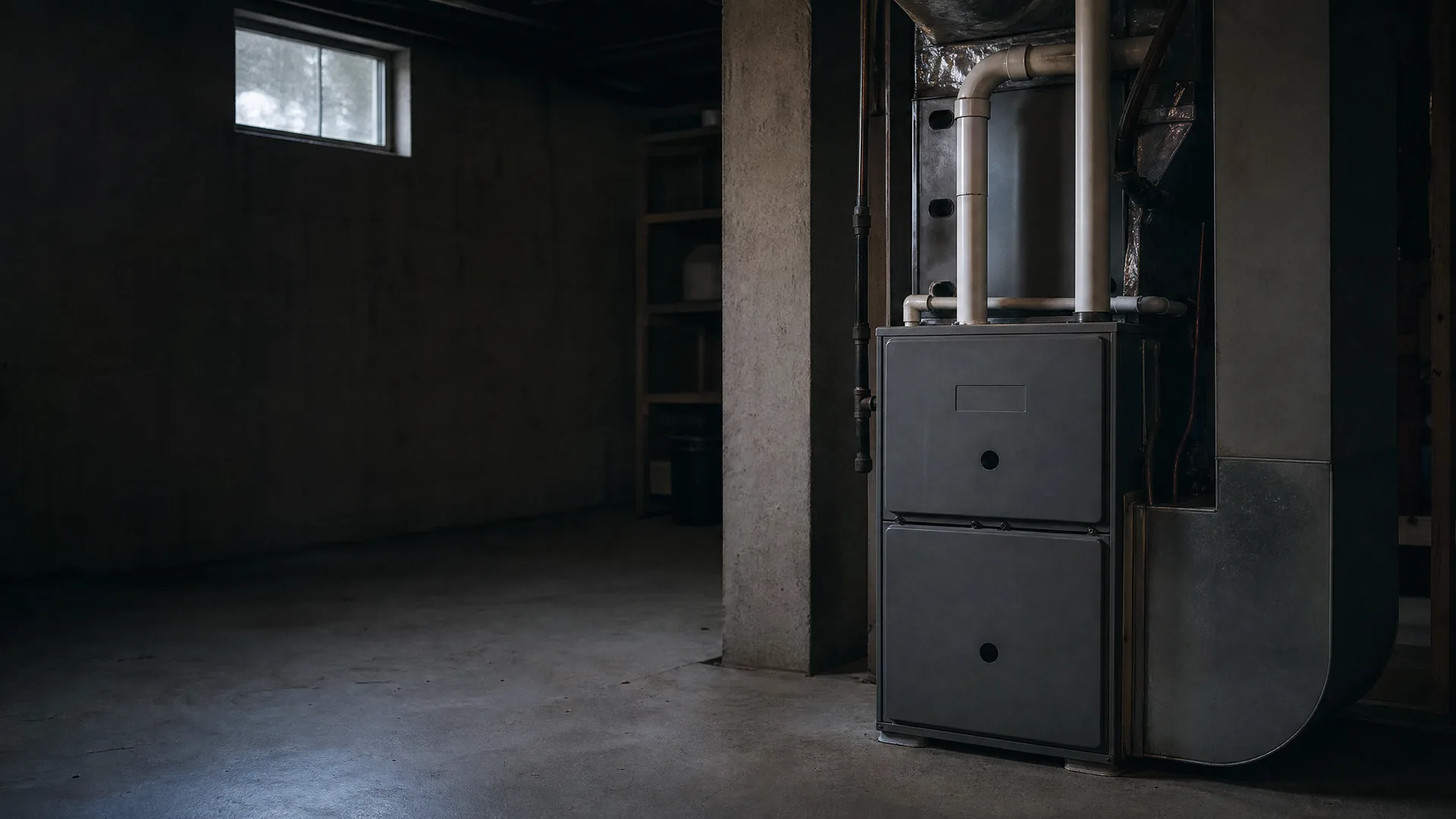
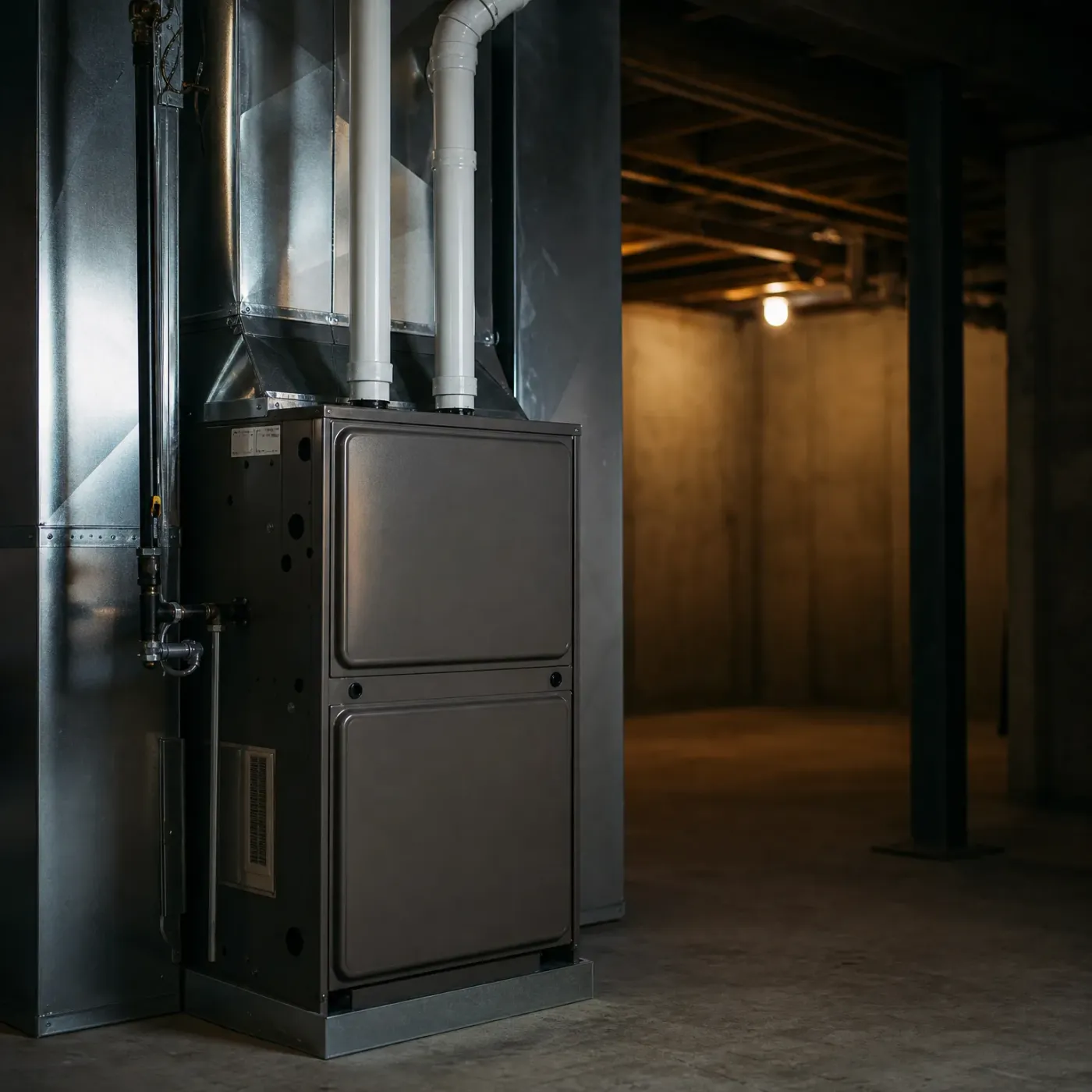
It's a little after six and already dark outside. You're down in the furnace room because the house feels off, colder than the thermostat says it should be. The gas furnace sits there dark, no hum, no flame. You crouch down and look through the small window near the burner and see dust hanging faint in the air, stirred up by the blower before it quit. Somewhere upstairs your kid says their head hurts again, third time this week, always in the evening. You don't move yet. You just stand there looking at the cold metal box that's supposed to be working right now.
Winter nights average 41°F statewide
At 41°F on an average winter night, your furnace is running long stretches to keep up, especially overnight when nobody's up to notice how it sounds or smells. That's more hours for a cracked exchanger to leak before anyone catches it.
NOAA nClimDiv 1991-2020 county normals weighted by homes
What to Trust and What to Check
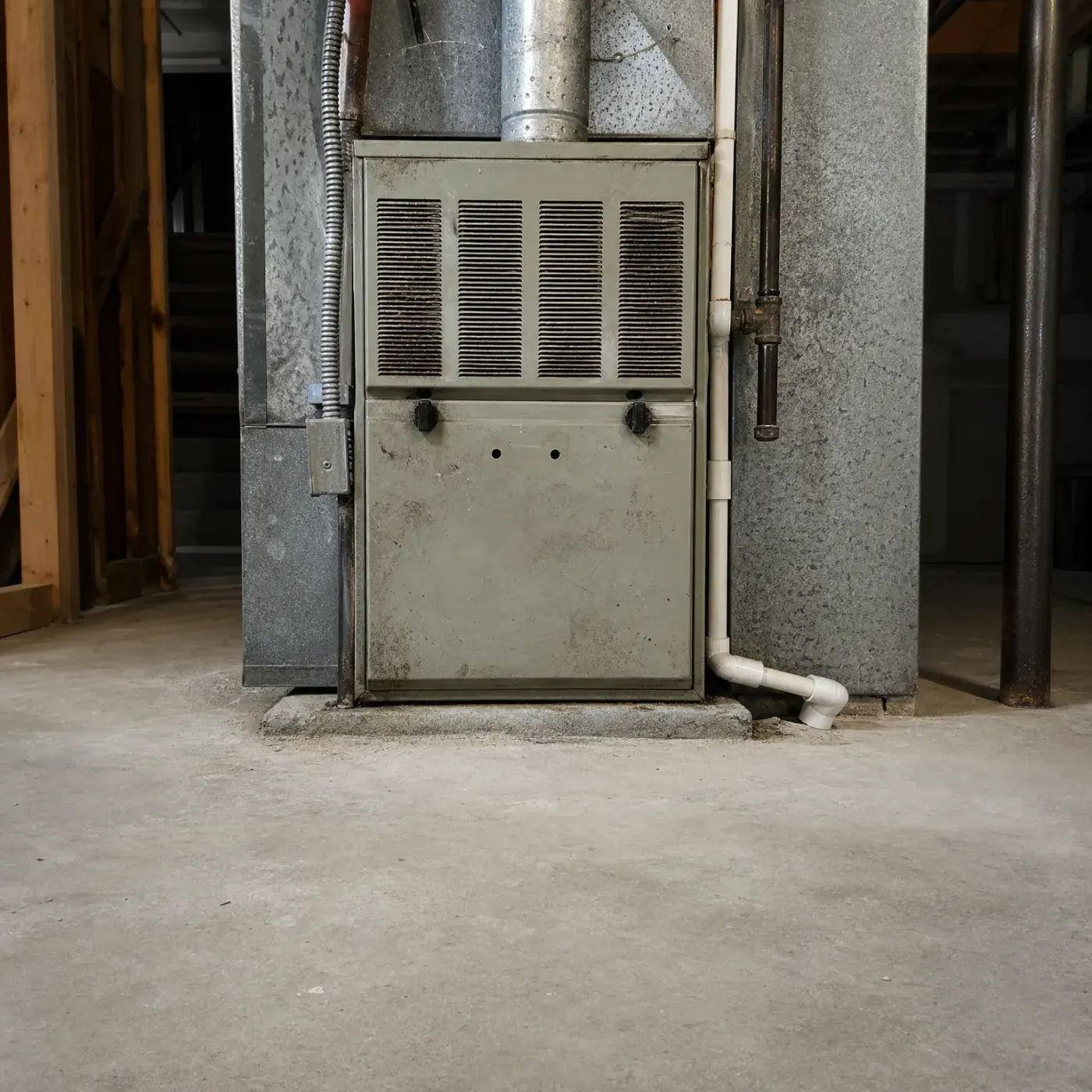
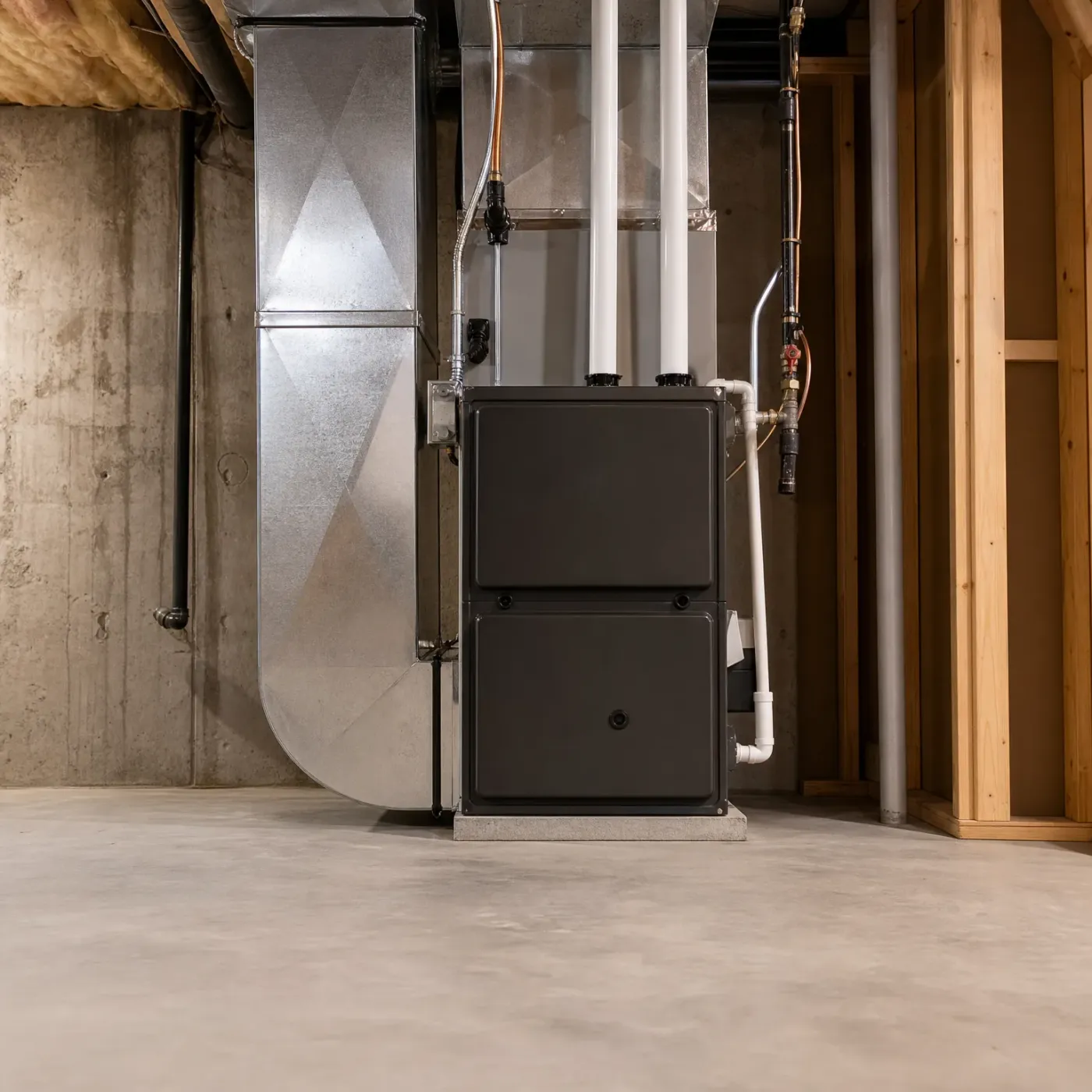
- A blue flame, a tight vent pipe, and no rust or soot anywhere near the cabinet mean the furnace is running clean.
- A yellow flame, soot near the burner, or rust on the flue pipe means the exhaust isn't making it outside like it should.
- Headaches or tiredness that show up when the furnace runs and fade when you leave the house point to the furnace, not a cold.
- A pressure test and a combustion analysis are the only way to find a crack in the heat exchanger before it gets worse.
- A furnace that won't light or won't stay lit is a safer problem than one that's running and leaking without you knowing.
- The signs are there to catch, on the furnace and in how your family feels, if you know where to look.
A gas furnace tells you what it's doing if you look in the right two places. The cabinet shows you the flame color, the soot, the rust on the flue pipe. Your household shows you the rest, in headaches and tiredness that track with the furnace running and ease once someone steps outside. Neither one by itself is proof. Together they tell you whether what you're looking at is a furnace that needs a filter change or one that's putting exhaust where it doesn't belong.
What you can't do from the furnace room is confirm it. A cracked heat exchanger doesn't always show itself from outside the cabinet, and the only way to find one for certain is a pressure test on the exchanger and a combustion analysis on the flue gas, run by someone who does this on Texas furnaces all winter and knows what a bad reading looks like against a normal one. That's not a step you can skip by looking harder.
If the furnace won't light at all, that's the easier problem to have. A furnace that lights, runs, and leaks without announcing itself is the one that costs you weeks of exposure before anyone notices. Either way, the signs were there to read. A yellow flame instead of blue, rust where the pipe meets the wall, a family that feels off only when the heat's running. None of it hides if you know to look for it, and none of it fixes itself once you've seen it.


Furnace Repair
Explain it one time
Only one pro gets your request, so you hear from one company.