

Furnace blowing cold air in Sugar Land, TX

After this form, you can stop searching for a furnace pro.

Let a pro reach out

A furnace blowing cold air usually means the burners aren't lighting, even though the blower fan keeps running. Most homes in Sugar Land heat with gas, and that fan is built to run a minute or two after the burners shut off, to clear leftover heat out of the system. If what you're feeling is cold air on and off all the time, the igniter may have failed, the gas valve may not be opening, or the flame sensor may be dirty enough to shut the burners down right after they light. A clogged filter can also starve the system of airflow and trip a safety switch that cuts the burners while the fan keeps blowing. Since winters here are mild, a furnace that won't heat right might limp along for weeks before anyone deals with it. It still means the system isn't burning gas the way it should, and that's worth having looked at rather than lived with.

  1. Thermostat calls for heat and the furnace turns on.

  2. Inducer motor starts and pulls air through the vent to clear the line.

  3. Igniter heats up or the pilot lights the burners.

  4. Gas valve opens and the burners should light.

A smiling man with dark curly hair in a dark green henley shirt sits on a light sofa in a living room with large windows, a lamp, shelving, a stone fireplace, and a bowl of popcorn in the foreground.
A smiling man in a dark long-sleeved henley shirt sits on a beige sofa in a living room, with a bowl of popcorn and a remote on the table in the foreground and shelves, a lamp, and a doorway behind him.
A smiling man with graying hair and stubble in a blue henley shirt sits on a gray sofa with cushions in a living room, with a bowl of popcorn on a wooden table in the foreground.
A smiling man in a dark green long-sleeve shirt reclines on a sofa in a dimly lit living room, with a bowl of popcorn on a side table in the foreground and a bookshelf, lamp, and houseplant behind him.

On a gas furnace, the blower and the burners are run by separate controls, so a failed igniter or a closed gas valve stops the flame without ever stopping the fan.

That is why you get cold air instead of no air at all. The fan is doing its job. The burners are the part that needs a look.

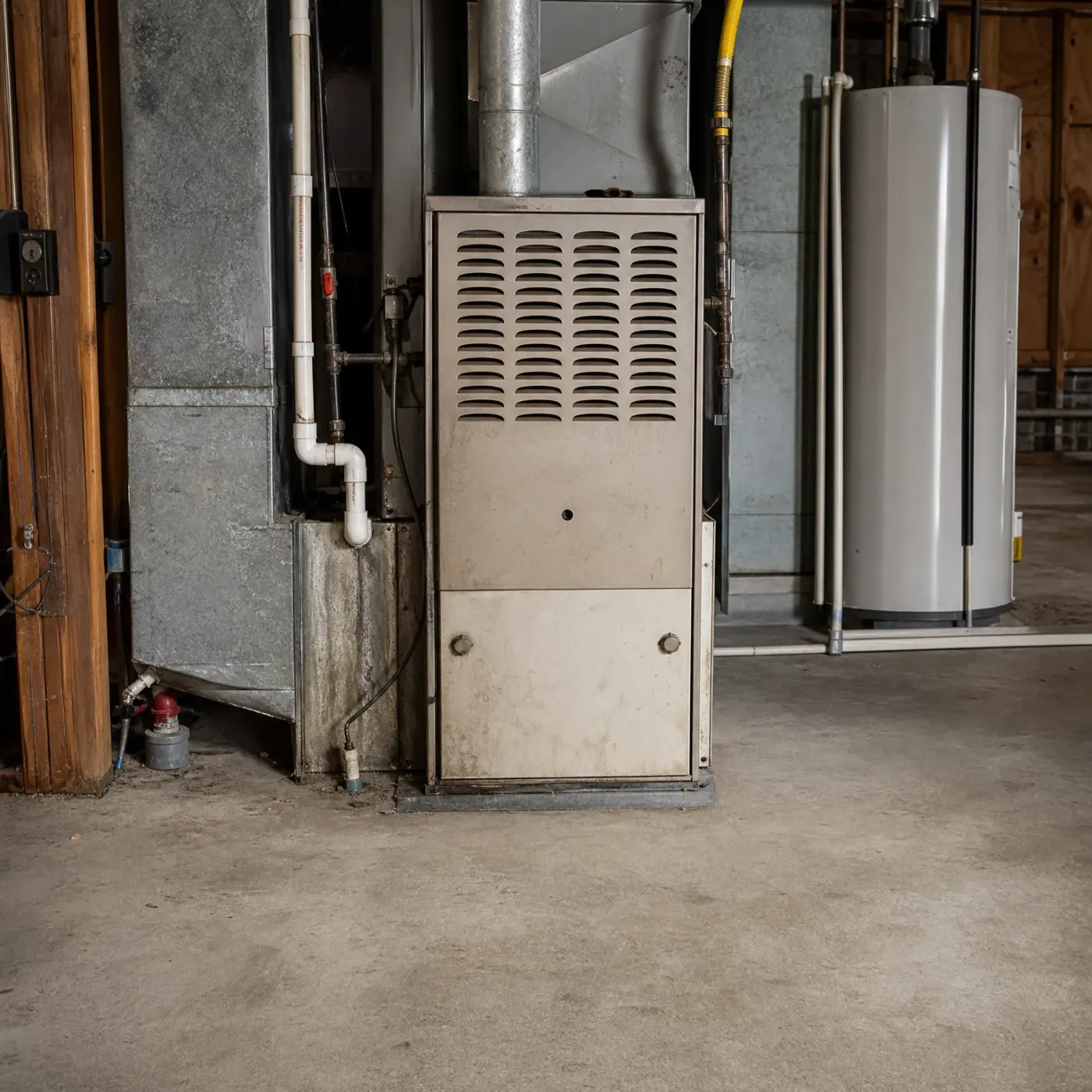
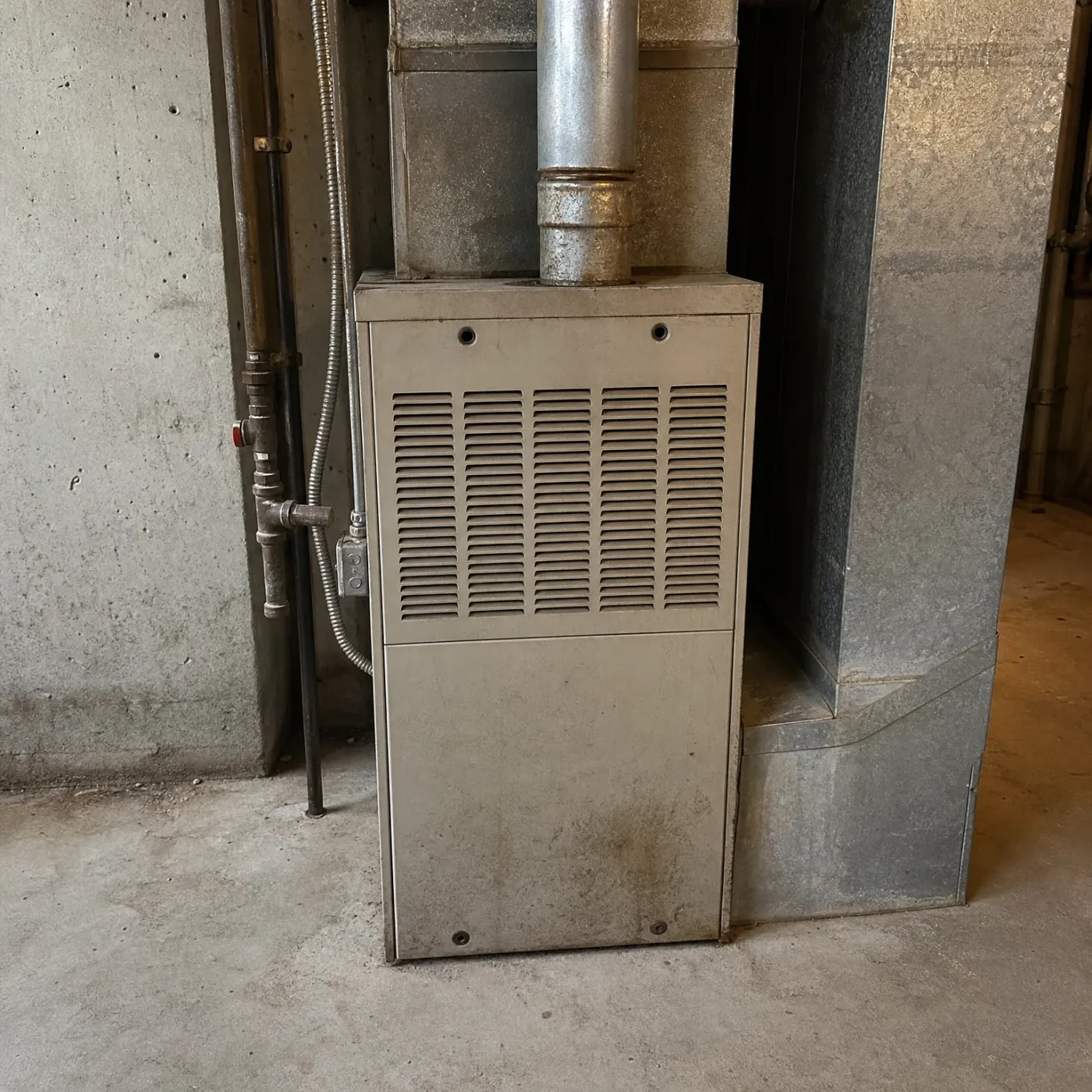
An older gas furnace with a louvered front panel stands on a concrete basement floor beside galvanized sheet-metal ductwork, a metal flue pipe, gas piping and a flexible conduit along a concrete wall.
Before you get your furnace repair
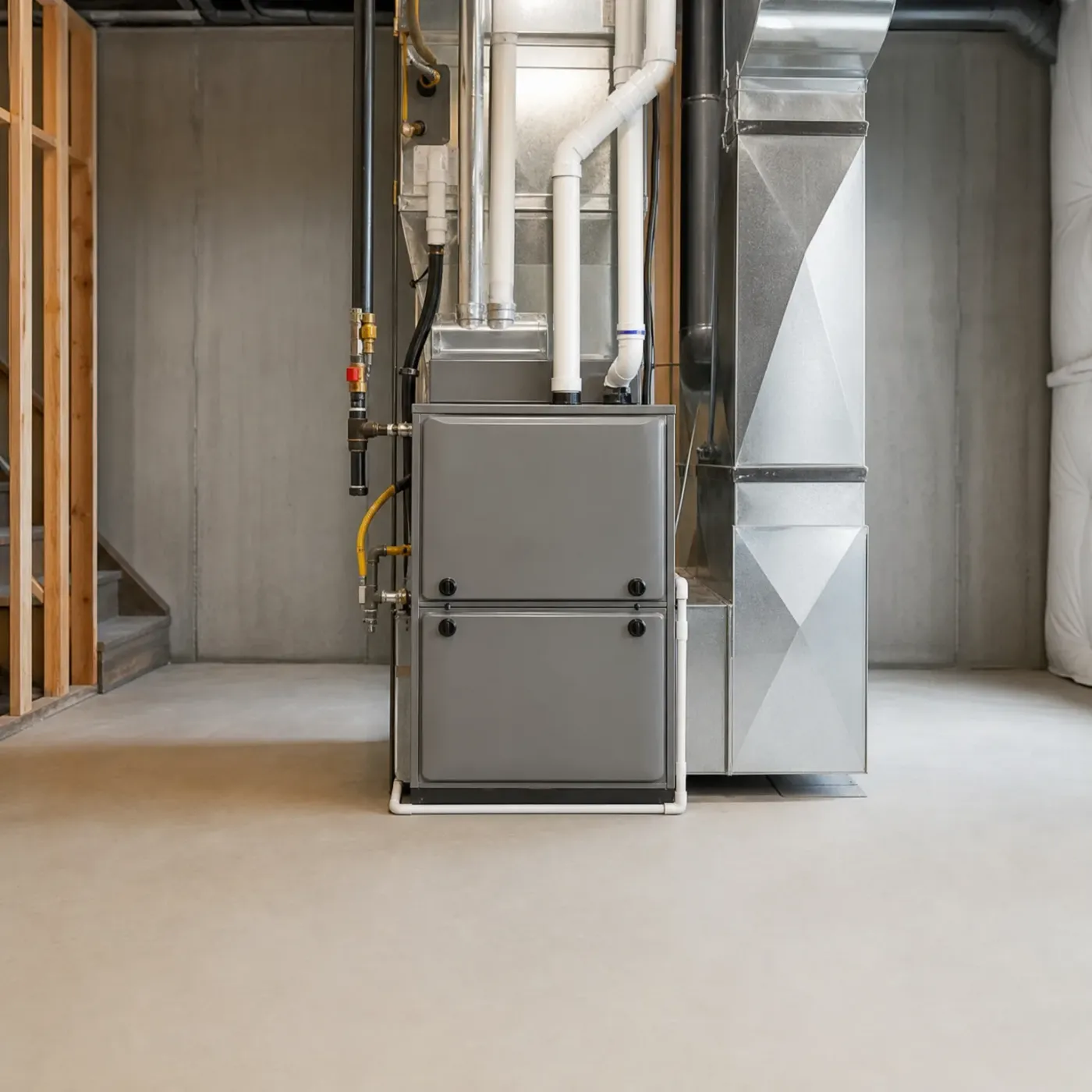
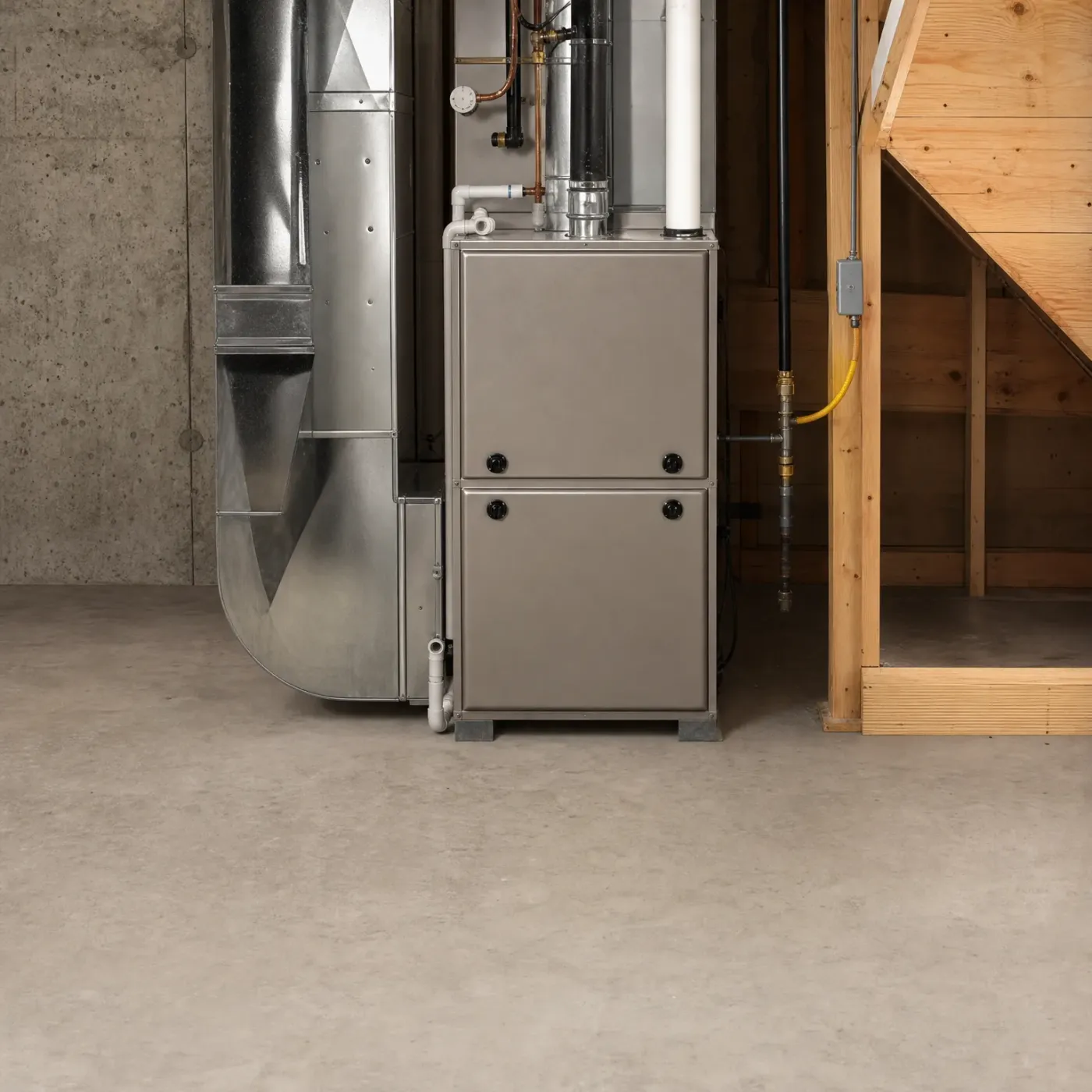
A gray furnace with sheet-metal ductwork, PVC vent pipes and a yellow gas line stands on a concrete basement floor beside wooden stair framing.
After you get your furnace repair

What you're probably noticing

The thermostat says it's heating, but the air out of the vents feels like it's straight off the AC. You might hear the furnace running, the fan moving air, but the house isn't warming up. Maybe there's a faint gas smell near the unit, or you notice it keeps cycling on and off without ever putting out heat. On a mild evening in Sugar Land that's an annoyance. On a cold snap, it means the house keeps losing ground while the furnace runs and runs without catching up.


What it costs you if it waits

A furnace that won't light its burners isn't heating your home at all, no matter how long it runs. Every hour it cycles like that is electricity spent moving cold air through the ducts. If the cause is a gas valve that's open but not igniting, that's gas flowing without a flame, which a licensed contractor needs to check right away. Left alone, a minor igniter or sensor problem can turn into a furnace that won't attempt to light at all, leaving you with no heat and a repair call anyway.

A woman in a dark knit turtleneck sweater reclines on a couch under a cream knit blanket, looking down at an open book, with a lit table lamp and framed pictures behind her.
A smiling middle-aged man in a dark green sweater sits at a candlelit table with wine glasses and a plate of greens in a dimly lit interior.

Winter nights average 46°F

Nights here only average 46°F in December and January, so your furnace isn't fighting hard. When it can't even get that air a few degrees warm, the burners are the problem, not the demand being put on the system.

NOAA nClimDiv 1991-2020

A gray high-efficiency furnace in a basement with PVC venting pipes, a yellow gas line, metal ductwork, concrete walls and floor, and a wood-framed stairway at left.
Burners lit, flame steady, air coming out of the vents warm. This is a furnace heating the house the way it should.
A beige furnace with a louvered front panel and metal ductwork stands on a concrete basement floor beside pipes and a white cylindrical water heater.
Vents open, fan running, but no flame behind the burners. The air moving through the house never picks up any heat.
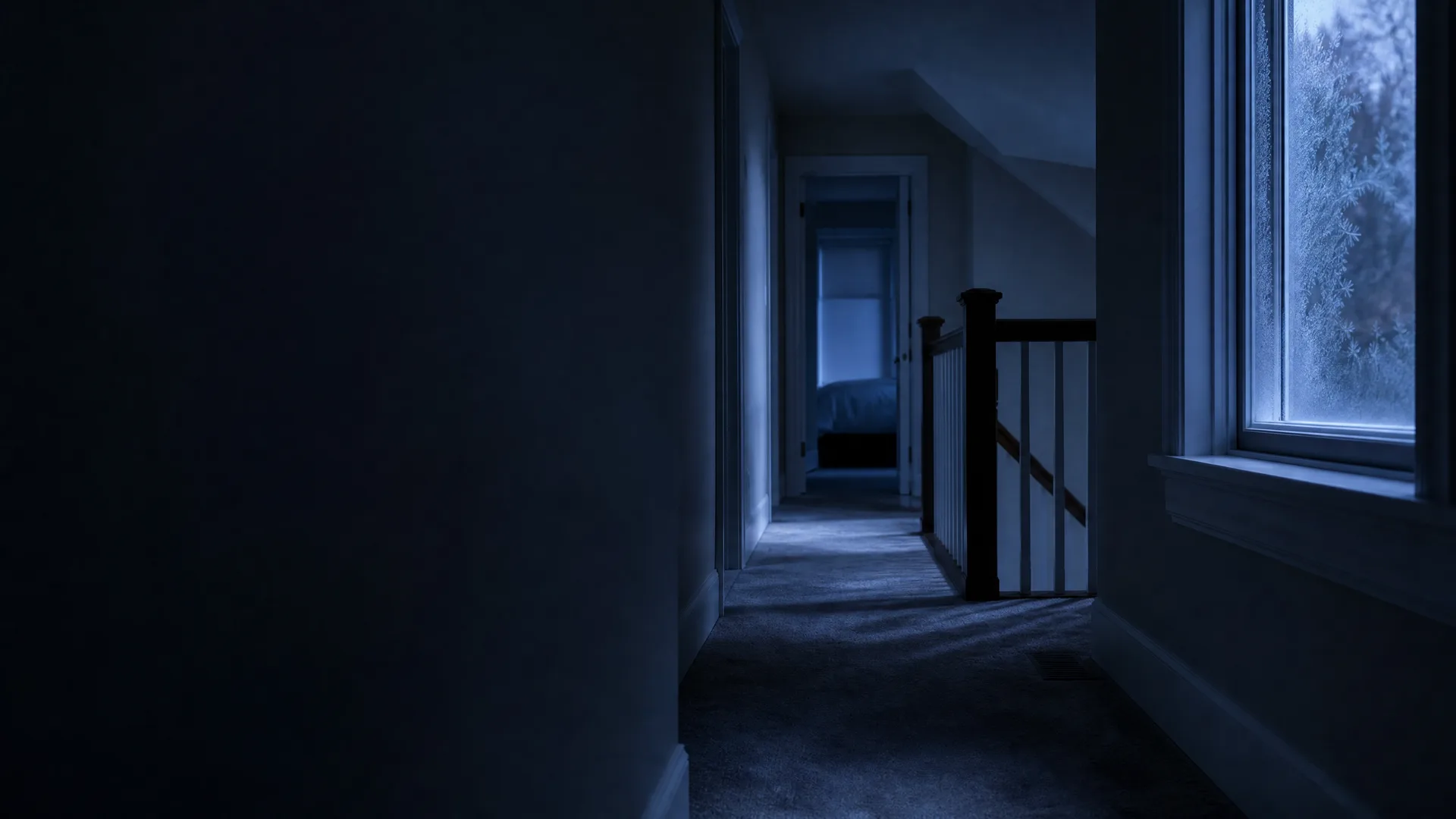
A dim carpeted upstairs hallway at night, with a stair railing on the right, a frosted window letting in blue light, and an open doorway to a bedroom at the end.

It's past two in the morning and the upstairs hallway is cold enough that it woke you. You check the vent with your hand and feel nothing but air, no warmth at all. Outside the hallway window, frost has crept up the edges of the glass, and the house is quiet except for the blower humming somewhere below. The thermostat on the wall still reads its usual setting for a Fort Bend County winter night, but the hallway doesn't match it. You stand there in the dim blue light a minute, waiting to feel the air change. It doesn't.

Hand off the search today

A furnace that blows cold air doesn't fix itself. The burners either need a part replaced, a sensor cleaned, or a gas valve checked by someone who knows gas furnaces, and that's not a weekend project for most homeowners. Left alone, you're looking at more cold nights, and in a house with kids or anyone who gets cold easily, that adds up fast. Right now your options are to start calling contractors around Sugar Land yourself, explain the same problem to each one, wait on callbacks, and compare quotes before anyone even looks at the furnace. Or you send this request once and that work stops being yours to do. One contractor gets it, not five competing for your attention. You don't have to vet anyone or figure out who's legitimate. The form takes a minute. What happens after it, the search and the sorting, isn't your job anymore once you send it.

Where That Leaves You

  • Cold air from the vents with the fan running means the burners aren't lighting, not that the furnace quit.
  • A failed igniter, a dirty flame sensor, or a closed gas valve all stop the flame without ever stopping the blower.
  • Fort Bend County winters are mild, so the furnace doesn't work hard, which is why the burner problem shows up fast.
  • Finding a contractor who works on gas furnaces, calling around, and explaining the same problem twice is the part you can skip.
  • Once the burners are repaired, the air out of the vents should run warm again within a few minutes of the furnace starting.
  • The fan running after the burners shut off is normal; the burners never lighting at all is not.

The fan running while the air stays cold points to one place: the burners aren't lighting. Everything else in the furnace, the thermostat, the inducer motor, the blower, is doing what it's supposed to do. The part that makes heat is the part that failed, whether that's an igniter that won't glow, a flame sensor coated in enough residue to read as no flame, or a gas valve that isn't opening. Sugar Land's winters don't ask much of a furnace most nights, which is partly why this shows up now instead of getting buried under constant hard use. A furnace that can't light its burners isn't going to start lighting them on its own, and running it while cold air keeps blowing just means a cold house and a system cycling without doing anything.

None of that tells you which part failed, and it shouldn't have to. That's a job for someone who works on gas furnaces regularly, has the parts and the gauges to check the gas valve and the flame sensor, and can tell you in the first few minutes what's actually wrong. What you'd otherwise be doing, looking up contractors, calling a few, explaining the same cold-air problem to each one, then sitting with quotes trying to compare them, is the part that disappears once you send the request. Someone who already knows gas furnaces takes it from there. Once the burners are working again, the vents should run warm within a few minutes of the furnace kicking on, the same as it did before any of this started.

A single-story stone-clad house with low-voltage path lights along a gravel bed and lawn at dusk, with a tree line and orange sky on the horizon.

Furnace Repair

Stop chasing a furnace pro

Step 1 of 3: Equipment
  • A dimly lit living room corner with a beige upholstered sofa holding a dark green cushion and a chunky knit throw, beside a wooden sideboard with a lit ceramic table lamp, a small potted plant, and a wooden bowl, with a framed artwork on the wall and a mug on a book in the foreground.
    • A Fort Bend County pro who repairs furnaces gets your request.
    • Say what's going on with your furnace, and a pro who works on them reaches out.
  • A round wooden coffee table holding a round stone vase of green foliage, a lit candle in a glass container, and a small dark bowl, with a beige sofa, cushions and knit throw behind and a window at left.
    • Send the request today and let a furnace pro reach out to you.
    • Get the furnace repair search off your mind today.
  • Sunlit living room with a wooden coffee table holding a ceramic vase of leafy branches and a carved wooden tray with two stacked books, in front of a beige sofa with tan and green cushions and a potted plant near a window.
    • Describe your furnace job once, to one pro.
    • Explain the furnace problem once instead of to every shop in Fort Bend County.
  • Interior corner with a lit ceramic table lamp and wooden bowl on a wood sideboard, a framed picture and branch-filled vase behind, a knit throw over an upholstered chair, and a lit candle in a glass holder, stoneware mug and round planter of green foliage on a wooden table in the foreground.
    • Your request goes to one pro, not a list of companies.
    • The pro who gets in touch is licensed in Texas and works in Fort Bend County.