Get in touch with a local installer about a new furnace.
Most winters in Texas are short and mild, and the furnace runs a lot less than the air conditioner does. That's the main reason a dry house in January isn't the problem here that it is further north. The bigger issue for most homes is summer, when the air is already heavy with moisture and the AC is doing the work of pulling that moisture out along with the heat.
A furnace humidifier adds moisture to the air using the furnace's blower, so it only does anything while the furnace is running. If your winters are mild and short, that's a narrow window. Some homes still want one, especially if static shocks, dry skin, or cracking wood floors show up during the coldest stretch. But it's worth being honest that in most Texas homes, that stretch is brief.
What matters more is figuring out whether your specific situation calls for one at all, and that depends on things a page can't know from here: how your house is built, how tight it is, what your gas or electric furnace setup looks like, and what you and your family actually notice during the cold months. That's not something to guess at.
If you want a straight answer on whether a humidifier makes sense for your home, the next step is getting matched with a contractor who installs them and knows how to weigh that against a Texas winter. You send over a few details, and a contractor who handles this work reaches out to you directly. No research, no cold calls to make yourself, no guessing which company to trust. Once you've sent the form, it's off your plate.
Do I need a furnace humidifier in Texas?
Winters here don't ask much of the furnace, and most homes heat with electricity rather than burning gas inside the house. You've probably noticed dry skin or static shocks are rare compared to what you hear from people up north. Still, you want to know if a humidifier is something your furnace setup should have, or if it's one more thing to skip.
No, most homes in Texas don't need one
A furnace humidifier adds moisture to air that a furnace has dried out through a long heating season. Texas winters are too short and too mild for that to happen here. The furnace barely runs most years, so there isn't enough heating to strip the air of moisture the way it does in colder states. The air problem in a Texas home runs the other way: too much moisture, not too little, and that shows up in summer when the air conditioner is working hard for months at a time. If dry air were ever an issue in your house, it would show up in January, not July, and for most homes here it doesn't show up at all.
Why furnaces dry out northern homes
A gas furnace further north runs for months straight, and burning gas indoors uses up moisture in the air while the heat exchanger pulls humidity down further with every cycle. That's the house a furnace humidifier was built for. An electric furnace doesn't burn anything inside the house, and it isn't running long or often enough here to pull the air dry the same way.
What actually drives humidity here
Your indoor humidity in Texas follows the outdoor air most of the year, not the furnace. Summers bring moisture in through every door opening and every gap in the house, and that's what your air conditioner is built to pull back out. A furnace humidifier adds moisture. It has no part in removing it, which is the job your house actually needs done here.
Winter nights average 41°F statewide
A 41°F night means your furnace cycles on and off a few times before morning, not straight through it. That short runtime barely touches the moisture already in your house. A humidifier earns its keep on long, hard-running furnaces, and yours doesn't work that way here.
NOAA nClimDiv 1991-2020 county normals weighted by homes
A furnace sized to Texas winters runs in short bursts, so the ductwork and plenum stay warm only as long as the thermostat calls for heat.
When a furnace does run long and hard, dry air shows up alongside it, which is the case a humidifier was built to answer.
A local pro for your furnace installation
Send the form and the search for an installer is over.
A local installer who puts in furnaces gets your project.
Walk through what you've noticed. Static when you touch a doorknob. Skin that feels tight after a shower. Wood floors creaking more than usual. If none of that sounds like your house, that's not something you missed. It's because a Texas winter doesn't run the furnace long enough or often enough to pull that much moisture out of the air. Most homes here heat with electric systems that don't burn anything indoors, which is a bigger factor in dry air than people realize. If your house feels normal through January and February, that's your house telling you a humidifier isn't solving a problem you have.
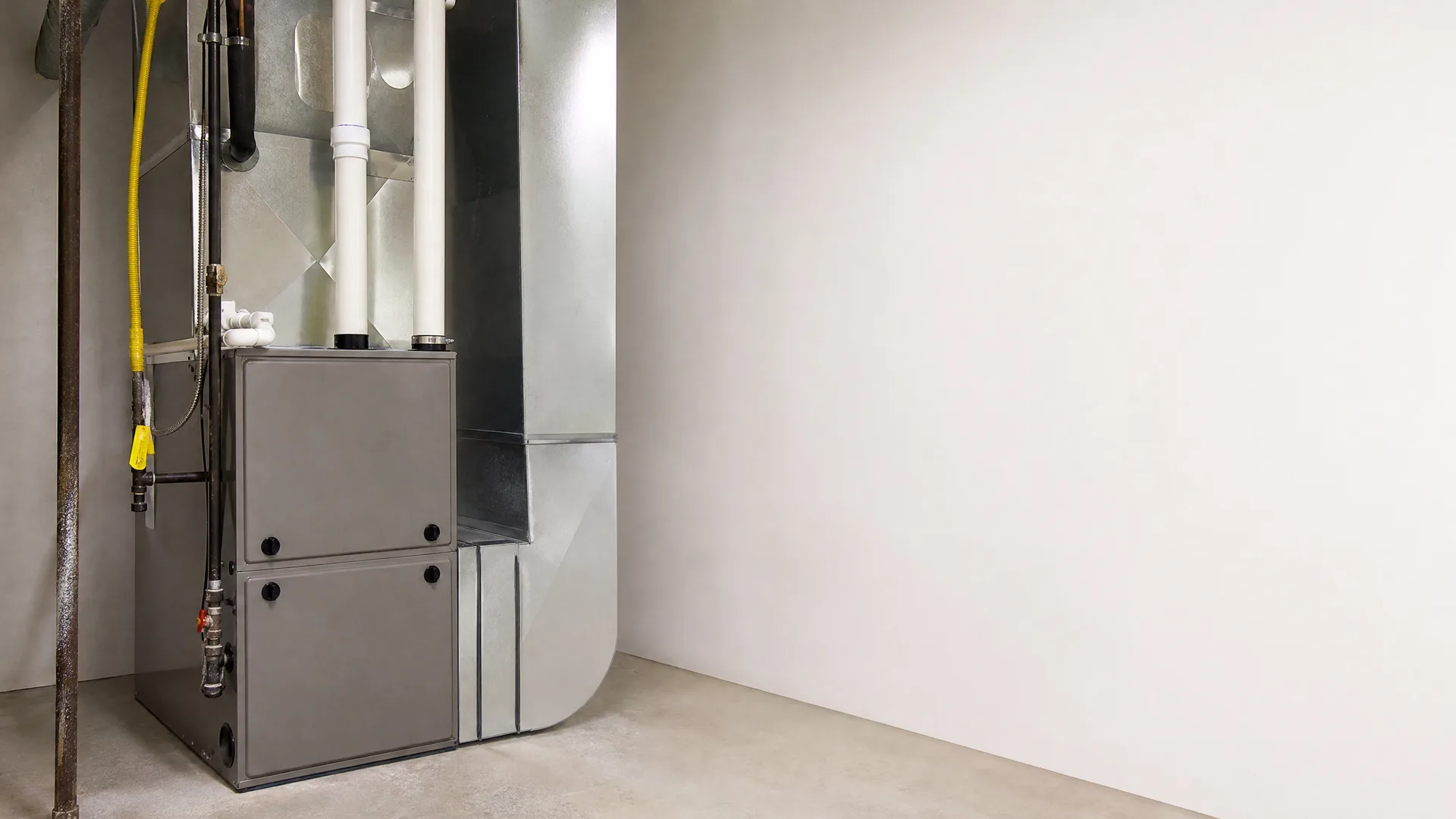
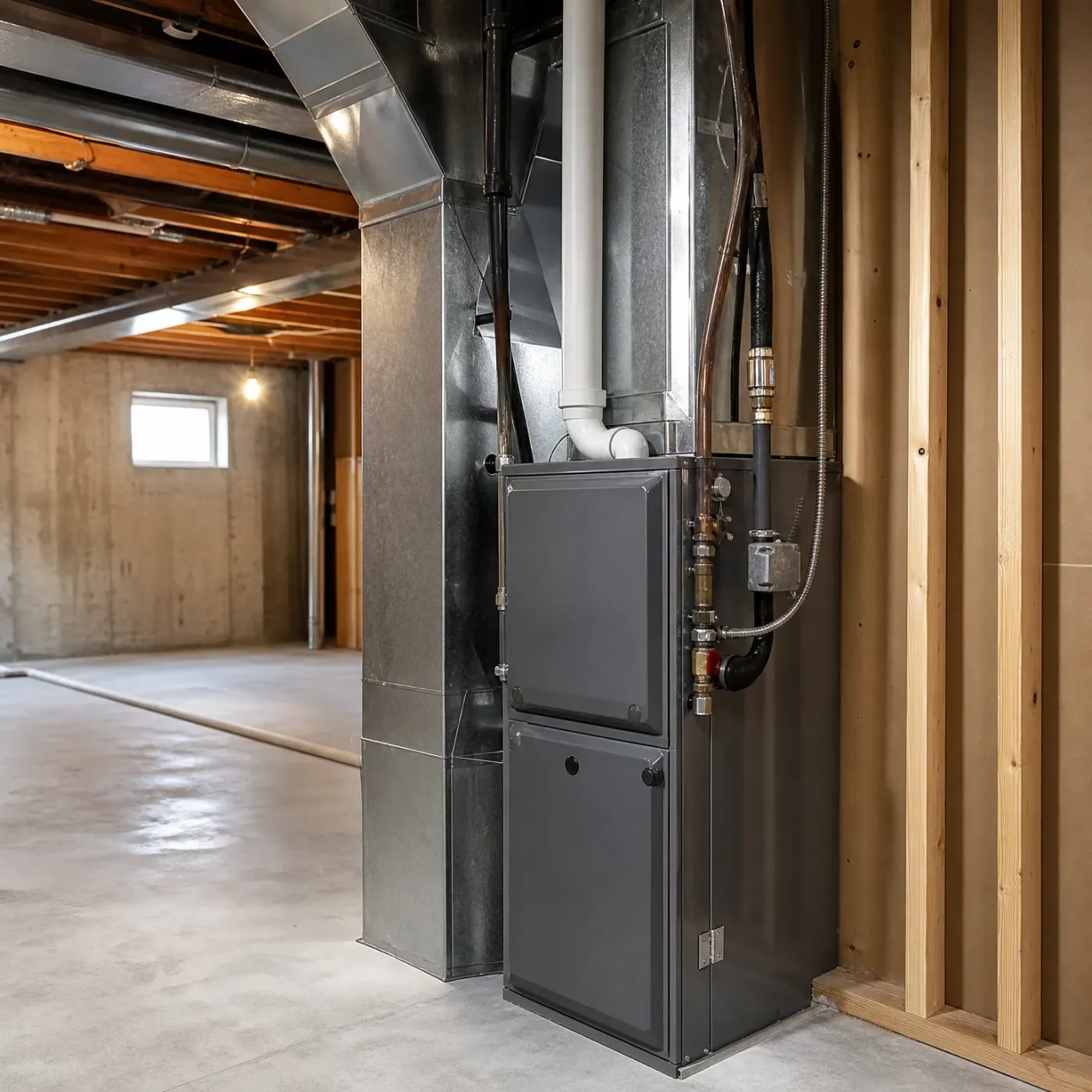
Furnace running as installed
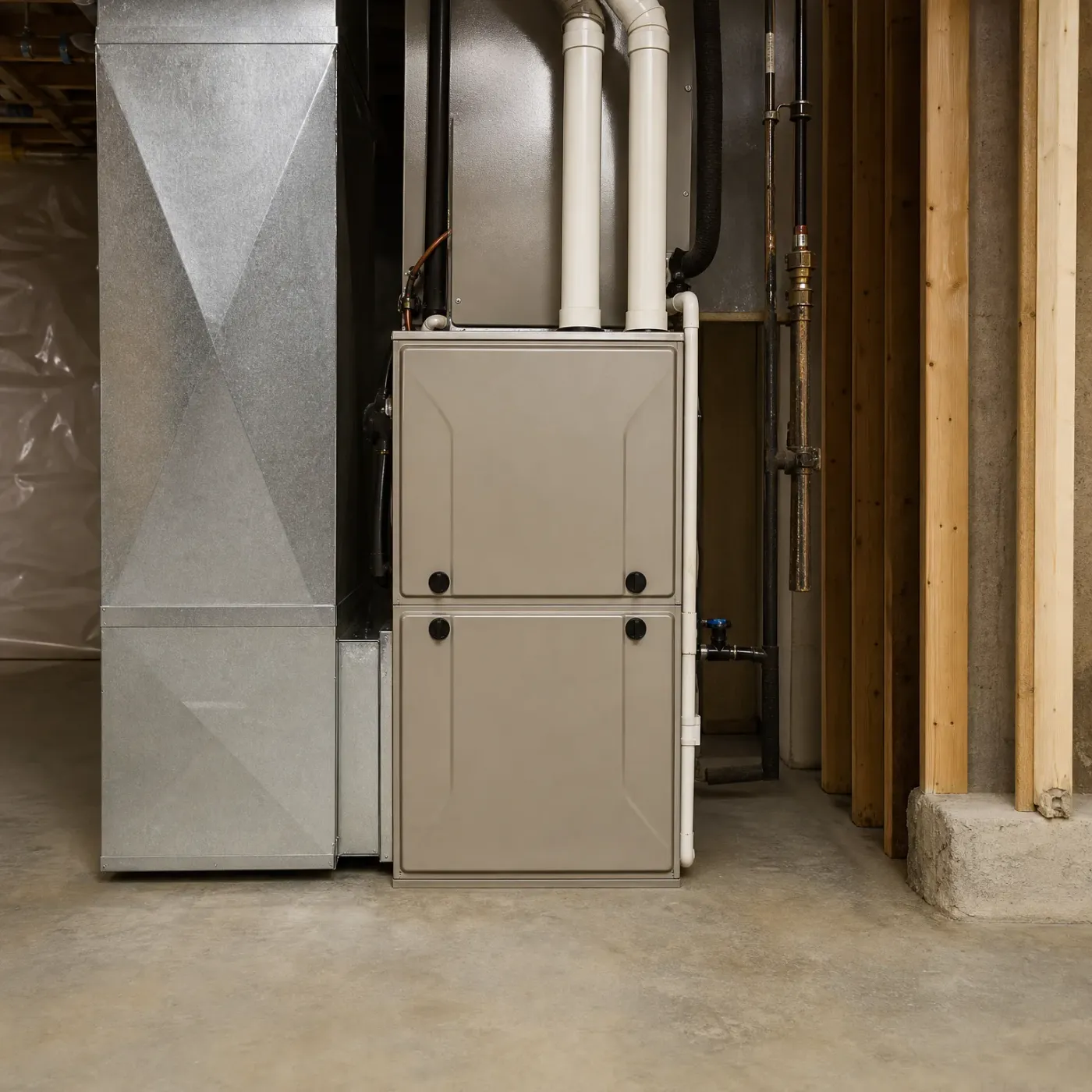
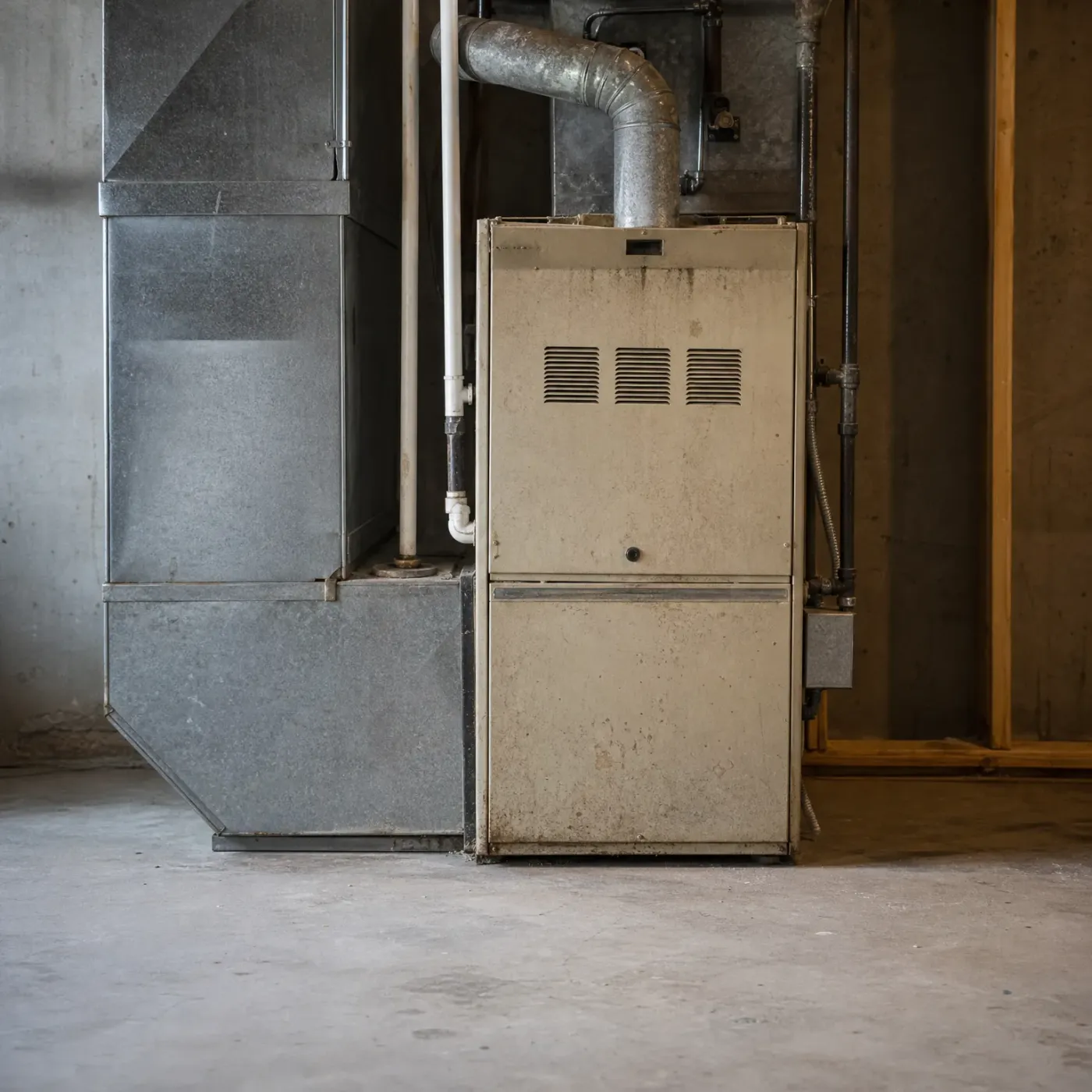
This is what your furnace looks like doing its normal job. The gas line feeds it, the flue vents out, and the ductwork carries heat through short runs on cold mornings. Nothing about this setup calls for added moisture. A furnace built for Texas winters was never meant to run long enough to dry the air out.
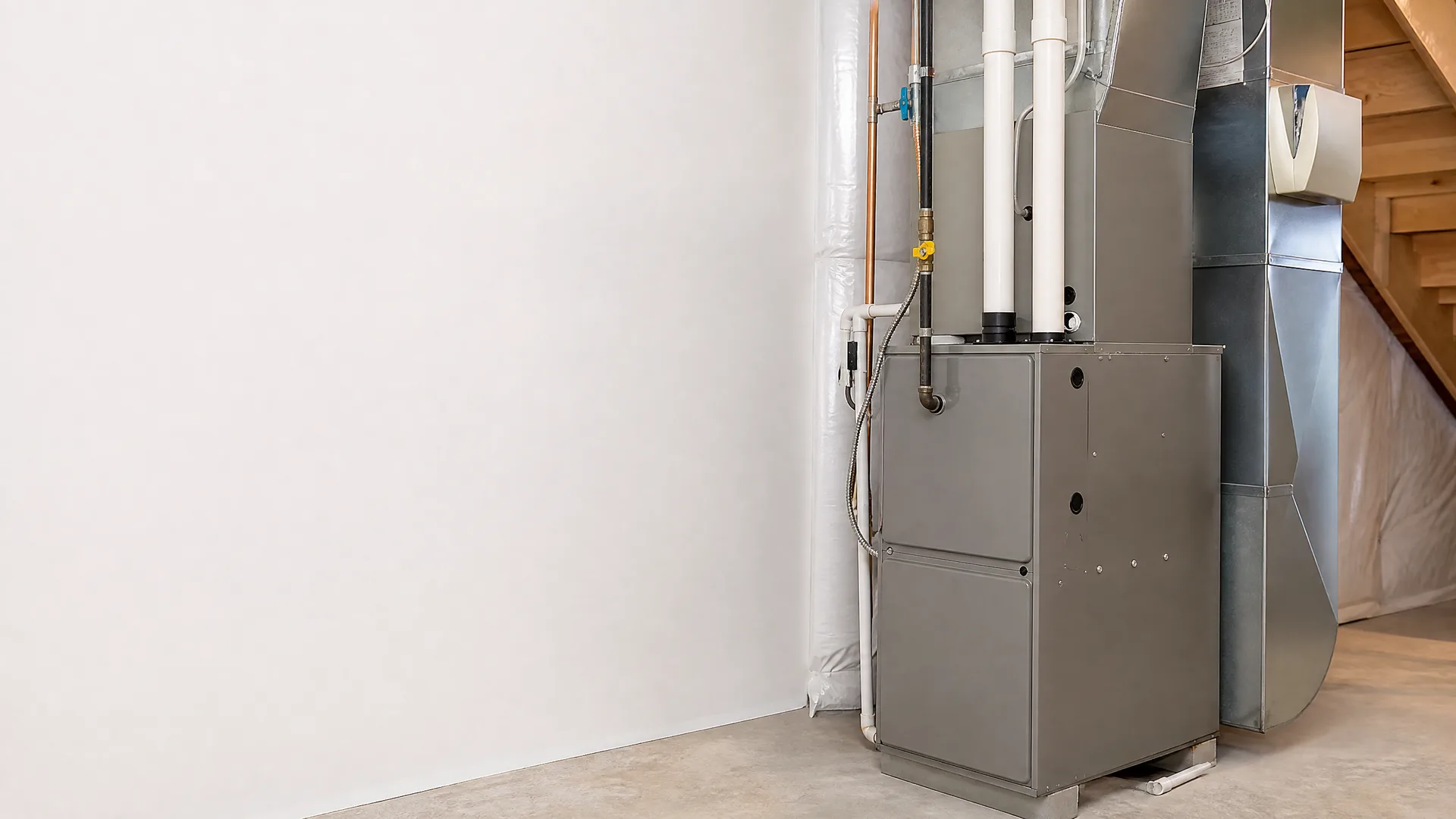
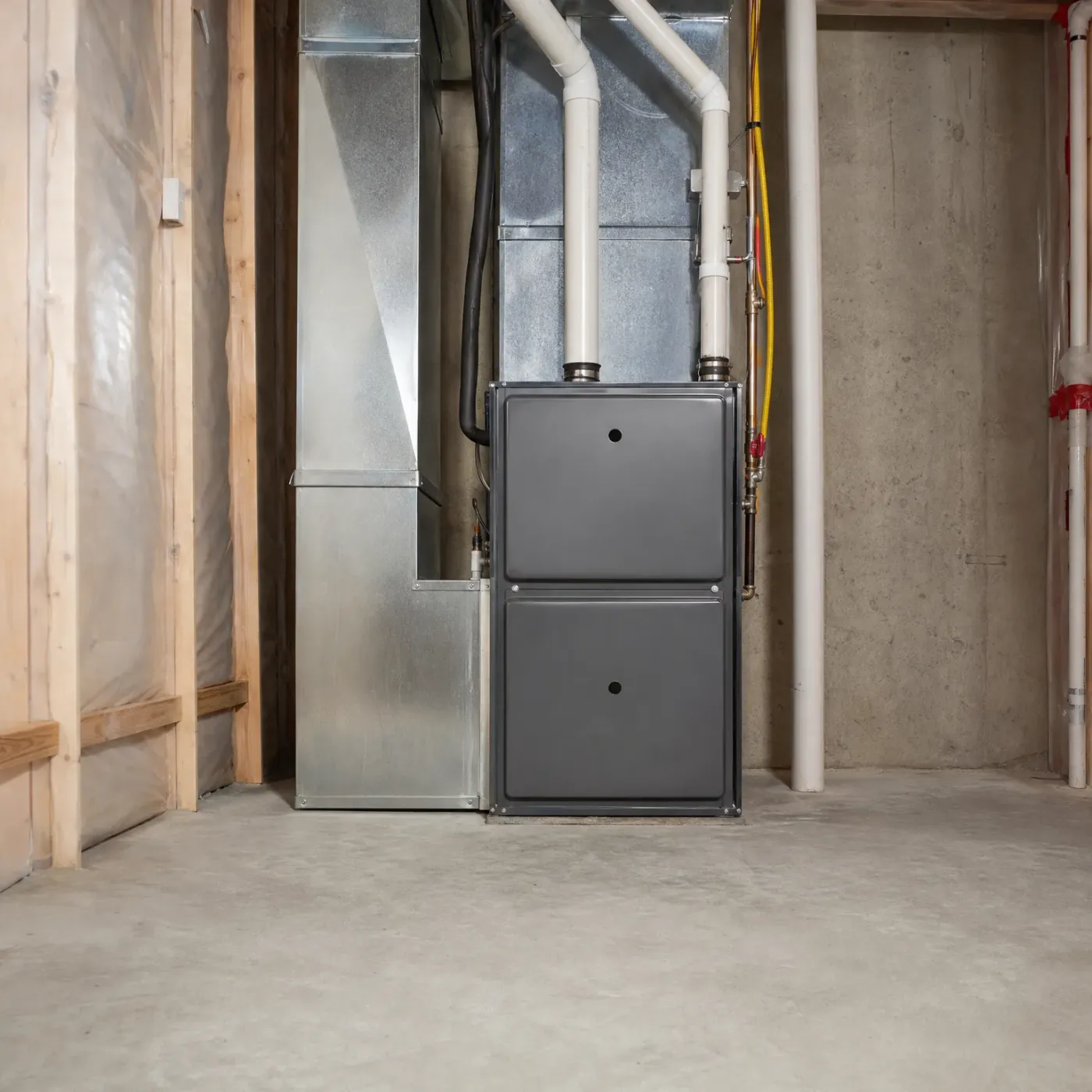
Furnace with a humidifier added
Here a humidifier has been built into the system, tied into the ductwork alongside the furnace. It makes sense where a furnace runs for months on end and burns through the moisture in the house. In Texas, where the furnace barely gets going before the thermostat shuts it off again, that same add-on has far less work to do.
A Texas winter just doesn't run your furnace long enough or hard enough to dry a house out the way it does further north. If your home isn't showing the signs, a humidifier isn't something you're missing. Where moisture actually matters here is summer, when the air outside is heavy and the right equipment handles that differently than winter dryness. If you've looked at what you've got and decided a furnace humidifier still makes sense for your house, or you want someone to look at the summer side of things instead, sending that along is the only step left on your end. A contractor who handles this in Texas homes takes it from there, and you're done chasing it down.
Furnace Installation
Get the right pro for your furnace
Step 1 of 3: Equipment
Describe your furnace job, and a local pro who handles it gets in touch.
Say what's going on with your furnace, and a pro who works on them reaches out.
One request ends the search for a furnace installer.
Once you send the form, finding a pro is off your list.
Skip collecting and comparing quotes for the new furnace.
Skip the round of in-home estimates for a new furnace.
One installer gets your project, so there's no bidding war over it.